
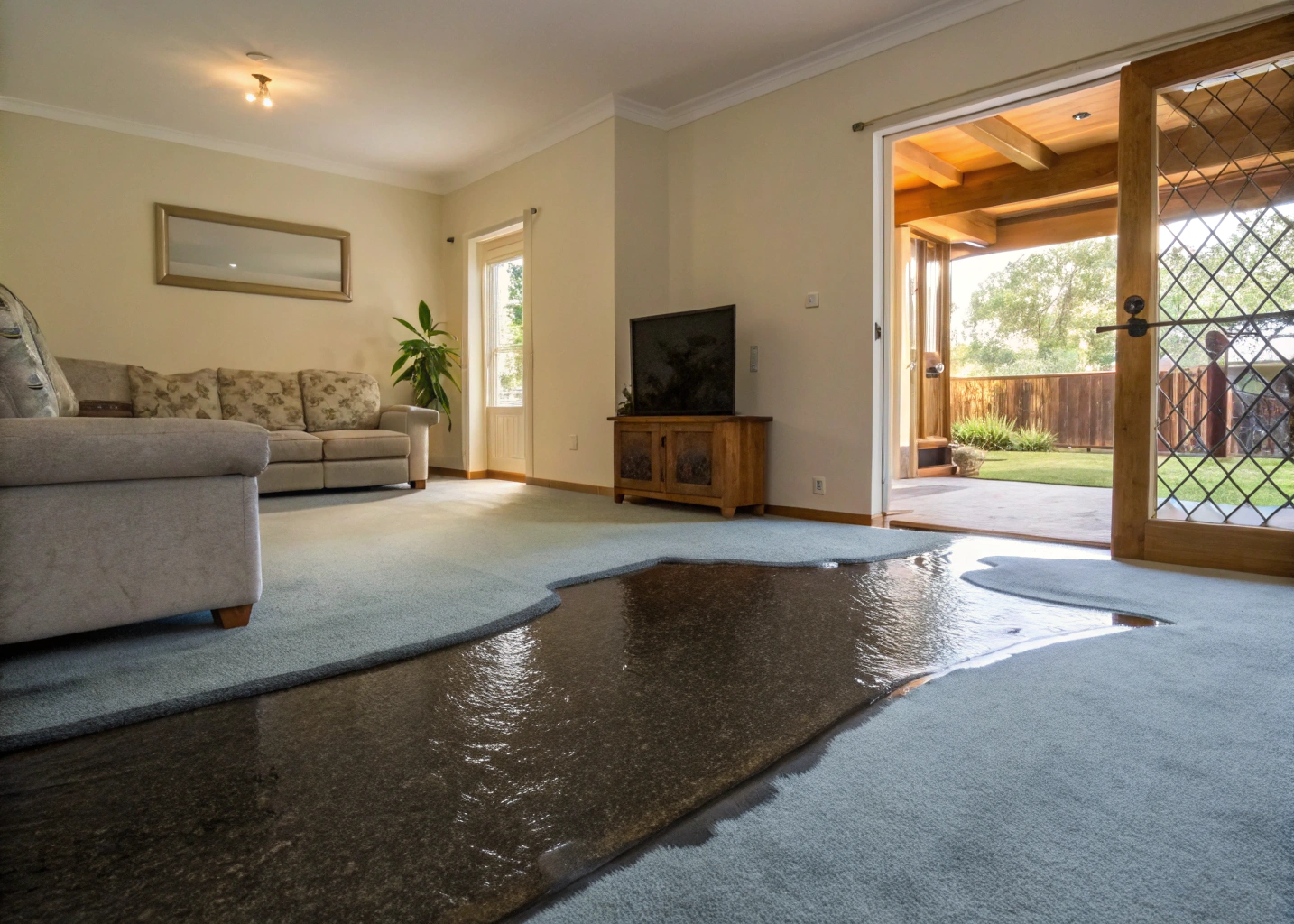
Can Water Damaged Carpet Be Saved?
Yes — but three things determine the outcome.
- Water contamination category — clean, grey, or black water determines whether the carpet can be treated in place or needs to be removed
- Time elapsed — professional extraction started within 24 hours gives the carpet its best chance of full recovery
- Underlay condition — underlay acts as a sponge and must be assessed separately; it often needs replacing even when the carpet itself can be saved
On the Central Coast, that 24-hour window is tighter than most people expect. Our regional humidity accelerates mould growth in wet underlay faster than the generic advice you’ll find online — which means acting today, not tomorrow, is what makes the difference between a carpet that recovers and one that doesn’t.

Why Wet Carpet Becomes a Mould Problem So Quickly on the Central Coast
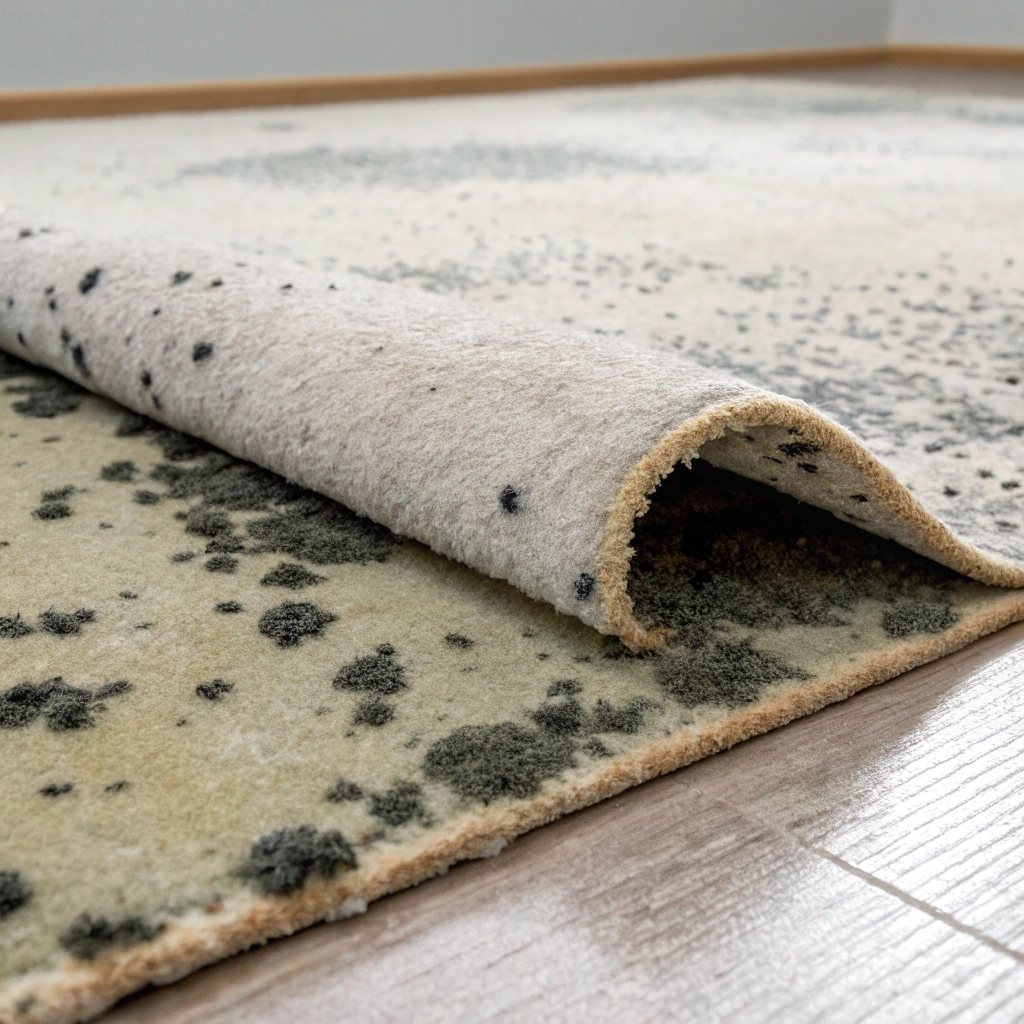
Surface dryness is one of the most misleading things about a water damaged carpet. You can run your hand across the pile and feel almost nothing — while the backing, the underlay beneath it, and sometimes the subfloor below that are still holding significant moisture.
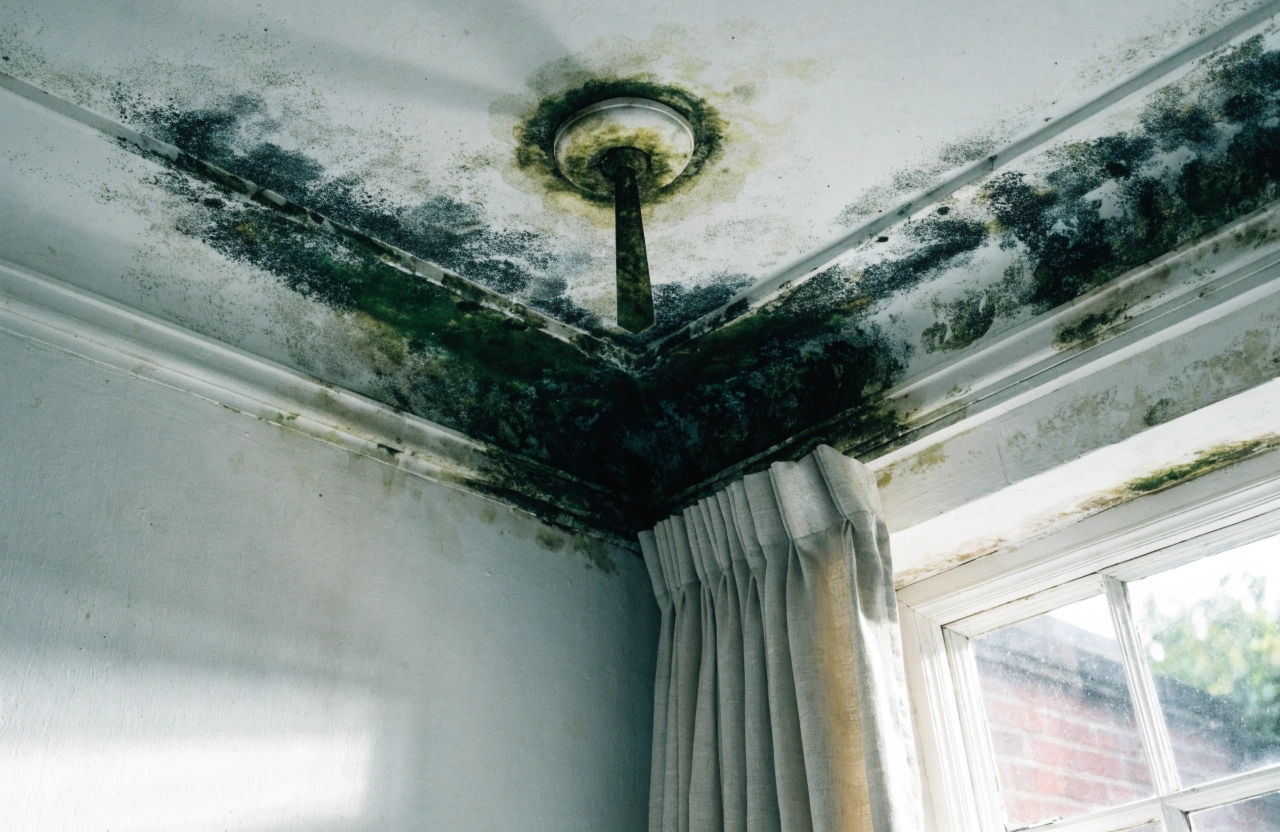
That hidden moisture is the problem. And on the Central Coast, it doesn’t stay hidden for long before mould takes over.
Our regional humidity sits between 70 and 85 percent across most of the area. Wet underlay in those conditions can develop mould growth within 24 to 48 hours — well inside the window most homeowners think they have when they’re mopping up and setting up fans.
By the time the smell arrives, the mould is already established. What looks like a drying problem has already become a mould problem — and that changes everything about how it needs to be treated.
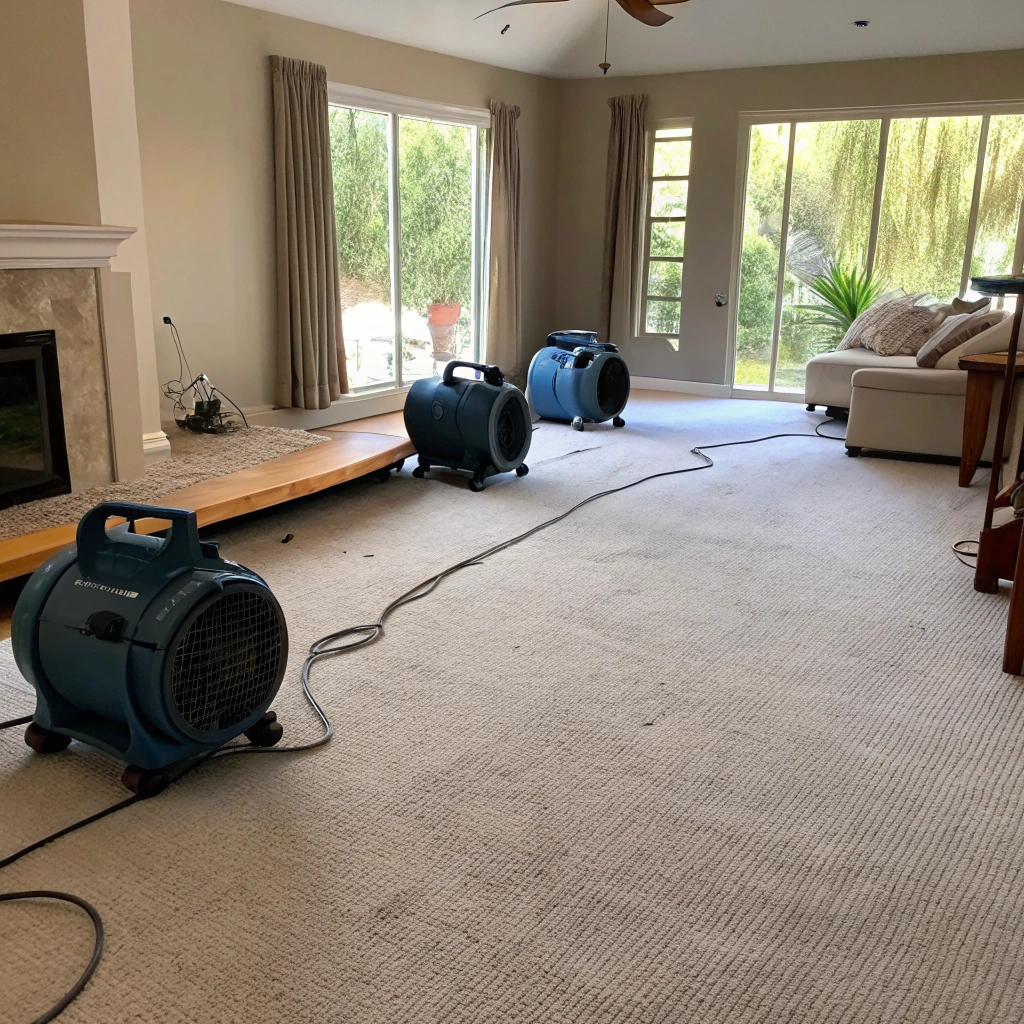
What Professional Water Damaged Carpet Cleaning Actually Involves
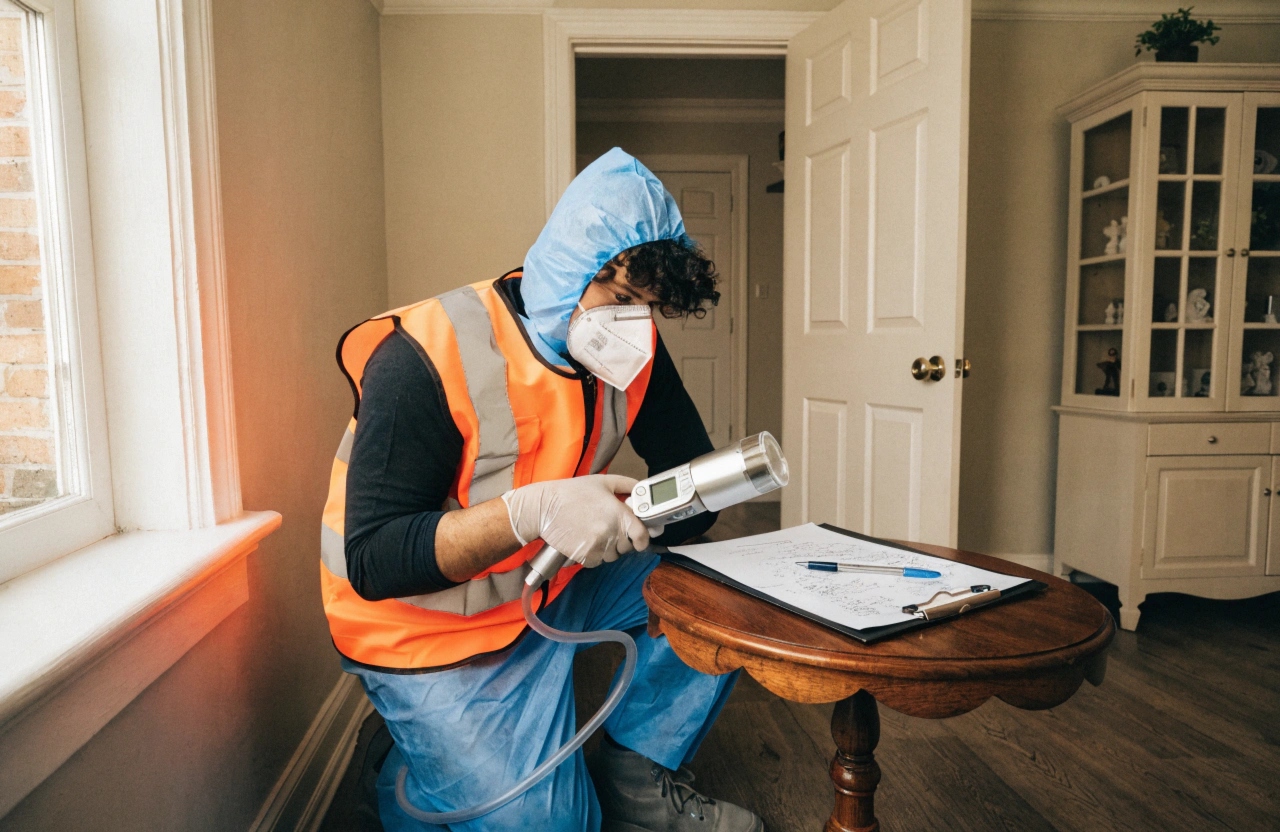
What we do is categorically different from anything you can attempt at home. Professional water damaged carpet cleaning is a structured process — and the order of each step matters as much as the steps themselves.
High-Powered Water Extraction: Truck-mounted and portable professional extraction equipment creates suction through the carpet pile, the backing, and into the underlay beneath it. A domestic wet vacuum removes surface water. Our equipment removes the moisture sitting where you can’t see it — and that’s the moisture doing the real damage.
Contamination Category Assessment: Before any drying or treatment begins, we assess the water source. The category of contamination determines the entire treatment approach — what equipment we use, what products we apply, and whether the carpet stays or goes. This step cannot be skipped.
Antimicrobial Sanitisation Treatment: Antimicrobial treatment is applied to the carpet, underlay, and subfloor where contamination is present — and it happens before drying, not after. Drying a contaminated surface first locks in biological matter and accelerates mould growth. Sanitisation first, drying second, is the correct sequence every time.
Understanding Water Contamination Categories — and Why It Changes Everything
The category of water that damaged your carpet isn’t just a technical detail. It determines what we can save, what needs to go, and how we treat everything in between.
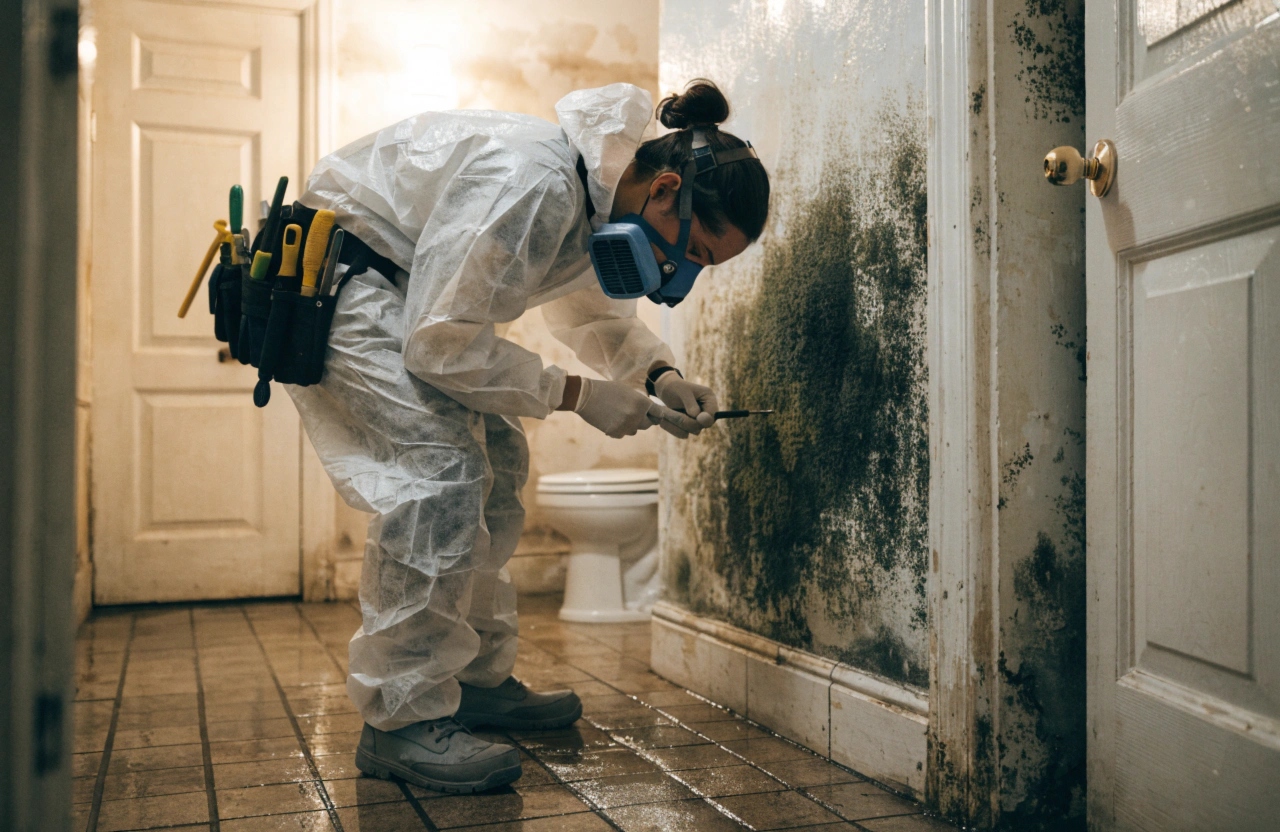
The Underlay and Subfloor Assessment Most Carpet Cleaners Skip
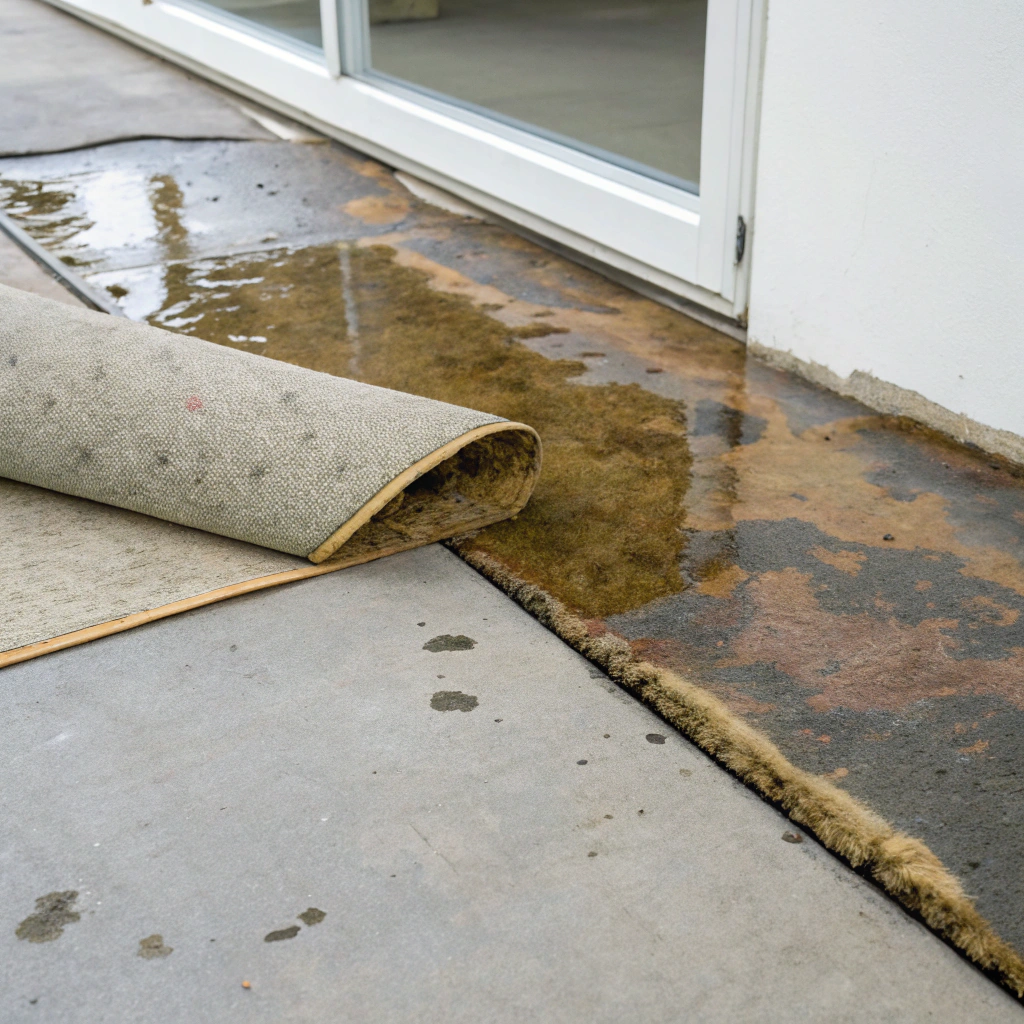
Underlay acts like a sponge. It absorbs water fast and releases it slowly — and standard carpet cleaning equipment doesn’t get close to removing the moisture sitting inside it. By the time the carpet surface feels dry, the underlay beneath it can still be saturated.
This is the assessment most carpet cleaners skip. And it’s the reason mould comes back.
When we lift and check the underlay, there are three possible outcomes. We dry it in place where moisture levels allow. We lift and replace the underlay while retaining the carpet above it where the carpet itself is in good condition. Or we recommend full removal where the damage runs too deep.
We also check the subfloor substrate — whether that’s plywood, particleboard, or concrete. Each one responds differently to prolonged moisture exposure, and each carries its own mould risk if water has penetrated to that level. Particleboard in particular deteriorates quickly and can harbour mould growth that no amount of surface treatment will resolve.
Skipping this step doesn’t save time. It just means the problem resurfaces in six weeks.
When Carpet Can Be Saved and When It Cannot
Not every water damaged carpet can be recovered — and we’ll always tell you honestly which situation you’re in.
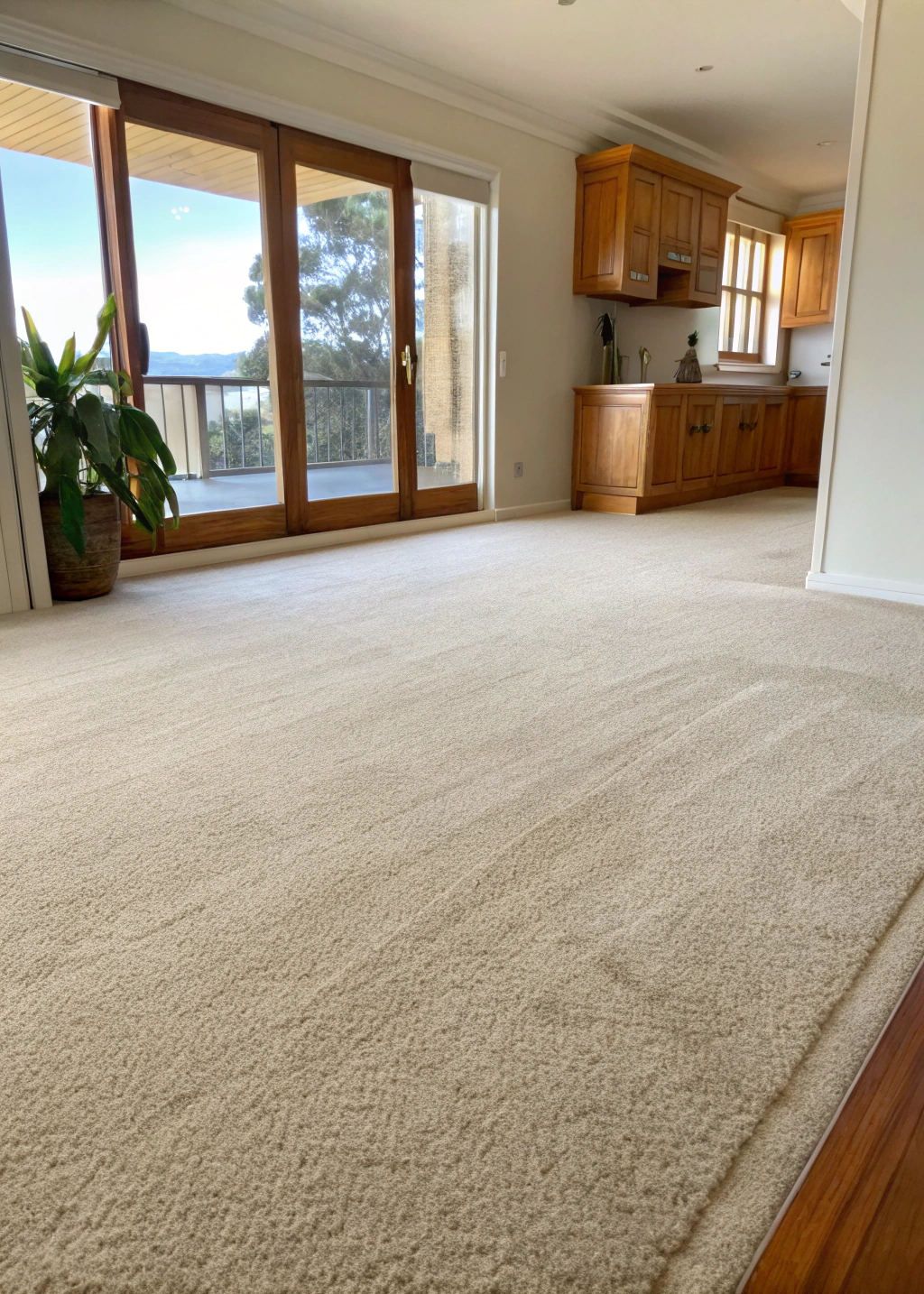
The best candidates for full recovery are carpets hit by Category 1 clean water where we’ve been called within 24 hours. Where the underlay is salvageable, we extract, sanitise, dry in place, and document the outcome.
- Category 1 water source confirmed
- Professional extraction commenced within 24 hours
- Underlay assessed as recoverable
Some situations go beyond what restoration can fix — black water saturation, mould already through the underlay, extraction delayed beyond 48 hours, or underlay that’s too far gone.
- Category 3 black water contamination
- Mould already established in underlay
- Extraction delayed beyond 48 hours
We won’t dress up a replacement job as a restoration to win the work. If it needs to go, we’ll tell you straight.
Water Damaged Carpet in Central Coast Rental Properties
Water damaged carpet in a rental property moves fast — and not just the moisture.
Landlords have an obligation to act promptly when a tenant reports water damage. Delayed response affects tenant health, disrupts quiet enjoyment, and creates liability exposure that a documented treatment record goes a long way to managing. Where the damage is attributable to tenant behaviour, the assessment report also supports bond claim proceedings.
Property managers working to tight inspection timeframes need a clear written record of what was found, what was done, and what the outcome was. That’s exactly what we provide — a documented assessment and treatment record that covers both tenancy and insurance requirements.
We work regularly with property managers across the Central Coast. If you manage a rental property with water damaged carpet, call us directly and we’ll work around the access and timeframe requirements you’re dealing with.
Using Your Home Insurance for Water Damaged Carpet Cleaning
Most homeowners don’t realise how much of this is claimable.
Sudden and accidental water events — burst pipes, appliance failures, storm intrusion — are typically covered under standard home and contents policies. Extraction, cleaning, drying, and replacement costs can all form part of a legitimate claim, depending on your policy.
We provide everything your insurer needs to process it. Extraction records, contamination assessment, drying logs, and a completion report — all documented and ready to submit. We don’t make coverage guarantees because every policy is different, but if the damage was sudden and accidental, it’s worth checking before you assume you’re covering the cost yourself.
Frequently Asked Questions
We recommend calling us within 24 hours of the damage event. On the Central Coast, that window is tight — our regional humidity means mould can establish in wet underlay faster than most people expect. The sooner we get there, the better the outcome.
You can remove surface water, but that’s about it. Domestic equipment doesn’t pull moisture from the underlay or backing where the real damage happens. By the time the surface feels dry, the layers beneath it are often still saturated — and mould is already getting started.
We lift and assess it directly. Underlay holds moisture long after the carpet above it feels dry. We check moisture levels and condition before making a call — sometimes it can be dried in place, sometimes it needs to come out. We’ll tell you exactly what we find.
Not always. Carpets affected by clean water where we’re called within 24 hours and the underlay is in good condition can often be fully recovered. Black water contamination, delayed response, or mould already through the underlay are the situations where replacement becomes the right outcome.
Grey water comes from sources like washing machine overflow or dishwasher failure — mild contamination that we treat with antimicrobial products before drying. Black water is floodwater, sewage, or storm inundation. It carries serious biological contamination and in most cases the carpet and underlay need to come out entirely.
If the source of the moisture is addressed and the affected materials are properly extracted, sanitised, and dried, yes. Odour that persists after treatment usually means moisture is still present somewhere — in the underlay, subfloor, or wall cavity. We don’t consider a job done until the moisture readings confirm it.
Yes. We provide extraction records, contamination assessment, drying logs, and a completion report — everything your insurer needs to process a claim for water damaged carpet cleaning. Sudden and accidental water events are typically covered under standard home and contents policies, so it’s always worth checking your policy before assuming you’re paying out of pocket.
Yes, and we do it regularly. We provide a documented assessment and treatment record that covers both tenancy and insurance requirements. We also work directly with property managers across the Central Coast and can accommodate access and timeframe requirements where needed.
It depends on the extent of the saturation, the water category, and the subfloor substrate. Most jobs are fully dried within 24 to 72 hours using professional drying equipment. We monitor moisture levels throughout and don’t pack up until the readings confirm the job is done properly.
Get Your Carpet Assessed Today — Not Tomorrow
Wet carpet doesn’t wait, and neither should you. Every hour matters when mould is the risk — and on the Central Coast, that risk moves faster than most people expect.
We cover the full Central Coast — Gosford to Lake Munmorah — and we offer same-day assessments where possible. Call us and we’ll tell you exactly what you’re dealing with and what it’s going to take to fix it. No runaround, no upsell — just a straight answer from a local team that knows this region.
Call ClearAir Mould Removal now — 0243075006
Wet carpet needs to be assessed today, not tomorrow.
