
Stop Mould Returning with Professional Soft Wash Treatment
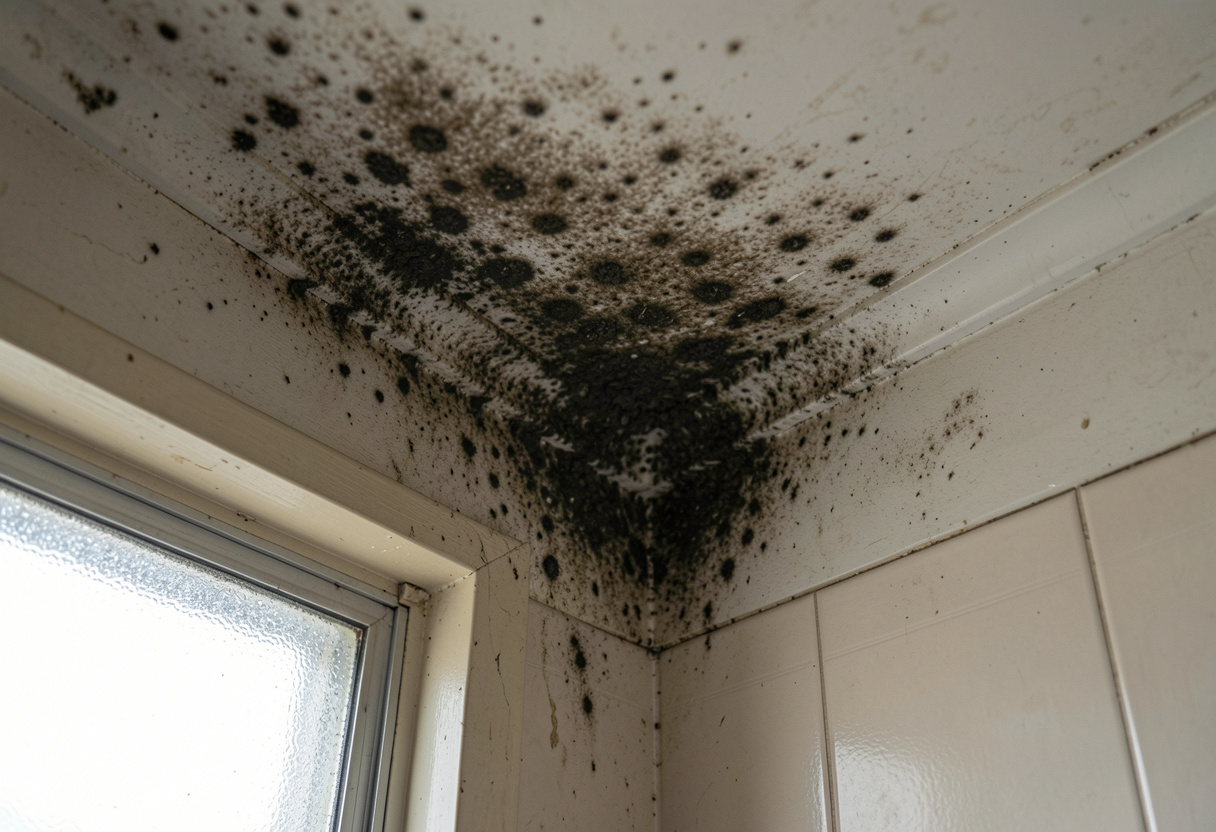
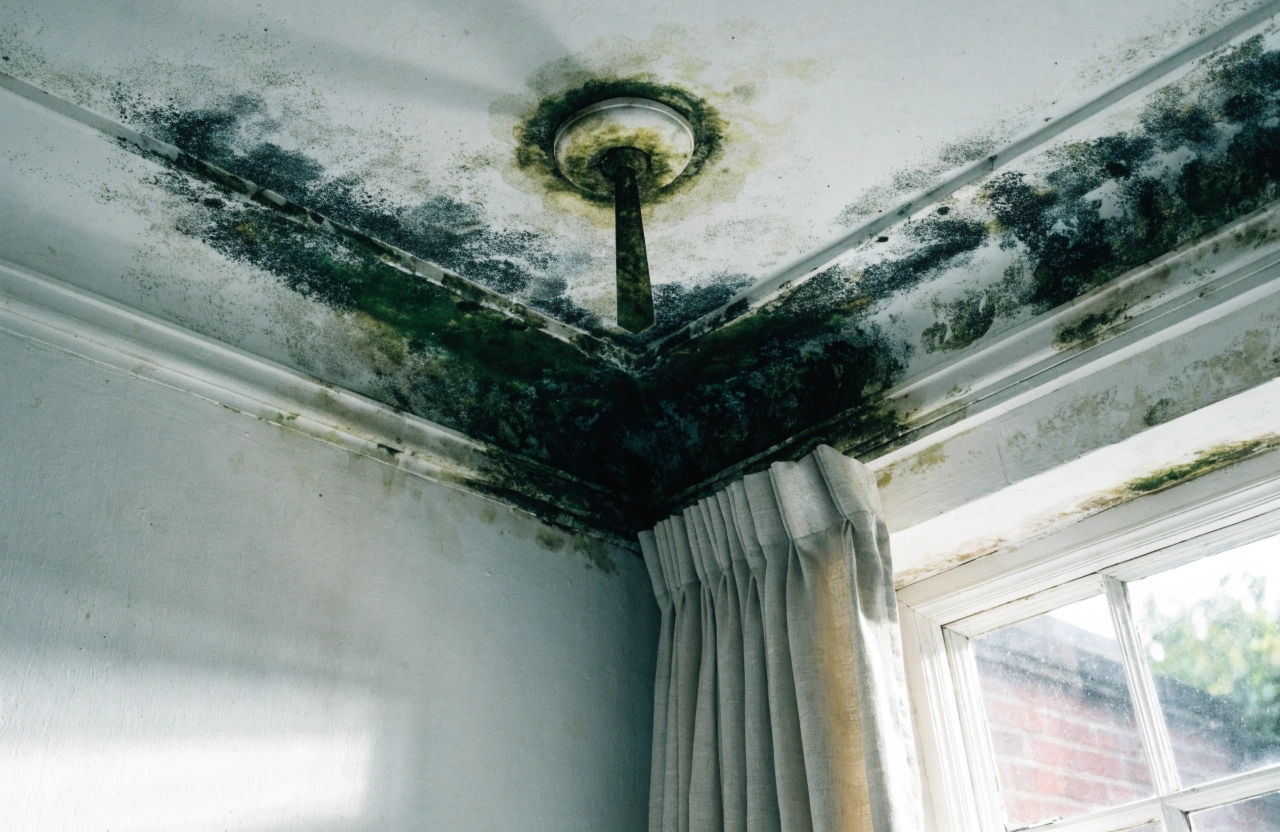
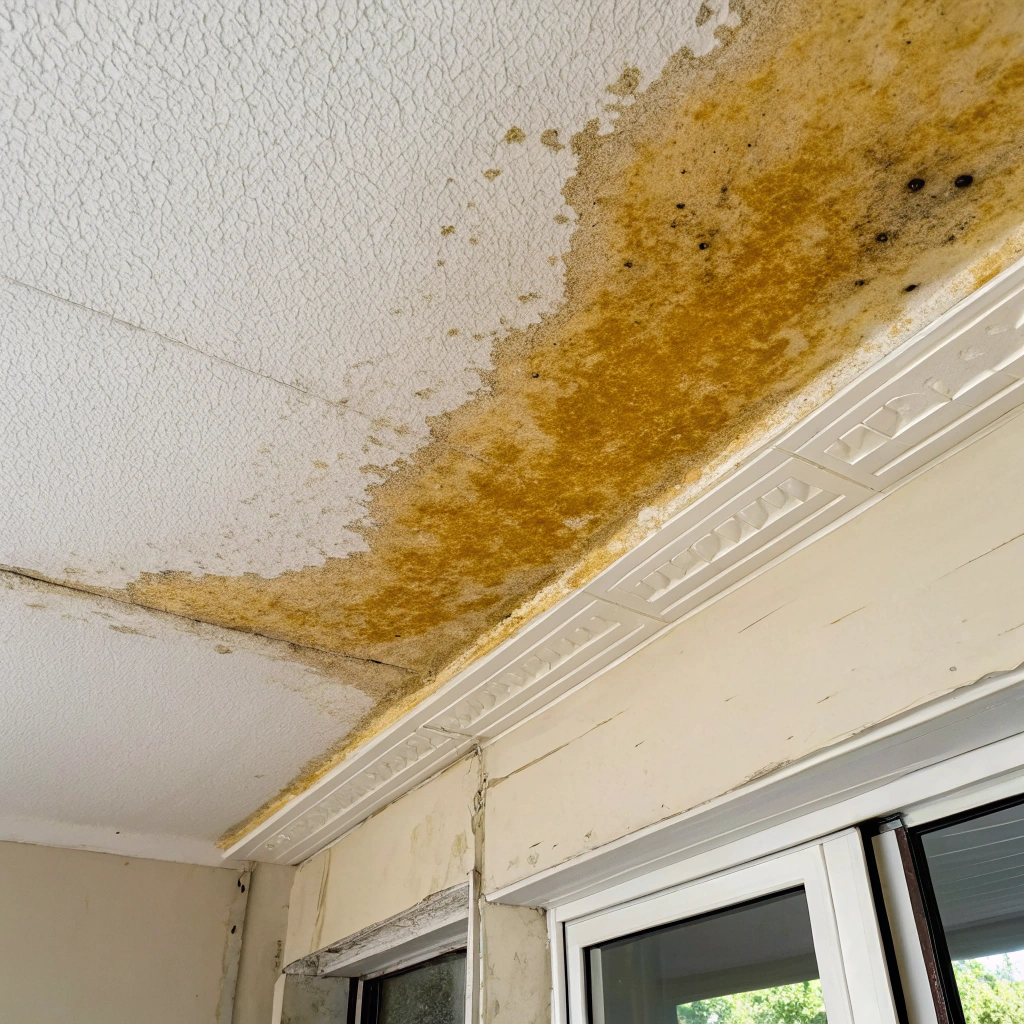
If you’ve had your roof or rendered walls pressure washed before and watched the mould creep back within a few months, you’re not alone. It’s one of the most common frustrations we hear from Central Coast homeowners — and the reason is simple. Pressure washing doesn’t kill mould. It just knocks it off the surface temporarily, leaving the root system behind to regrow.
Soft washing for mould on the Central Coast works differently. It’s a low-pressure, chemical-led cleaning method that delivers biocidal solutions directly into the surface, killing biological growth at the root — not just washing it away. For the rendered homes, tiled roofs, timber cladding, and painted masonry that make up the majority of Central Coast properties from Gosford to Wyong, soft washing is the technically correct exterior mould removal method. Not the aggressive option. The right one.

Why Pressure Washing Gets Mould Wrong — And What Soft Washing Does Instead
How the Soft Washing Process Works
Environmental Considerations for Central Coast Properties
The Central Coast isn’t just a humid region — it’s an environmentally sensitive one. Tuggerah Lake, Brisbane Water, Lake Munmorah, and the coastal bushland corridors that run through suburbs from Terrigal to Budgewoi mean that how cleaning chemicals are managed on your property genuinely matters.
Soft washing chemicals require responsible handling and appropriate neutralisation or dilution before surface runoff reaches garden beds, lawns, or drainage systems. Professional soft washing operators manage this through appropriate application technique, surface pre-wetting, and post-wash rinse protocols specifically designed to protect surrounding vegetation and drainage infrastructure.
This isn’t just good practice — it’s a genuine differentiator from DIY chemical application, where the same sodium hypochlorite-based products are often applied without any of the runoff management protocols that protect your garden, your lawn, and the waterways your street drains into.
Surface Types Where Soft Washing Makes the Biggest Difference on Central Coast Properties
Rendered External Walls — Painted and Unpainted: Soft washing treats mould and algae deep within rendered surfaces without causing the erosion and damage often associated with high-pressure cleaning.
Terracotta and Concrete Roof Tiles: Low-pressure treatment effectively removes mould, algae, and lichen while protecting roof tile coatings and helping preserve the lifespan of the roof.
Timber Cladding, Weatherboards, and Fascia: Soft washing cleans timber surfaces thoroughly without forcing moisture into the material, helping protect paint finishes and reduce the risk of surface damage.
Painted Masonry and Brick Surfaces: This method removes biological growth from both the surface and mortar joints while preserving paint adhesion and maintaining the integrity of the wall.
Fencing, Pergolas, and Outdoor Timber Structures: Soft washing provides a safe, effective clean for outdoor structures, removing mould and grime without the surface wear and damage caused by pressure washing.
Post-Soft-Wash Protective Treatments That Extend Your Results
Hydrophobic Surface Sealers: Hydrophobic sealers applied after soft washing reduce moisture retention on treated surfaces, limiting the recolonisation conditions that biological growth needs to take hold again. Less moisture sitting on the surface means a slower return of mould, algae, and lichen — and a longer gap between required treatments.
Extended Protection on Roofs and Rendered Walls: On roof tiles and rendered walls in particular — the two surface types on Central Coast properties that see the heaviest biological growth year-round — a post-wash sealer treatment can extend the clean period from the standard twelve to twenty-four months to a substantially longer interval. For a property owner looking to reduce the cost and disruption of regular exterior maintenance, that extended protection represents real, measurable value.
Soft Washing for Strata and Body Corporate Properties on the Central Coast
For strata managers and body corporate committees on the Central Coast, the external surfaces of common property — rendered building facades, roof areas, car park surfaces, and pathways — represent a significant shared asset that requires the right maintenance approach, not just the cheapest one.
Pressure washing common property facades and roof areas creates a surface damage liability that compounds with every treatment. Over a ten or fifteen year maintenance cycle, the cumulative erosion of render texture, tile coatings, and painted surfaces from repeated high-pressure cleaning represents a real and largely avoidable capital expenditure problem. Scheduled soft washing of common property external surfaces is the technically appropriate maintenance method that protects those asset values while avoiding the surface damage that pressure washing creates.
Ready to Get Rid of Mould on Your Central Coast Property — For Good?
If you’re tired of watching mould come back every season, or you’ve had enough of cleaning methods that damage the very surfaces they’re supposed to protect, soft washing is the answer your property’s been waiting for.
We service properties across the Central Coast — from Gosford, Terrigal, and Avoca Beach in the south, through Woy Woy, Umina Beach, and Ettalong, up to The Entrance, Wyong, Tuggerah, and Lake Munmorah in the north. Rendered homes, tiled roofs, timber cladding, strata complexes — if it’s got mould on it, we can treat it properly.
Get a free quote for soft washing on your Central Coast property today.
Frequently Asked Questions About Soft Washing for Mould on the Central Coast
Pressure washing removes mould by physical impact — it knocks biological growth off the surface but leaves the root system intact, so the mould comes back. Soft washing uses a biocidal chemical solution applied at low pressure that kills the growth at the root, including the embedded system underneath the surface. The result lasts significantly longer and doesn’t damage the surface in the process.
On most Central Coast surfaces, soft washing delivers twelve to twenty-four months of residual biocidal protection before retreatment is typically needed. The humid coastal climate, proximity to waterways, and shaded aspects on some properties can influence that timeline — but with a post-wash sealer applied, that protection period can be extended substantially beyond the standard interval.
The biocidal solutions used in professional soft washing require careful handling and managed runoff — they’re not products you’d want applied without proper protocols in place. A professional operator will pre-wet surrounding vegetation, manage application carefully, and rinse down surfaces post-treatment to neutralise residual chemical before it reaches garden beds, lawns, or drainage. Once the rinse is complete and the surface has dried, treated areas are safe for pets and family.
Soft washing is the preferred method for rendered walls, terracotta and concrete roof tiles, timber cladding and weatherboards, painted masonry and brick, and outdoor timber structures like fencing and pergolas. Essentially any surface where the physical impact of pressure washing would cause damage — which on most Central Coast properties is the majority of external surfaces.
Yes — and it’s not a close comparison. Roof tile glazes and surface coatings are damaged by high-pressure water impact, and the lichen that’s common on Central Coast roofs has a root system that penetrates into the tile surface itself. Pressure washing won’t kill that lichen — it’ll just remove the visible growth temporarily. Soft washing kills it chemically, protects the tile surface from physical damage, and delivers a result that lasts. For any tiled roof on the Central Coast, soft washing is the correct method.
