
Expert Exterior House Washing and Mould Treatment on the Central Coast
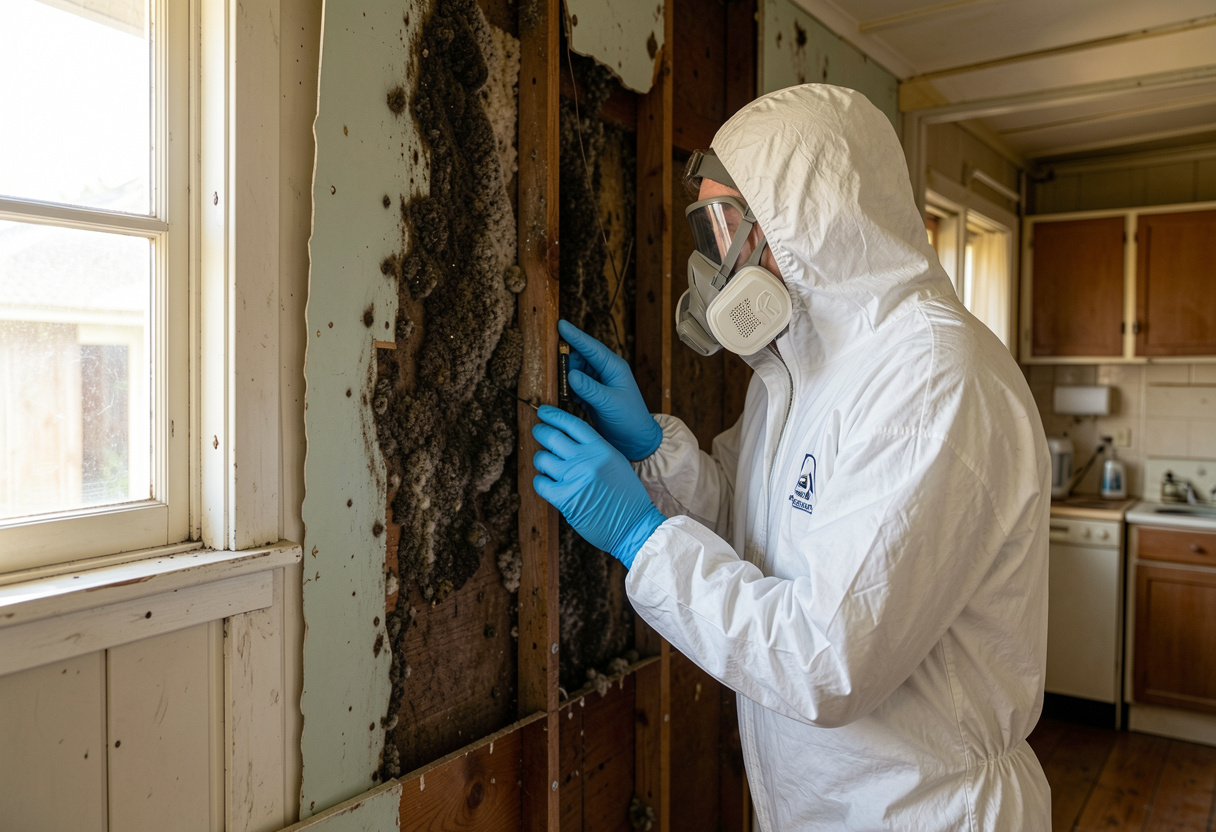
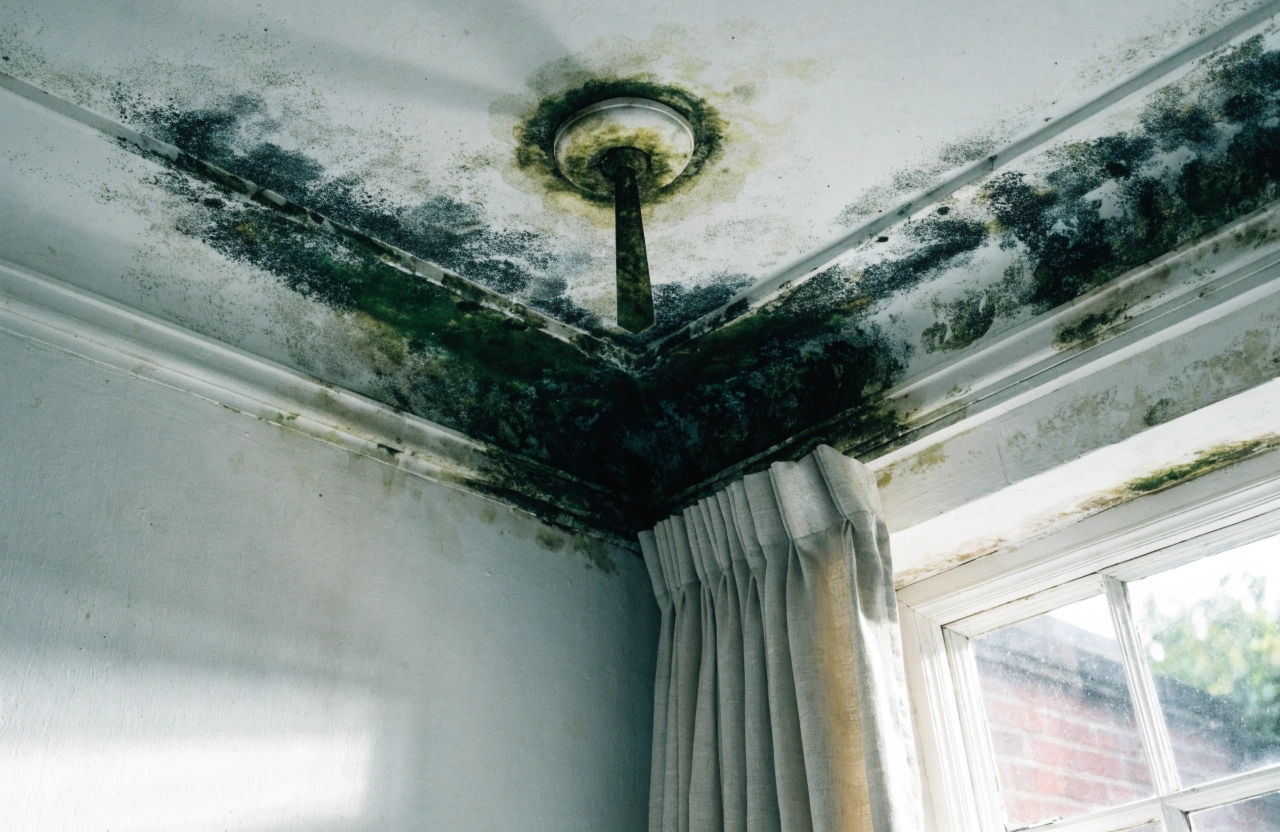
Exterior mould removal on the Central Coast isn’t a once-every-few-years problem — it’s a year-round reality for most property owners in this region. The combination of high coastal humidity, heavy summer rainfall, salt air exposure, and limited solar drying on south-facing or shaded walls means rendered surfaces, roof tiles, timber cladding, paving, and fencing are constantly fighting a losing battle against mould, algae, and lichen.
Left alone, what starts as surface discolouration works its way into the render, the timber, the tile — quietly degrading the materials underneath while making your property look like it hasn’t been touched in years. We provide professional exterior mould removal services across the Central Coast, treating and cleaning biological growth from all external building surfaces safely, without the surface damage that pressure washing causes.

Exterior Surfaces We Treat on the Central Coast
Why Pressure Washing Isn't the Answer
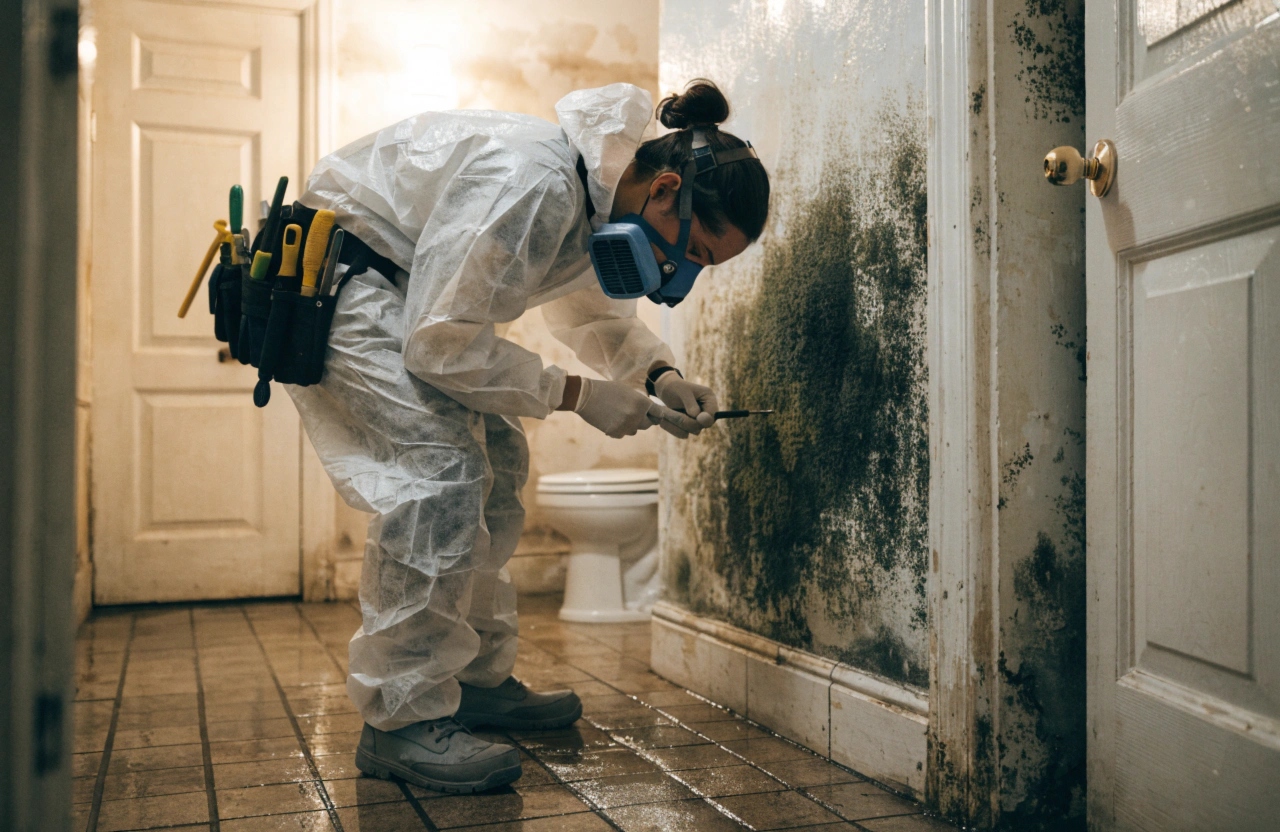
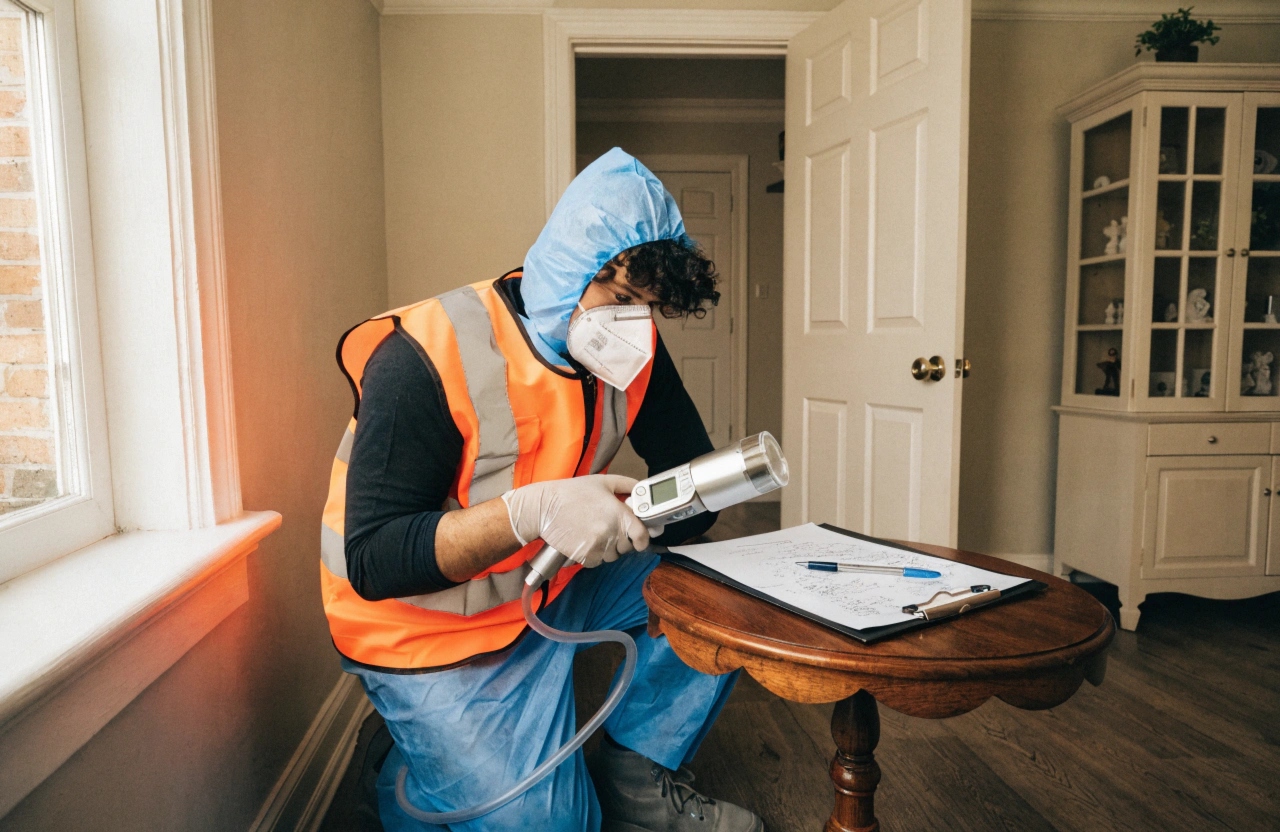
What Exterior Mould Does to Your Property Value
Visible biological growth on external walls, roofing, and paving is one of the most immediate negative signals a property can send. To a potential buyer walking up the driveway, or a prospective tenant doing a drive-by, a mould-covered exterior reads as poor maintenance, potential moisture problems, and a property that hasn’t been looked after. That impression forms in seconds and is very hard to undo.
Professional exterior mould removal before a sale campaign, before a rental re-letting, or as part of a scheduled maintenance program restores the property’s external presentation and protects the surface materials from the accelerated degradation that biological colonisation drives over time. On the Central Coast, where the climate works against you year-round, staying ahead of exterior mould isn’t cosmetic vanity — it’s basic asset protection.
Soft Washing — The Professional Technique for Central Coast Properties
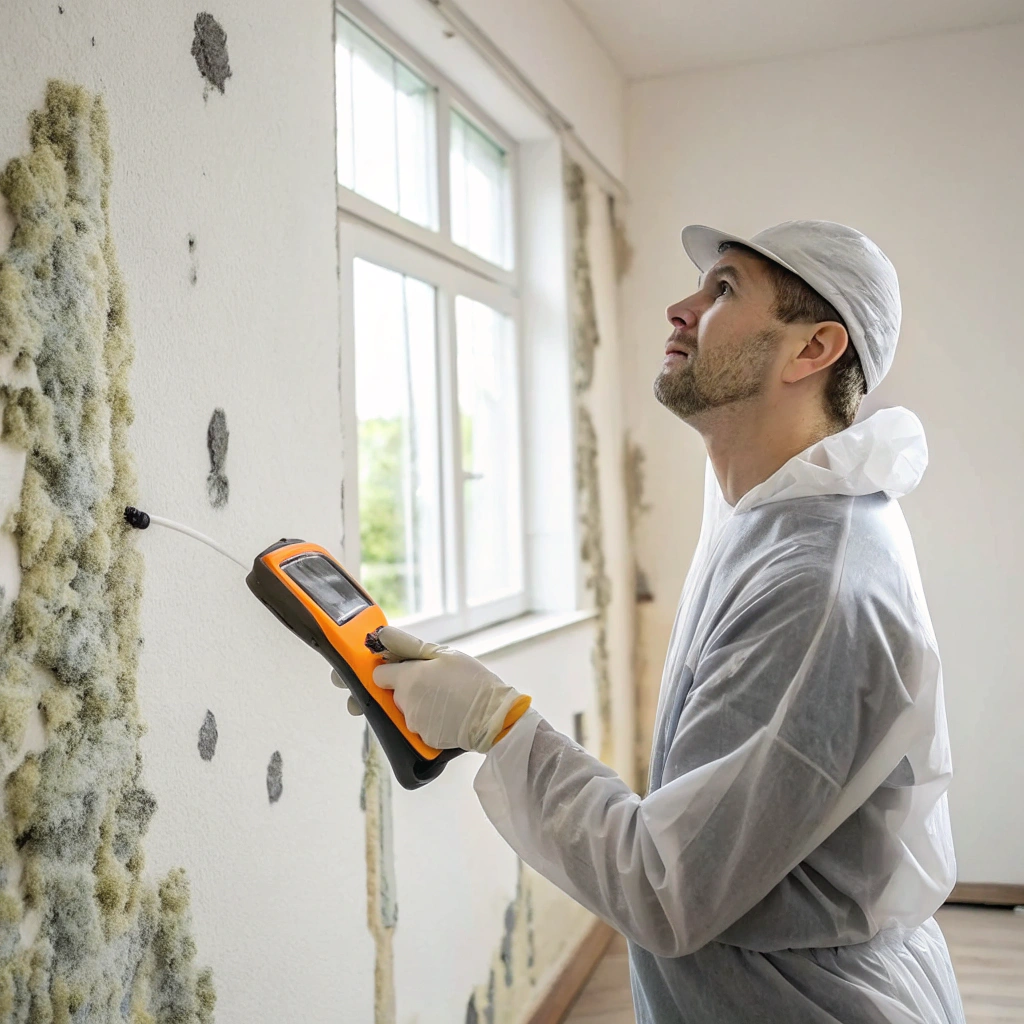
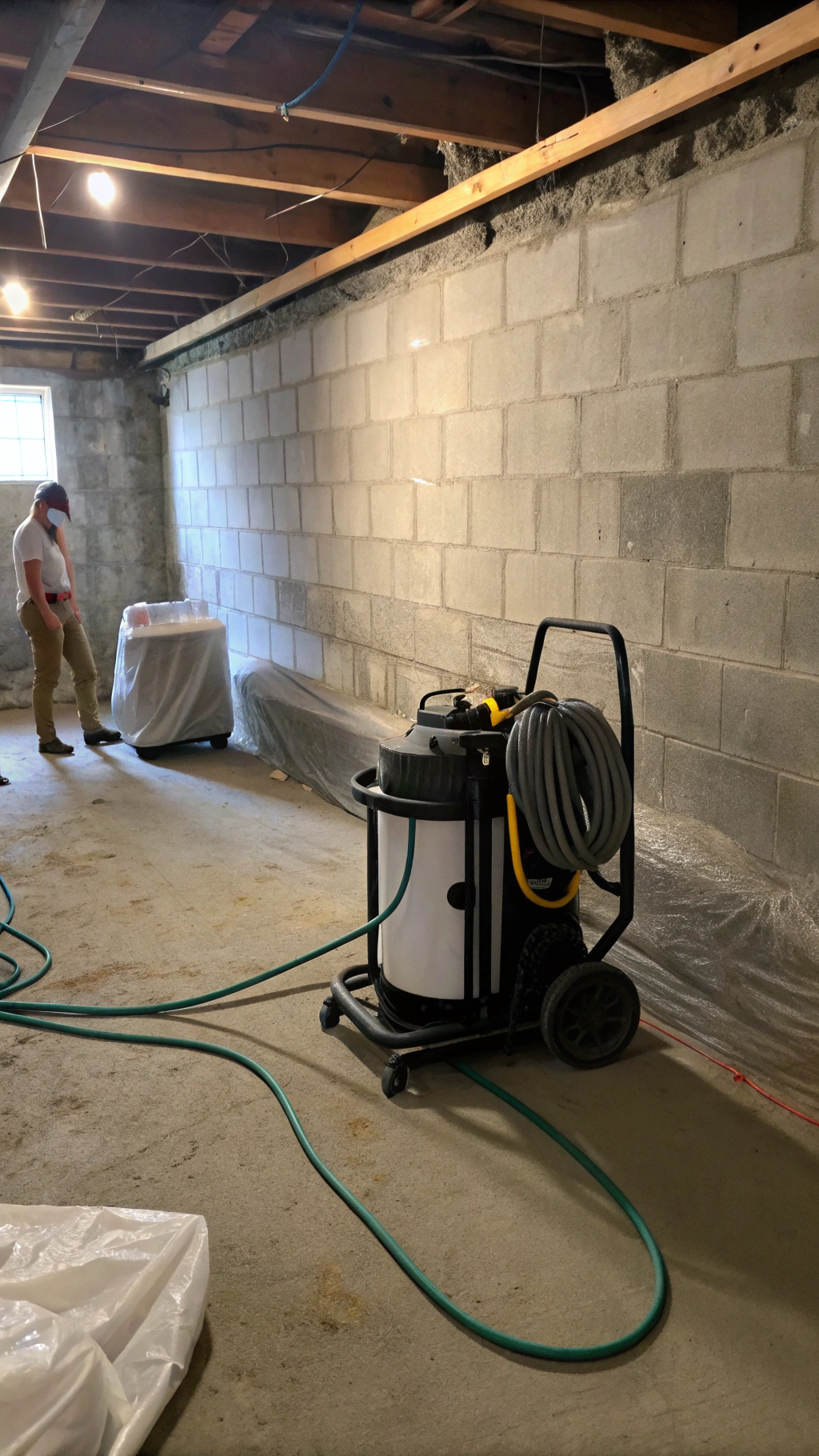
Soft washing is the preferred professional method for exterior mould removal on the Central Coast, and there’s a straightforward reason for that. It uses low-pressure water delivery — pressures closer to a garden hose than a pressure washer — combined with specialist biocidal cleaning solutions that do the removal work chemically rather than mechanically.
The result is thorough removal of mould, algae, and lichen from treated surfaces without the physical damage that high-pressure washing causes on aged render, painted surfaces, and roof tiles. For a region like the Central Coast — where a significant proportion of housing stock dates to the 1960s through 1990s and external surfaces are already dealing with years of coastal weathering — that distinction genuinely matters.
There’s another advantage worth knowing about. The biocidal residual left on surfaces after soft washing provides extended protection against recolonisation. Pressure washing leaves no residual protection at all — the surface is wet and exposed the moment the washer is turned off. Soft washing treated surfaces stay protected for considerably longer, which means less frequent treatment and better long-term value.
Strata & Body Corporate Properties on the Central Coast
Exterior common property surfaces — external walls, roof areas, car park surfaces, pathways, and boundary fencing — are the owners corporation’s responsibility to maintain, and they’re exactly the surfaces where biological growth takes hold fastest.
Scheduled exterior mould removal as part of a strata building maintenance program protects common property asset values, maintains building presentation standards, and reduces the long-term cost of surface material replacement by addressing biological growth before it causes structural surface damage. A strata building that presents well holds its lot values better, attracts better tenants, and avoids the much larger remediation costs that come with years of untreated biological colonisation on rendered facades and roofing.
Strata & Body Corporate Properties on the Central Coast
Removing the mould is step one. Keeping it away for longer is step two. Following exterior mould removal, we offer biocidal surface sealers and water repellent coatings that extend the period before recolonisation occurs and reduce the moisture retention that drives future growth.
These protective treatments are particularly valuable on north and south facing rendered walls, roof tile surfaces, and timber cladding — surfaces where ongoing moisture exposure creates persistent recolonisation risk on the Central Coast. It’s not a permanent fix — nothing is in this climate — but it’s the most effective way to extend the results of your treatment and reduce the frequency of retreatment over time.
Get a Free Quote for Exterior Mould Removal on the Central Coast
If the outside of your property is showing signs of mould, algae, or lichen — on the walls, roof, timber, paving, or fencing — the longer you leave it, the deeper it gets. We treat and clean external building surfaces across the Central Coast, from Gosford and Terrigal down to Woy Woy and Umina Beach, up through Wyong, The Entrance, and Lake Munmorah.
Call us today for a free quote and let’s get your property looking the way it should.
Frequently Asked Questions About Exterior Mould Removal Central Coast
Results vary depending on the surface type, aspect, and how much shade or moisture exposure the area gets. On most Central Coast properties, treated surfaces stay clean for 12 to 24 months before biological regrowth becomes visible. South-facing walls and surfaces under heavy vegetation canopy will recolonise faster than north-facing or open surfaces. Post-treatment protective coatings can extend that window considerably.
No — and on many surfaces, pressure washing actively makes the problem worse over time. It removes surface growth without killing the biological root system, leaves no residual protection, and on aged render, painted cladding, and roof tiles it causes surface damage that creates new moisture retention points. Professional treatment using biocidal products and soft washing techniques removes the growth properly and leaves a residual that slows recolonisation.
Yes, over time. On rendered walls, biological growth penetrates the paint film and colonises the render surface, eventually compromising the coating’s adhesion and integrity. On roof tiles, lichen colonisation retains moisture against the tile and causes surface spalling that accelerates tile degradation. On timber cladding, mould penetration combined with moisture retention drives timber decay and paint failure. The longer it’s left, the deeper the damage goes.
For most Central Coast properties, a treatment cycle of every 12 to 24 months is appropriate — more frequently for heavily shaded properties, waterfront homes, or properties with significant vegetation canopy contact. Strata and body corporate properties typically benefit from a scheduled annual treatment program as part of routine building maintenance.
Standard home insurance policies generally don’t cover routine exterior mould removal as it’s considered a maintenance issue rather than sudden damage. However, where exterior biological growth has resulted from or contributed to water damage — particularly following a storm event or flooding — there may be grounds for a claim depending on your specific policy. Strata insurance policies vary significantly. We recommend reviewing your policy details directly with your insurer, and we can provide documentation of the treatment and surface condition to support any claim you make.
