
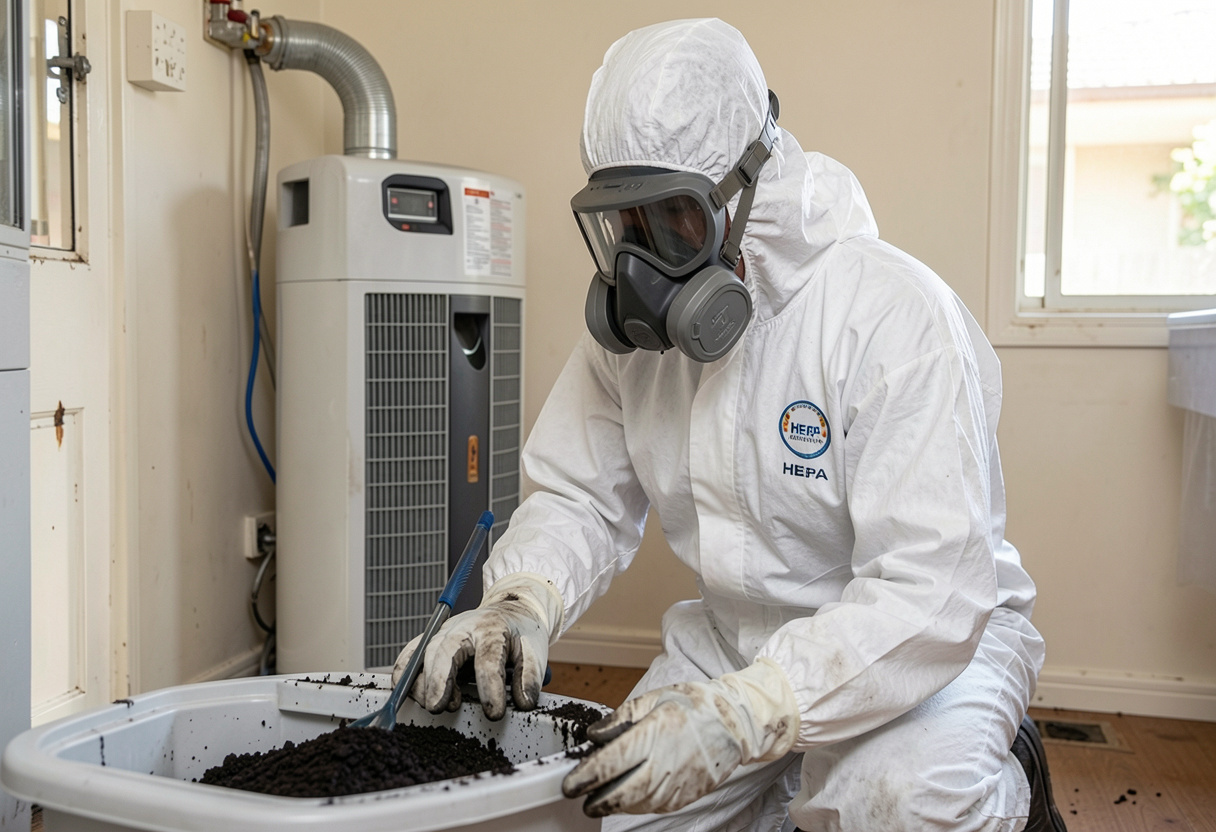
Why Mould Damage Goes Deeper Than the Surface
What’s visible on the surface of a mould-affected property is rarely the full picture. A dark patch on a bathroom ceiling or a musty smell coming from a bedroom wall are symptoms — the actual damage is almost always further in. On the Central Coast, where homes regularly absorb coastal humidity, summer rainfall events, and flood water ingress, moisture finds its way into wall cavities, ceiling spaces, subfloor voids, and insulation batts long before it announces itself on a painted surface.
By the time a homeowner, landlord, or strata committee identifies a mould problem serious enough to call in a remediation team, the structural and cosmetic damage behind that surface is frequently well advanced. Plasterboard softens and loses structural integrity. Insulation batts become saturated and biologically compromised. Timber framing absorbs moisture over months or years. None of these materials responds to surface treatment — they require assessment, removal, and like-for-like replacement carried out by a team that understands both the building and the contamination it has been through.

Contamination-Aware Building Work — Why It Matters
The risk with post-mould building work is not just what gets repaired — it’s how. A general builder cutting into a mould-affected wall cavity without contamination protocols in place can distribute active spores through the property during demolition, undoing remediation work that has already been completed and reintroducing biological risk into areas of the home that were previously cleared. On the Central Coast, where older housing stock frequently conceals years of accumulated moisture damage behind original wall linings, this is a genuine and common problem.
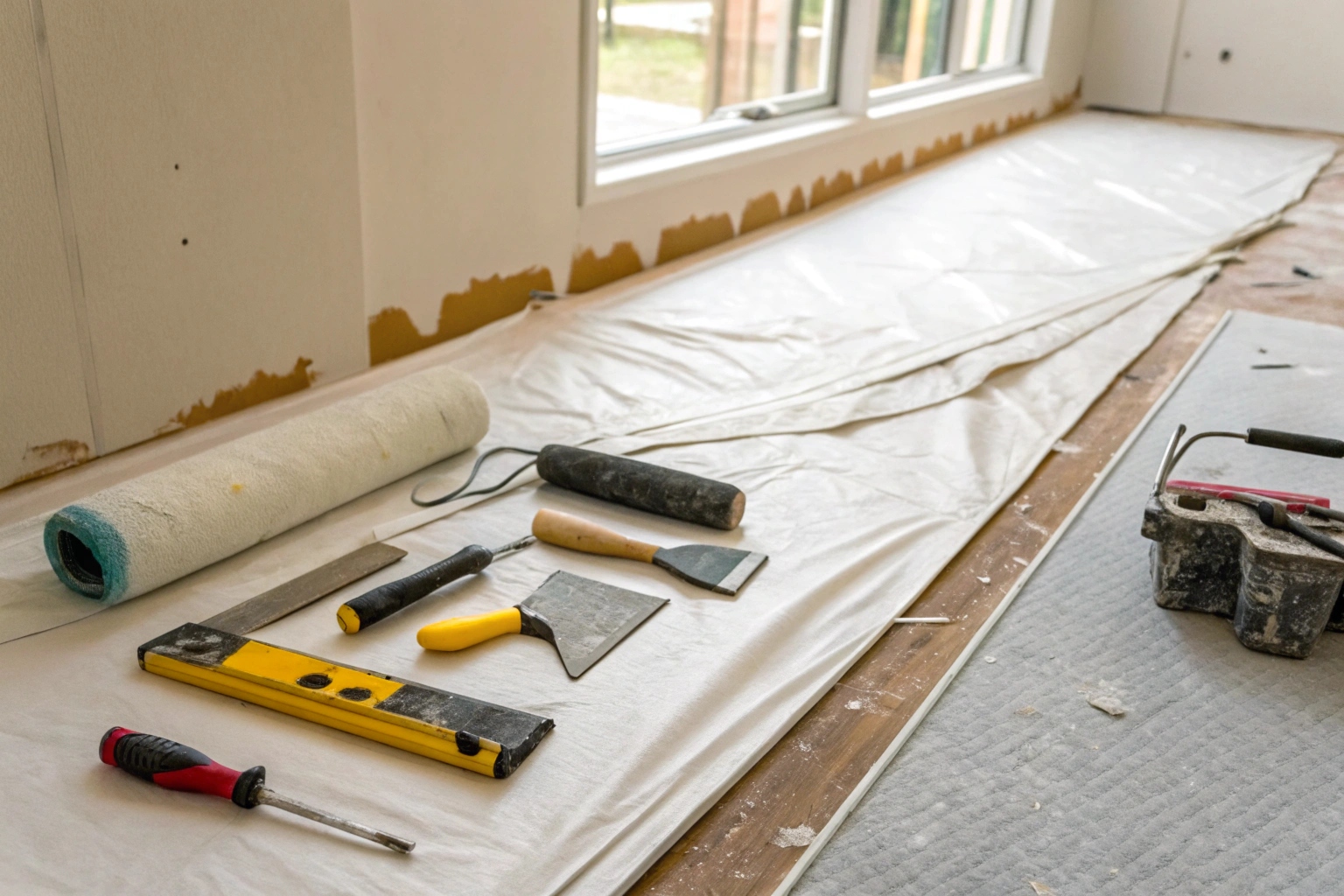
Our team works within established contamination containment protocols throughout every building restoration engagement. That means affected areas are isolated before any demolition begins, removed materials are handled and disposed of correctly, and the rebuild proceeds only once the surrounding environment has been confirmed clear. Every stage of the physical restoration — from plasterboard removal through to insulation replacement and final reinstatement — is carried out with full awareness of the mould contamination history of the property and what that requires from the team doing the work.
What Gets Replaced and What Gets Retained
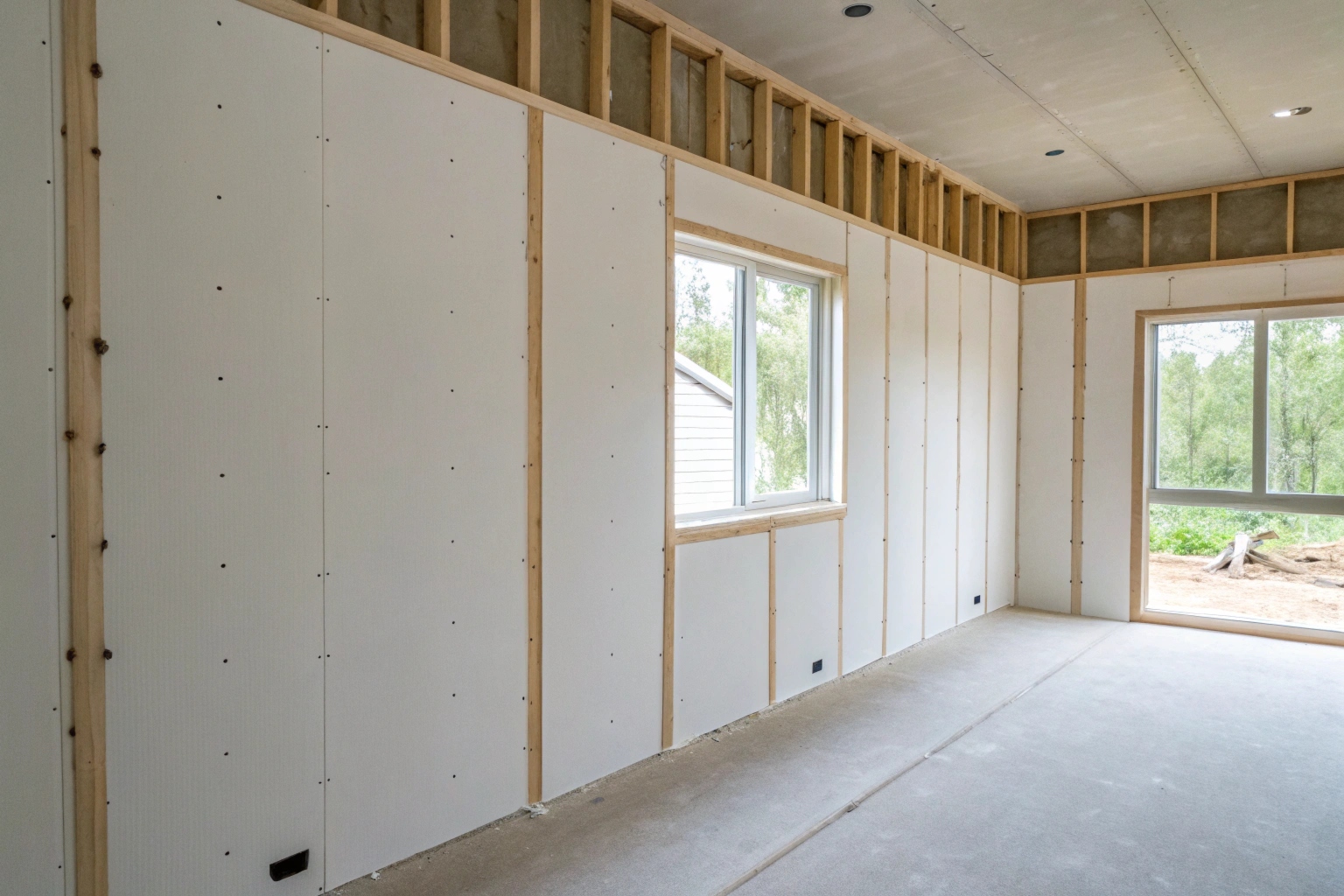
One of the most important decisions in any post-mould building restoration is determining which materials come out and which can stay. It’s not always as straightforward as replacing everything that was visibly affected — and it’s never as simple as retaining everything that looks clean. Moisture migration doesn’t follow visible boundaries, and materials that appear undamaged on the surface can carry contamination levels that make retention inappropriate.
As a general guide, plasterboard that has been wet for any significant period is almost always replaced — it is a porous, paper-faced material that absorbs moisture deeply and provides an ideal substrate for mould growth even after drying. Insulation batts in a mould-affected cavity are replaced as standard. Timber framing is assessed on a case-by-case basis — structurally sound timber that has been properly treated may be retained, while framing showing active decay or deep mould penetration is removed. Every Central Coast restoration we carry out begins with a thorough material assessment before a single tool is picked up.
How Restoration Connects to Long-Term Mould Prevention
Building restoration done properly is not just about returning a property to its pre-damage condition — it’s an opportunity to address the underlying conditions that allowed mould and moisture damage to occur in the first place. A property rebuilt to the same standard it was before, without any attention to ventilation, moisture barriers, drainage, or material selection, is a property that is likely to face the same problems again within a few seasons.
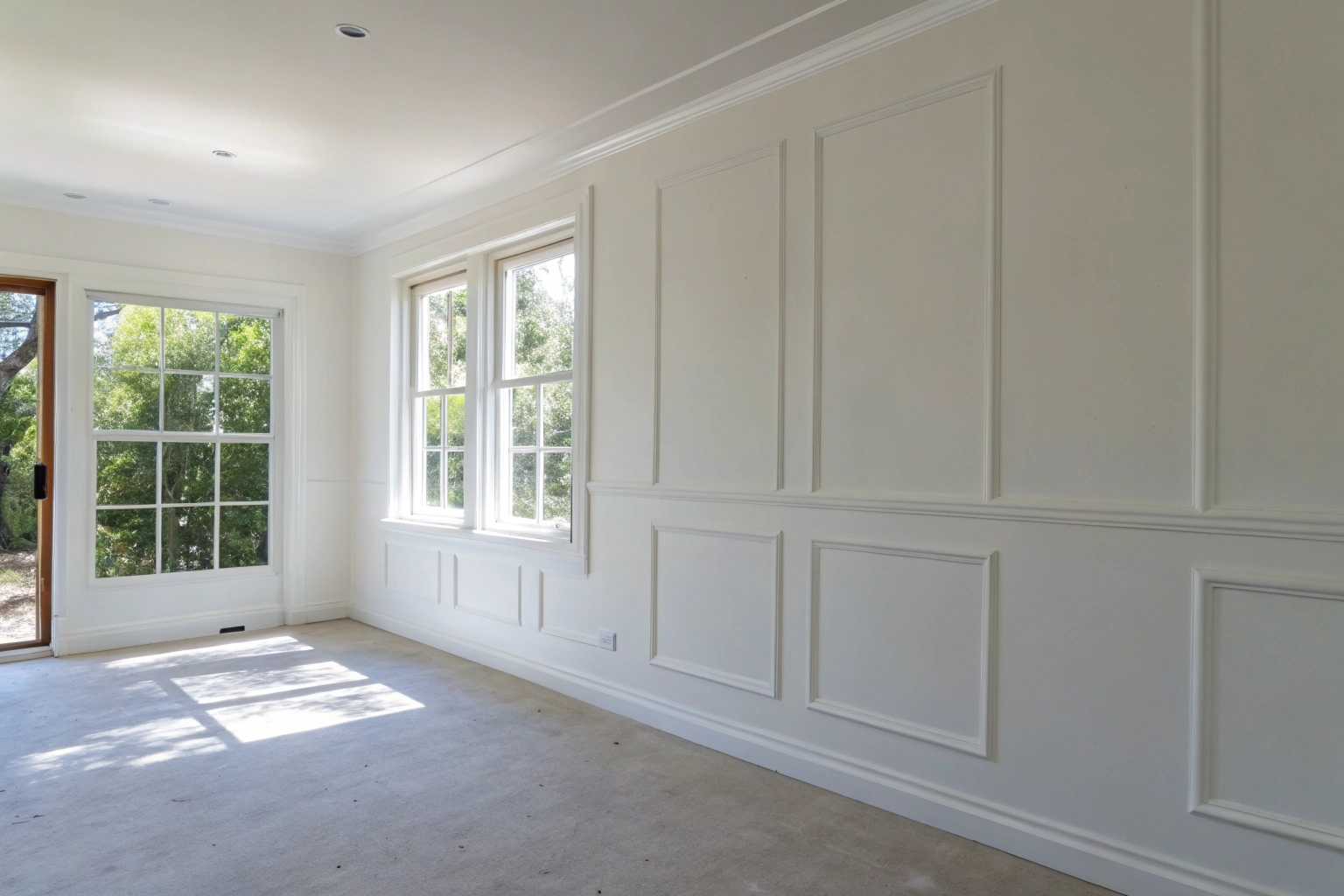
On the Central Coast, where coastal humidity, seasonal rainfall, and ageing building stock create persistent moisture pressure on residential and commercial properties, the rebuild phase is the most practical point at which to introduce upgraded materials, improved vapour barriers, better subfloor ventilation, and surface treatments specifically rated for high-humidity environments. These decisions cost relatively little at the point of restoration and deliver significant long-term value.
Our building restoration service is designed with this connection in mind. Every job we complete is scoped not just to reinstate what was there, but to leave the Central Coast property in a condition that is measurably more resistant to mould recurrence than it was before the damage event occurred.
Assessment to Completion — How We Scope a Restoration Job
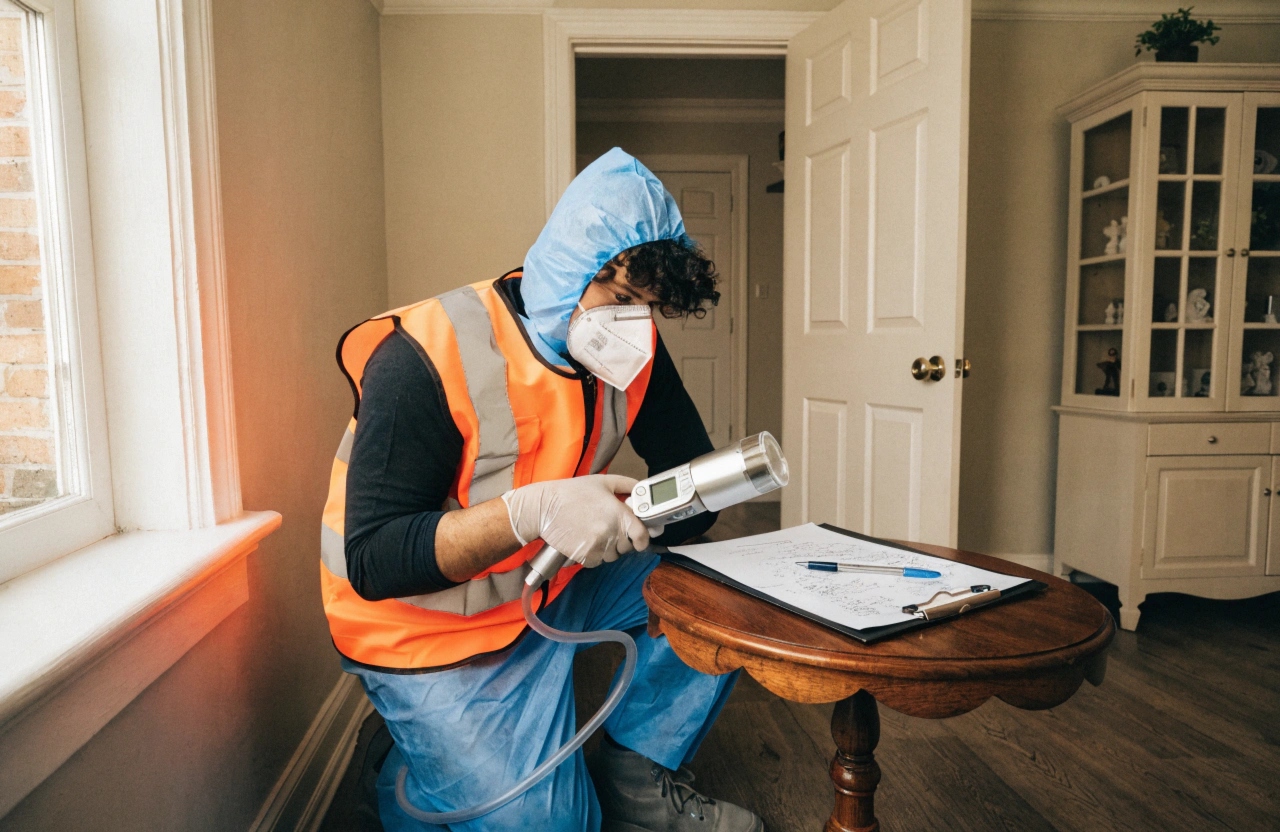
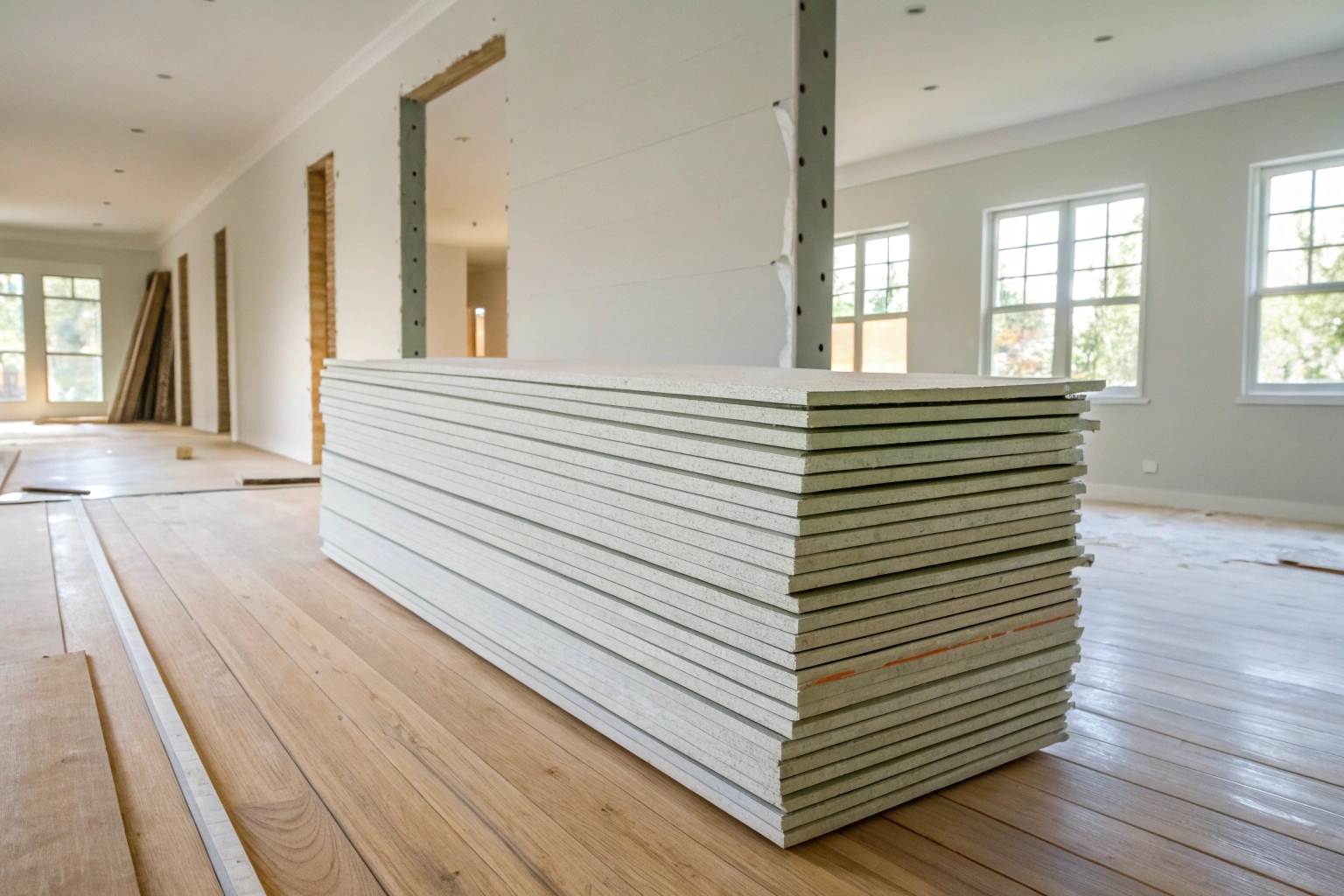
Every building restoration engagement on the Central Coast begins with a thorough assessment — not a quick visual inspection, but a methodical review of the property that maps moisture migration pathways, identifies all affected materials, and establishes a clear picture of what the rebuild requires before any work is quoted or scheduled. This stage is where the difference between a specialist and a general builder becomes most apparent.
From the assessment, we develop a detailed restoration scope that covers every phase of the job — contamination containment, demolition of affected materials, like-for-like or upgraded replacement, surface reinstatement, and where relevant, exterior treatment and preventative upgrades. The scope is presented clearly so that homeowners, landlords, and property managers know exactly what is being done, in what order, and why.
Work proceeds in a sequenced manner that protects already-remediated areas of the property throughout the physical restoration. On completion, a final clearance inspection confirms the property has been restored to the required standard — giving homeowners, strata committees, and rental property owners the documented outcome they need for their own records, insurance purposes, or NSW tenancy compliance.
Frequently Asked Questions — Building Restoration After Mould
In most cases, yes. Plasterboard is a porous material that absorbs moisture deeply. Once mould contamination has established within the board, surface treatment is ineffective — full replacement is the only reliable solution.
Soft washing uses low-pressure water combined with specialist cleaning solutions to treat exterior mould without damaging render, cladding, or roofing materials. Pressure washing at high settings can force moisture into surfaces and cause further damage.
No. Once insulation batts have been saturated and mould-contaminated, they cannot be effectively treated in place. Replacement is standard practice — retained contaminated insulation continues to off-gas and present a biological risk inside the wall cavity.
A strata mould prevention program involves scheduled inspections of common areas, high-risk cavities, and shared infrastructure on a regular cycle — identifying early-stage moisture issues before they develop into full remediation and restoration events.
Our assessment maps moisture migration pathways, identifies all affected materials, and establishes a full restoration scope before any work begins. It covers structural, cosmetic, exterior, and preventative requirements across the entire property.
Ready to Move From Remediation to Full Recovery
If your Central Coast property has been through a mould remediation event and you’re now facing the repair and rebuild, we’re the team to call. From plasterboard replacement and insulation removal through to exterior mould treatment, soft washing, and ongoing prevention programs for strata and rental portfolios — we handle the full scope of building restoration after mould damage in-house, without handoffs to third parties who don’t understand the contamination history of the property.
We work with homeowners, landlords, strata committees, and property managers across the Central Coast. If you’re ready to move from remediation complete to fully restored, contact our team today to book your building restoration assessment and get a clear scope of what your property needs.
