
Professional Mould Testing for Central Coast Homes
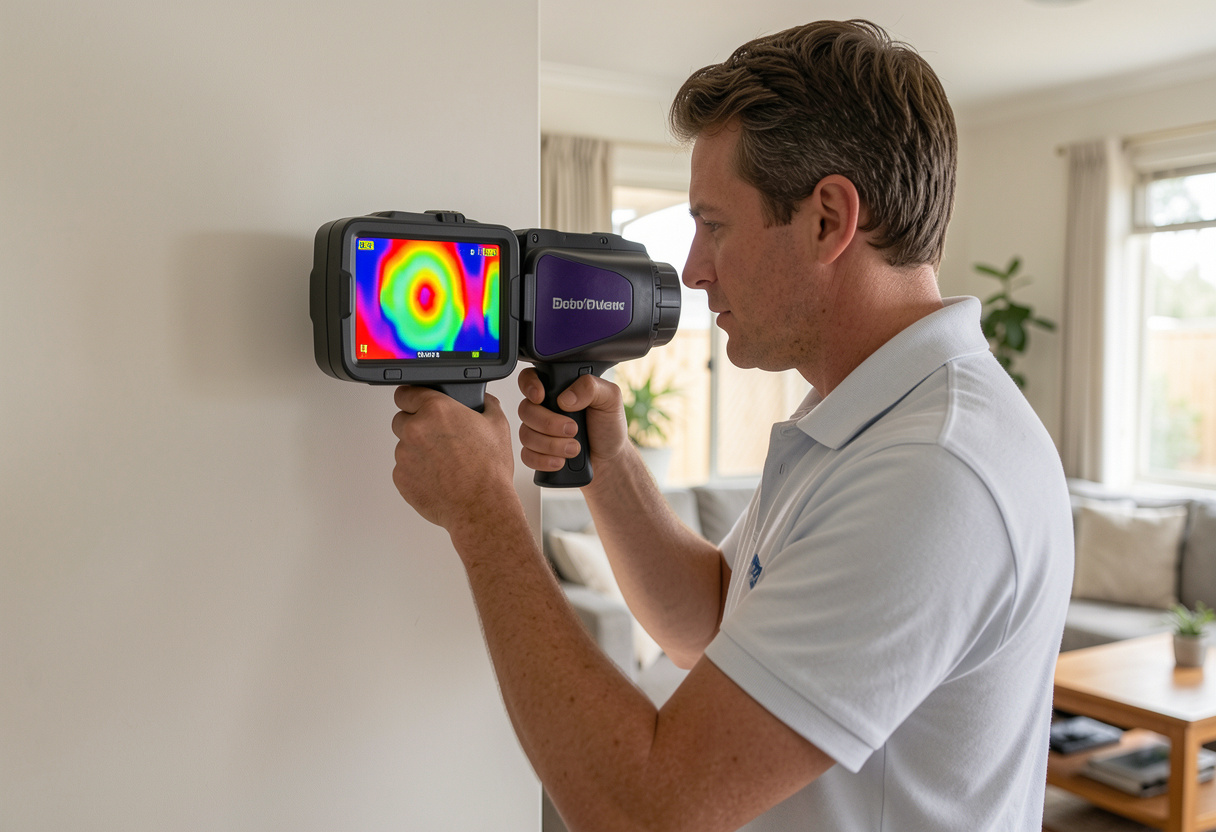
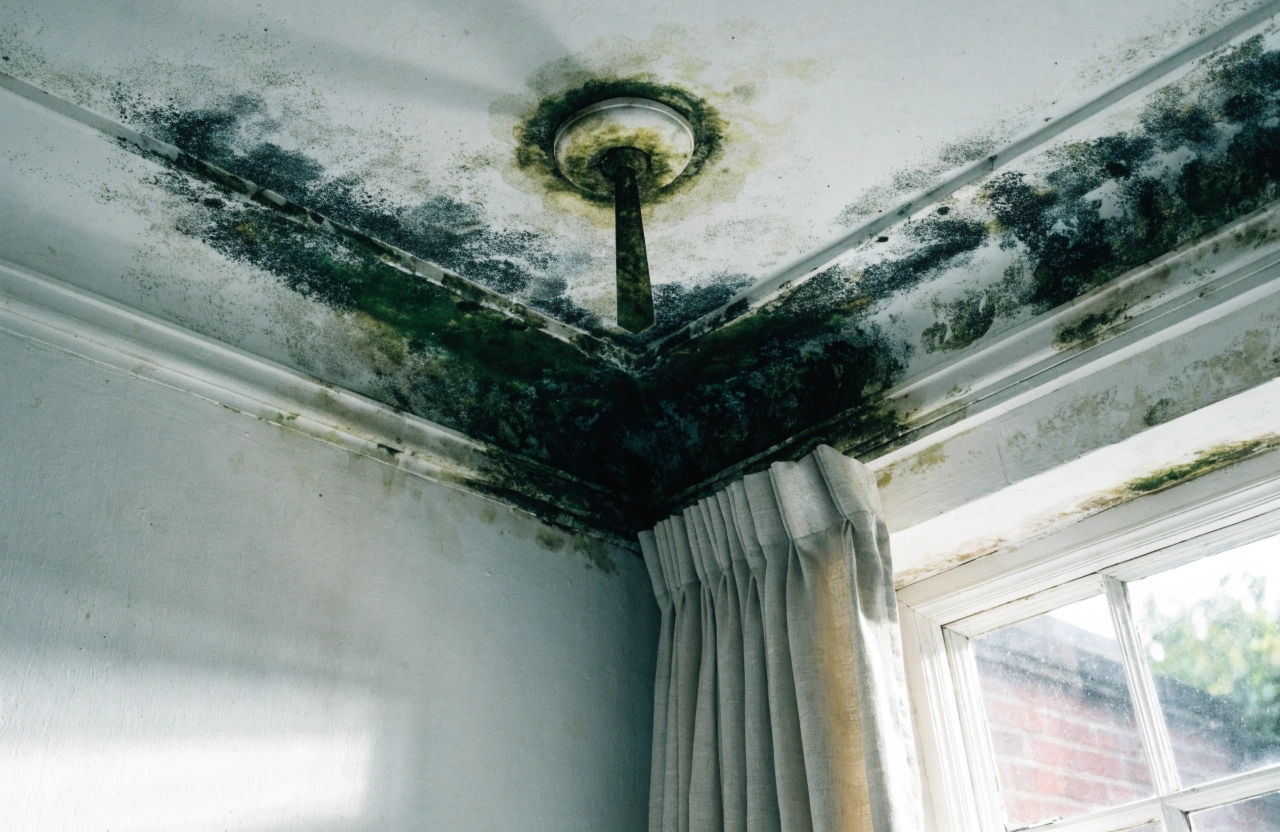
Mould testing gives Central Coast homeowners the facts they’re after when something just doesn’t feel right in their home. Maybe you’ve spotted a dark patch that keeps coming back, or maybe the air feels off and someone in the house can’t shake a cough. You don’t want a guess. You want to know exactly what you’re dealing with. Here’s the thing most people miss — the mould you can see is only part of the story.
Mould spores float through your indoor air invisible, odourless, and they can sit at harmful levels without giving you a single clue something’s wrong. There’s no way to catch that without proper sampling and laboratory analysis. That’s where we come in. We turn suspicion into certainty, giving Central Coast families and property owners real evidence about what’s growing in their home and whether it’s putting their health or their property at risk.

What Mould Testing Actually Involves (And How It's Different From an Inspection)
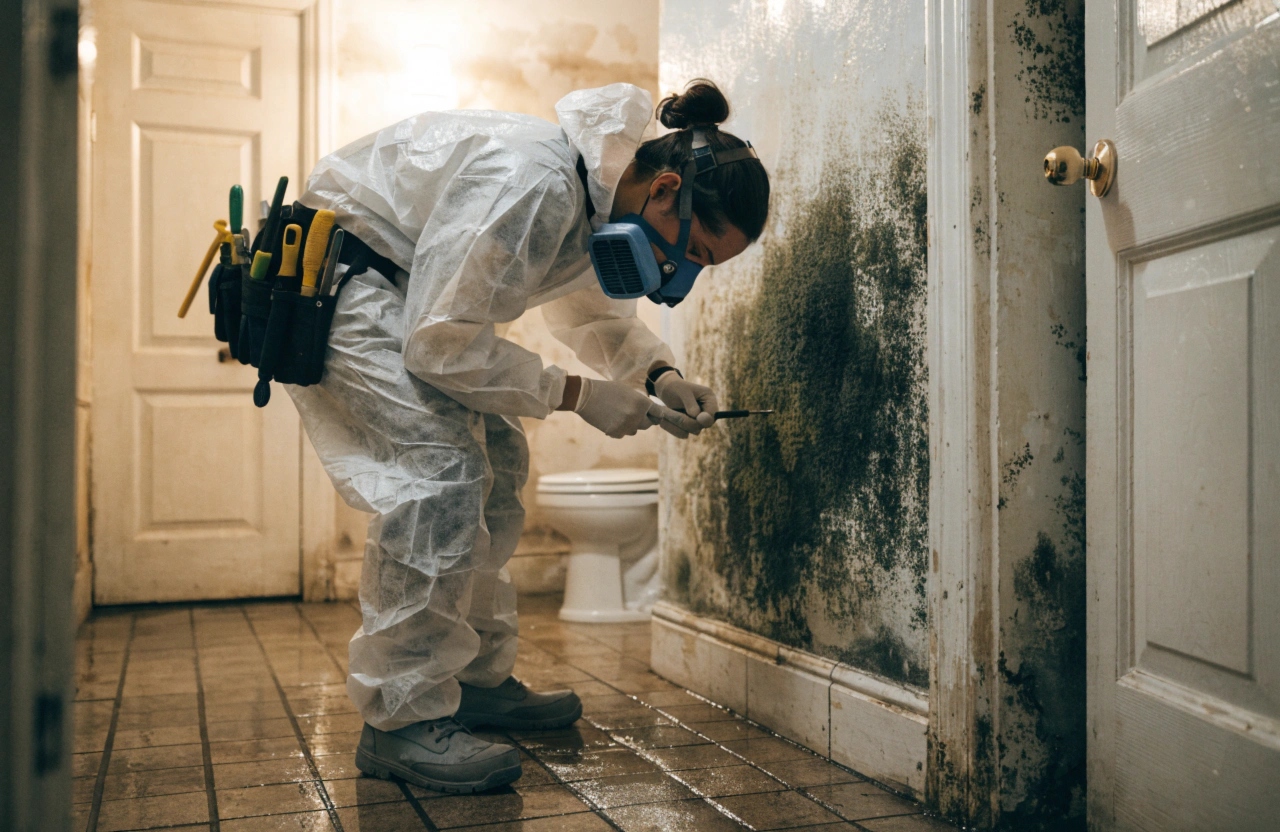
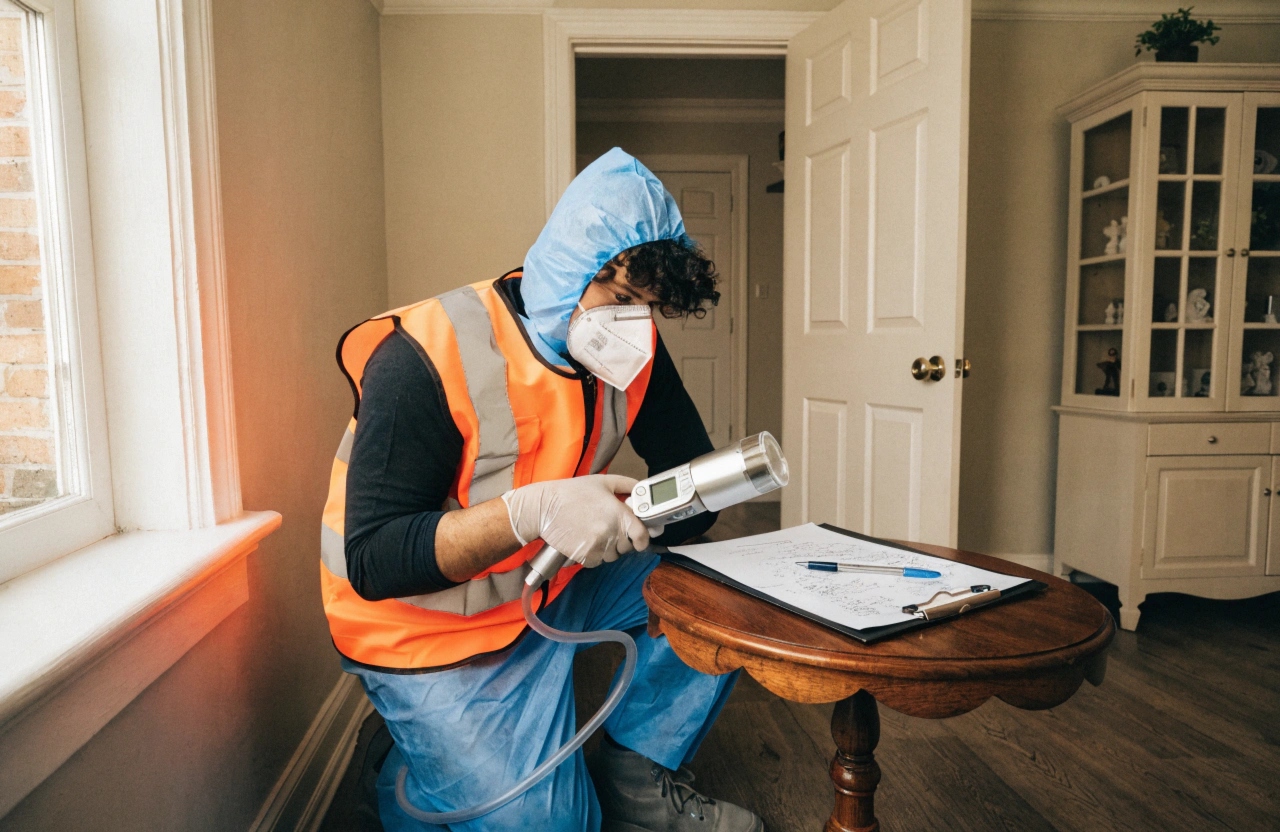
Mould testing gives you the scientific answers a standard inspection can’t. An inspection finds where the mould is and confirms it’s there — testing goes further and tells you what it is, how much of it there is, and whether it’s at a level that puts your health at risk. The two work hand in hand, but they’re not the same job. Here’s what the testing side actually looks like.
The Mould Species We Can Identify
Knowing the species isn’t just academic. Different moulds carry different health risks, they call for different treatment approaches, and they carry different weight when it comes to insurance, tenancy matters, and property sales. The name on the lab report changes what you do next.

When You Should Get Mould Testing Done
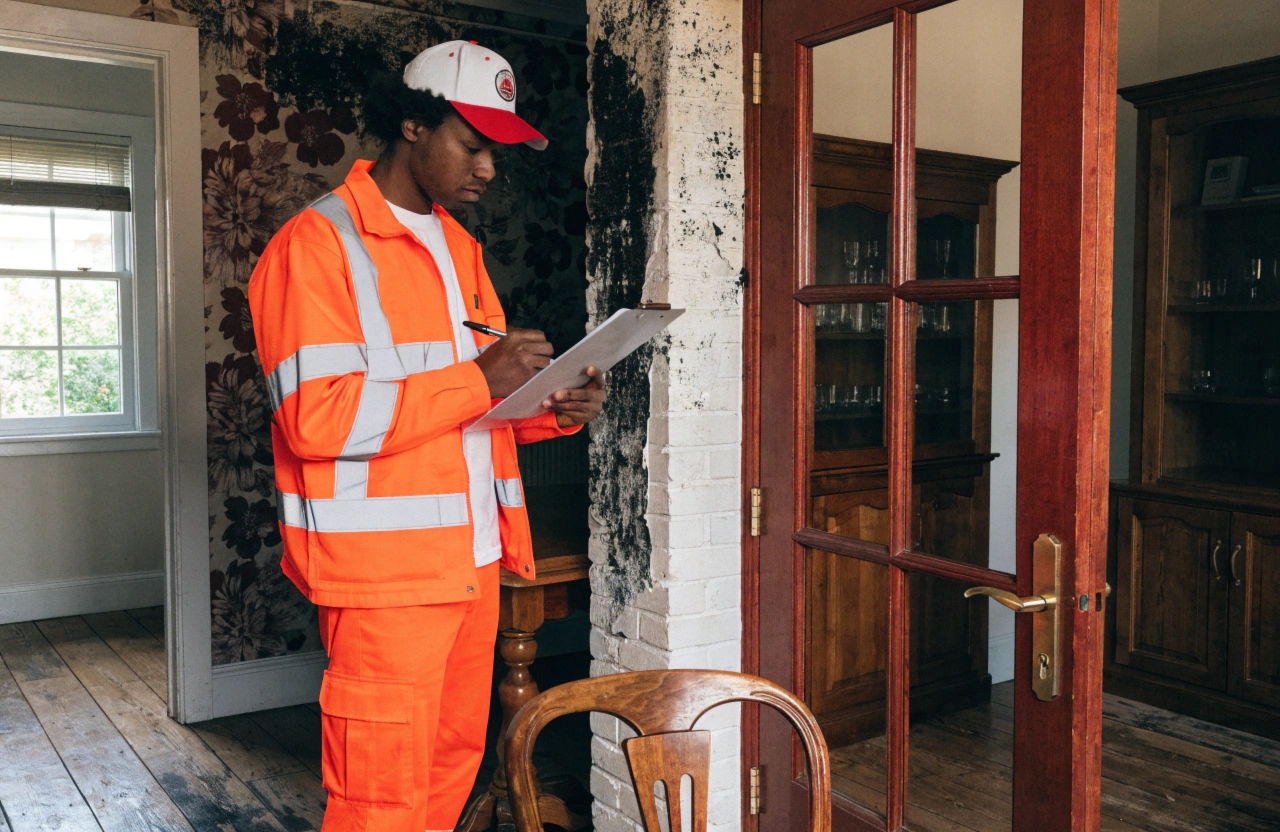
Persistent Symptoms No One Can Explain: If someone in the house has had ongoing respiratory symptoms, allergic reactions, headaches, or that flat, run-down fatigue with no diagnosed cause, mould could be the missing piece. Testing gives you evidence to either rule it out or finally explain what’s been going on.
Families With Young Children or Vulnerable Members: Young kids and anyone with a weakened immune system are far more sensitive to airborne spores than a healthy adult. If your family includes little ones, elderly parents, or someone managing a chronic illness, testing the air they breathe every day is a sensible move, not an overreaction.
When Your GP Has Recommended It: Sometimes a GP or specialist will tell you to look into your indoor air quality before they can get to the bottom of a health issue. If that’s you, mould testing gives your doctor hard data to work with instead of a hunch about the house.
Mould Testing for Legal, Insurance and Real Estate Purposes
When money or a dispute is on the line, a hunch won’t cut it — you need laboratory-certified results that hold up. This is where our testing really earns its keep. We provide certified test results and interpretive reports built for formal use, which is something a basic inspection-only service simply can’t offer you.
Our testing supports situations like:
- Insurance claims for water damage and mould remediation costs, where the insurer wants documented proof of what they’re paying for.
- NSW Civil and Administrative Tribunal (NCAT) tenancy hearings, where both tenants and landlords need independent evidence to back their case.
- Pre-purchase due diligence, so buyers know exactly what they’re walking into before settlement on a Central Coast property.
- Workplace health and safety assessments for commercial properties, where employers have a duty to provide a safe environment.
A certified report with your name on it carries far more weight in any of these settings than a verbal opinion ever will.
Frequently Asked Questions About Mould Testing
An inspection is where I physically look through the property to find mould and pinpoint where it’s coming from — it answers is it here and where. Testing is the lab side of things, where I collect samples and have them analysed to tell you the species, the spore concentration, and the health risk. Most of my Central Coast clients end up wanting both, because together they give you the full picture rather than half of it.
For standard samples, you’re generally looking at a few business days from when the lab receives them. If you’ve got an urgent situation — a tenancy hearing date or a settlement deadline — let me know upfront and I can usually arrange a faster turnaround. I’ll always give you a realistic timeframe before I take the samples so there are no surprises.
Absolutely, and this is one of the main reasons people book it. The certified lab results and interpretive report I provide are built to stand up in formal settings like NCAT tenancy hearings and insurance claims. Having independent, evidence-backed documentation puts you in a far stronger position than relying on photos and a verbal account.
There’s no single magic number, which trips a lot of people up. What actually matters is how your indoor spore levels compare to the outdoor baseline taken at the same time — indoors should be similar to or lower than outside. The lab report lays this comparison out clearly, and I’ll walk you through what your specific results mean for your home.
I’d strongly recommend it, especially if health concerns or an insurance claim are involved. Removal might look successful to the eye, but the only way to confirm spore levels have genuinely returned to safe thresholds is independent testing. It gives you peace of mind before re-occupying the property and the documented proof an insurer often wants before they close a claim.
Get Real Answers About Your Mould — Today
You’ve spent long enough wondering. Stop guessing and get the facts you need to protect your family and your home. Whether you’ve got symptoms you can’t explain, a mould problem that keeps coming back, or a claim or dispute that needs solid evidence behind it, certified mould testing gives you the proof to act with confidence.
Give us a call and we’ll talk through what’s going on, recommend the right testing for your situation, and give you a clear timeframe before we start. No jargon, no scare tactics — just straight answers backed by the lab.
Book your Central Coast mould testing today.
