
Central Coast Mould Removal Experts You Can Rely On
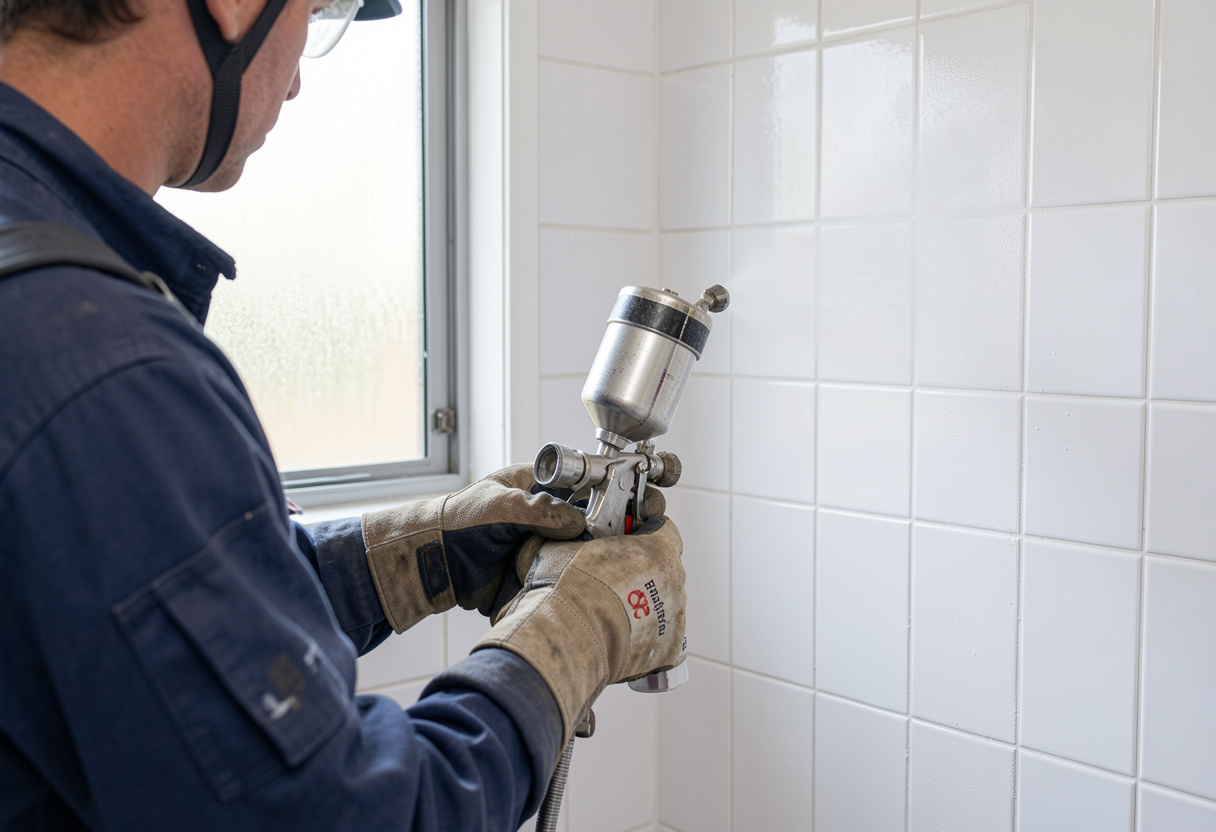
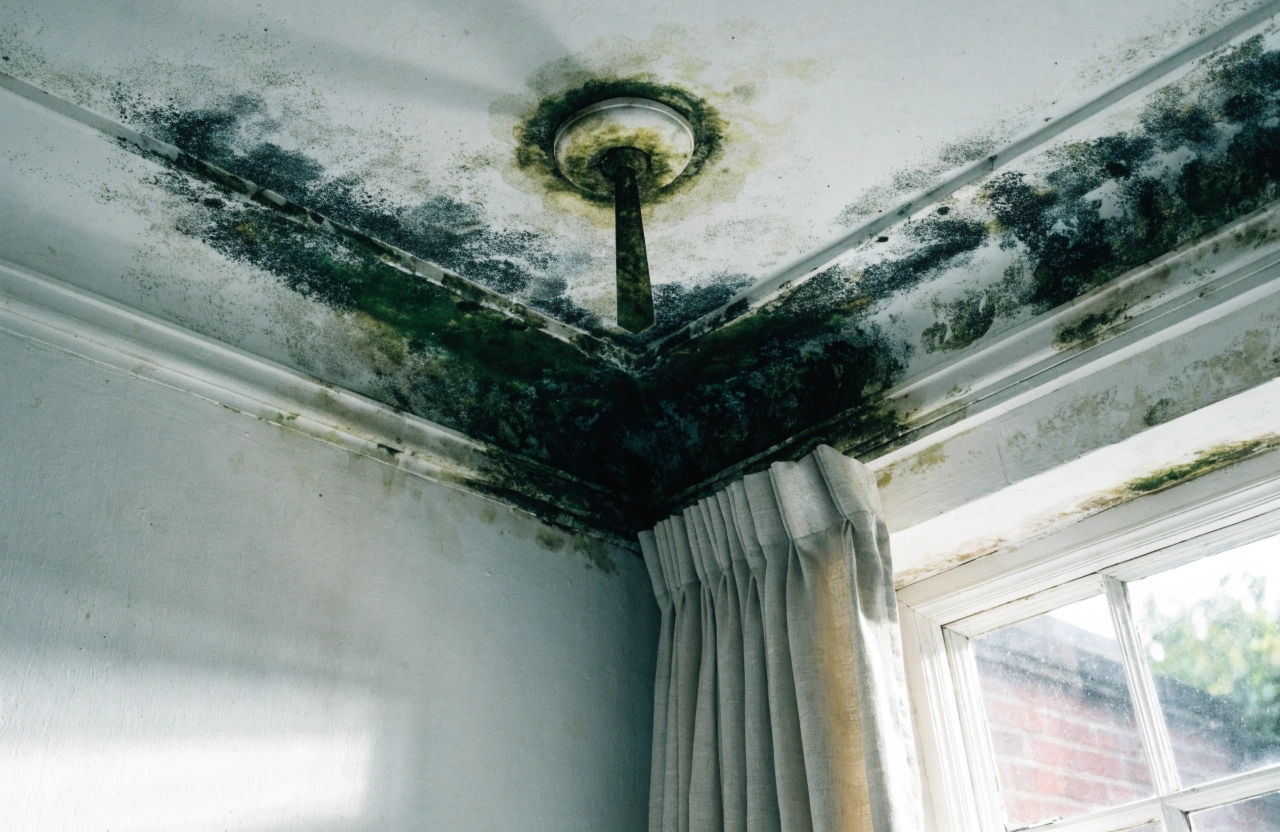
Most people on the Central Coast don’t think about mould until they can see it. A dark patch on the bathroom ceiling, a musty smell that hangs around after wet weather, or that familiar grey creep along a window frame that’s been there for years. By that point, the mould has already won the first round.
Mould prevention treatments in Central Coast homes aren’t a luxury — they’re a practical response to where you live. The combination of coastal humidity sitting between 70 and 85 percent year-round, heavy summer rainfall, warm temperatures, and a large proportion of older housing stock across suburbs like Gosford, Woy Woy, Tuggerah, and The Entrance means your property is never really in a neutral state. Without a prevention strategy in place, moisture and spores are quietly building toward the conditions that produce active mould growth. We work with homeowners, landlords, and property managers across the Central Coast to interrupt that process before it starts.

What's Included in a Professional Mould Prevention Treatment Program
Professional mould prevention treatment isn’t one single product applied to one surface. It’s a structured program that covers every high-risk area of your property with the right treatment for each substrate and exposure level. Here’s what that looks like in practice.
Post-Remediation Protection — The Step Most People Skip
If you’ve recently had professional mould remediation carried out on your property, this is the section that matters most to you.
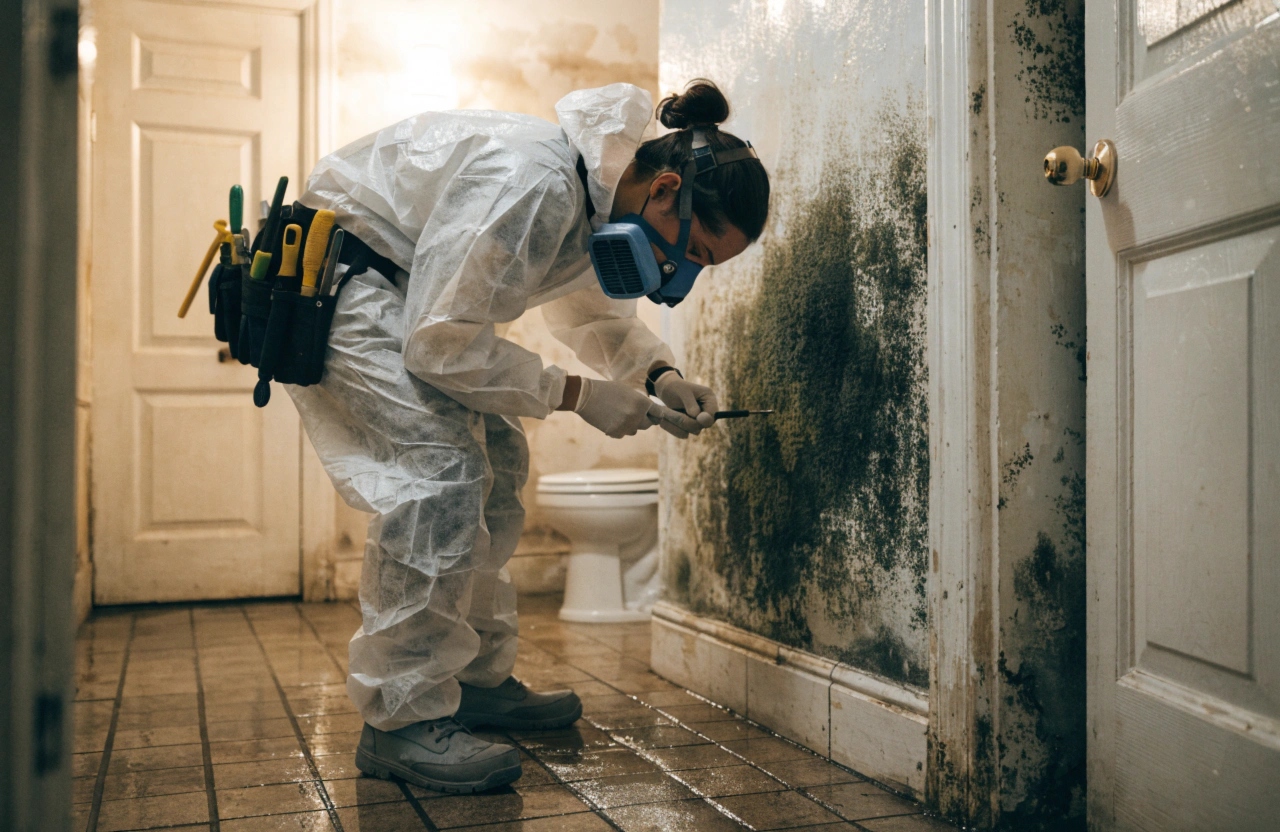
You’ve already been through it — the discovery, the stress, the cost, the disruption of having a crew in your home treating surfaces, pulling back materials, running clearance testing. You don’t want to do that again in twelve months. And yet, without a professional prevention treatment applied to all remediated surfaces before you close the job out, the same moisture conditions that drove the original mould growth will drive regrowth. The surfaces are clean. The spore load in the air hasn’t gone anywhere. The humidity on the Central Coast isn’t going to drop because your walls are freshly treated.
Post-remediation prevention treatment is the natural and necessary final step of any remediation project. It’s applied after clearance testing confirms the property is mould-free, which means you’re sealing a clean surface — not treating over active growth. The antimicrobial barrier that goes on at this stage is the single most effective way to extend the mould-free period and protect everything you’ve just spent money on.
We include a post-remediation prevention treatment recommendation as standard at the completion of every remediation job we carry out across the Central Coast. For clients who have had remediation done elsewhere and want to protect the result, we offer standalone post-remediation prevention treatment as a separate service.

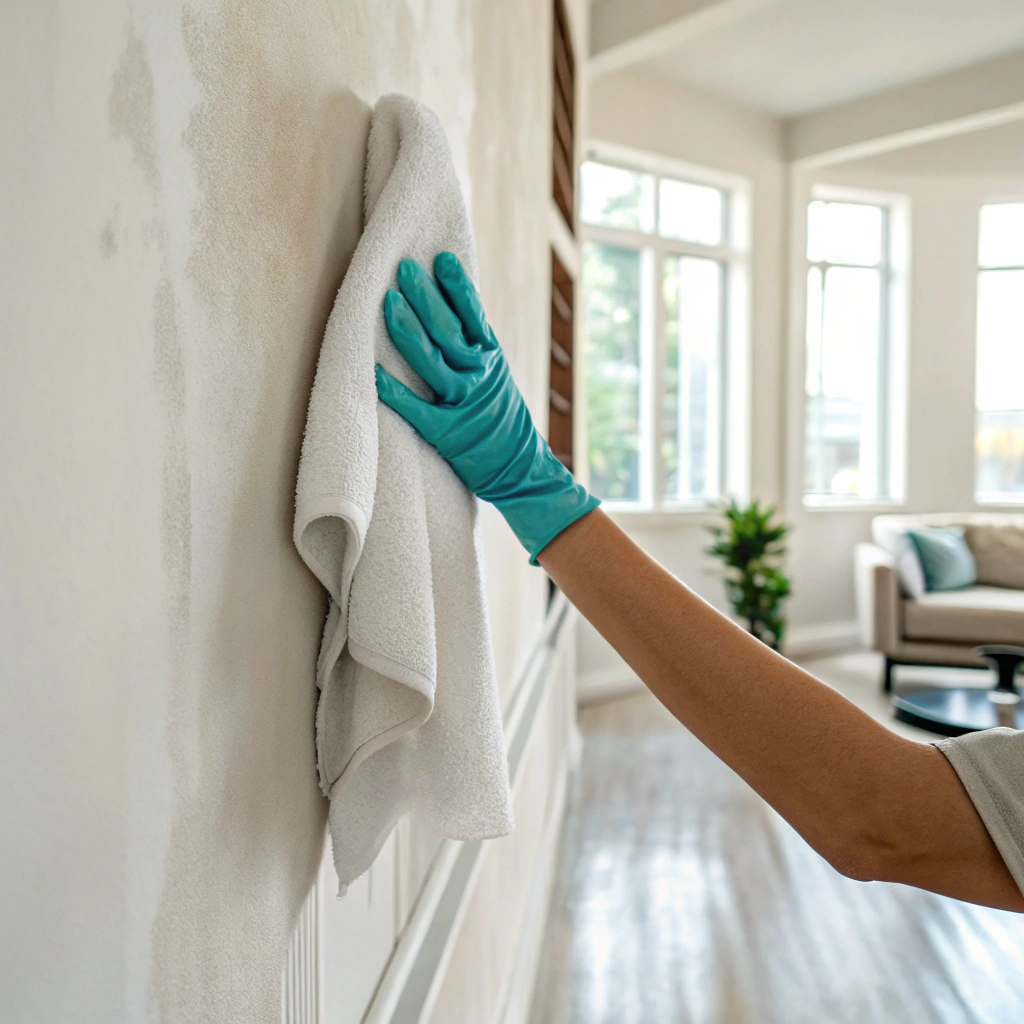
Ventilation and Moisture Management Advisory
The chemical treatment is one part of what we do. The other part is making sure you actually understand what’s driving moisture accumulation in your property — and what you can do about it beyond applying a product to a surface.
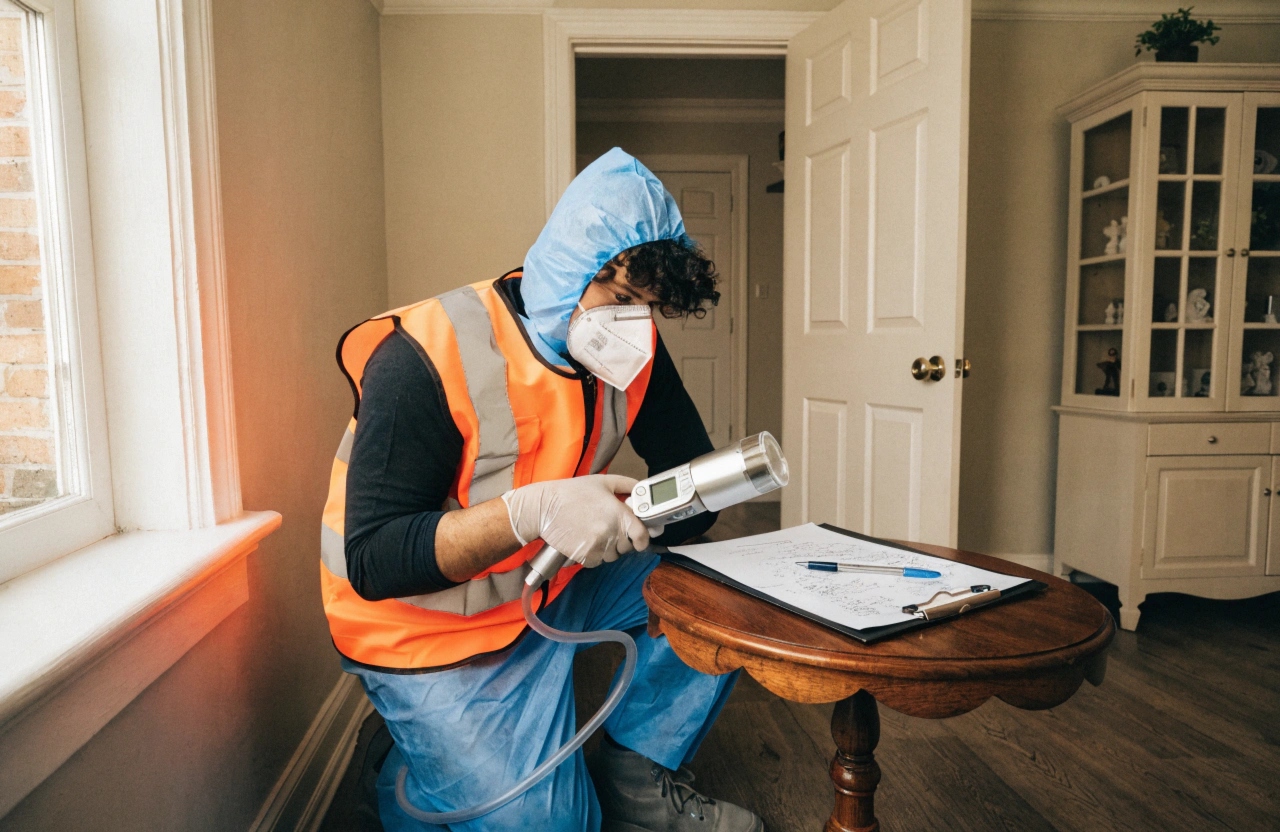
As part of our mould prevention treatment service, we carry out a practical assessment of your property’s ventilation performance. That includes checking exhaust fan output in bathrooms and kitchens, identifying moisture accumulation hotspots like poorly ventilated wardrobes and subfloor areas with blocked vents, and making straightforward recommendations around cross-ventilation, dehumidifier placement where it’s warranted, and the maintenance habits that make the biggest difference to ongoing moisture load.
This isn’t a lengthy technical report. It’s the kind of practical, honest guidance that helps you get more out of the treatment itself — because a professionally treated surface in a poorly ventilated room will still deteriorate faster than one in a room with adequate airflow. The two work together, and we explain that clearly before we leave.
For Landlords and Property Managers
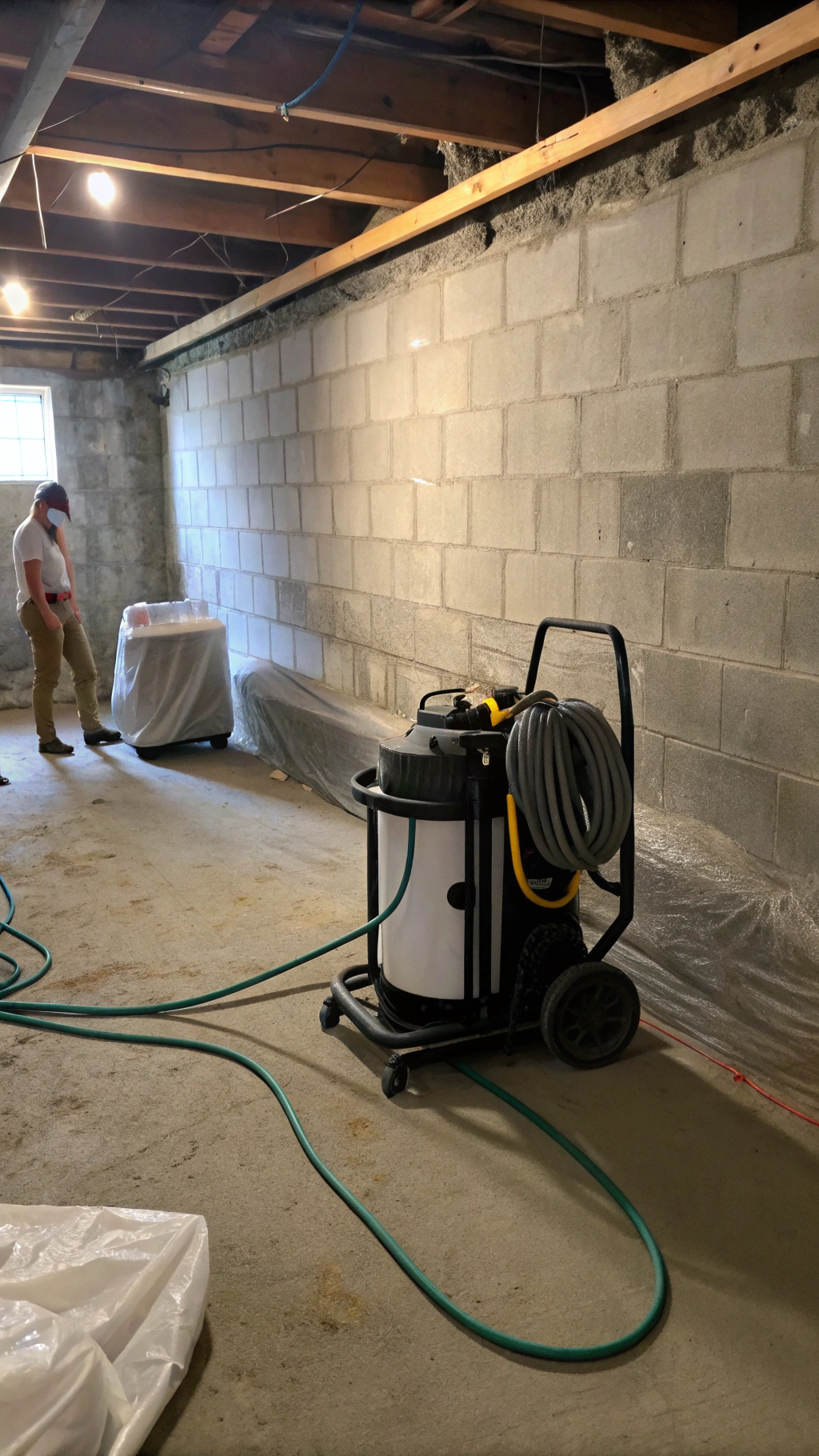
Mould complaints are one of the most common tenancy disputes on the Central Coast — and one of the most preventable. A scheduled prevention treatment carried out between tenancies, particularly following any tenancy where mould was raised as an issue, does several things at once.
It reduces the likelihood of a mould complaint from the incoming tenant. It demonstrates that you’re taking proactive steps to maintain the property to a reasonable standard. And it creates documented evidence of a prevention program — which is a meaningful asset if a dispute ever reaches NSW Fair Trading or the Residential Tenancies Tribunal.
The cost of a periodic prevention treatment is a fraction of what a reactive remediation job costs. It’s also a fraction of what a tenancy dispute costs in time, stress, property manager hours, and potential compensation. For landlords managing older stock in high-humidity suburbs like Wyong, Woy Woy, Umina Beach, and Ettalong Beach, a scheduled prevention program between tenancies isn’t optional — it’s just good property management.
For Strata and Body Corporate Properties
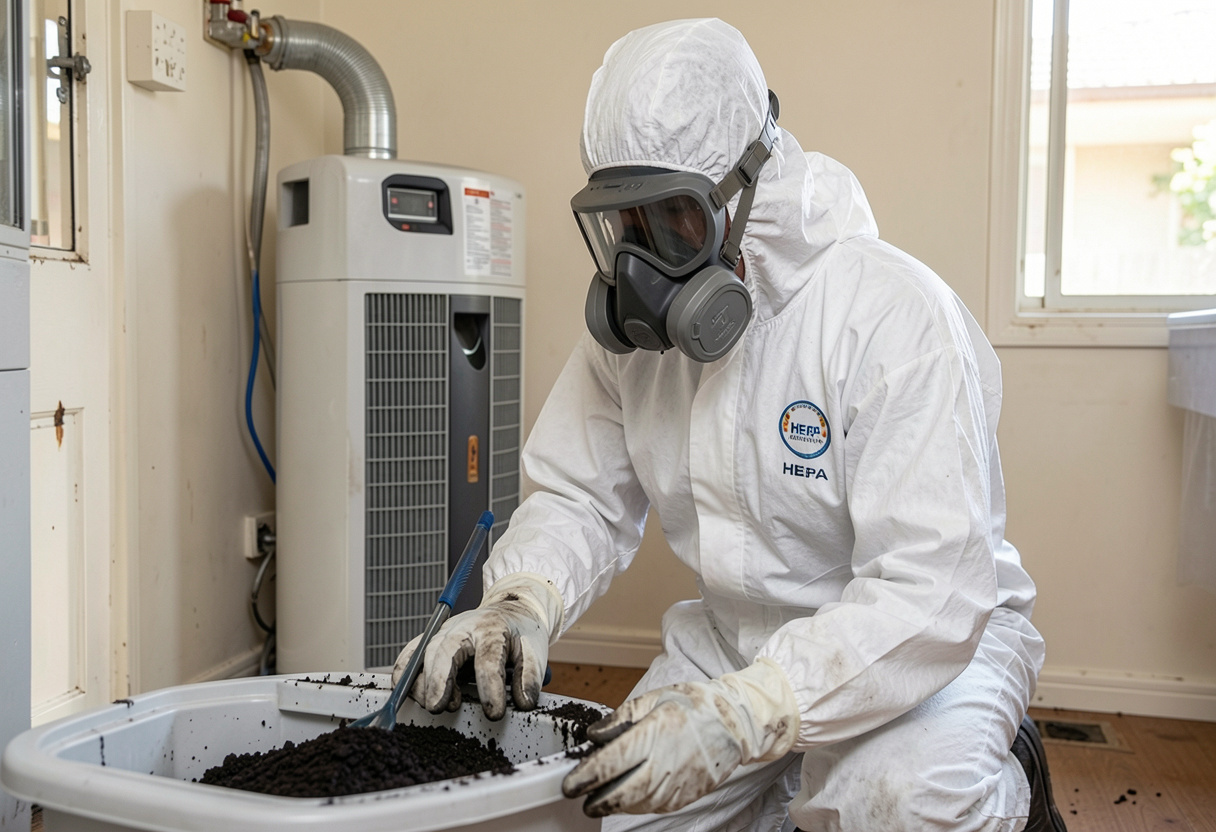
Common area mould is a building maintenance issue that affects property values, owner satisfaction, and the scheme’s long-term maintenance expenditure. Laundry rooms, basement car parks, roof spaces, external cladding, and ground-floor common areas are all high-risk zones in Central Coast strata buildings — particularly in older complexes near the waterfront or around Gosford and Terrigal.
A scheduled antimicrobial prevention treatment program for common areas forms part of a proactive building maintenance strategy that’s significantly cheaper than reactive remediation across multiple affected areas. It also protects the scheme from the reputational and legal complications that come with persistent mould complaints from lot owners or tenants. We work with strata managers and body corporate committees directly to design and schedule prevention treatment programs that fit the building’s maintenance calendar and budget.
Ready to Protect Your Property? Get in Touch Today.
Mould prevention treatments on the Central Coast are one of the most cost-effective property maintenance decisions you can make — whether you’re protecting a family home in Terrigal, managing a rental portfolio in Wyong, or maintaining common areas in a Gosford strata complex.
Don’t wait for a visible problem to tell you action was needed six months ago. Call us today to book your mould prevention treatment or to talk through the right program for your property. We service homeowners, landlords, property managers, and strata committees right across the Central Coast — from Gosford and Woy Woy in the south to The Entrance, Tuggerah, and Lake Munmorah in the north.
Call us today for a free quote and honest advice on protecting your property.
Frequently Asked Questions About Mould Prevention Treatments Central Coast
Professional-grade antimicrobial treatments typically provide residual protection for 12 to 24 months depending on the surface type, the level of ongoing moisture exposure, and the ventilation conditions in the treated area. High-humidity environments like bathrooms and subfloors in older homes may be at the lower end of that range, which is why we factor in your specific property conditions when making a maintenance recommendation. Annual treatment programs are common for Central Coast properties with elevated ongoing risk.
Yes. Professional antimicrobial treatments used in residential applications are formulated to be safe once fully dry and cured. We’ll always advise you on re-entry timing for each treated area — typically a few hours after application — and we’ll let you know if any specific areas require additional ventilation time before normal use. If you have infants, young children, or pets with known respiratory sensitivities, just let us know before we start and we’ll factor that into how we approach the job.
No, and any company that tells you otherwise isn’t being straight with you. Antimicrobial treatment and adequate ventilation work together. Treatment applied to a poorly ventilated bathroom will still provide meaningful protection, but its effective lifespan will be shorter than the same treatment in a well-ventilated space. Our moisture management advisory component exists precisely because the treatment performs better when the underlying conditions support it.
Retail mould sprays contain diluted active ingredients, provide minimal residual protection once the product dries, and are typically applied by spray-and-wipe in a way that doesn’t achieve complete surface coverage. Professional-grade antimicrobial treatments use higher-concentration active ingredients, penetrate porous surfaces rather than sitting on top of them, and are applied with equipment designed to achieve uniform coverage across the full surface area. The difference in residual protection period is significant — retail products offer days to weeks of surface inhibition at best; professional treatments are designed to perform for months to years.
Yes — every time, without exception. Clearance testing confirms the property is mould-free. Prevention treatment seals that result. Without it, the same conditions that drove the original growth — humidity, ambient spore load, porous surfaces — will drive regrowth within months. Think of it the same way you’d think about resealing a deck after sanding it back. The work of getting it clean is done. The treatment is what makes that work last.
