
Central Coast Black Mould Removal for Toxic & Hidden Infestations
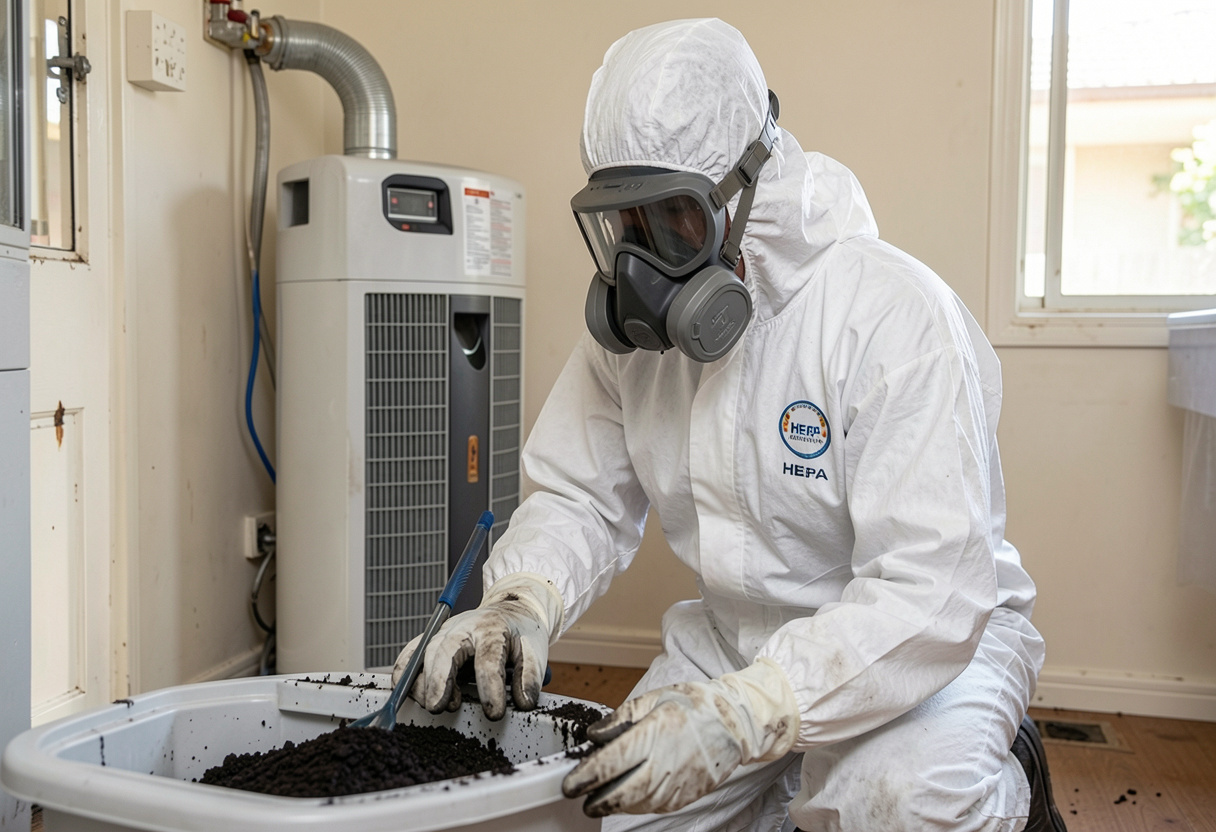
If you’ve found dark, slimy patches in your bathroom, bedroom, or behind your walls — and you’re not sure whether it’s black mould — you’re right to take it seriously. Black mould, particularly the species Stachybotrys chartarum, is one of the most hazardous mould types found in Australian homes. On the Central Coast, where coastal humidity never really lets up and plenty of homes date back to the 70s and 80s, the conditions that allow black mould to take hold are everywhere.
This isn’t something you spray with Exit Mould on a Sunday afternoon. Black mould produces mycotoxins — chemical compounds that can seriously affect your family’s health over time, especially for kids, elderly family members, or anyone with a respiratory condition.
We’re Central Coast’s certified black mould removal specialists. From Gosford to Wyong, The Entrance to Woy Woy, we identify, contain, and remove mould completely — with written clearance reports to prove it’s gone.

What Is Black Mould — and Why Is It Different From Other Mould?
Not all mould is created equal. Most mould species you’ll find in a Central Coast home are opportunistic — they grow where there’s moisture and poor ventilation, they look unpleasant, and they should be dealt with. But Stachybotrys chartarum — what most people call black mould — sits in a different category entirely.
The Health Risks of Black Mould Exposure
Black mould exposure is a genuine health concern. The mycotoxins produced by Stachybotrys chartarum have been linked to a range of serious health effects, particularly with prolonged exposure in an enclosed residential environment.
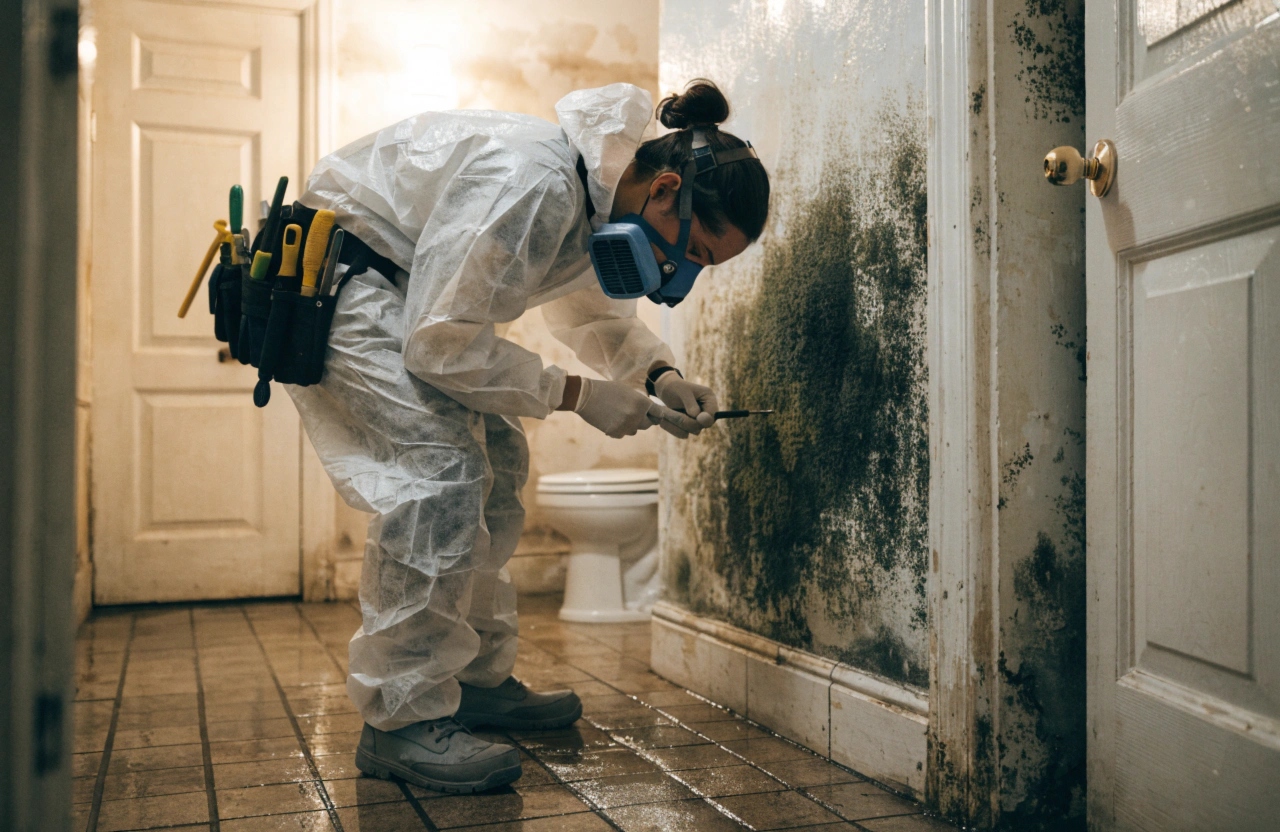
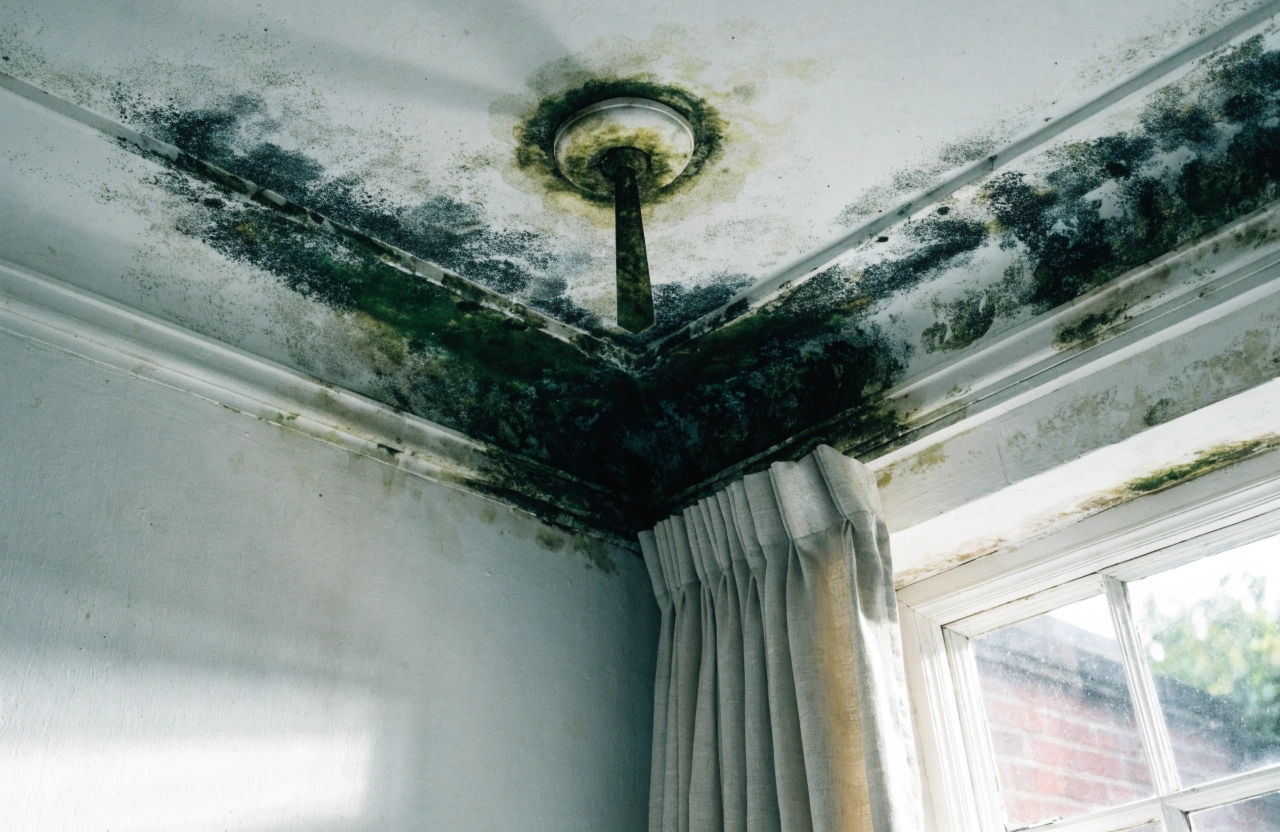
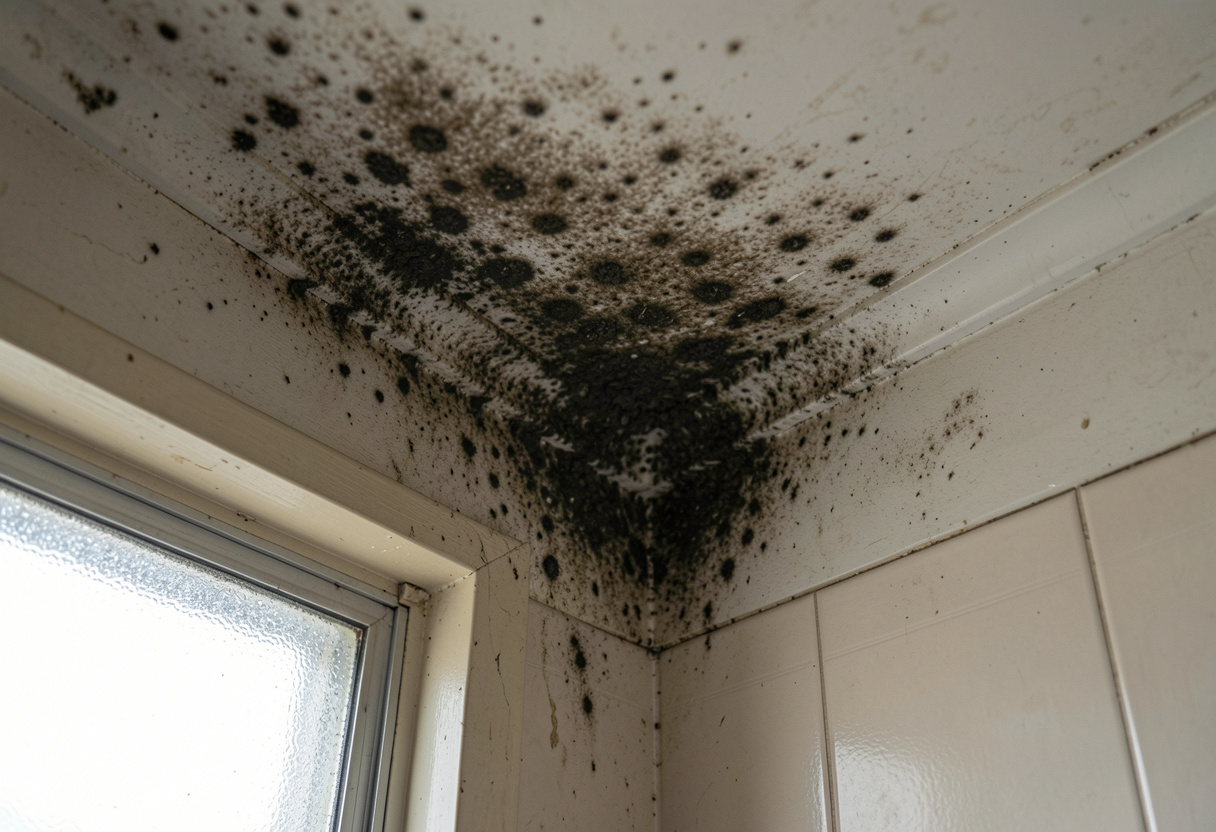
What Causes Black Mould in Central Coast Properties?
Leaking Roofs and Gutters: Roof leaks and overflowing gutters allow moisture into ceilings and wall cavities, creating the dark, damp conditions black mould needs to grow.
Burst or Leaking Pipes: Hidden plumbing leaks behind walls or under flooring can feed mould growth for months before visible signs or odours appear.
Rising Damp and Subfloor Moisture: Poor subfloor ventilation and groundwater movement in low-lying areas can trap moisture beneath homes, allowing mould to spread through flooring and wall bases.
Flood and Storm Water Intrusion: Flooding and heavy rain often leave moisture trapped inside walls, subfloors, and insulation, creating ideal conditions for rapid black mould growth.
Poor Bathroom and Laundry Ventilation: Bathrooms and laundries with inadequate ventilation build up long-term humidity, leading to mould growth on walls, ceilings, grout, and plasterboard.
Why Black Mould Is Never a DIY Job
Disturbing the Colony Releases Spores
When black mould is physically disturbed — scrubbed, wiped, or sprayed — it releases massive quantities of spores and mycotoxins into the surrounding air. Without proper containment, those spores travel through your home’s air circulation and settle in new locations, effectively seeding new colonies in areas that were previously unaffected.
Surface Cleaning Doesn’t Address the Root Cause
Retail mould sprays and bleach-based products treat what’s visible on the surface. They don’t penetrate into plasterboard, timber framing, or insulation — which is where Stachybotrys establishes its root structure.
Personal Protective Equipment Matters
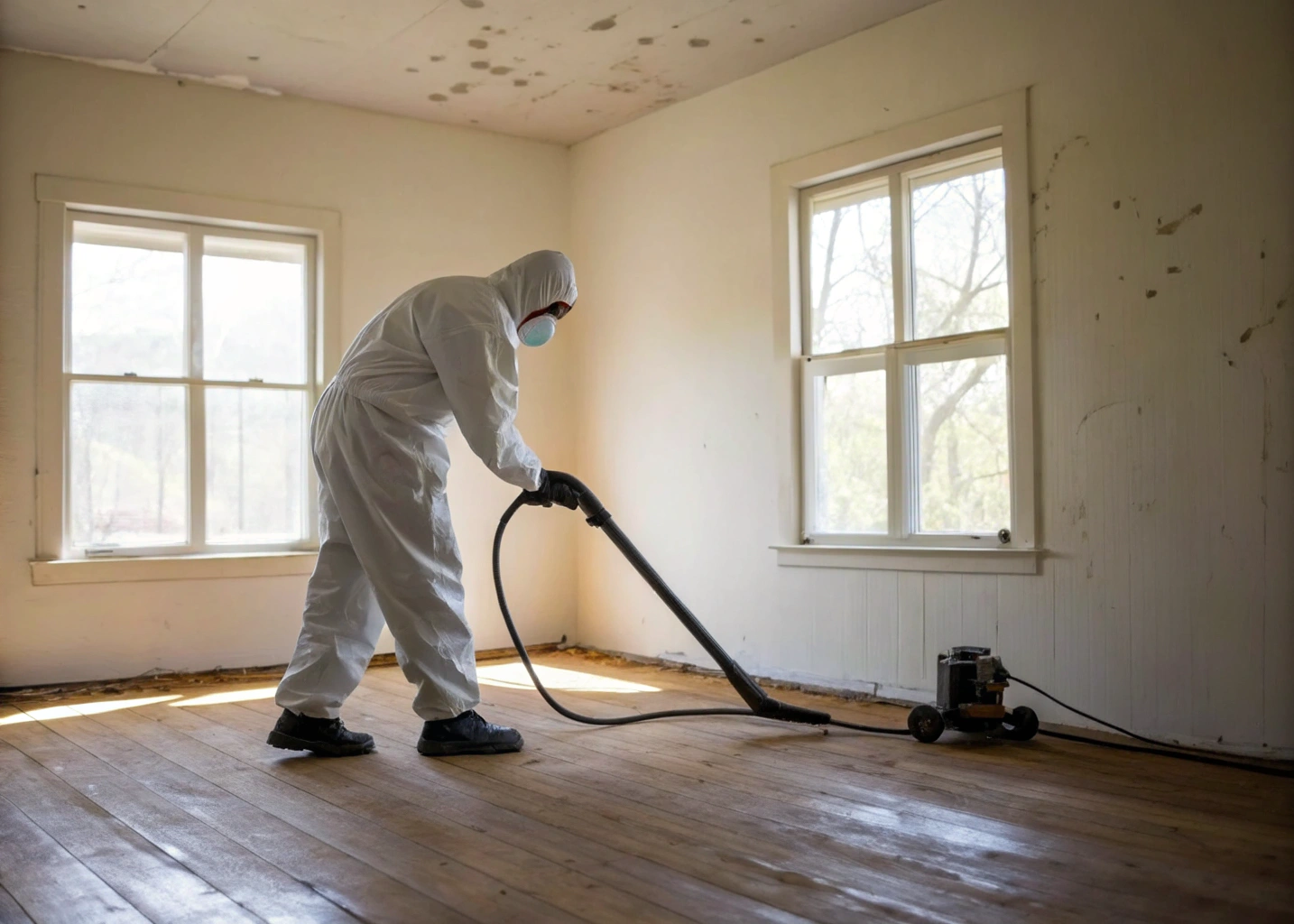
Professional black mould removal requires full-face respirators with P100 filtration, disposable coveralls, gloves, and eye protection. Without these, the person attempting the removal is directly exposed to concentrated spore and mycotoxin release throughout the process.
The Legal and Insurance Implications
For landlords and property owners, an undocumented DIY attempt at black mould removal creates serious problems. If a tenant or subsequent occupant suffers health effects, the absence of professional documentation and certified removal creates significant legal exposure.
Information for Landlords and Property Managers
Black mould in a rental property is not just a maintenance issue. Under the Residential Tenancies Act 2010 (NSW), landlords have a legal obligation to provide and maintain a safe and habitable property. A tenant who reports black mould and does not receive a prompt, professional response has grounds to pursue remedies through NSW Fair Trading and the NSW Civil and Administrative Tribunal — including rent reduction, termination of tenancy, and compensation claims.
The legal and financial exposure from failing to act on a black mould complaint is significant — and it grows with every week the problem remains unaddressed.
We work regularly with landlords, property managers, and strata committees across the Central Coast to provide fast, professionally documented black mould removal that satisfies both tenant safety requirements and legal compliance obligations. Our written clearance reports are structured to support Fair Trading requirements and provide a clear, dated record of professional action taken.
Our Black Mould Removal Process
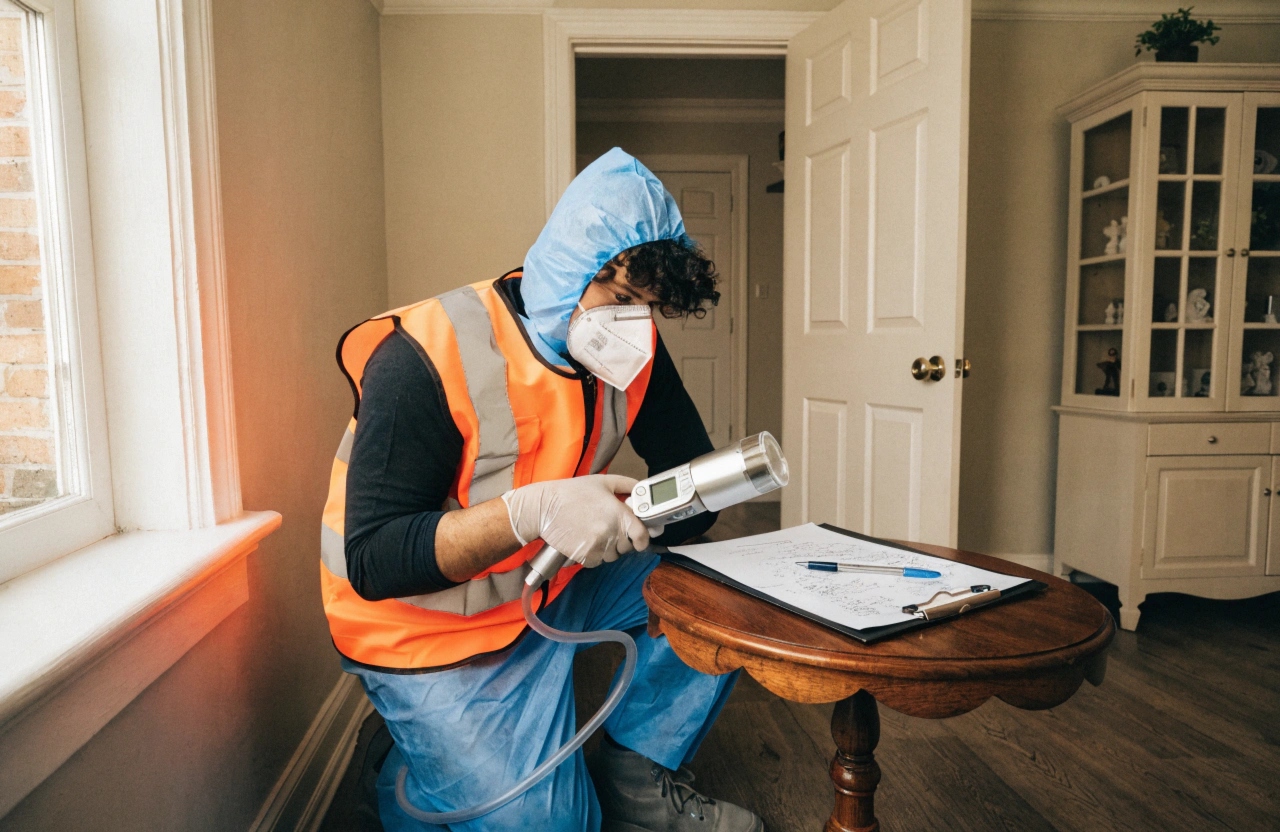
We start with a thorough inspection of the affected area and, where required, arrange testing to confirm the mould species present. Stachybotrys chartarum requires a specific removal protocol, and confirming the species before work begins means nothing is left to assumption.
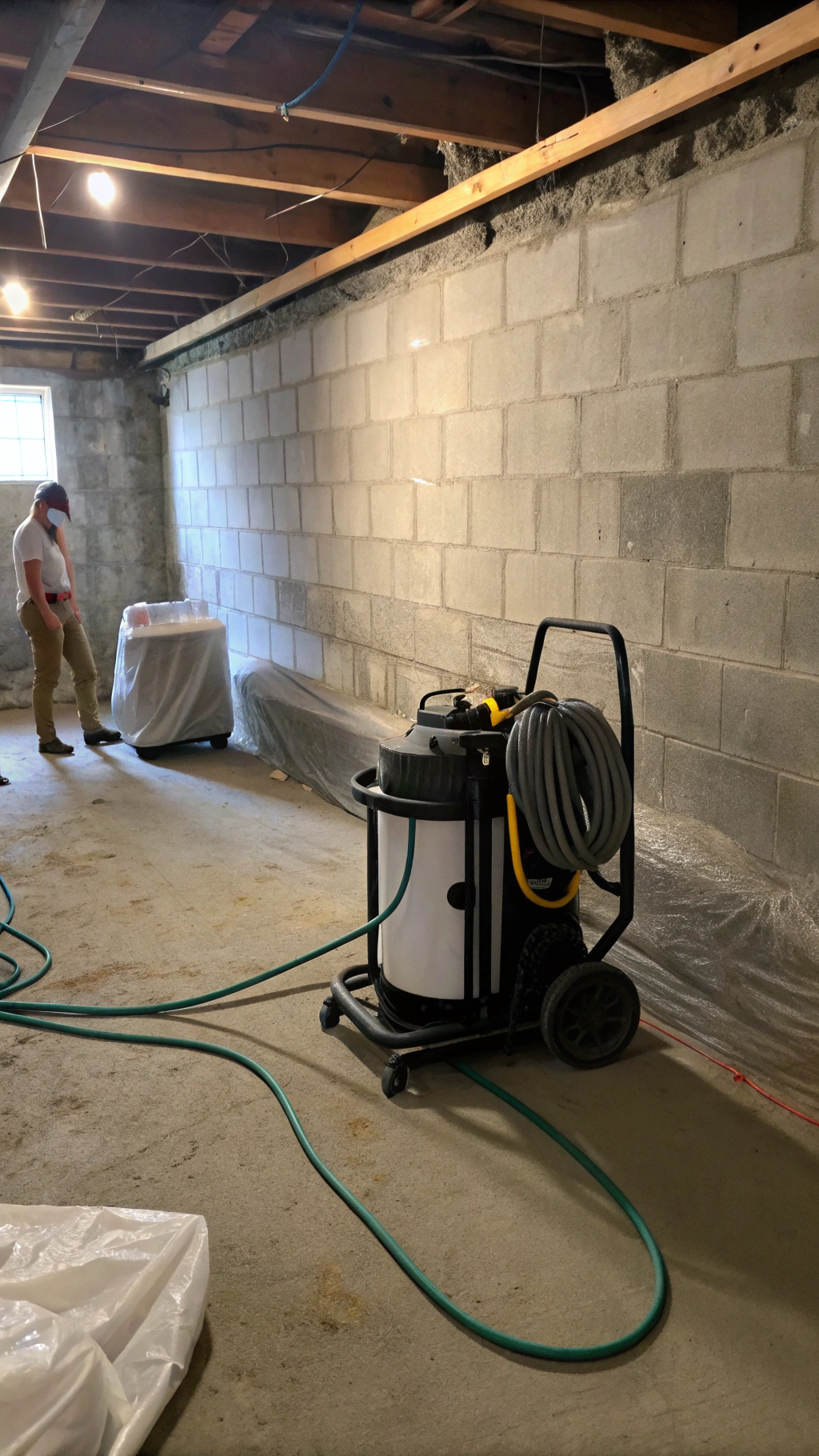
Before any removal work starts, the affected area is fully contained using heavy-duty plastic sheeting and sealed entry points. This containment prevents spores from migrating into unaffected areas of the property during the removal process.
We establish negative air pressure within the containment zone using HEPA-filtered air scrubbers. This means air is continuously drawn out of the work zone and filtered before being exhausted — preventing any spore or mycotoxin release into the rest of the property.
Any materials that cannot be effectively decontaminated — plasterboard, insulation batts, affected timber framing, carpet underlay — are carefully removed and safely disposed of in accordance with NSW waste guidelines. Salvageable materials are treated in place.
All remaining surfaces within the containment zone are HEPA vacuumed to remove residual spore load, then treated with certified antimicrobial agents that penetrate porous surfaces and eliminate the mould colony at a structural level — not just at the surface.
Once remediation is complete, air clearance testing is carried out within the treated zone to confirm that spore levels have returned to safe baseline levels. This is not optional — it’s the only objective confirmation that the removal has been successful.
Every black mould removal job we complete is documented with a written clearance report detailing the species identified, the extent of the affected area, the remediation process carried out, and the air clearance results. This report is your proof — for insurance purposes, tenancy compliance, or your own peace of mind.
Ready to Get Rid of Black Mould for Good?
Black mould doesn’t get better on its own. Every week it goes untreated, the colony grows, the spore load in your home increases, and the health risk to your family compounds. If you’ve found what you think is black mould in your Central Coast home — or you’ve been living with a musty smell, unexplained respiratory symptoms, or a damp problem that keeps coming back — the right move is to get a professional assessment done now, not later.
We service the full Central Coast corridor — Gosford, Wyong, Terrigal, Woy Woy, The Entrance, Umina Beach, Ettalong Beach, Avoca Beach, Tuggerah, Lake Haven, Budgewoi, and everywhere in between.
Call us today for a professional black mould assessment and get the written clearance report your family’s health and your property deserves.
Frequently Asked Questions About Black Mould Removal
True black mould — Stachybotrys chartarum — typically appears dark greenish-black and has a distinctively slimy texture when the colony is active. However, colour alone isn’t a reliable indicator, as other mould species can appear dark, and Stachybotrys can look grey or dark green in certain conditions. The only way to confirm the species is through professional testing. If you’re concerned about what you’re seeing in your Central Coast home, contact us for an assessment rather than relying on visual identification alone.
Stachybotrys chartarum is consistently classified as a toxigenic mould species — meaning it produces mycotoxins as a byproduct of its growth. Not every colony produces the same level of mycotoxin output at all times, and not every person exposed will experience the same effects. But the potential for serious health impact is real, and the species should always be treated as hazardous until professional assessment and removal has been completed.
For a single affected room or localised area — a bathroom ceiling, a bedroom wall, a section of subfloor — professional black mould removal typically takes one to two days, including containment setup, removal, treatment, and air clearance testing. Larger or more extensive contamination affecting multiple areas or requiring significant material removal will take longer. We provide a realistic timeline at assessment before any work begins.
For localised removal in a single contained area, it’s often possible for occupants to remain in unaffected parts of the property, particularly where proper containment and negative air pressure are in place. For more extensive contamination, or where infants, young children, pregnant women, elderly residents, or immunocompromised individuals are present, temporary relocation during the removal process is strongly recommended. We give specific guidance on this at the assessment stage based on the actual conditions in your property.
Black mould returns when the underlying moisture source hasn’t been identified and resolved. Surface treatment without addressing the root cause — a leaking roof, rising damp, inadequate subfloor ventilation, a slow pipe leak — will always result in regrowth. Our removal process includes identification of the moisture source and recommendations for remediation, because removal without fixing the cause is not a lasting solution.
