
The Mould You Can See Is Never the Whole Story
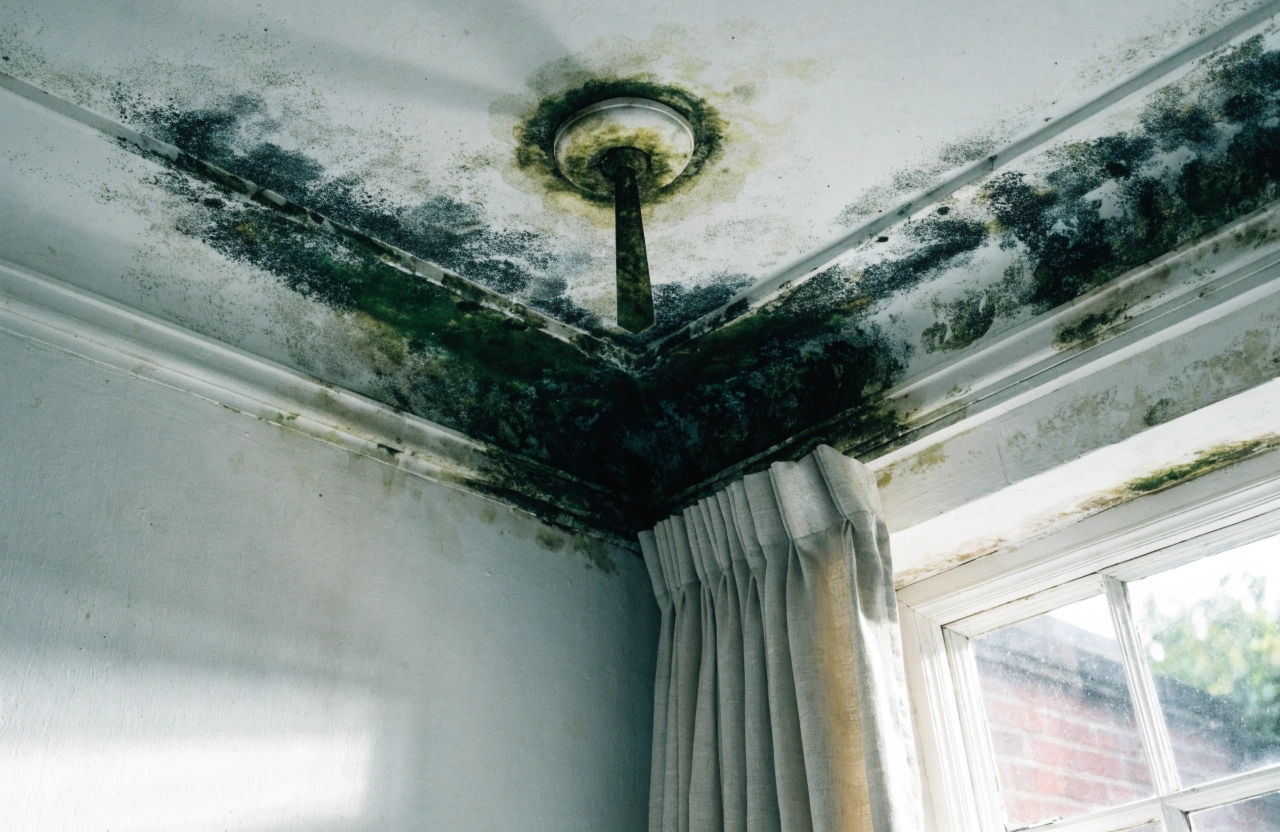
The patch on the bathroom ceiling. The musty smell that hits you when you open the bedroom door. You’ve cleaned it once — maybe twice — and it keeps finding its way back. If that sounds familiar, you’re not alone, and you’re right to be concerned. Because the mould you can see is almost never the full story.
For Central Coast families dealing with persistent mould, the worry runs deeper than a stain on the wall. It’s the question you Google at 11pm: is this actually making my kids sick?
ClearAir provides complete mould removal on the Central Coast — from initial inspection and air quality testing through to professional remediation and a fully documented post-treatment report. We cover the full stretch from Gosford to Wyong, including Terrigal, Woy Woy, The Entrance, Tuggerah, and Umina Beach.
This region’s coastal humidity, ageing housing stock, and flood-prone lowlands make it one of NSW’s most mould-vulnerable areas. We know those conditions intimately, and we treat them accordingly.
On this page, you’ll find everything you need to understand the problem, the process, and how ClearAir resolves it permanently — not just on the surface.

Why Central Coast Homes Are Vulnerable to Mould
Most parts of Australia deal with mould seasonally. The Central Coast deals with it year-round. The combination of climate, geography, and housing age creates conditions that work against homeowners in ways that aren’t always obvious until mould has already taken hold.


ClearAir's Complete Mould Removal & Remediation Process
There’s a reason mould keeps coming back after a DIY clean. Spray products treat what’s visible. They don’t find what’s hidden, they don’t test the air you’re breathing, and they don’t produce a single piece of documentation proving the problem is gone. ClearAir’s process is built around a different standard entirely — one that starts with understanding the full picture before a single treatment is applied.
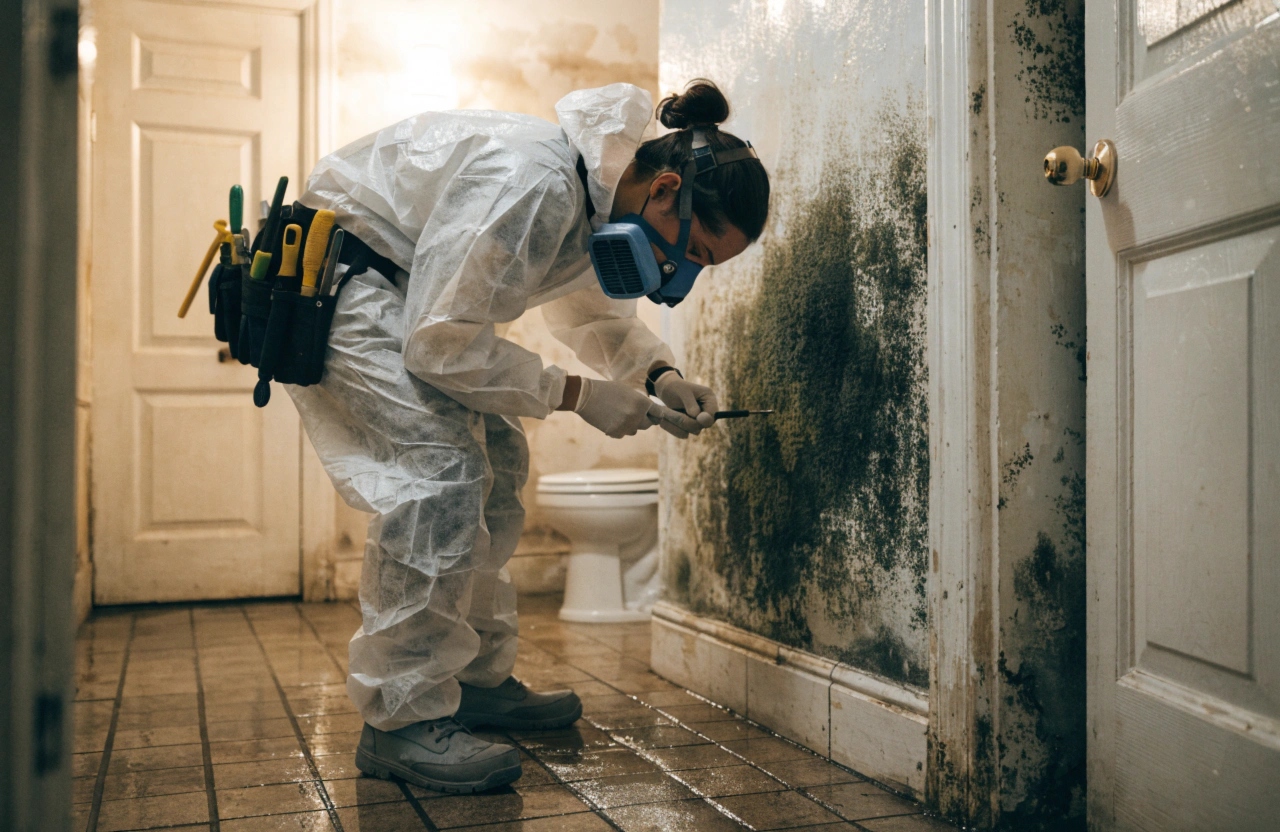
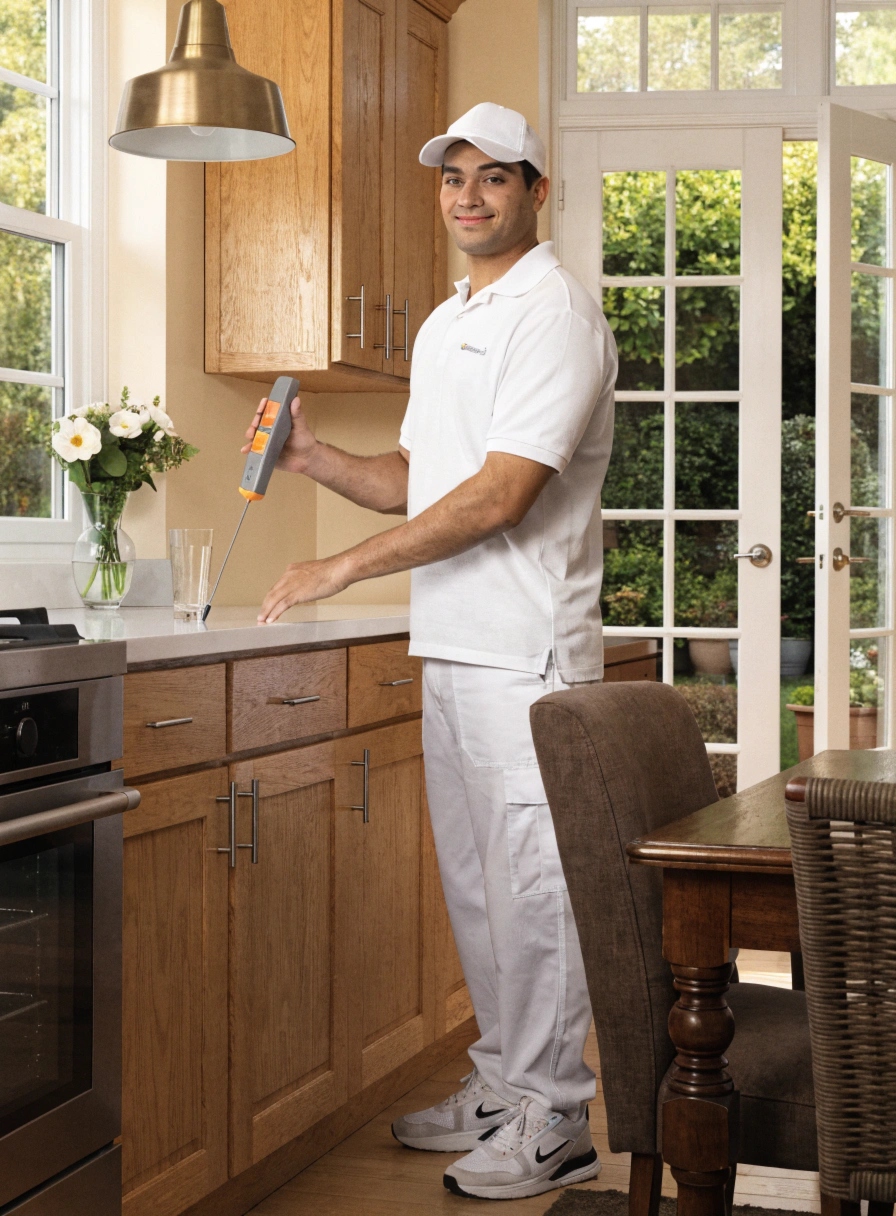
Every job begins with a thorough inspection of the affected areas and the spaces around them. Mould rarely stays where you first find it. Our inspection identifies visible growth, traces moisture pathways, checks high-risk areas like subfloors, roof cavities, and wall junctions, and builds a clear picture of the scope before any work begins. You’ll know exactly what you’re dealing with — no guesswork, no surprises.
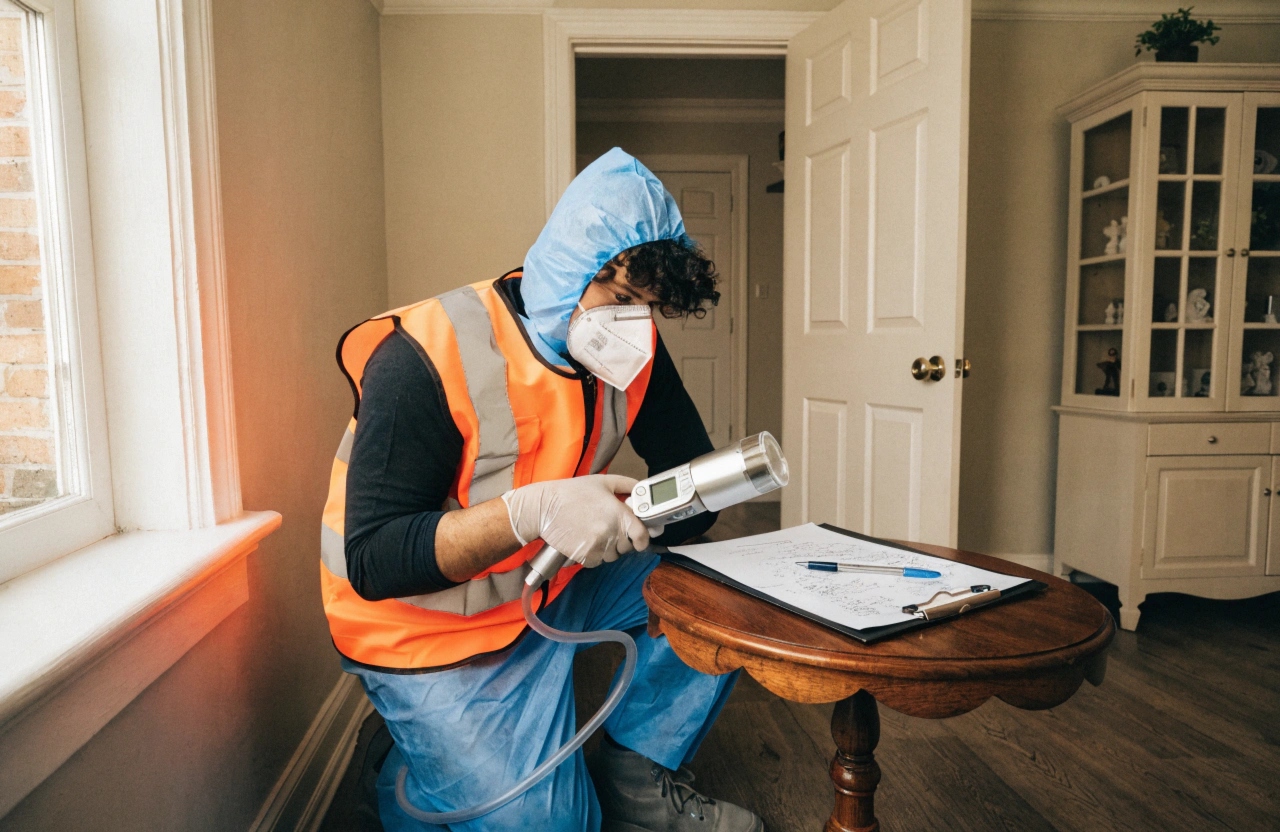
Visual inspection tells part of the story. Air quality testing tells the rest. We test the air inside your home to identify mould spore counts, species present, and whether the indoor air quality represents a health concern for your family. This is the step that answers the question Central Coast homeowners ask most: is it actually affecting us?
Before any remediation work begins, affected areas are professionally contained to prevent spores from spreading to other parts of the home during treatment. This involves physical barriers, negative air pressure where required, and protocols that protect both your family and our technicians throughout the process. This step is what separates professional remediation from a tradie with a spray bottle.
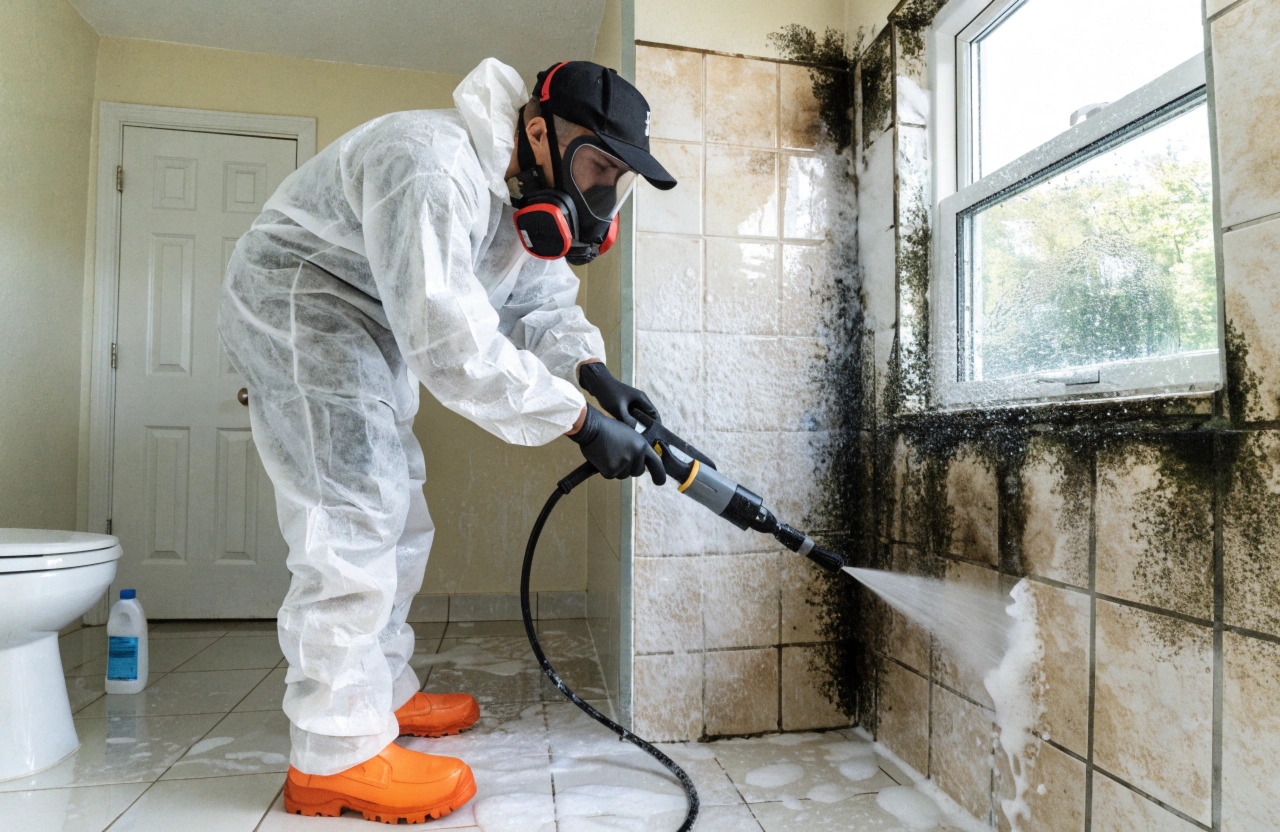
With containment in place, our technicians carry out the full remediation treatment using professional-grade products and equipment that simply aren’t available over the counter. Treatment penetrates affected materials — plasterboard, timber framing, insulation, grout, and more — rather than sitting on the surface. Where materials are too compromised to treat, we identify what needs to be removed and replaced to achieve a genuine resolution.
Once treatment is complete, we test again. Post-remediation air quality testing confirms that spore counts have returned to safe levels and that the remediation has achieved what it was designed to achieve. This isn’t optional — it’s the only way to know with certainty that the job is done.
Every ClearAir job concludes with a fully documented remediation report. This includes the findings from initial inspection and testing, the treatment process carried out, and the post-remediation verification results. It’s a written record you can hold in your hands — one that’s meaningful for insurance claims, tenancy disputes, property sales, and your own peace of mind.
This is the difference between a service that makes your mould invisible and a service that makes your home genuinely safe.
Mould Removal Services for Every Area of Your Home
Mould doesn’t restrict itself to the spots that are easy to find. It follows moisture — and moisture moves through a home in ways that aren’t always predictable. A leak in the roof cavity shows up as a stain on a bedroom ceiling. A cracked pipe under the floor feeds growth behind a skirting board three rooms away. ClearAir provides mould removal across every area of your home, including the ones you can’t see from the hallway.
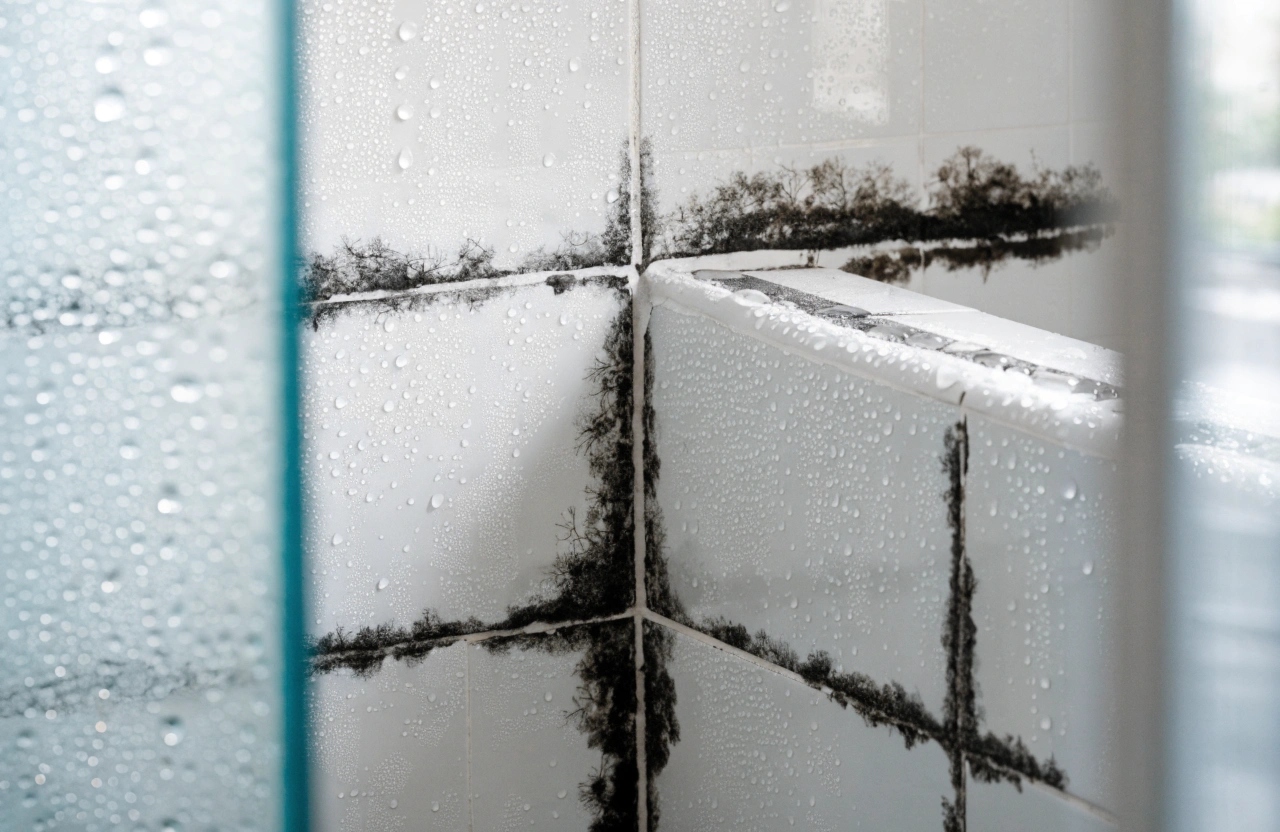
Bathroom & Kitchen Mould Removal
Bathrooms and kitchens are the most common starting points — high moisture output, limited ventilation, and grout lines that hold moisture long after the steam clears. But what looks like a surface problem on tiles or silicone often has deeper growth behind wall linings, under flooring, or inside cabinetry. We treat the visible and investigate what’s behind it.
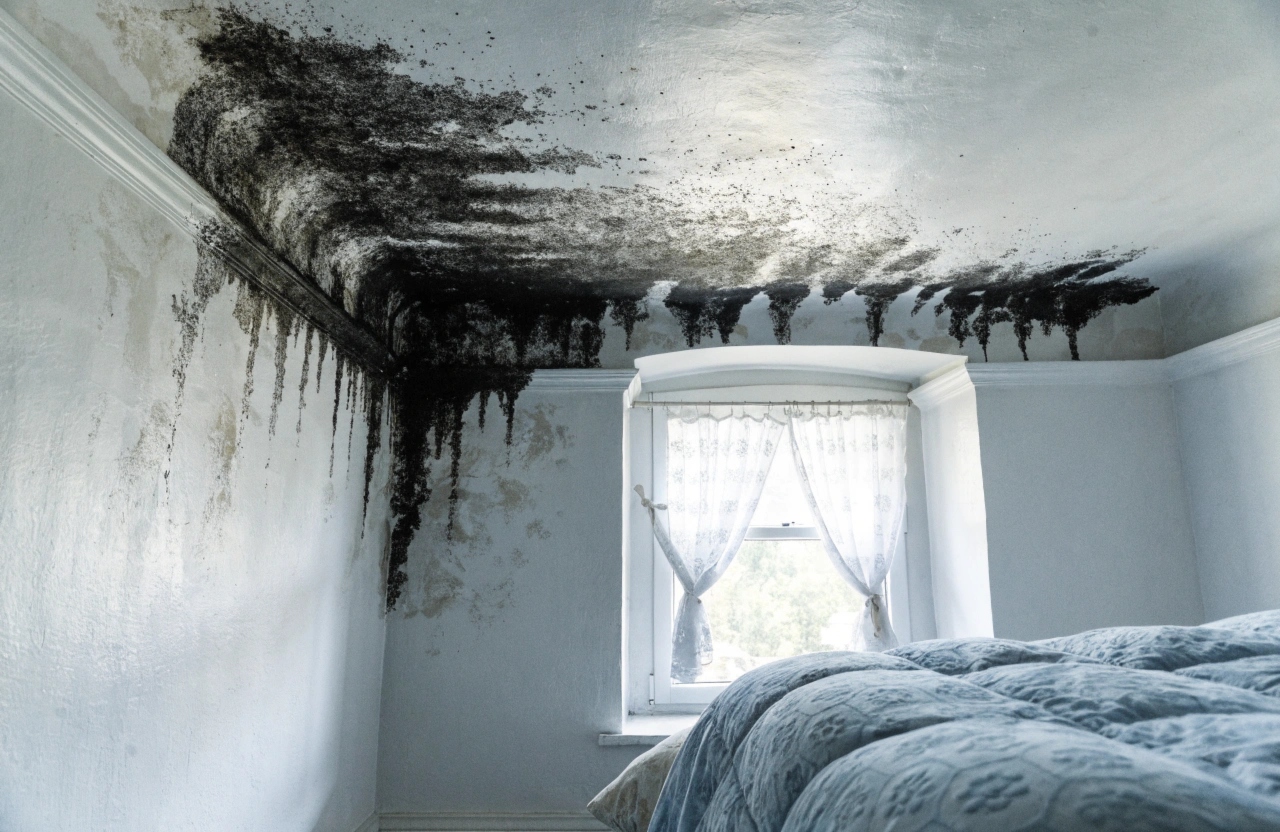
Bedroom & Living Room Mould Removal
Mould in living spaces is particularly concerning because these are the rooms your family spends the most time in. Ceiling mould, wall mould behind furniture, and growth around window frames are common presentations in Central Coast homes — particularly in older properties with single-glazed windows and limited wall insulation. These rooms require thorough air quality testing alongside physical treatment.
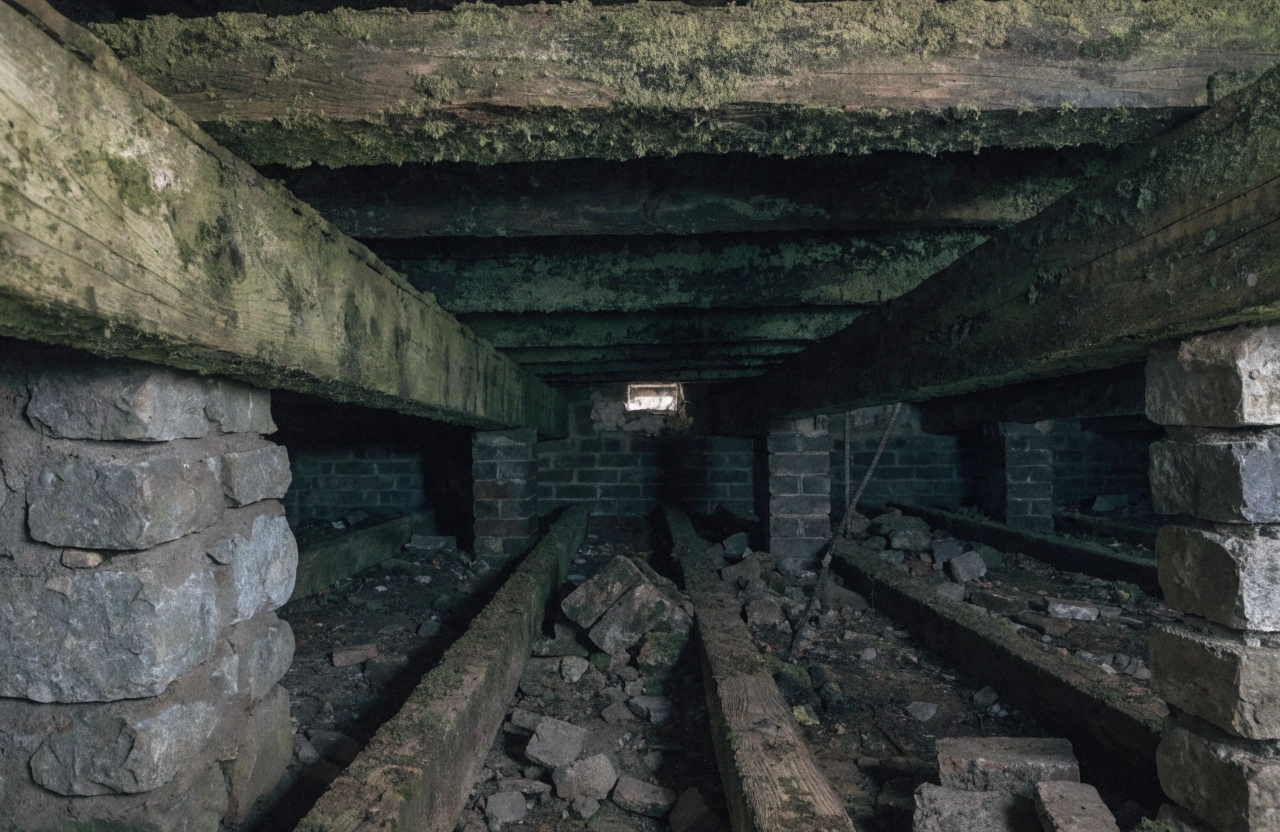
Roof Cavity, Subfloor & Crawl Space Mould Removal
These are the areas most Central Coast homeowners never inspect — and often where the most significant mould problems develop undetected. Roof cavities trap warm, humid air. Subfloors in older homes frequently lack adequate ventilation, creating persistently damp conditions that produce widespread mould growth across timber bearers and joists. By the time it becomes noticeable inside the home, it’s usually been there for a long time.
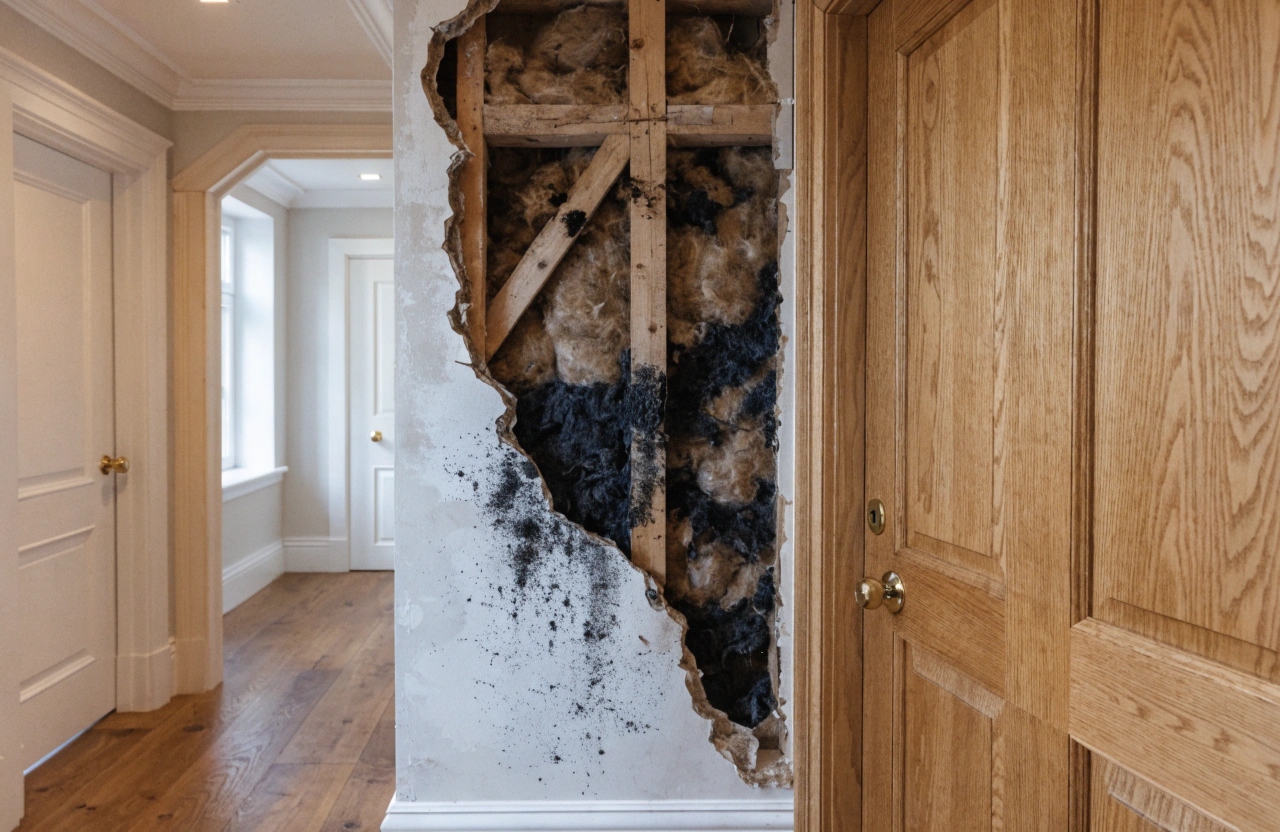
Mould Removal Behind Walls & Under Flooring
Water ingress events — whether from flooding, a plumbing leak, or sustained condensation — frequently drive mould growth into wall cavities and under flooring where it’s completely invisible from the surface. Plasterboard, timber framing, and flooring substrates are particularly susceptible. Treatment in these areas requires professional assessment to determine whether materials can be treated in place or need to be removed, dried, and replaced.
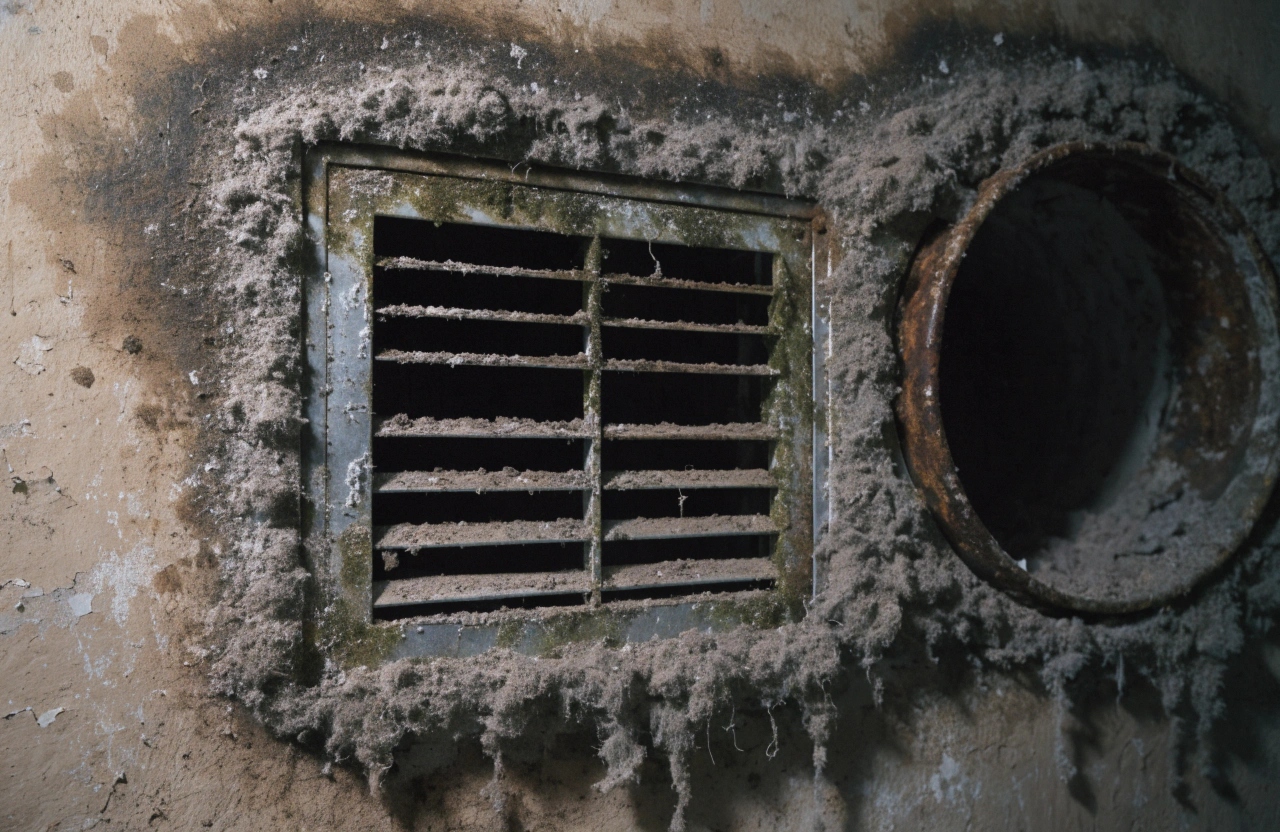
HVAC, Air Ducts & Insulation Mould Removal
A mould problem inside your air conditioning system or ductwork is a different category of concern entirely. Every time the system runs, it distributes spores through the air across every room in the home. Insulation batts that have absorbed moisture become a long-term mould reservoir that no surface treatment will resolve. ClearAir assesses and treats HVAC systems and insulation as part of a whole-home remediation approach — because treating one area while leaving another untouched is not a solution.
Mould Removal After Water Damage & Flooding
Some mould problems build slowly over years of coastal humidity. Others arrive overnight. A storm that pushed water under the door, a burst pipe behind the laundry wall, a roof that gave way during a heavy summer downpour — when water gets into a home and isn’t dealt with properly, mould follows. The frustrating part is that by the time you see it, it’s been growing inside your walls and under your floors for weeks.
Post-Flood Mould Risks on the Central Coast
Wyong, Umina Beach, South Gosford, and Tuggerah sit in some of the most flood-affected land on the Central Coast. After every significant rain event, the pattern repeats. Water comes in, gets mopped up, and life gets back to normal — until the smell arrives a few weeks later. Flood water doesn’t just wet a surface. It carries organic material and contaminants deep into wall cavities, subfloor timbers, and flooring substrates. A hardware store dehumidifier and some open windows won’t reach the moisture locked inside the structure of your home. That’s what drives post-flood mould, and that’s what requires professional equipment to resolve.
Emergency Mould Removal Services
Speed is everything after a water damage event. The longer affected materials stay damp, the deeper the mould establishes itself and the more material ends up needing replacement rather than treatment. ClearAir provides emergency response for Central Coast properties dealing with flooding or acute water damage — same and next day where the situation calls for it. Getting a professional on site quickly isn’t an overreaction. It’s the decision that keeps a manageable job from becoming a structural one.
Structural Drying & Moisture Control
Professional structural drying is the step most post-flood clean-ups skip entirely — and the reason mould comes back after what felt like a solid effort. Industrial drying equipment extracts moisture from inside wall cavities, subfloor spaces, and flooring substrates in ways that consumer gear simply can’t match. Moisture readings are taken throughout the process to confirm materials have returned to safe levels before any treatment or reinstatement work begins. For properties in flood-prone suburbs, moisture control and damp proofing after remediation adds a layer of protection against the next event — not just fixing what happened, but reducing what’s possible next time.
Residential, Rental & Strata Mould Removal
A mould problem looks different depending on who’s dealing with it. For a homeowner, it’s a health concern and a maintenance headache. For a landlord, it’s a legal obligation with a ticking clock. For a strata committee, it’s a dispute waiting to happen. ClearAir works across all three — with documentation and reporting built around what each situation actually requires.
For owner-occupiers, the goal is simple: a safe home, a permanent fix, and written confirmation the job has been done properly. Whether you’ve been managing a recurring patch for two winters or discovered something unexpected during a bathroom renovation, ClearAir’s residential remediation process takes you from inspection through to verified clearance with full documentation at the end. No guessing whether it worked. No crossing your fingers when winter comes around again.
Mould in a rental sits at a difficult intersection of health, responsibility, and law. Under the NSW Residential Tenancies Act and NSW Fair Trading guidelines, landlords have clear obligations to keep properties in reasonable repair. Where mould stems from structural issues, water ingress, or inadequate ventilation — rather than tenant behaviour — the responsibility for fixing it sits with the property owner. Ignoring a documented complaint opens the door to Fair Trading proceedings and tribunal hearings. ClearAir’s remediation reports document the cause, the treatment, and the post-remediation verification in a format that holds up in any formal dispute process — protecting landlords, supporting property managers, and giving tenants the independent evidence they need if a complaint needs to go further.
Strata mould jobs are among the most complex we handle. The core challenge is always the same: establishing where the responsibility sits before the argument about who pays begins. Mould traced to common property plumbing or shared building fabric falls under body corporate responsibility. Mould originating within a lot owner’s internal fixtures is typically theirs to resolve. When that line is disputed, costs escalate and the process stalls. ClearAir’s strata reports are structured specifically to cut through that — documenting the moisture source, the affected areas across common and lot owner spaces, and the treatment required for each. It gives committees, strata managers, and insurers the clarity they need to move forward without a prolonged dispute.
Why Central Coast Families Choose ClearAir
Finding someone willing to treat mould isn’t hard. Finding a company that identifies the source, treats the cause, tests the outcome, and puts it in writing is a different matter entirely. That’s what ClearAir is built around.
Certified Local Specialists — Not Out-of-Town Operators
The Central Coast has its own housing stock, its own flood history, and its own climate profile. ClearAir works exclusively across this region — from Gosford and Woy Woy through to Wyong, Budgewoi, and Lake Munmorah. That local knowledge shapes every inspection and every treatment decision we make. It changes the outcome.
Fully Documented Remediation Reports
Every ClearAir job ends with a written remediation report covering initial findings, the treatment process, and post-remediation results — in a format that stands up in insurance claims, tenancy disputes, and property sale disclosures. For homeowners who’ve spent months worrying about their family’s health, that report is the thing that finally lets them stop.
Post-Remediation Air Quality Verification
Once treatment is complete, ClearAir tests the indoor air to confirm spore counts have returned to safe levels. Those results go into your report — independent documented evidence rather than just our word for it. For households with children or anyone with a respiratory condition, this is the step that answers the question: is this home safe now?
Insurance Claim Support
ClearAir’s documentation is built to meet insurer requirements — cause identification, damage scope, treatment, and verification in a single report. We work directly with assessors and loss adjusters so you’re not navigating that process alone.
Frequently Asked Questions About Mould Removal on the Central Coast
The health risks associated with mould depend on the species present, the concentration of spores in the indoor air, and the sensitivity of the people living in the home. Some mould species produce mycotoxins that can cause respiratory irritation, persistent coughing, headaches, and aggravated asthma — particularly in children, elderly residents, and people with existing respiratory conditions. Black-coloured mould is not automatically the most dangerous type, but any mould growth inside a living space warrants professional assessment rather than assumption. Air quality testing is the only reliable way to determine whether the mould in your home represents a genuine health concern for your family.
Because cleaning removes the visible growth but leaves the moisture source completely untreated. Retail mould sprays work on the surface — they don’t penetrate affected materials, they don’t identify where the moisture is coming from, and they don’t change the conditions that allowed the mould to grow in the first place. On the Central Coast, where ambient humidity is persistently high and many homes have underlying moisture issues in subfloors, wall cavities, and roof spaces, surface cleaning is a temporary fix at best. Mould returns because the environment that produced it hasn’t changed.
Visible mould is rarely the full extent of the problem — particularly in Central Coast homes that have been through water ingress events or have older building fabric with limited moisture management. Signs that mould may be present inside wall cavities or under flooring include a persistent musty smell that doesn’t resolve after cleaning, discolouration or bubbling of paint or wallpaper, soft or warped wall surfaces, and unexplained allergy or respiratory symptoms in household members. Professional inspection with moisture detection equipment and air quality testing is the only reliable way to assess what’s happening inside the structure of your home.
This depends on the scope of the remediation and the areas being treated. For contained jobs in a single room or area, it’s often possible for the rest of the home to remain occupied with appropriate precautions in place. For larger remediation projects — particularly those involving roof cavities, subfloors, HVAC systems, or significant wall cavity treatment — temporary relocation during the treatment phase may be recommended to protect household members from spore disturbance during the process. ClearAir will advise you clearly on this before any work begins, so you can make the appropriate arrangements without surprises on the day.
Mould removal pricing varies significantly based on the scope of the problem, the areas affected, the materials involved, and whether structural drying or material replacement is required alongside treatment. A single bathroom with surface mould sits at a very different price point to a whole-home remediation following a flood event. What ClearAir provides before any work begins is a written quote that breaks down exactly what’s involved — so you understand what you’re paying for and why, rather than receiving a number with no context. Inspection and assessment gives us the information needed to quote accurately, and that quote is provided before you commit to anything.
Your remediation report documents the full scope of the job from start to finish. This includes the findings from the initial inspection, the pre-remediation air quality and mould testing results, the containment and treatment process carried out, the specific areas and materials treated, and the post-remediation air quality verification results confirming that spore counts have returned to safe levels. The report is structured to be meaningful in insurance claims, tenancy tribunal proceedings, strata disputes, and property sale disclosures — not just a receipt for services rendered.
Under the NSW Residential Tenancies Act and NSW Fair Trading guidelines, landlords are required to maintain rental properties in a reasonable state of repair. Where mould results from structural issues, water ingress, inadequate ventilation built into the property, or any cause outside of tenant behaviour, the responsibility for remediation sits with the landlord. Failure to act on a documented mould complaint can result in Fair Trading proceedings, Civil and Administrative Tribunal hearings, and compensation orders. A professional remediation report documenting the cause and the treatment outcome is the most effective protection a landlord has in any formal dispute process.
Timeframes depend on the scope of the job. A single-room bathroom or bedroom remediation is typically completed within a day. Larger jobs involving multiple rooms, subfloor or roof cavity treatment, structural drying, or material replacement will run across multiple days. ClearAir provides a clear timeline as part of the written quote process — before any work begins — so you can plan accordingly. Post-remediation verification testing is carried out after treatment is complete, and the final report is delivered once those results are confirmed.
Untreated mould can impact property valuations, complicate building and pest inspection reports, and create disclosure obligations that affect a sale. Structural mould that has damaged timber framing, plasterboard, insulation, or flooring substrates represents a genuine asset risk beyond the surface presentation. A fully documented ClearAir remediation report — particularly one that includes pre and post air quality testing — provides evidence that the problem has been professionally resolved, which is meaningful both for your own peace of mind and for any future buyer, conveyancer, or insurer who asks about it.
ClearAir services the full Central Coast region from Gosford and Woy Woy in the south through to Wyong, Budgewoi, and Lake Munmorah in the north. This includes Terrigal, Erina, Avoca Beach, The Entrance, Tuggerah, Umina Beach, Ettalong Beach, Gosford, Woy Woy, Wyoming, Niagara Park, Lake Haven, San Remo, and all surrounding suburbs. If you’re unsure whether your address falls within our service area, a quick call will confirm it immediately.
ClearAir Mould Removal — serving the Central Coast from Gosford to Wyong, including Terrigal, Woy Woy, The Entrance, Tuggerah, Umina Beach, Ettalong Beach, Avoca Beach, Budgewoi, and all surrounding suburbs. Same and next day inspections available. Fully documented remediation reports on every job.
