
Fast Response Water Damage Solutions for Leaking Roofs
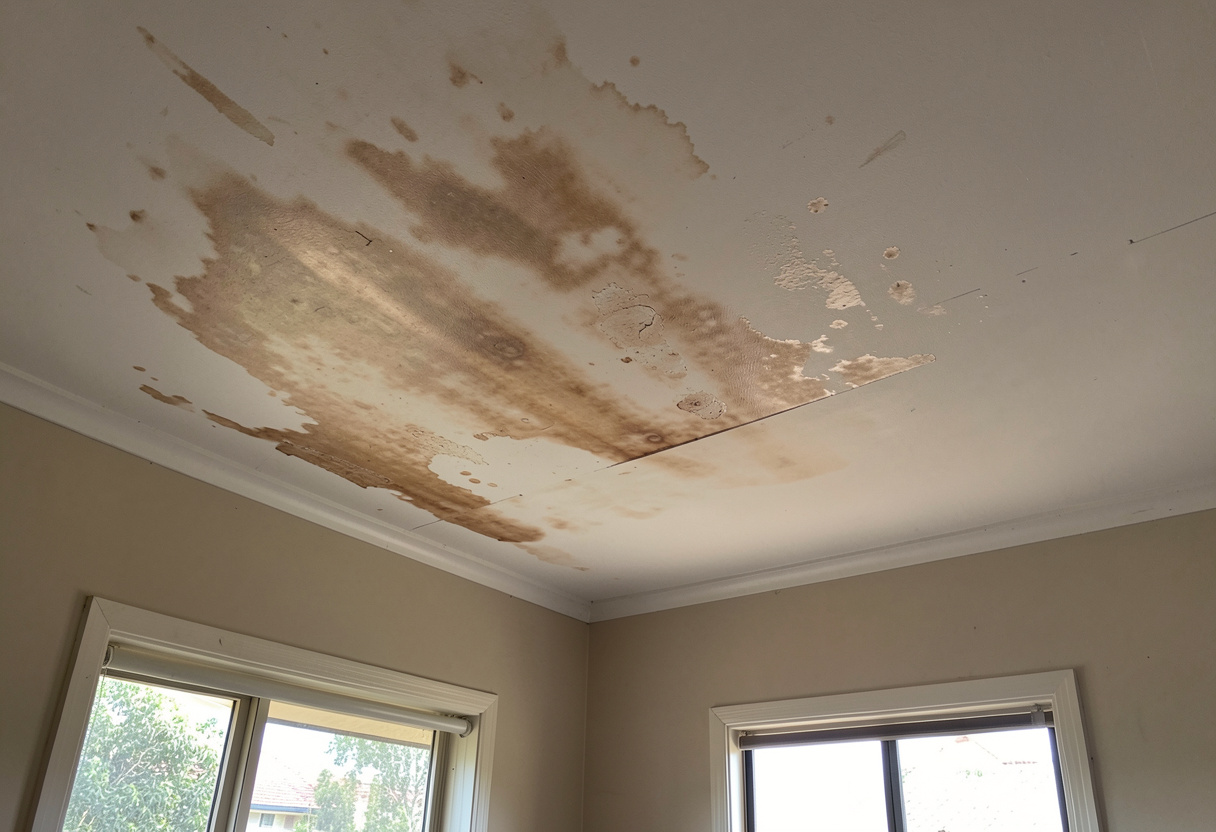
The Central Coast gets hit hard every storm season. And while most homeowners are watching for burst pipes or flooding, it’s the roof leak that quietly does the most damage — soaking through insulation, saturating ceiling plasterboard, and creeping into wall cavities for weeks before a single water stain appears inside.
With a large proportion of Central Coast homes carrying ageing terracotta tile roofing, worn ridge capping, and original flashings well past their service life, roof leaks aren’t a surprise. They’re a predictable reality of living here. The problem isn’t the leak itself — it’s how much hidden damage accumulates before anyone notices.
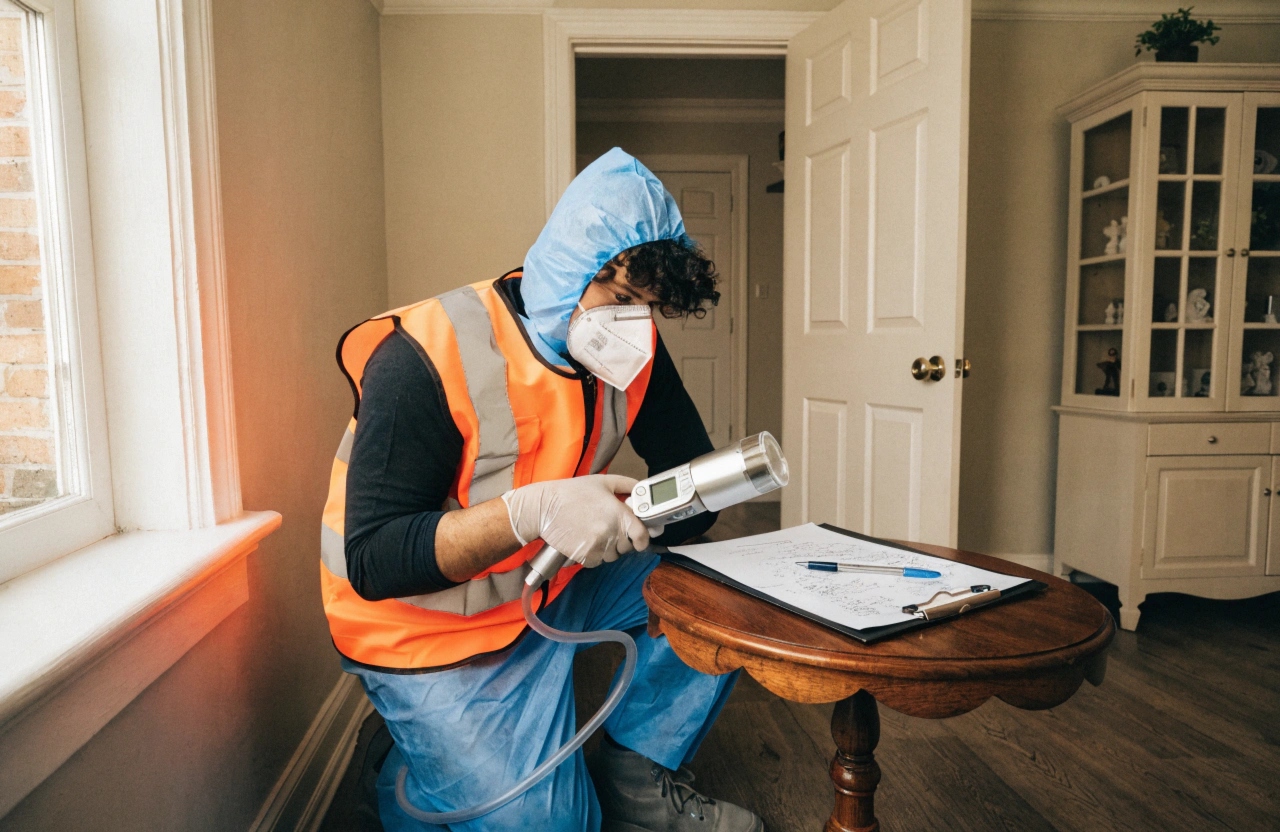
We provide leaking roof water damage assessment and restoration across the Central Coast, using thermal imaging to find what you can’t see and drying the building fabric properly before mould takes hold.

Where Roof Leaks Enter — And What They Damage Inside
The Hidden Damage Problem With Roof Leaks
Most water damage announces itself. A burst pipe, an overflowing bath, a flooded laundry — you know immediately. A leaking roof is different. It works silently, over weeks and sometimes months, and by the time a water stain appears on your ceiling or paint starts bubbling, the damage inside the building fabric is almost always significantly worse than what’s visible from below.
The reason comes down to insulation. Ceiling insulation — whether it’s batts or loose-fill — acts like a sponge during a roof leak. It absorbs moisture and holds it long after the rain stops, maintaining elevated humidity in the ceiling cavity continuously. That sustained moisture environment drives mould growth on ceiling plasterboard, timber rafters, and ceiling joists without producing any visible sign inside the home. The insulation masks the problem from below while the damage compounds above.
By the time internal staining appears, sagging plasterboard develops, or a musty smell reaches the living areas, the concealed damage is typically far more advanced than the visible symptom suggests. Stripping back ceiling plasterboard on a job that looked like minor surface staining and finding extensively moulded framing and saturated insulation across half the ceiling cavity is not uncommon on Central Coast properties with older roofing.

Insurance and Documentation
Storm-related roof leaks — damage caused by a sudden weather event, falling debris, or extreme wind — are typically covered under standard home building insurance policies in Australia. Gradual deterioration leaks, where a roof has been in decline over time and the damage has accumulated slowly, often fall outside standard policy coverage.
The distinction matters, and insurers will ask for it. We provide thermal imaging moisture mapping reports and written damage assessments that document the extent of water ingress and the condition of affected building materials — giving you the documentation needed to support a storm-related roof leak claim with your insurer.
Mould Risk in Roof Leak Scenarios
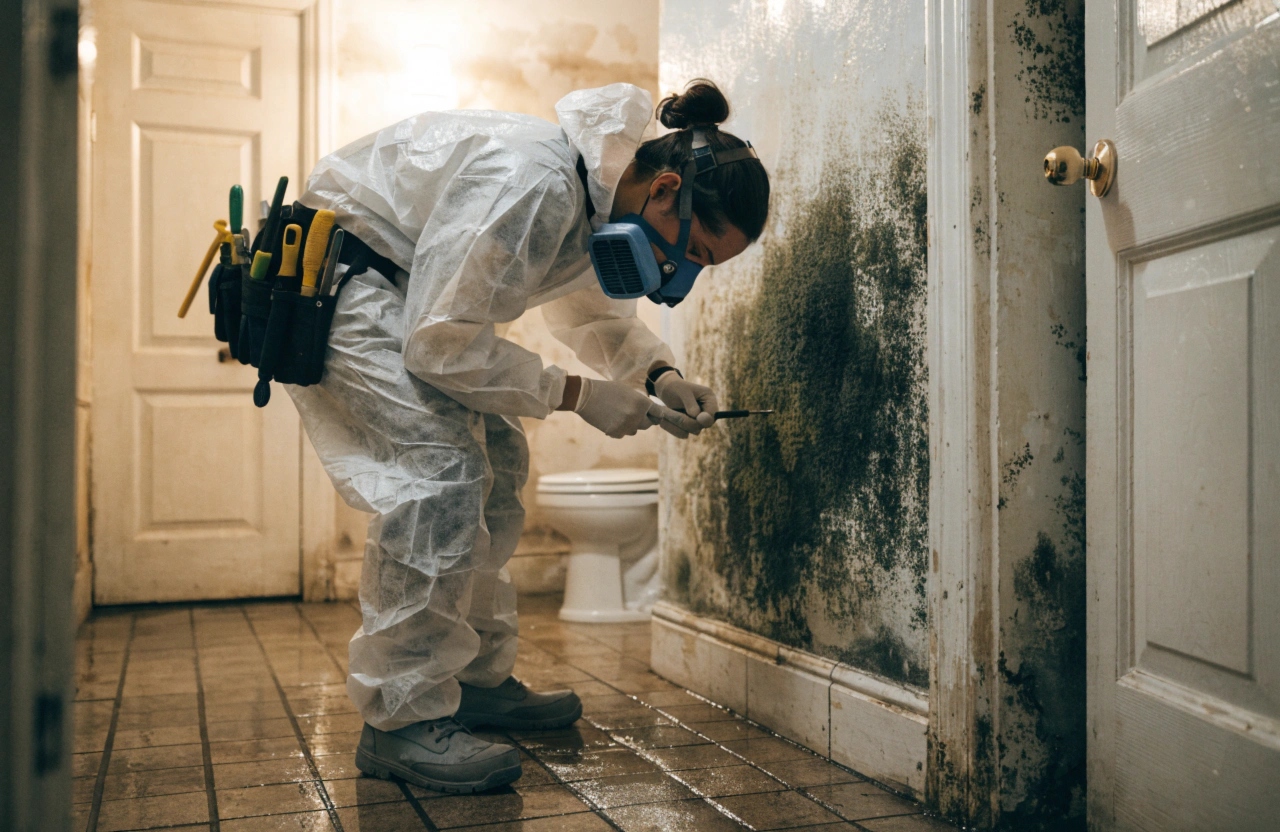
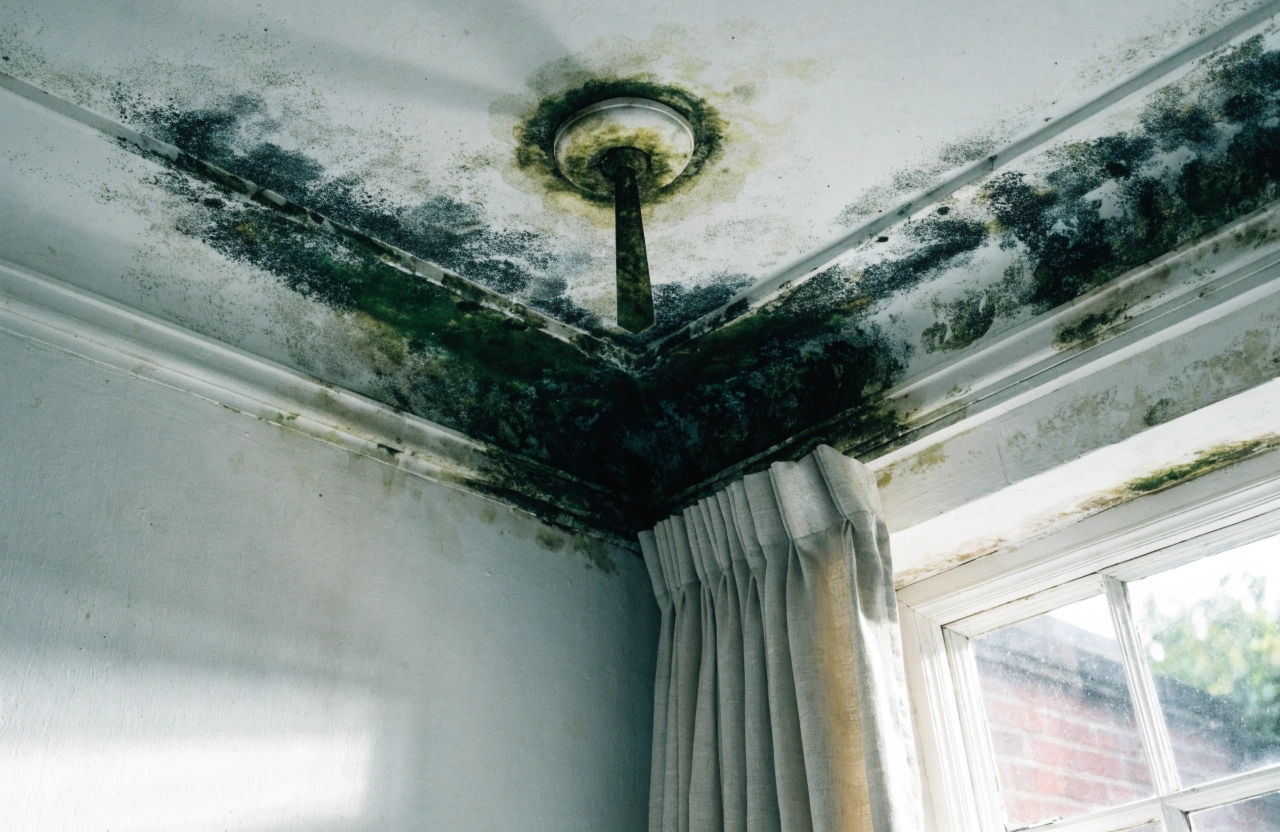
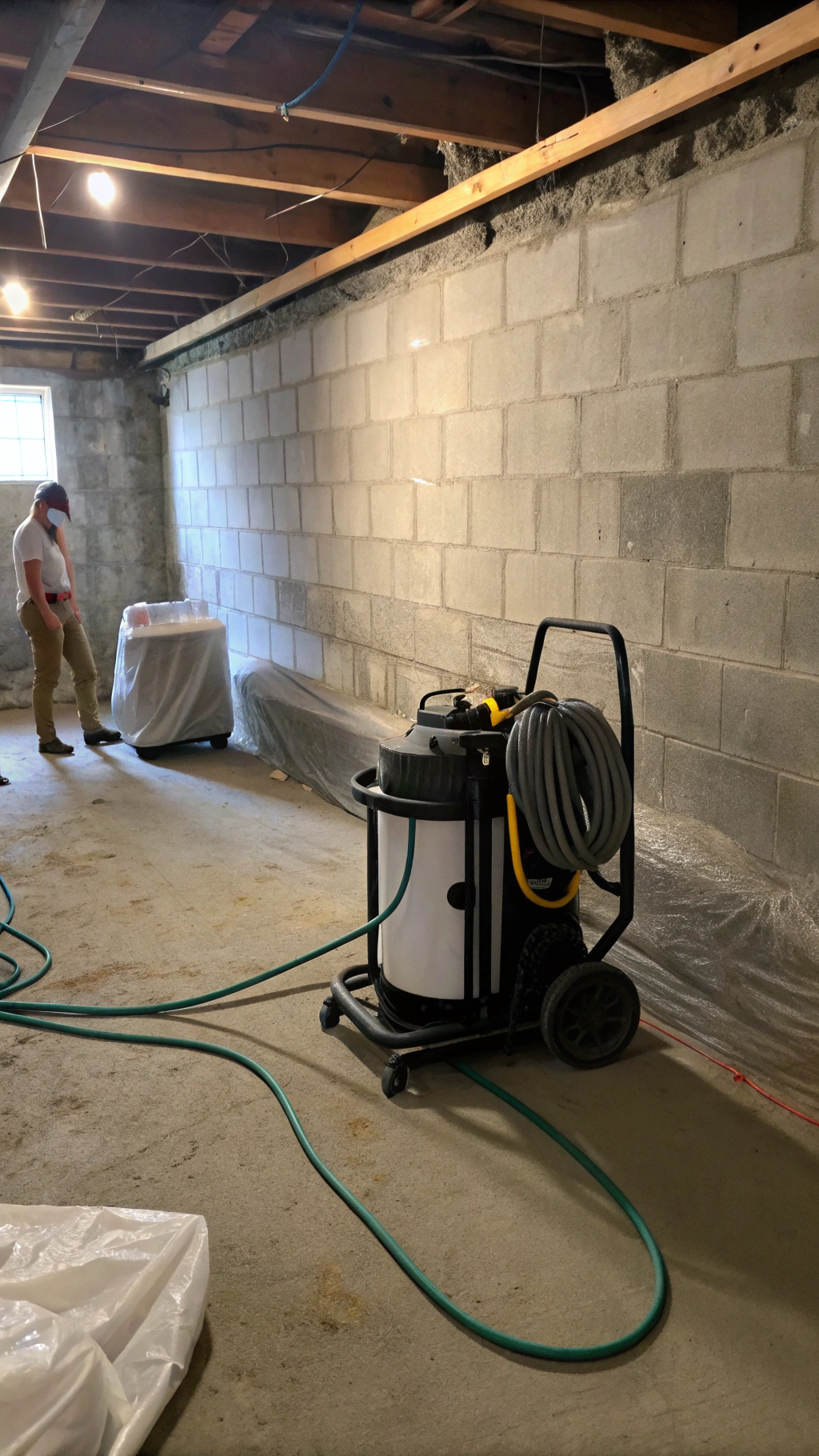
A ceiling cavity with an active or recently repaired roof leak is one of the fastest mould colonisation environments in a residential property. Warm air rises and collects in the ceiling space. The cavity is dark and enclosed. When a slow leak introduces consistent moisture, you have everything mould needs to establish and spread rapidly — and very little to slow it down.
Mould established in a ceiling cavity doesn’t stay there. Airborne spore concentrations rise throughout the home as mould colonies mature and release spores into the air that circulates through ceiling vents, light fittings, and exhaust pathways. Those spores settle on wall surfaces, inside wardrobes, and in other cavities — beginning secondary colonisation well before the roof leak source has even been identified or repaired.
For Central Coast homeowners, the risk is amplified by the region’s baseline humidity. Coastal and lakeside suburbs like Woy Woy, The Entrance, Ettalong Beach, and Umina Beach already sit at elevated ambient humidity levels year-round. A moisture-saturated ceiling cavity in these locations doesn’t dry out between rain events the way it might in a drier climate — it stays damp, and mould growth accelerates accordingly.
This is why roof leak water damage restoration on the Central Coast isn’t just about drying what you can see. The ceiling cavity needs to be assessed, the insulation condition evaluated, and where mould colonisation has established, proper remediation carried out before new plasterboard or insulation goes back in.
Frequently Asked Questions About Leaking Roof Water Damage
An active leak typically produces a stain with a soft, damp centre and a darker outer ring that grows or changes between rain events. An old stain tends to be dry to the touch, uniformly discoloured, and stable in size. That said, appearance alone isn’t reliable — a stain that looks dry can sit above insulation that’s still holding significant moisture. Thermal imaging is the only way to confirm whether retained moisture is still present in the ceiling cavity above the visible stain.
Not always immediately, but the conditions a roof leak creates — sustained moisture, warmth, and darkness in the ceiling cavity — are near-perfect for mould colonisation. On the Central Coast, where ambient humidity is already elevated, mould can establish in a ceiling cavity within 24 to 72 hours of sustained moisture exposure. The slower and longer the leak, the higher the likelihood that mould has developed above the ceiling line even if nothing is visible from below.
Natural drying of a saturated ceiling cavity — relying on ventilation and ambient conditions alone — can take weeks on the Central Coast, particularly during humid summer months or in poorly ventilated roof spaces. Insulation retains moisture far longer than plasterboard or timber, and can remain damp enough to sustain mould growth long after surrounding materials appear dry. Professional drying with structural drying equipment — air movers and dehumidifiers placed to create airflow through the cavity — accelerates the process significantly and reaches moisture levels that passive drying won’t achieve in a reasonable timeframe.
Storm-related damage generally is. If a weather event caused or directly contributed to the roof leak — heavy rain, hail, wind, or falling branches — that’s typically a claimable event under a standard home building policy. Leaks resulting from gradual wear, lack of maintenance, or pre-existing deterioration are generally excluded. Documenting the timeline of the damage, the weather event involved, and the condition of affected materials with a professional moisture assessment report gives you the strongest possible basis for a storm-related claim.
Leaking Roof Water Damage on the Central Coast? Get It Assessed Before It Spreads
A roof leak doesn’t stop doing damage just because the rain does. The moisture is still in there — sitting in your insulation, tracked along your rafters, working into your plasterboard — and every week it stays, the restoration scope grows.
If you’ve noticed ceiling staining, a musty smell after rain, or you know your roof has taken a hit in a recent storm, get a thermal imaging assessment done before you commit to any repair work. You need to know what’s actually up there.
We assess, dry, and restore leaking roof water damage across the Central Coast — from Gosford and Wyong to Terrigal, Woy Woy, The Entrance, and everywhere in between.
Call us today for a same-day assessment.
