
The 48-Hour Window: Why Speed Defines the Outcome
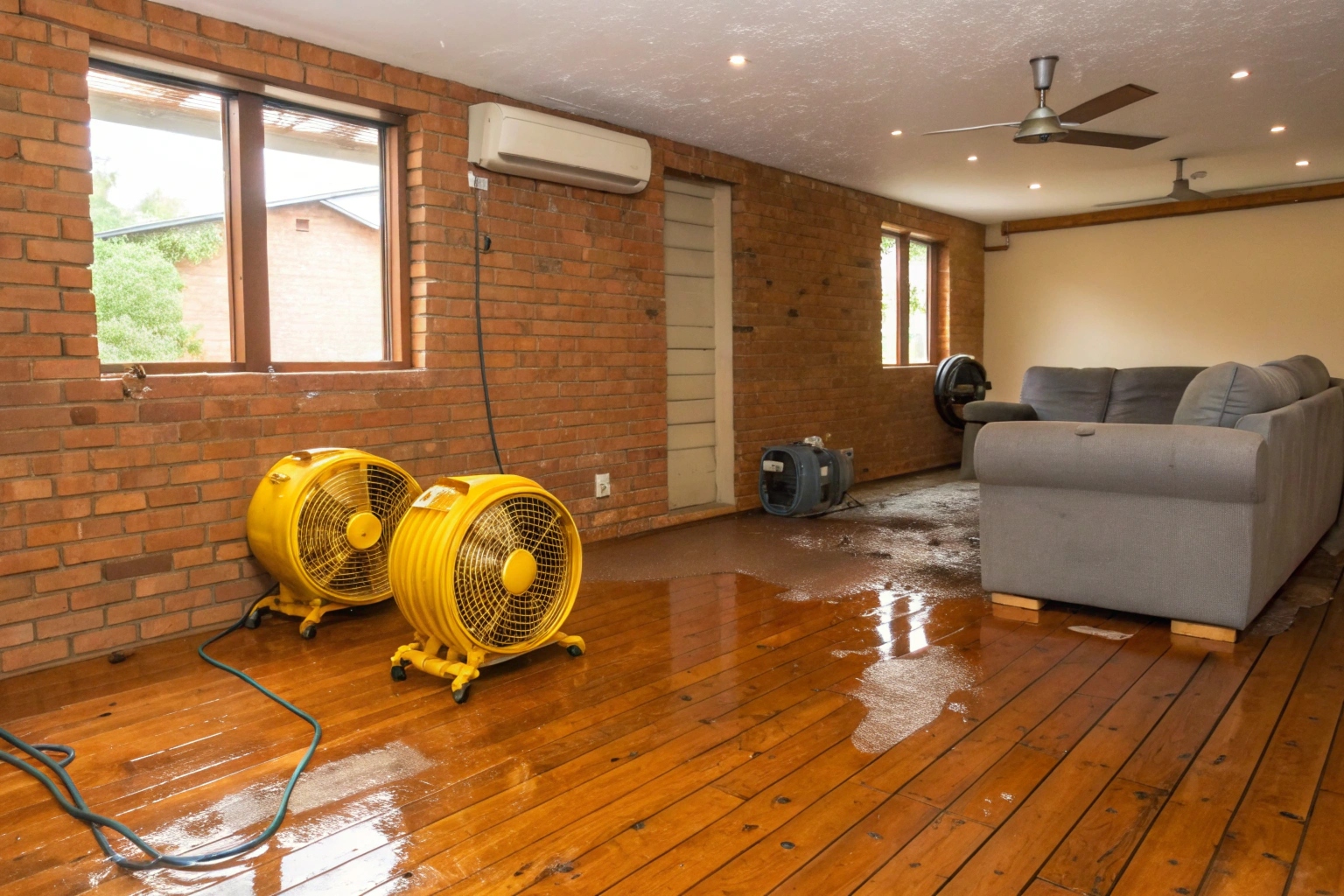
The single most important factor in water damage restoration outcomes is how quickly professional drying begins. Within 24 to 48 hours of a water damage event, mould spores already present in the environment begin germinating on wet building materials — plasterboard, insulation, carpet underlay, timber framing, and flooring substrates all provide ideal conditions for rapid mould colonisation.
By 72 hours, visible mould growth can establish on saturated surfaces. Within a week of unaddressed water damage, contamination levels in affected areas can escalate to a point where full mould remediation — not just drying — becomes necessary. That shift dramatically increases the cost, the disruption, and the time required to return your property to a safe and liveable condition.
This is why the difference between calling a professional water damage restoration service on day one versus day three isn’t a minor one. It can be the difference between a contained drying scope and a full remediation project involving wall cavity access, insulation removal, and mould treatment across multiple rooms.
The cost of waiting compounds fast:
• 0–24 hours: Extraction and drying scope is typically contained
• 24–48 hours: Moisture migration into cavities and substrates increases
• 48–72 hours: Mould germination begins on saturated materials
• 72+ hours: Visible mould growth and significantly expanded remediation scope
Act fast — professional restoration started early protects both your property and your budget.

Water Damage Scenarios We Restore Across the Central Coast
The Central Coast’s coastal climate, ageing housing stock, and exposure to severe weather events create a broad range of water damage situations that require professional restoration. Each scenario presents its own challenges and restoration requirements.
Contents Restoration — Protecting What's Inside Your Home
Structural drying addresses the building itself — but water damage restoration on the Central Coast extends to everything inside it. Furniture, flooring, cabinetry, carpet, and personal belongings affected by water damage can frequently be restored rather than replaced, provided professional drying and treatment is applied promptly.
This is a meaningful financial consideration for both homeowners and insurers. The cost of contents replacement across even a moderately affected room — flooring, cabinetry, soft furnishings, and personal items — can exceed the cost of professional restoration many times over. Prompt contents assessment and treatment protects that value.
What contents restoration typically covers:
• Carpet and underlay — extraction, drying, and antimicrobial treatment where saturation hasn’t compromised the substrate bond
• Timber and laminate flooring — moisture monitoring and controlled drying to prevent cupping, buckling, and permanent substrate damage
• Cabinetry and joinery — targeted drying to prevent delamination, swelling, and mould establishment inside enclosed spaces
• Furniture and soft furnishings — assessment, drying, and treatment where restoration is viable
• Personal belongings and documents — early intervention significantly improves recovery rates for items with sentimental or practical value
We assess all affected contents as part of the initial moisture mapping phase — identifying what can be restored, what requires specialist treatment, and what has passed the point where restoration is viable. That assessment becomes part of the documented restoration scope and supports the insurance claim process directly.
Water Damage Restoration and Your Insurance Claim
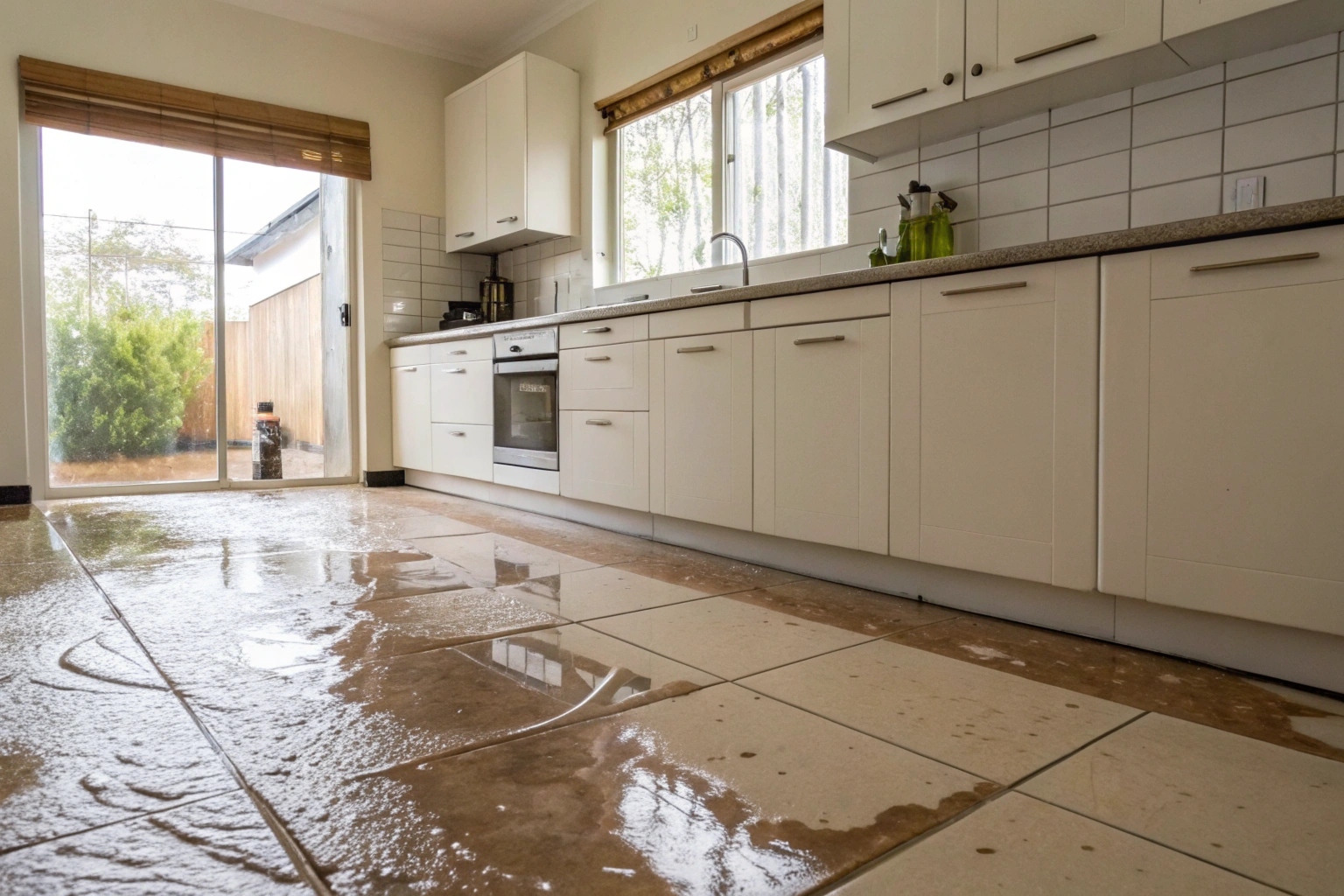
The majority of sudden and accidental water damage restoration events on the Central Coast are covered under standard home building and contents insurance policies. Burst pipes, appliance failures, and storm damage that results in water entering the property are typically claimable — and professional restoration costs form a legitimate and documented part of that claim.
We work directly with insurers and loss adjusters, providing the complete documentation package that supports a successful claim from the first contact through to final sign-off.
What we provide for your insurance claim:
• Moisture mapping reports — baseline and progressive readings across all affected surfaces and cavities
• Drying logs — daily moisture monitoring records demonstrating the drying process and equipment deployment
• Photographic documentation — comprehensive before, during, and after imagery of all affected areas
• Scope of works — detailed written documentation of all restoration activities undertaken
• Completion report — final moisture clearance results confirming the structure has been returned to acceptable moisture levels
For a homeowner already managing the stress of a water damage event, the administrative burden of an insurance claim adds a significant layer of pressure. We reduce that burden by preparing documentation to the standard insurers and loss adjusters require — reducing delays, disputes, and the back-and-forth that slows claim resolution.
Flood damage versus storm water ingress is a distinction some insurers apply when assessing claims — we can help clarify which category your event falls into and what that means for your policy coverage.
Property Managers and Landlords — We Understand Your Obligations
Water damage in a rental property on the Central Coast creates simultaneous obligations that need to be managed concurrently, not sequentially. The tenant’s health, safety, and quiet enjoyment must be protected. The owner’s asset must be professionally restored to prevent ongoing structural and mould damage. And the documentation trail that protects both parties legally needs to start from the moment the event is reported.
We work regularly with property managers and landlords across the Central Coast — and we understand the dual accountability that comes with a water damage event in a tenanted property.
What that means in practice:
• Response timeframes that protect the landlord’s legal position under NSW tenancy legislation — water damage that renders part of a property uninhabitable requires urgent remediation, not a scheduled appointment
• Tenant communication support — clear documentation of what has been found, what is being done, and what the expected timeline looks like
• Full restoration documentation for the property owner — moisture mapping reports, drying logs, completion certificates, and photographic records that satisfy both the insurance claim and the tenancy file
• Mould risk mitigation — professional drying and antimicrobial treatment that demonstrates the landlord has taken all reasonable steps to prevent mould establishment following the water damage event
• Integrated referral to building restoration and mould remediation services where the water damage scope extends beyond drying alone
One call handles the response, the documentation, and the restoration — reducing the coordination burden on the property manager from day one.
Our Water Damage Restoration Process — Step by Step
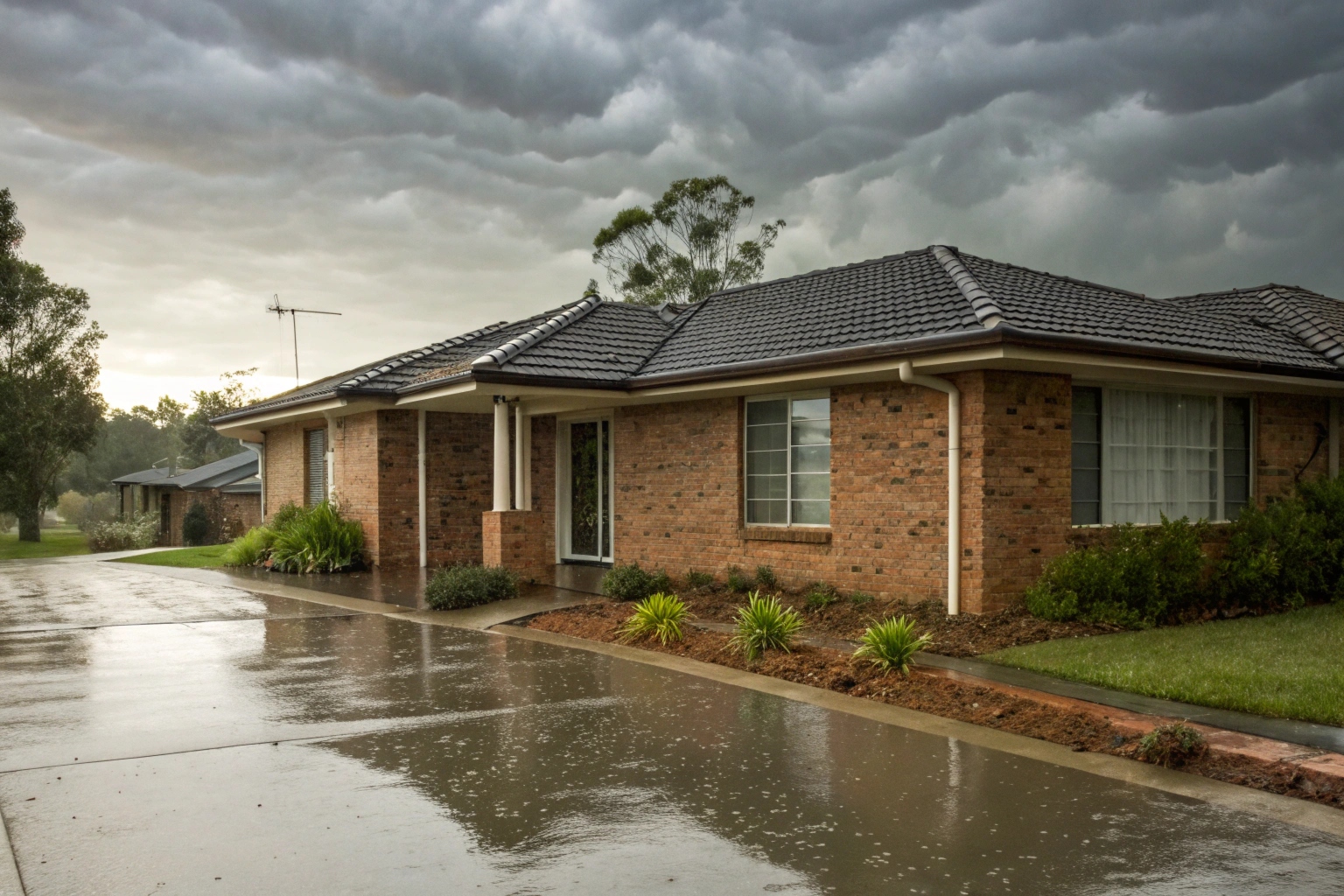
Every water damage restoration job we undertake on the Central Coast follows a structured workflow designed to deliver a fully documented, professionally executed outcome from first response through to final clearance.
Step 1 — Emergency Response and Initial Assessment We attend promptly, assess the full extent of the damage, identify the water source, and establish the restoration scope before any equipment is deployed.
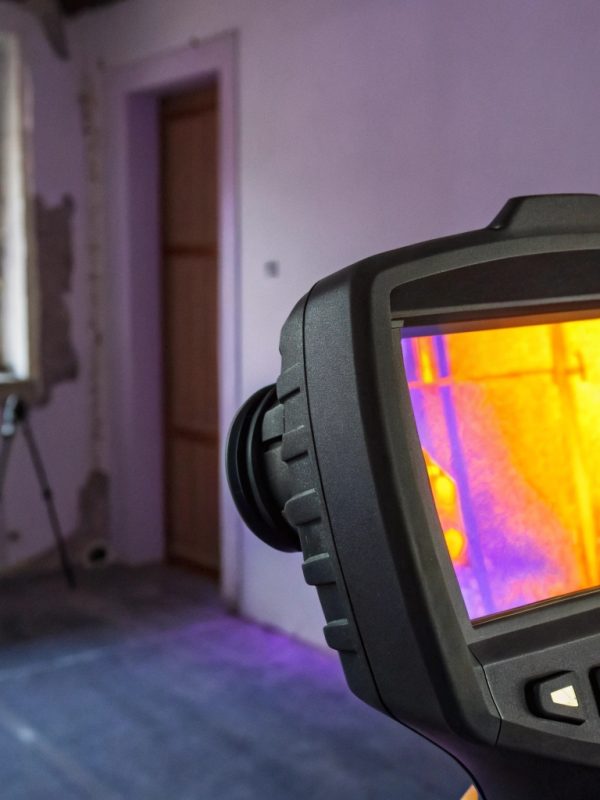
Step 2 — Water Extraction and Moisture Mapping Standing water is extracted using industrial equipment. Thermal imaging and moisture meters map all affected surfaces and cavities to establish baseline saturation levels.
Step 3 — Structural Drying with Industrial Equipment Air movers and dehumidifiers are placed strategically across all affected areas. Equipment selection and placement is driven by the moisture mapping data — not guesswork.
Step 4 — Daily Monitoring and Drying Log Maintenance Moisture readings are recorded across all monitoring points every day. Equipment is adjusted as conditions change throughout the drying period.
Step 5 — Antimicrobial Treatment Affected surfaces are treated with antimicrobial products during the drying process to prevent mould establishment before moisture levels return to safe ranges.
Step 6 — Final Moisture Clearance Testing All monitoring points are tested against target moisture levels. Clearance is only confirmed when every point meets the required standard.
Step 7 — Completion Report and Documentation A full completion report is issued covering all restoration activities, drying logs, clearance results, and photographic documentation.
Step 8 — Referral to Building Restoration and Mould Remediation Where the water damage scope requires it, we refer directly to building restoration and mould remediation services as part of our integrated end-to-end capability.
Frequently Asked Questions — Water Damage Restoration on the Central Coast
Mould spores begin germinating on wet building materials within 24 to 48 hours of a water damage event. Visible mould growth can establish within 72 hours on heavily saturated surfaces. Professional restoration started within the first 24 hours gives the best outcome for both mould prevention and overall restoration cost.
Not always. Walls that have been saturated but treated promptly with professional drying and antimicrobial treatment can frequently be restored without replacement. The decision depends on the saturation level, the materials involved, and how quickly professional drying began. Moisture mapping identifies exactly which wall areas require intervention and to what extent.
Most residential structural drying scopes take between three and five days with industrial equipment deployed correctly. Larger events, hidden cavity moisture, or delayed response can extend that timeframe. Daily moisture monitoring tracks progress and gives a clear picture of where the drying scope stands at every point.
Sudden and accidental water damage events — burst pipes, appliance failures, and storm water ingress — are typically covered under standard Australian home building and contents policies. Gradual leaks and maintenance-related damage are generally excluded. We provide full documentation that supports the claim process directly.
Water damage restoration addresses internal water events — burst pipes, appliance failures, roof leaks, and storm water ingress through the building envelope. Flood damage involves external rising water entering the property and is treated as a separate category by most insurers, with different policy conditions applying to each.
Fast, Professional Water Damage Restoration Across the Central Coast
When water damage happens, every hour matters. The difference between a contained restoration scope and a full mould remediation project often comes down to how quickly professional extraction and drying begins. We’re here to make sure that window works in your favour — not against you.
We service the entire Central Coast region — from Gosford and Wyong to Terrigal, Woy Woy, The Entrance, Budgewoi, and everywhere in between. Whether you’re a homeowner dealing with a burst pipe, a property manager responding to a tenant callout, or a landlord protecting your investment after a storm event, our team responds fast with the equipment, documentation, and expertise to restore your property properly.
Our water damage restoration service is fully documented from first attendance through to final moisture clearance — giving you the evidence trail your insurer needs and the peace of mind that the job has been done to a professional standard. No guesswork, no household fans, no hoping the moisture dries out on its own.
Call us now for an immediate response to your Central Coast water damage event. The sooner professional restoration begins, the better the outcome for your property, your contents, and your claim.
