
What NSW Law Says About Mould in Rental Properties
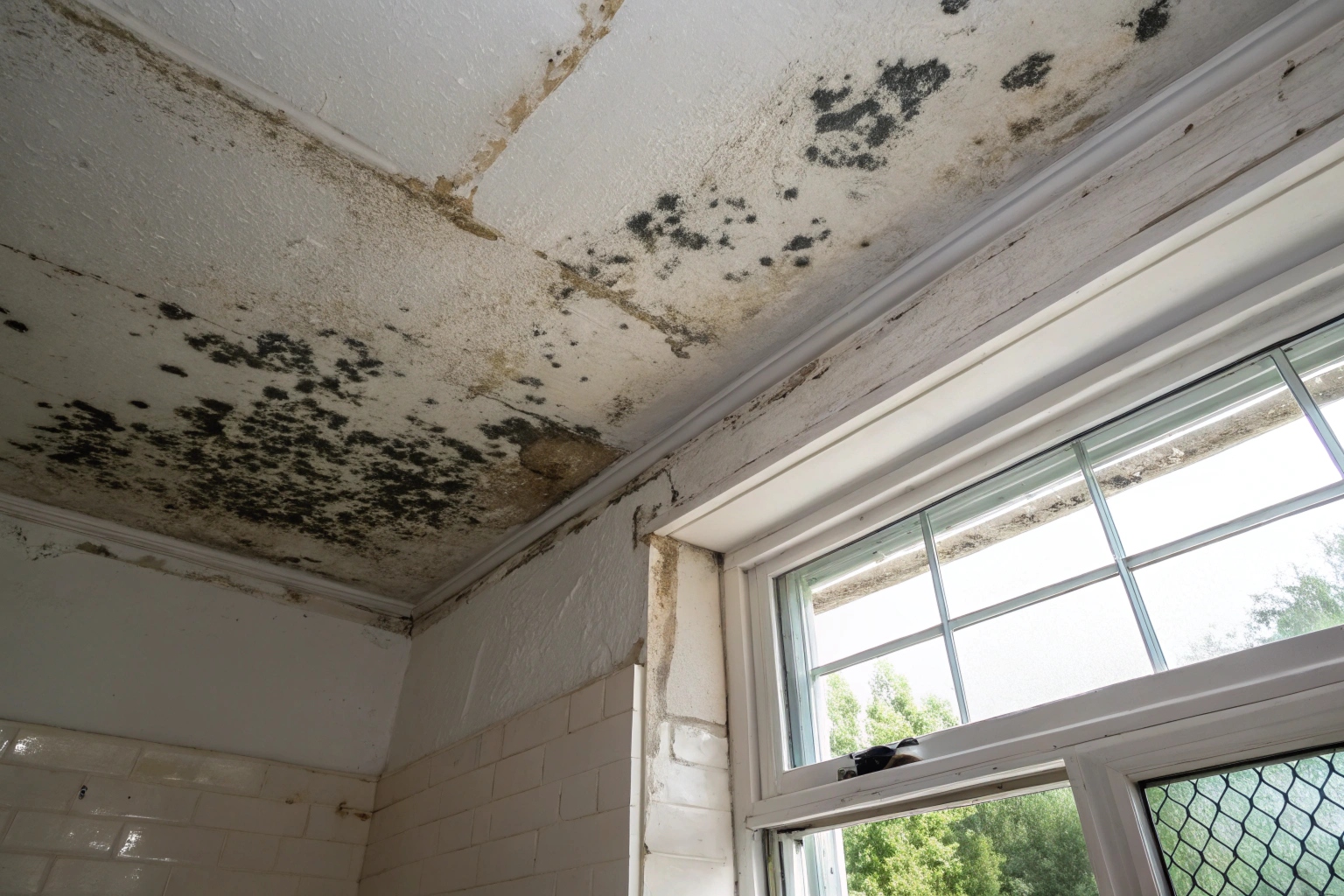
Under the Residential Tenancies Act 2010 and its significant 2020 amendments, NSW landlords carry a clear legal obligation to provide and maintain rental properties in a reasonable state of repair and fit for habitation. Mould is no longer a grey area under this legislation.
The 2020 amendments introduced minimum habitability standards for rental properties across NSW, including requirements around adequate ventilation and the absence of significant mould or damp caused by building structure or maintenance failures. These standards apply to every rental property on the Central Coast — regardless of the age of the dwelling or the length of the tenancy.
What This Means in Practice
For landlords, failure to remediate mould that stems from a structural or maintenance cause is a breach of the Act. Tenants have clear grounds to pursue compensation, rent reduction, or lease termination through the NSW Civil and Administrative Tribunal if that obligation is not met.
For tenants, the 2020 amendments strengthened your position considerably. Where mould results from building defects, water ingress, or inadequate ventilation infrastructure provided by the landlord, the law is on your side — and a professional inspection report documenting the cause is the most effective evidence you can present.
Understanding this framework is the starting point for resolving rental mould disputes efficiently and with the least possible cost to all parties involved.

Who Is Responsible for Mould in a Central Coast Rental Property?
Responsibility for rental property mould treatment depends on causation — and causation on the Central Coast is frequently mixed. Understanding how responsibility is typically allocated across common scenarios helps landlords, agents, and tenants approach the problem with realistic expectations.
For Landlords and Property Managers: The Cost of Delay
A mould complaint that sits unresolved gives tenants grounds to apply to the NSW Civil and Administrative Tribunal for a range of remedies — and the financial exposure grows the longer the property remains untreated.
What NCAT Can Award Against a Landlord
• Compensation for tenant belongings damaged by mould
• Rent reduction orders covering the period the property was not in a habitable condition
• Lease termination in serious cases where habitability standards have not been met
The cost of professional mould treatment with full documentation is a fraction of a contested tribunal award, associated legal costs, and lost rental income during vacancy or proceedings.
How We Work With Property Managers
We understand property manager timelines. When a mould complaint lands in your inbox, you need a fast response, a clear written scope, and a completion report that closes the file with documented evidence of professional remediation.
We provide:
• Same-week inspection availability across the Central Coast
• Written scope and quote issued promptly for landlord or owner approval
• Completion report with photographic evidence suitable for your management file
• Portfolio familiarity — we work regularly with Central Coast agencies across both emergency response and scheduled periodic inspections
A trusted mould treatment provider who fits your workflow and delivers consistent documentation is a significant operational asset across an entire rental portfolio.
For Tenants: Your Rights and the Steps Available to You
If your landlord or property manager has failed to address mould in your Central Coast rental property, you have a clear legal pathway available — and professional documentation strengthens your position at every stage of it.
The Formal Process
• Step 1: Submit a written request to your landlord or property manager detailing the mould problem and requesting remediation within a reasonable timeframe
• Step 2: If no action is taken, lodge a complaint with Fair Trading NSW to request formal mediation between you and the landlord
• Step 3: If mediation fails or is refused, apply to NCAT for a hearing — where a tribunal member can order repairs, compensation, rent reduction, or lease termination
Why a Professional Inspection Report Changes the Outcome
Photographs taken on a phone carry limited weight in a tribunal hearing. A certified inspection report from a qualified mould specialist documenting the presence, extent, and likely cause of mould carries significantly more authority — and is far harder for a landlord or their representative to dispute.
Our inspection reports are prepared with tribunal use in mind. They document moisture readings, identify probable sources, photograph affected areas systematically, and provide a professional assessment of causation — giving you independent evidence rather than a word-against-word dispute.
We work with Central Coast tenants directly and can turn around an inspection report quickly when your situation requires it.

Our Rental Property Mould Treatment Process
Every rental property mould job on the Central Coast follows a structured workflow designed to produce a documented, defensible outcome — not just a clean surface that returns within weeks.
Step 1: Initial Inspection and Moisture Assessment
We assess the full extent of mould presence across the property, take moisture readings in affected areas, and identify probable sources — structural, plumbing-related, or ventilation-based.
Step 2: Written Inspection Report
A formal report documenting mould presence, extent, photographic evidence, moisture data, and probable causation — suitable for landlord records, property management files, and NCAT proceedings.
Step 3: Treatment Scoping and Approval
We provide a clear written scope of works for landlord or agent approval before any treatment begins. No surprises, no scope creep.
Step 4: Professional Removal and Treatment
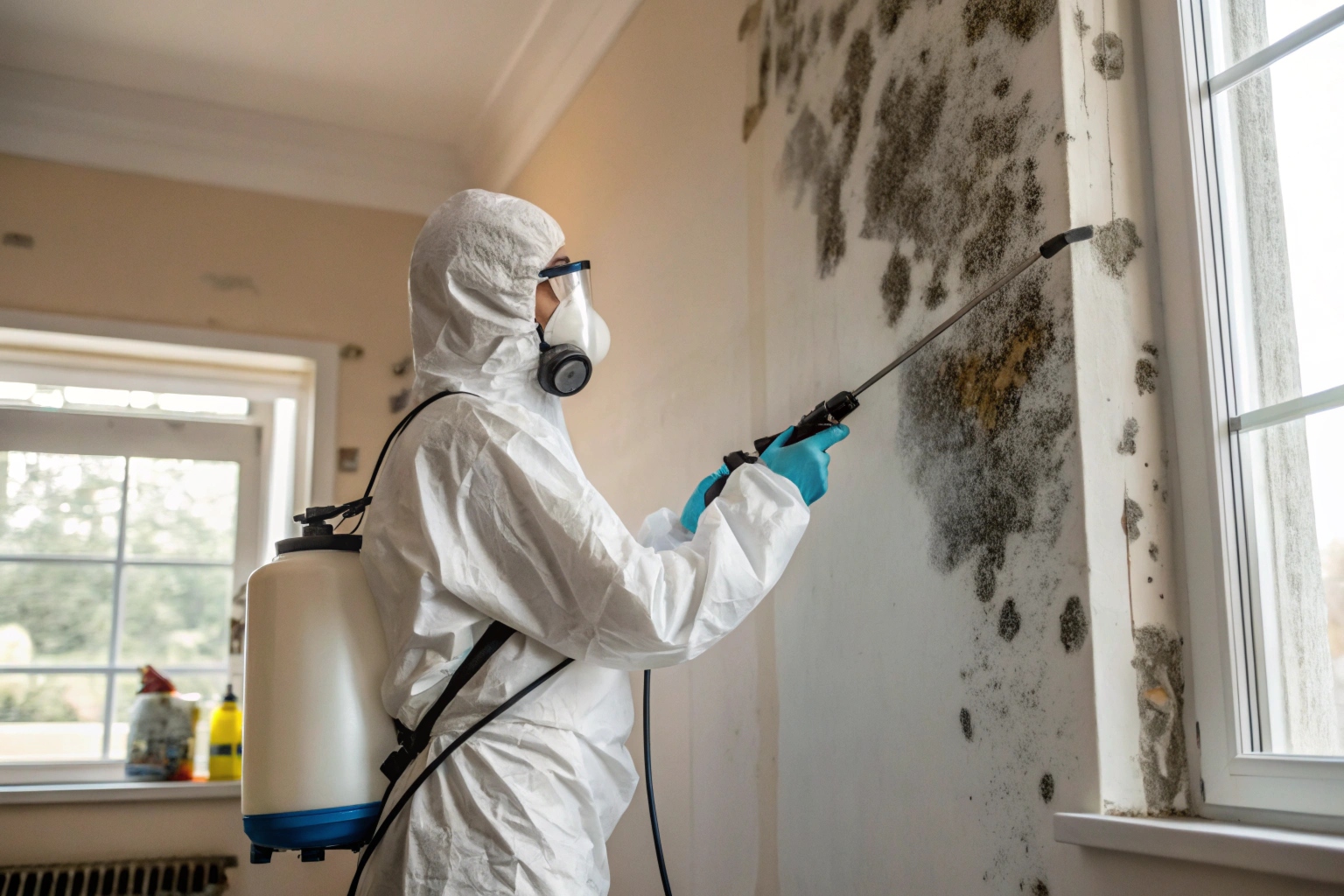
Antimicrobial treatment is applied to all affected surfaces using appropriate containment protocols. We treat the mould present and address surface conditions that support regrowth — not just visible staining.
Step 5: Post-Treatment Completion Report
A completion report with before-and-after photographic evidence is issued on job completion. This document closes the complaint file with professional evidence of full remediation.
Step 6: Optional Follow-Up Scheduling
For ongoing compliance monitoring across a rental portfolio, periodic follow-up inspections can be scheduled to identify moisture issues before they develop into a formal complaint or tribunal matter.
Why Central Coast Landlords, Agents and Tenants Call Us First
There is no shortage of cleaning services on the Central Coast. What separates a professional rental property mould treatment provider from a general cleaner is the documentation, the methodology, and the understanding of what is actually at stake in a rental property context.
We Know the Rental Context
We work regularly with Central Coast landlords, real estate agencies, and tenants navigating active mould disputes. We understand property manager workflows, landlord approval processes, and the documentation requirements that matter when a matter proceeds to NCAT. Our reports are written with that context in mind — not produced as an afterthought.
Treatment That Addresses the Source
Surface cleaning alone does not resolve mould in a rental property. Spores embedded in plaster, wall cavities, ceiling materials, and subfloor timbers require antimicrobial treatment applied with the right products and appropriate containment. We treat the cause alongside the symptom — reducing the likelihood of recurrence that triggers a second complaint.
Documentation That Protects All Parties
Every job produces a written inspection report and a post-treatment completion certificate. These documents serve landlords defending their position, property managers closing complaint files, and tenants pursuing their rights through Fair Trading or NCAT.
Fast Turnaround Across the Central Coast
From Gosford and Wyong to Terrigal, The Entrance, Tuggerah, and Woy Woy — we respond quickly, work within tight property management timelines, and deliver completed documentation without delay.
Frequently Asked Questions: Rental Property Mould on the Central Coast
Yes. Under the Residential Tenancies Act 2010 and the 2020 minimum standards amendments, landlords are obligated to maintain rental properties in a reasonable state of repair and free from significant mould or damp caused by building structure or maintenance failures. Mould resulting from structural defects, water ingress, or inadequate ventilation infrastructure is the landlord’s responsibility to remediate.
Submit a written request first, then lodge a complaint with Fair Trading NSW for mediation. If mediation fails, apply to NCAT for a formal hearing. A professional inspection report from a qualified specialist significantly strengthens a tenant’s position at every stage of this process.
In serious cases where mould renders the property uninhabitable and the landlord has failed to act after reasonable notice, NCAT can order lease termination. Each case turns on the severity of the mould, the landlord’s response, and the documented evidence available.
NSW law requires action within a reasonable timeframe — typically interpreted as promptly for habitability issues. Urgent repairs carry a shorter response obligation than general maintenance matters.
Yes. A certified inspection report documenting mould presence, extent, moisture data, and probable causation from a qualified specialist is admissible evidence in NCAT and carries considerably more weight than photographs alone.
Get Your Central Coast Rental Property Mould Problem Resolved Professionally
Whether you are a landlord facing a formal mould complaint, a property manager who needs a fast and documented response, or a tenant living with mould that has not been addressed — we provide the professional rental property mould treatment service that resolves the problem completely and produces the documentation that protects your position.
We service the full Central Coast region including Gosford, Wyong, Terrigal, The Entrance, Tuggerah, Woy Woy, Umina Beach, Avoca Beach, Toukley, and surrounding suburbs.
What you get when you call us:
• Same-week inspection availability
• Written inspection report documenting mould presence, moisture data, and probable cause
• Professional removal and antimicrobial treatment with appropriate containment
• Post-treatment completion certificate with photographic evidence
• Reports prepared for landlord records, property management files, and NCAT use
• Fast turnaround that works within property manager timelines
Rental property mould disputes move quickly once a tenant engages Fair Trading or NCAT. The earlier professional treatment and documentation are in place, the stronger the position of every party involved.
Contact us today for a same-week inspection across the Central Coast — and get the documented resolution your rental property situation requires.
