
What Is Crawl Space Mould and Why Is It Dangerous?
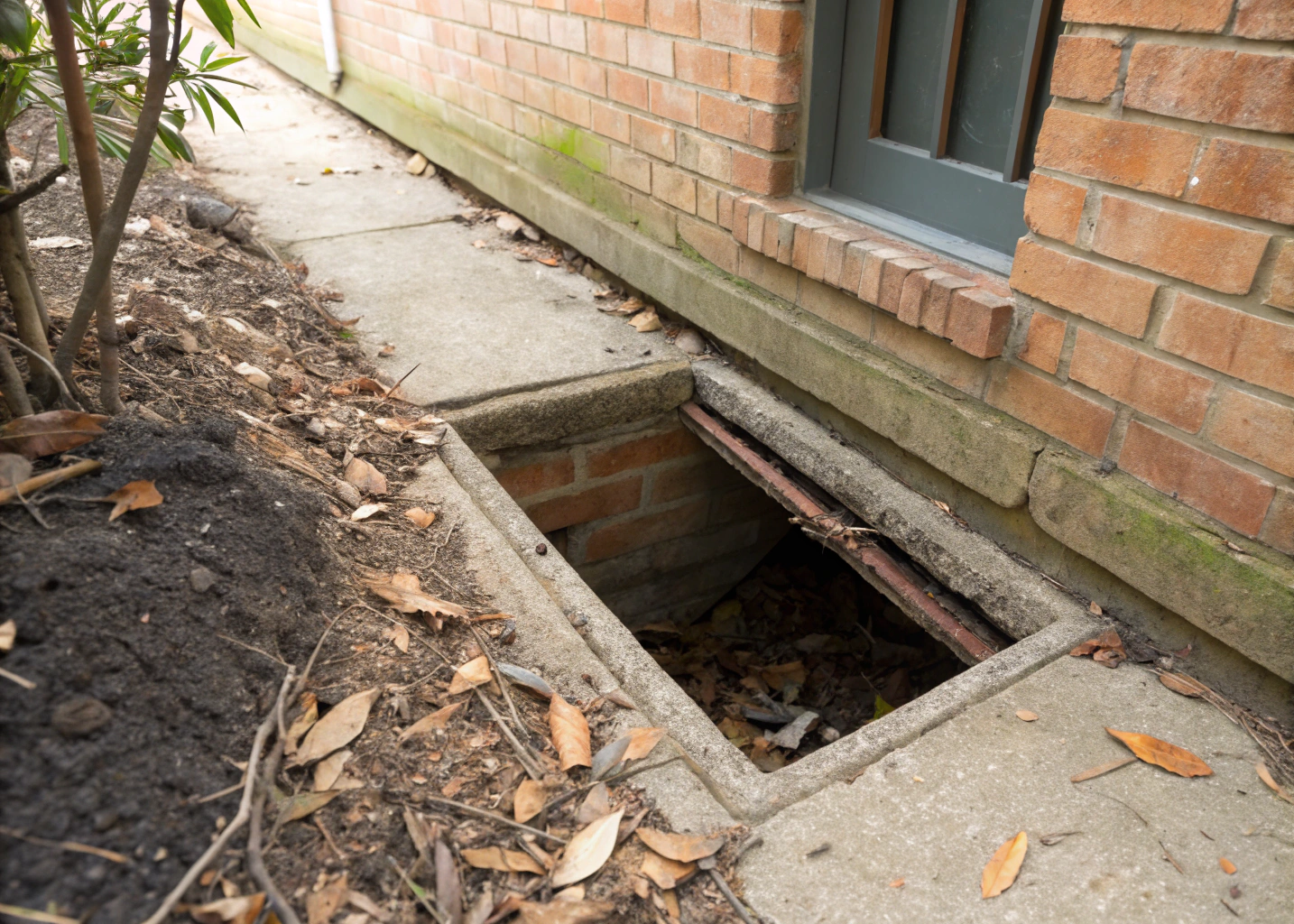
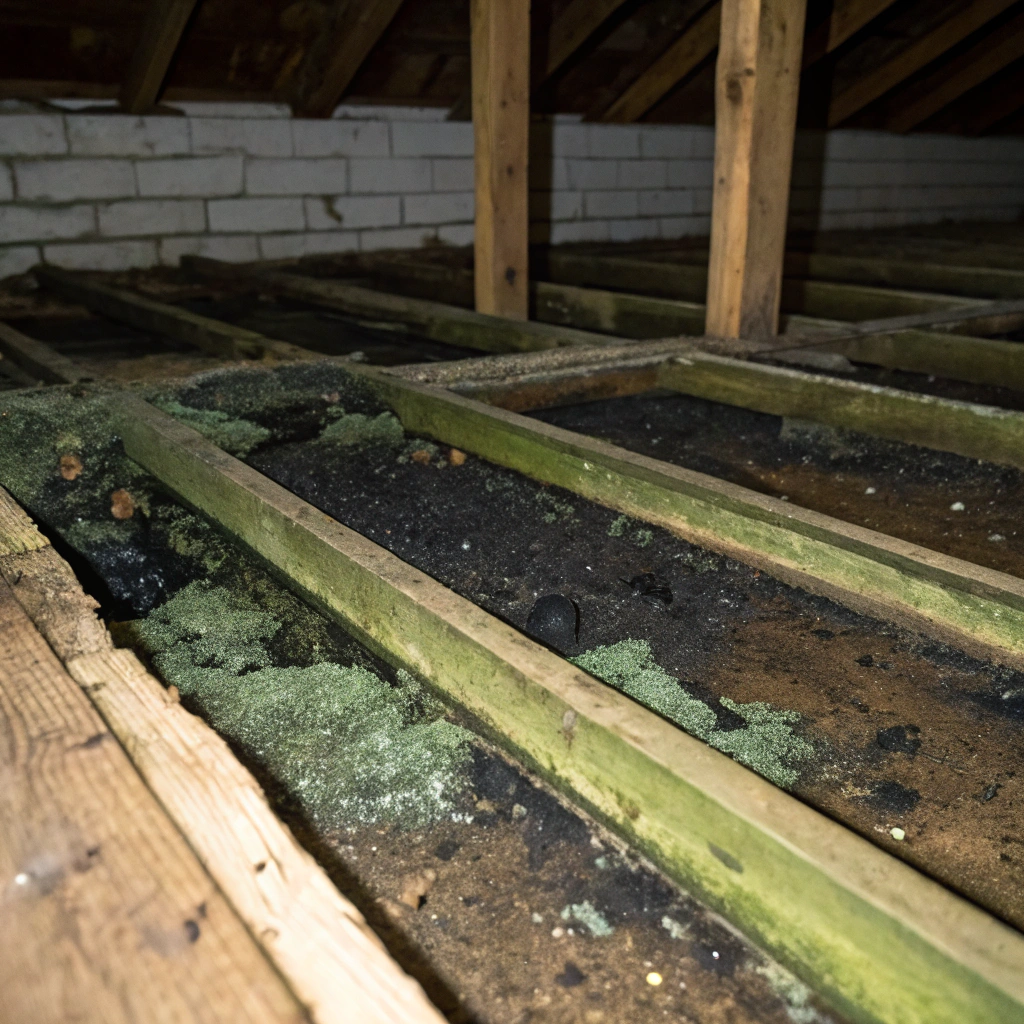
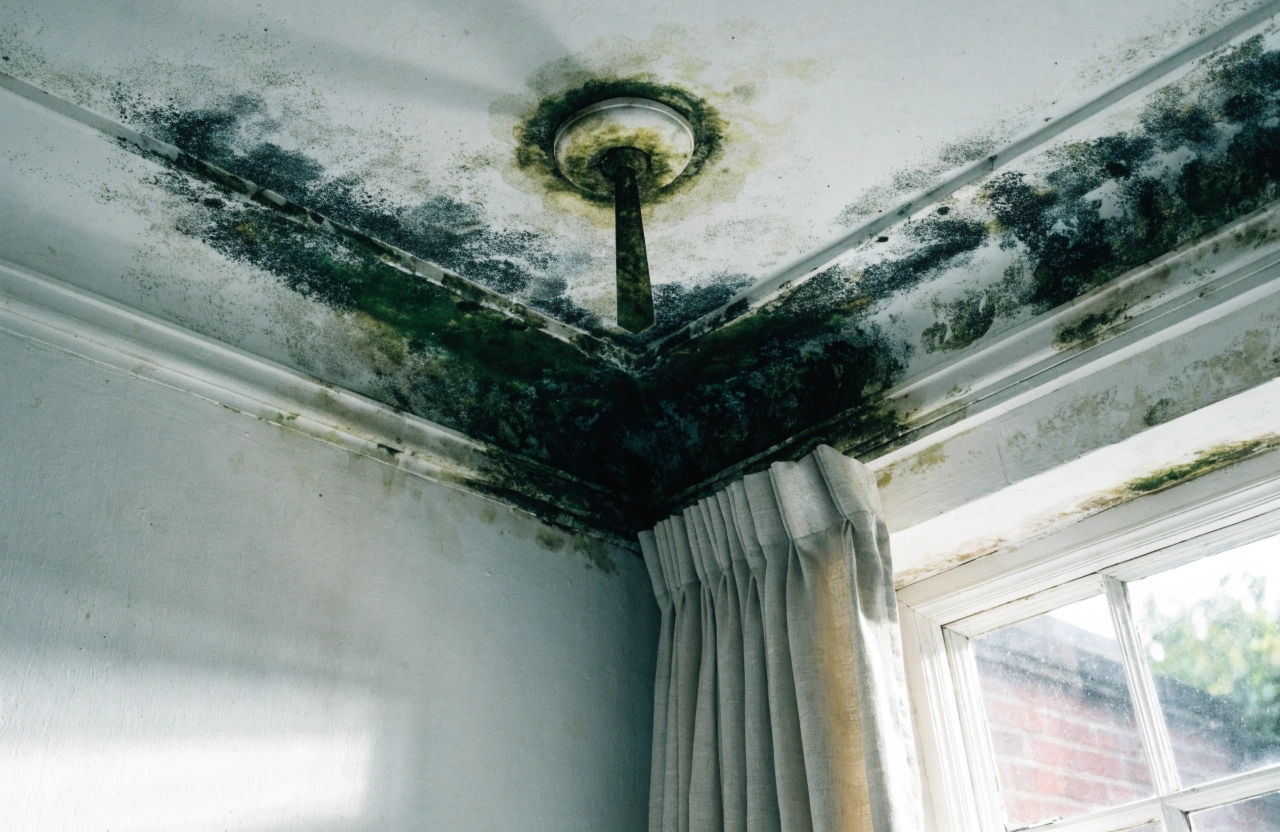
Crawl space mould is fungal growth that develops in the confined, low-clearance subfloor voids found beneath older Central Coast homes. Persistent ground moisture and poor ventilation create ideal conditions for mould to take hold — and because these spaces are rarely accessed, it’s usually well advanced before anyone notices.
Left untreated, crawl space mould causes:
- Spores and airborne particles moving into your living areas — up to 50% of the air inside your home originates from the subfloor space below
- Respiratory irritation and allergic reactions in household occupants, particularly children
- Mycotoxin exposure where black mould species are present
- Timber decay in the structural framing beneath your floor, including bearers and joists
- Degraded insulation reducing your home’s thermal performance
- Building inspection and property value implications if left unaddressed before sale
Surface cleaning won’t fix this. Professional remediation is the only reliable solution.

Why Central Coast Crawl Spaces Are Especially Vulnerable to Mould
The Central Coast produces some of the worst crawl space conditions in NSW — and it’s not hard to see why.
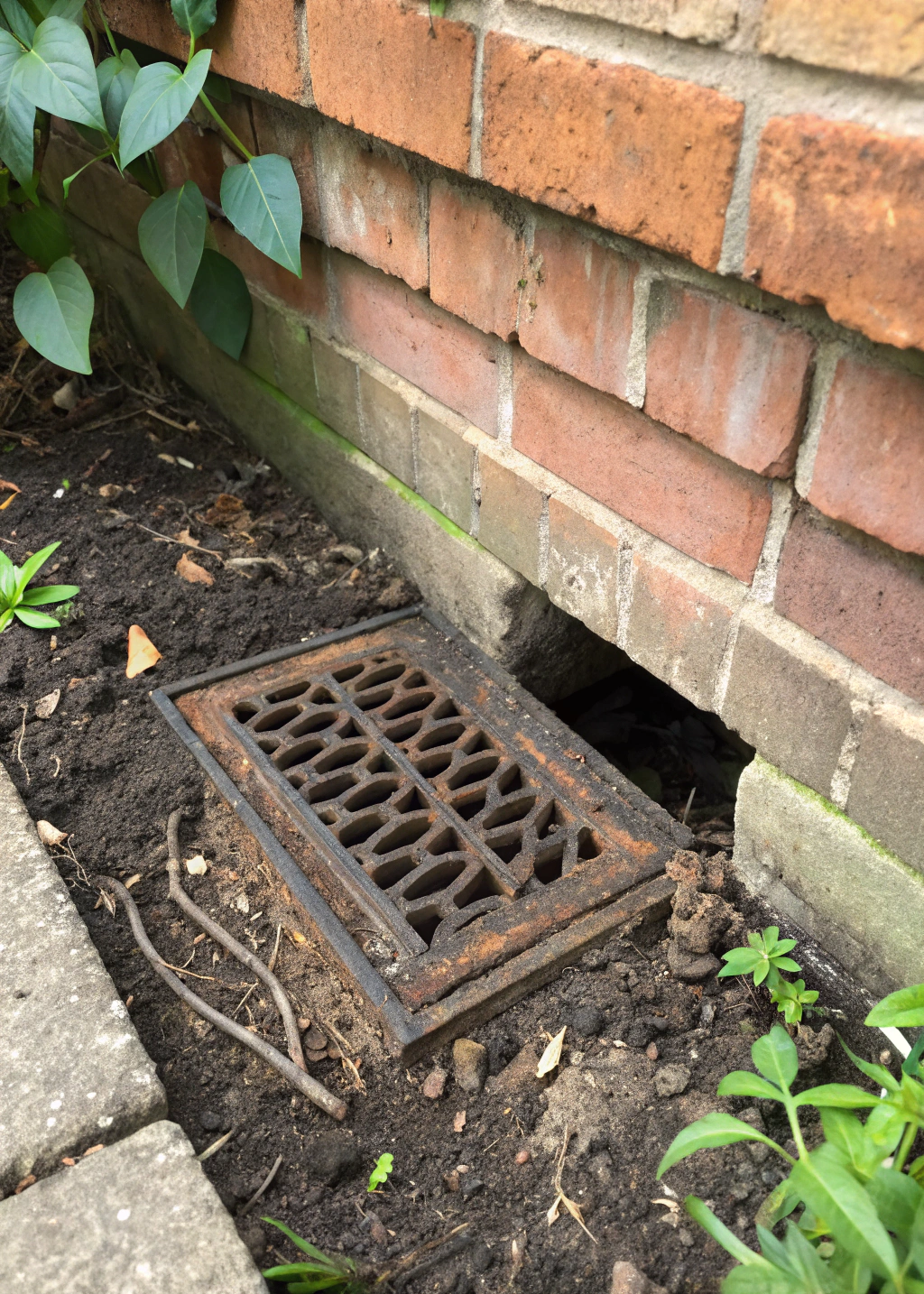
Ground moisture is persistent across the region. Ambient humidity sits between 70 and 85 percent for most of the year, climbing higher in waterfront suburbs like Woy Woy, Ettalong, and The Entrance. A large proportion of Central Coast homes were built between the 1960s and 1990s — an era when subfloor ventilation was minimal and vapour barriers were either inadequate or never installed. Decades later, those barriers have degraded and subfloor vents have blocked up, leaving moisture with nowhere to go.
Low-lying suburbs around Wyong, Umina Beach, and South Gosford are also flood-prone. When water gets under a house after heavy rain and has nowhere to drain, mould follows within days.
This is why crawl space mould on the Central Coast is often severe by the time it’s found.
How Crawl Space Mould Differs From Standard Subfloor Mould
Not all subfloor mould problems are the same, and the difference matters when it comes to who can actually do the work.
A standard subfloor space has enough clearance for a technician to move through it, assess what’s there, and treat it with conventional equipment. A crawl space is different. We define it as anything under 600mm of clearance — a space with structural obstacles, pipework, conduits, and often no clear path through at all.
Standard mould removal equipment doesn’t fit. Standard access methods don’t work. And standard treatment protocols can’t be applied properly when a technician can’t get close enough to the affected surfaces to do the job right.
This is why most general mould contractors decline crawl space work, or worse — assess it from the access point and treat only what they can reach from outside. That approach misses the majority of the affected area and leaves the problem largely in place.
Crawl space mould removal requires specific confined space training, purpose-built equipment, and a treatment process designed around restricted access. That’s what we bring to every job.
The Hidden Health Impact of Crawl Space Mould on Your Home Above
Most people never connect their family’s health symptoms to what’s happening beneath the floor. That’s what makes crawl space mould one of the most overlooked problems in older Central Coast homes.
What Confined Space Entry Actually Means for Mould Treatment
Entering a crawl space to treat mould isn’t the same as crawling under a house with a spray bottle. Under Australian workplace health and safety legislation, confined space entry is a regulated activity.
Regulatory Requirements for Confined Space Work: Safe Work Australia defines a confined space as an enclosed area not designed for continuous occupancy that presents specific risks — including atmospheric hazards and limited rescue options. A formal risk assessment is required before entry, atmospheric conditions must be tested, and a rescue plan must be in place. Most general contractors who attempt crawl space work don’t follow these requirements — meaning the job rarely gets done properly or safely.
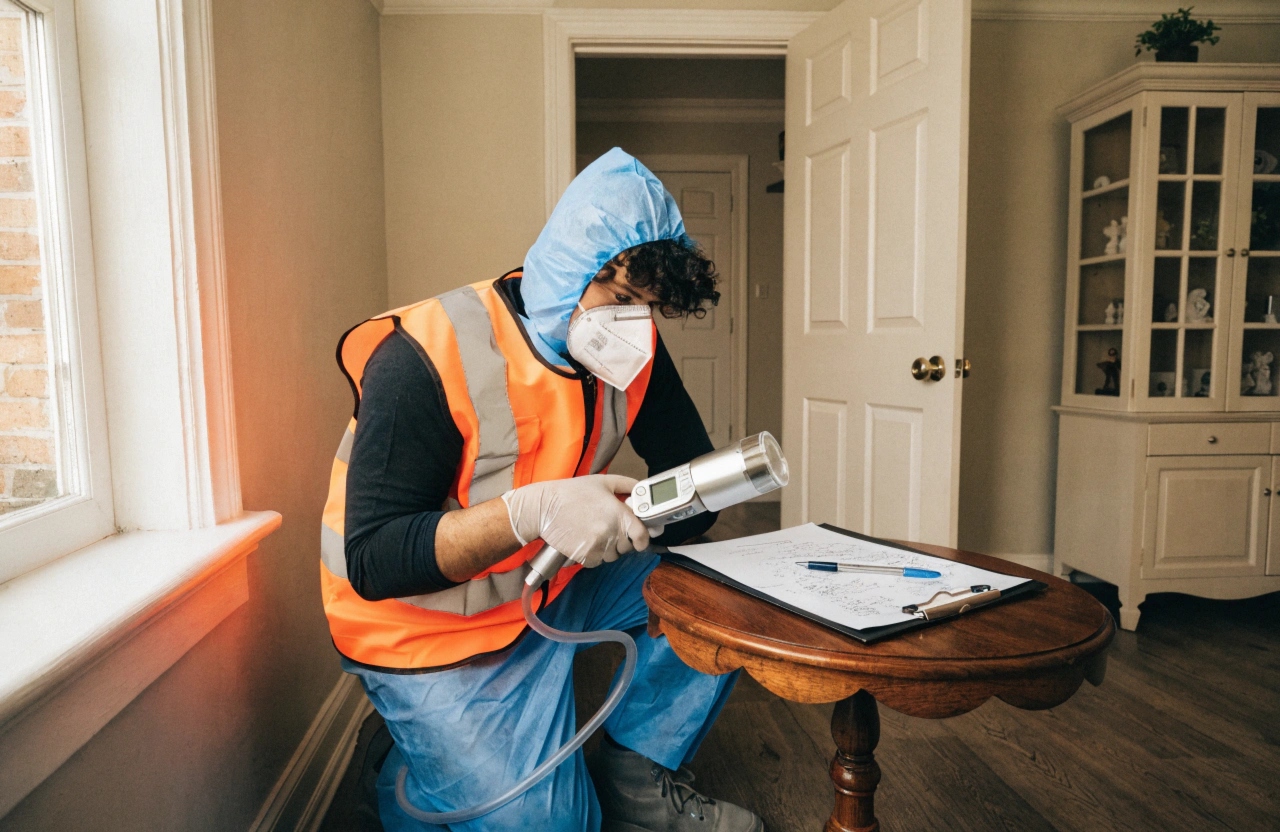
Equipment and Safety Protocols We Use: Every ClearAir Mould Removal Central Coast crawl space job is carried out under full confined space protocols. Our technicians use rated respiratory and personal protective equipment, a standby person remains at the entry point throughout, and atmospheric conditions are monitored from start to finish.
How We Treat Crawl Space Mould: The Full Process
Here’s exactly what happens when ClearAir Mould Removal Central Coast takes on a crawl space job.
Before anyone enters the space, we assess atmospheric conditions and measure moisture levels throughout the subfloor area. This tells us what we’re dealing with, where the mould is concentrated, and what treatment approach is needed.
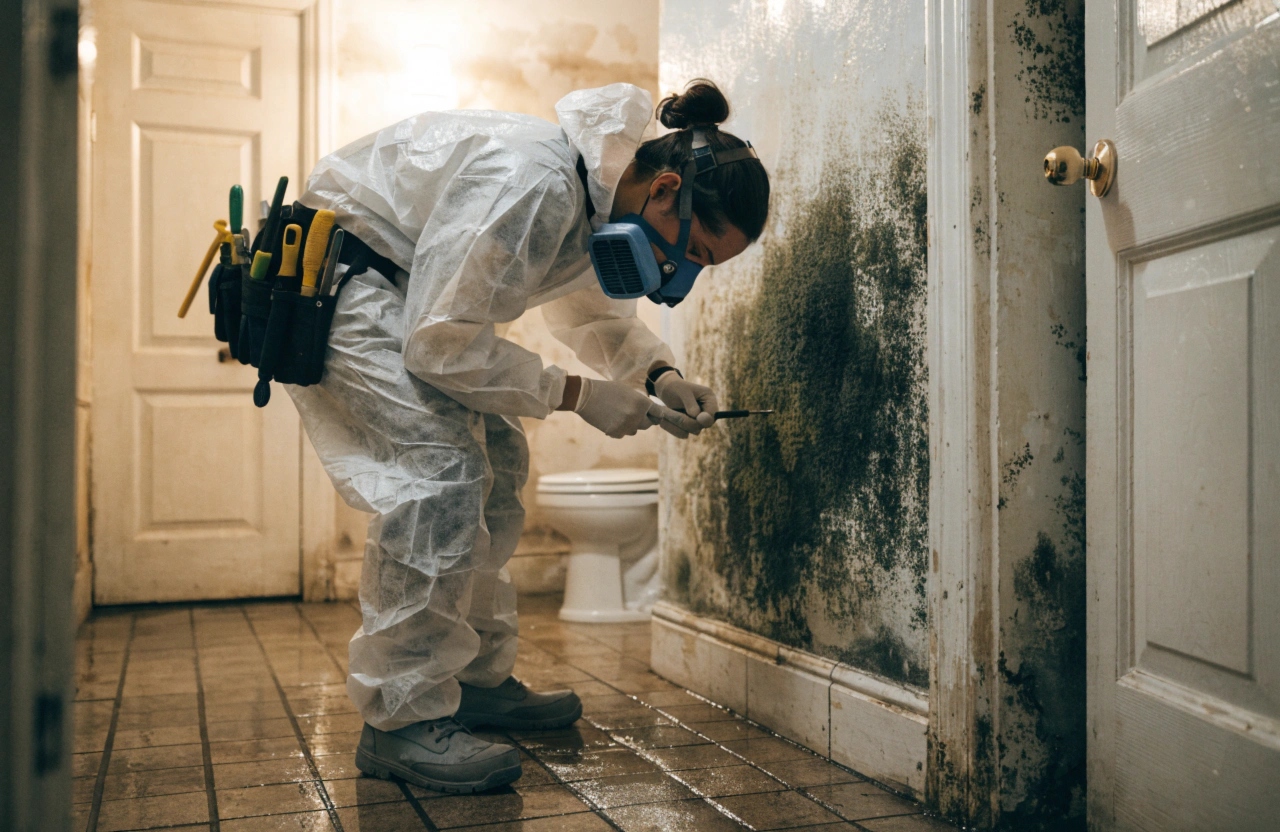
Once entry protocols are in place, our technicians HEPA vacuum all mould-affected surfaces and apply antimicrobial treatment directly to timber framing, bearers, joists, and any other affected structural elements. We work methodically through the space — nothing gets spot-treated from the access point.
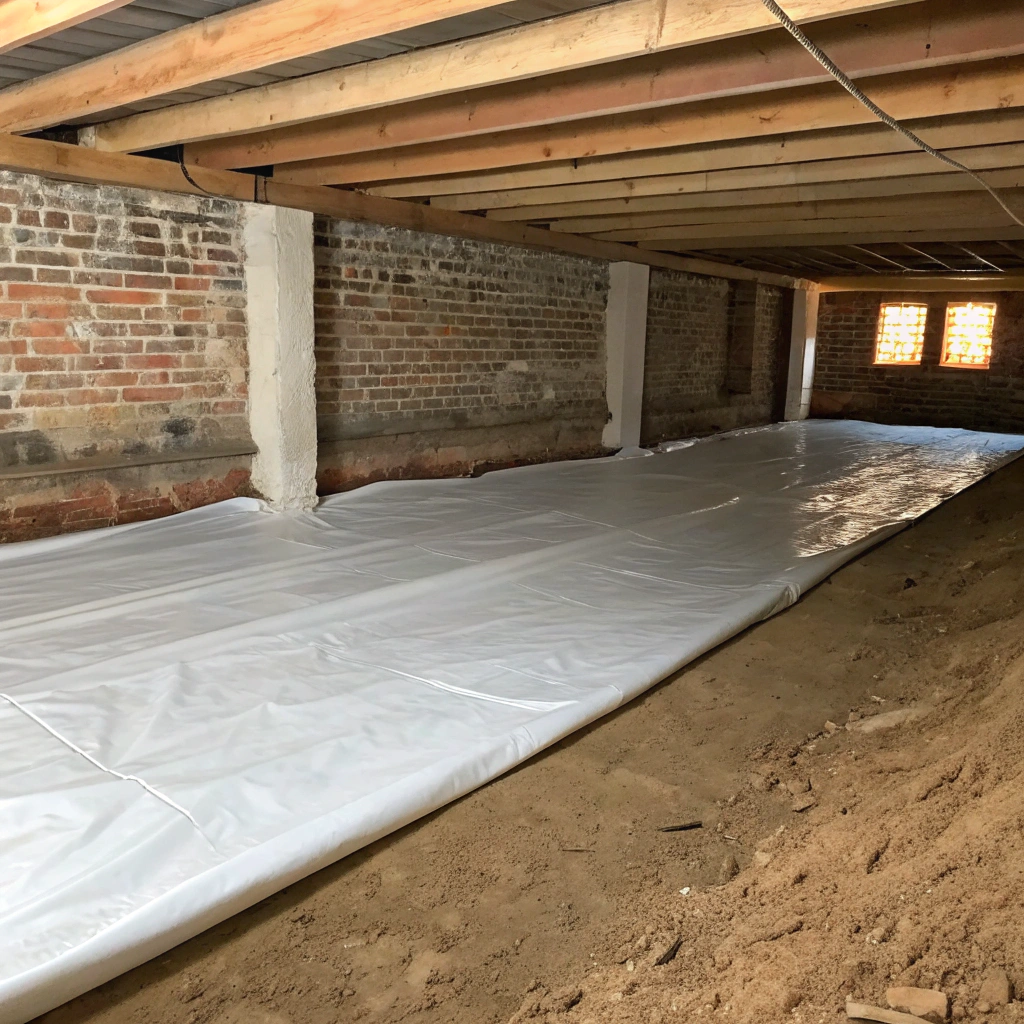
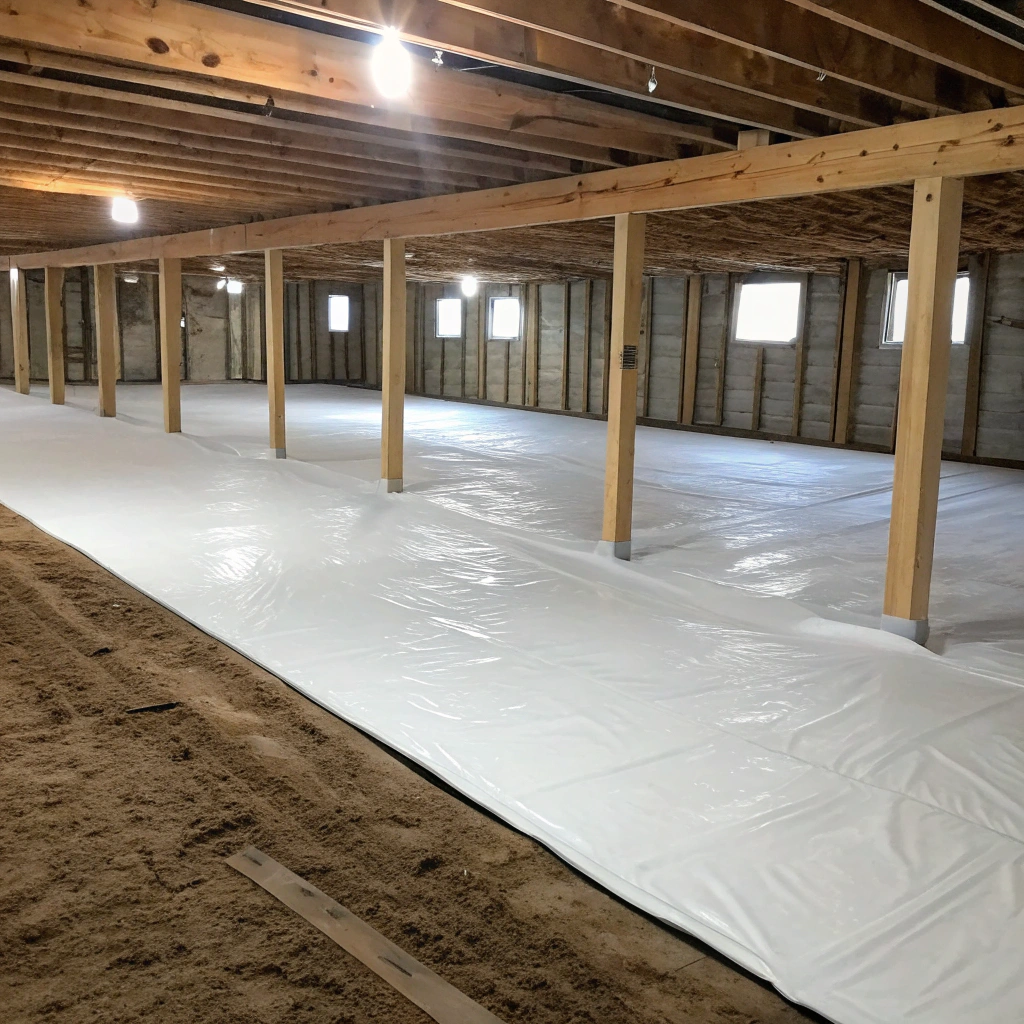
Where the existing vapour barrier is damaged, degraded, or missing entirely — which is common in older Central Coast homes — we install or repair it as part of the same scope of work.
Blocked or inadequate subfloor ventilation is one of the primary reasons crawl space mould develops in the first place. We assess airflow through the space and recommend improvements where needed to reduce the conditions that allowed mould to take hold.
Every job finishes with a written report covering what we found, what we treated, and the condition of the space at completion. This documentation is yours to keep — useful for your own records, for insurance purposes, and for any future property transaction.
Buying or Selling a Central Coast Property With a Crawl Space
Crawl spaces create a specific problem in property transactions — and it comes up more often than most buyers and sellers expect.
For buyers, a building inspection report that flags restricted crawl space access with no full assessment possible leaves a significant gap in what you actually know about the property. That’s where we come in. We carry out a complete confined space assessment and deliver a written report — giving you the full picture before you commit.
For sellers and owners approaching a sale, undocumented crawl space mould is a valuation risk and a negotiation problem. A professional remediation report demonstrating that the space has been assessed, treated, and cleared removes that uncertainty for prospective buyers and protects your position when it matters most.
Structural Timber Damage: When Mould and Fungal Decay Meet
Crawl space mould that goes untreated doesn’t stay on the surface. Over time, fungal growth works its way into the timber itself — breaking down the bearers, joists, and flooring sheets that carry the load of everything above them. What starts as a mould problem becomes a structural one.
This matters particularly on the Central Coast, where mould-related timber decay and termite damage frequently occur in the same subfloor space. Moisture attracts both. If you’ve received a pest inspection report noting subfloor timber damage, crawl space mould remediation should be treated as part of the same scope of work — not a separate issue to deal with later.
Addressing the mould removes the moisture conditions that accelerate timber decay and create the environment termites are drawn to. Leaving it in place while treating only the timber damage is treating half the problem.
Frequently Asked Questions
The most common signs are a persistent musty smell coming from the floor, unexplained respiratory symptoms in household members, or a building inspection report that flagged restricted subfloor access. In many cases there are no obvious signs at all — which is why we recommend a professional assessment if your home is an older Central Coast property and the space hasn’t been inspected recently.
Retail mould sprays aren’t designed for confined subfloor environments, and applying them without proper respiratory protection in a restricted space carries real health risks. More importantly, surface sprays don’t address the moisture conditions driving the growth — so even if they knock back what’s visible, the mould returns. We treat the affected timber properly and address the underlying cause at the same time.
We’re trained and equipped specifically for confined space entry. We carry purpose-built equipment designed for restricted access environments and work under formal confined space protocols. Access difficulty is something we plan for before we arrive — it’s not a reason to stop at the entry point and call it done.
It depends on the size of the space, the severity of the mould, and the access conditions. Most residential jobs are completed within a day. We’ll give you a realistic time estimate after our pre-entry assessment.
In most cases, no. We’ll advise you on this during our initial assessment based on what we find and the treatment approach required. If there’s any reason we’d recommend vacating, we’ll tell you clearly and in advance.
Our written report covers the condition of the space before treatment, the areas affected, the treatment methods applied, and the condition of the space at completion. It’s a document you can use for your own records, for insurance purposes, or as supporting documentation in a property transaction.
If the underlying moisture source isn’t addressed, mould can return anywhere. That’s why our process includes vapour barrier installation or repair and a ventilation assessment — not just surface treatment. We aim to remove the conditions that allowed the mould to develop in the first place, not just clean up what’s visible.
Yes. We work with landlords, property managers, and tenants across the Central Coast. We provide written documentation that can be used for tenancy records, Fair Trading matters, and insurance purposes — which is often exactly what’s needed to resolve a rental mould dispute properly.
Ready to Find Out What’s Under Your Floor?
Crawl space mould is almost always further advanced than it looks from the access point — and the longer it’s left, the more it affects the air your family breathes and the timber holding your home together.
Book a crawl space assessment with ClearAir Mould Removal Central Coast today. We’ll access the space properly, give you a clear picture of what’s there, and provide written documentation of everything we find — no obligation at assessment stage.
Call us on 02 4307 5006
We’ll get back to you promptly, we’ll tell you exactly what the assessment involves, and there’s no pressure to proceed beyond that first conversation.
