
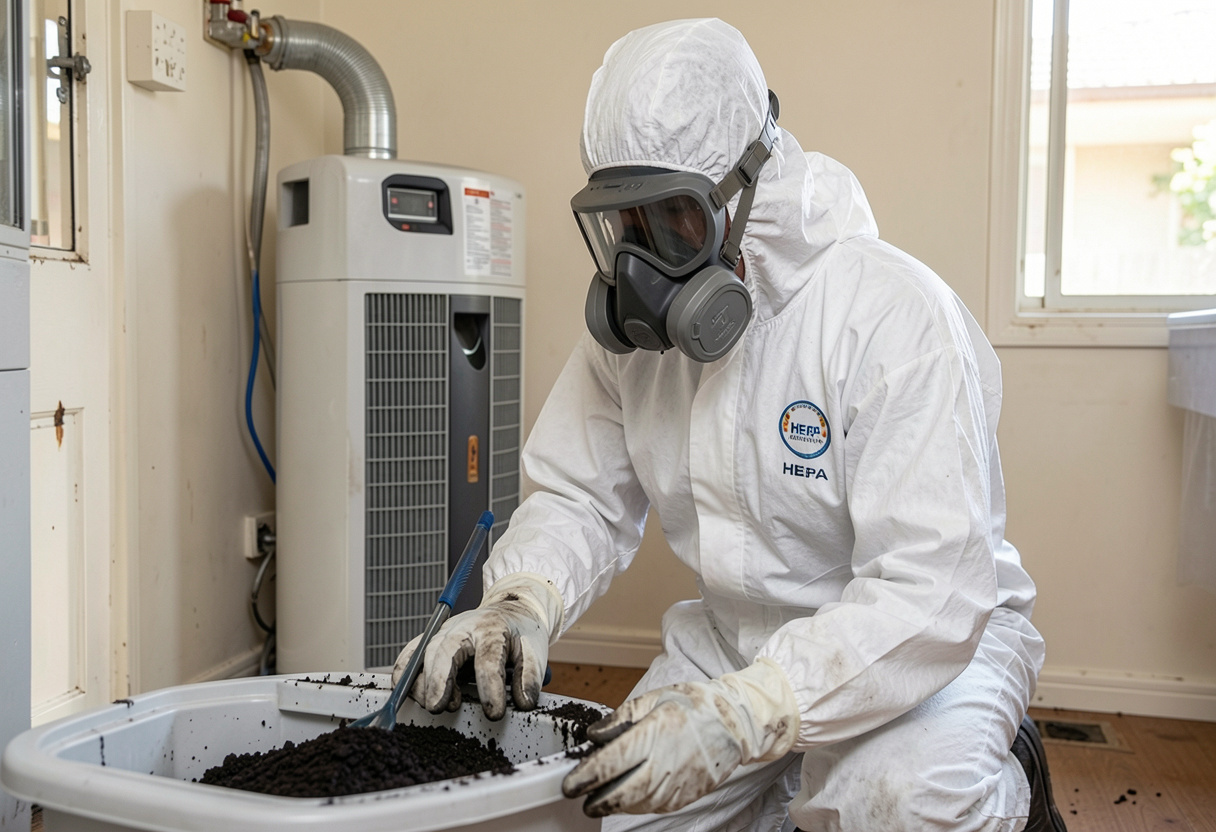
Mould at End of Lease on the Central Coast — Why It’s So Common
Mould at the end of the lease is not a coincidence on the Central Coast — it is a predictable outcome of the region’s conditions. Relative humidity across most of the Central Coast sits between 70 and 85 per cent year-round, spiking higher in waterfront suburbs like Woy Woy, Ettalong Beach, and The Entrance. When that persistent moisture load is combined with rental properties that were built in the 1960s through to the 1990s — properties with limited insulation, single-glazed windows, and exhaust fans that have rarely if ever been serviced — mould growth across the tenancy is close to inevitable.
Rotating tenancies compound the problem. Each occupancy adds another layer of condensation, domestic moisture, and ventilation history to a property that may already carry moisture damage from previous years. By the time a lease ends, mould that has been quietly establishing in bathroom ceilings, bedroom walls, laundry cavities, and subfloor spaces is frequently discovered during the final inspection — and the dispute about who is responsible, and who pays, begins immediately.
This is one of the most common and most contested end of lease issues across the Central Coast rental market.

End of Lease Mould Cleaning Across the Central Coast
Our end-of-lease mould cleaning service operates across the full Central Coast region — from the southern suburbs around Gosford, Woy Woy, and Umina Beach through to the mid-coast areas of Terrigal, Erina, and Avoca Beach, and north to Wyong, Tuggerah, The Entrance, Budgewoi, and Lake Haven. We also service waterfront and lake-adjacent suburbs, including Ettalong Beach, Woy Woy Bay, Tacoma, Charmhaven, and San Remo — areas where elevated humidity and flood-prone conditions make end-of-lease mould particularly common.
We work directly with tenants, landlords, real estate agents, and property managers across the Central Coast corridor. Whether the property is a beachfront unit in Terrigal, an older weatherboard house in Wyong, a lakeside rental in The Entrance, or a strata apartment in Gosford CBD, our team arrives with the equipment, treatment products, and documentation process specific to end-of-lease work.
Same-week bookings are available across all Central Coast service areas to meet tight lease-end timelines.
For Tenants — Protecting Your Bond With Professional Mould Cleaning
As a tenant facing a mould-affected property at lease end, the single most effective step you can take to protect your bond is booking a professional end-of-lease mould cleaning service before the final inspection. DIY treatment with retail spray products does not produce the documented evidence a property manager or tribunal requires — and without that evidence, a bond deduction for mould cleaning is very difficult to contest.
When you book with ClearAir, we clean and treat the affected areas to a professional standard and provide a written completion report with photographic evidence of the work carried out. That report documents the condition of the property post-treatment and gives you a clear, professional record to present if any bond deduction is disputed at the NSW Civil and Administrative Tribunal.
We work around your move-out timeline and can coordinate directly with your property manager or real estate agent where required. Bookings are available across the Central Coast with short lead times to meet lease-end dates.

Signs the Mould in Your Rental Is Structural — Not Tenant-Caused
Not all rental mould is the tenant’s responsibility to remediate at lease end — and knowing the difference matters significantly when bond deductions are on the table. Structural mould originates from building deficiencies rather than tenant behaviour, and several clear indicators point to this origin.
Mould that reappears within weeks of cleaning despite adequate ventilation suggests an active moisture source inside the building fabric. Mould on external walls, particularly at floor level or around window frames, typically indicates water ingress or rising damp rather than condensation from domestic activity. Mould present in subfloor cavities, roof spaces, or inside wall cavities is almost always structural in origin. Persistent musty odour throughout the property — even in rooms without visible growth — points to concealed mould established in building materials over an extended period.
Where these signs are present, a professional moisture and mould assessment establishes the origin clearly — providing the documented evidence both tenants and landlords need before any cleaning or remediation scope is agreed.
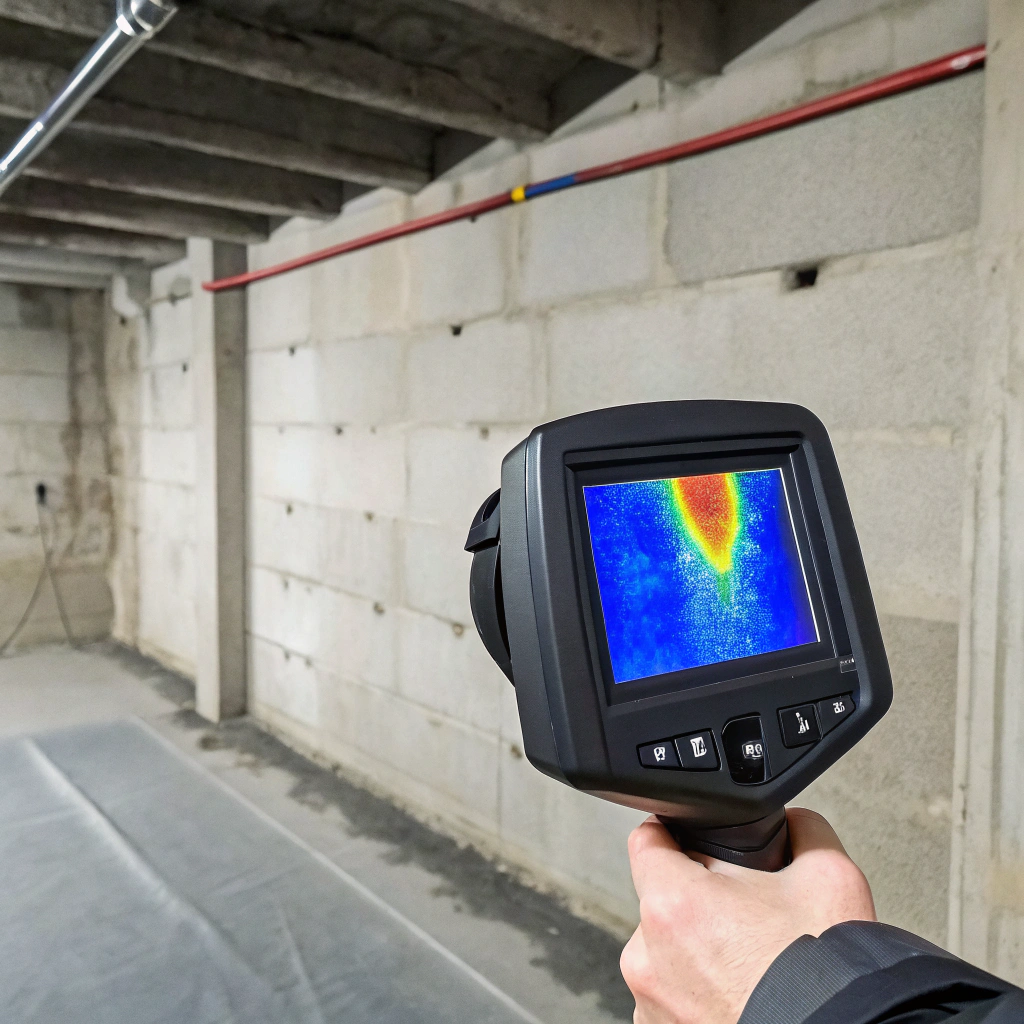

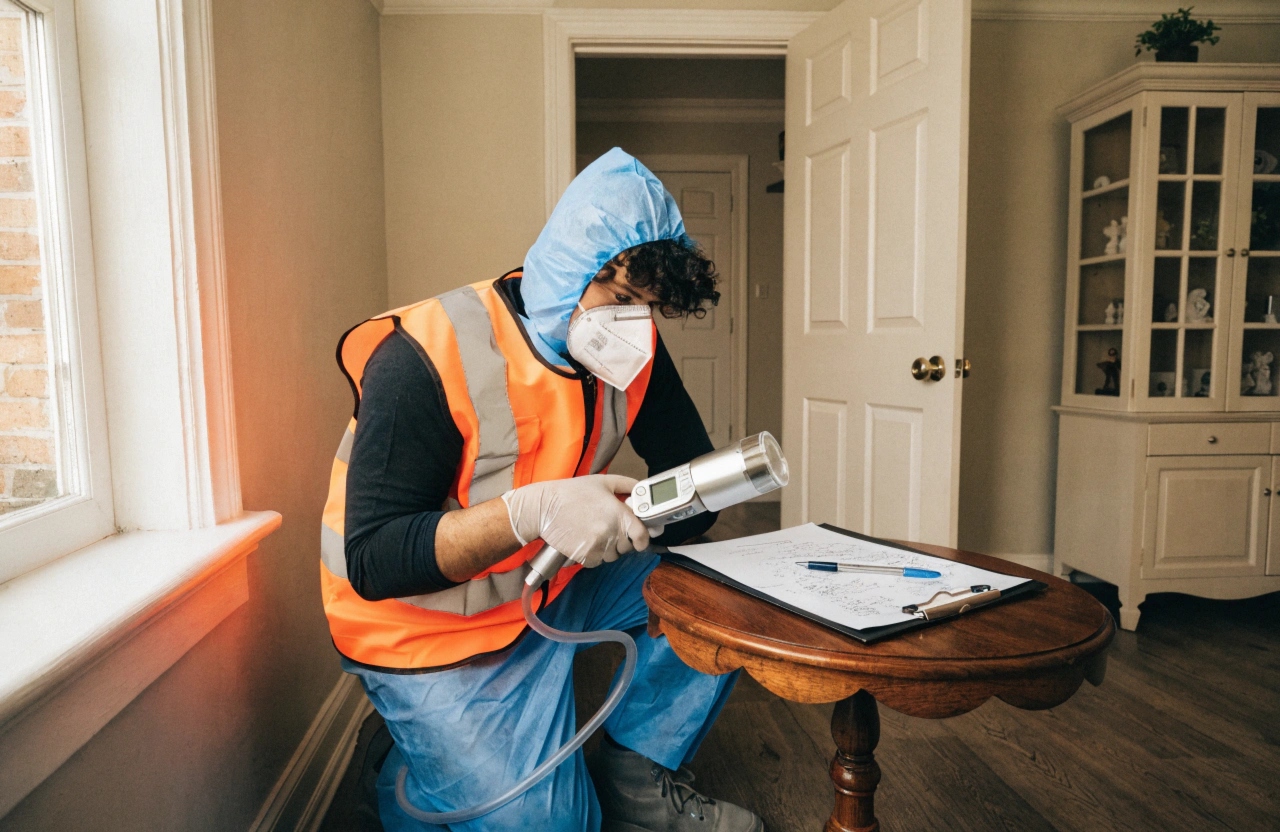
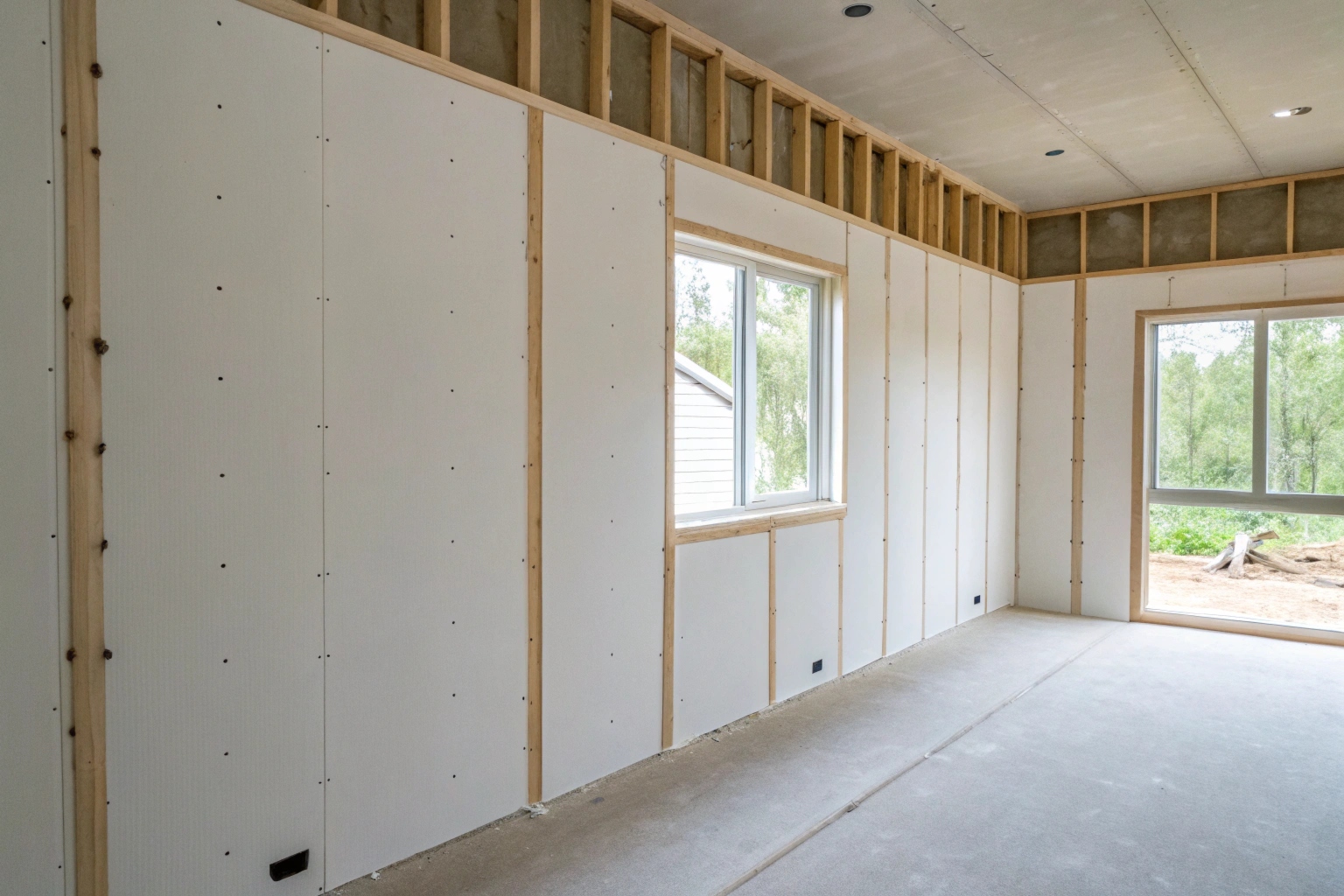
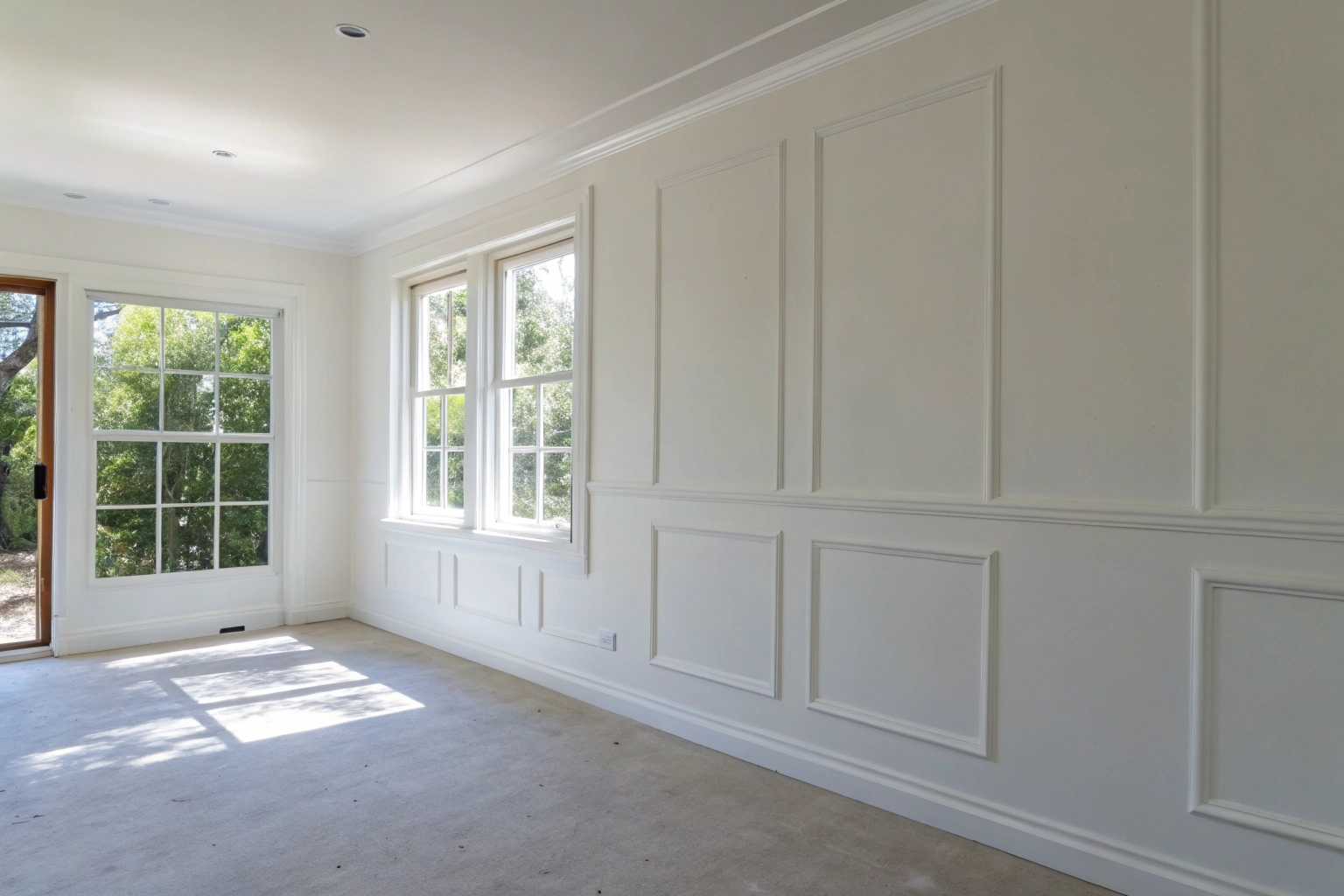
End of Lease Mould Cleaning vs Mould Remediation — Knowing the Difference
| End of Lease Mould Cleaning | End of Lease Mould Remediation |
|---|---|
| Cleaning is the appropriate scope when mould is present on hard and semi-hard surfaces — tiles, grout, painted walls, ceiling surfaces, silicone, and cabinetry — within a contained area. Surface mould that has not penetrated the substrate and is not accompanied by strong musty odour or suspected concealed growth can be professionally cleaned, treated, and documented without escalating to a full remediation scope. | Remediation is required when mould has penetrated plasterboard, spread across large surface areas, or is accompanied by persistent musty odour suggesting concealed growth inside walls, ceilings, or subfloor cavities. In these situations, cleaning the visible surface without addressing what lies beneath will not produce a lasting result — and will not satisfy a property manager’s reinspection or protect either party in a bond dispute. A remediation assessment is carried out before any work is quoted or commenced. |
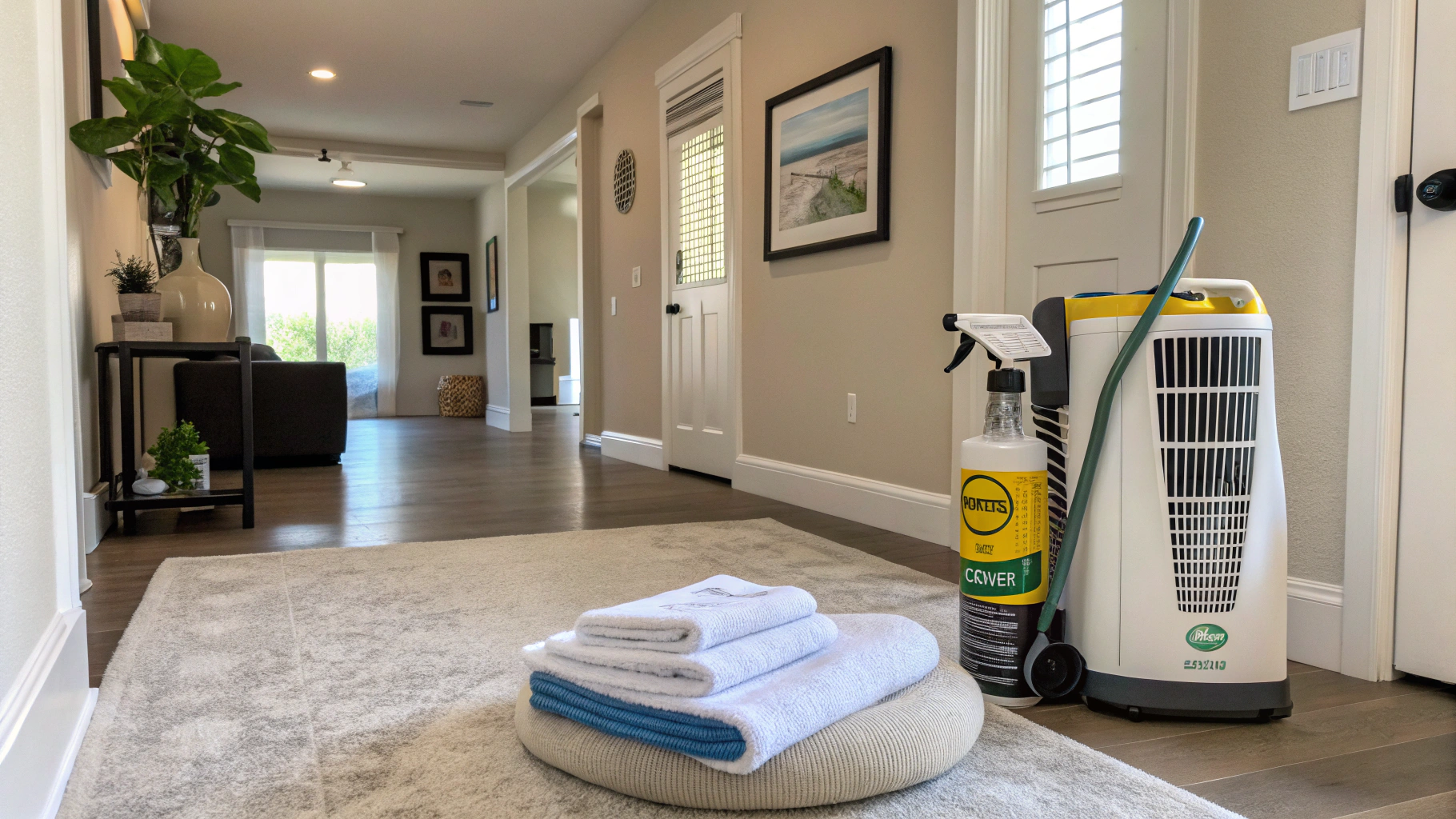
What a Completed End of Lease Mould Clean Looks Like
A professionally completed end-of-lease mould clean produces a specific, documentable outcome — not just a visually cleaner surface. When our team finishes an end-of-lease mould clean on a Central Coast property, every treated surface has been cleaned, treated with professional-grade antifungal product, and inspected to confirm the treatment has achieved the required standard.
Bathroom surfaces — tiles, grout lines, silicone seals, and ceiling areas — are free of visible mould growth and have been treated to inhibit regrowth. Bedroom and living area walls and ceilings show no remaining visible growth across the treated scope. Kitchen and laundry surfaces, including cabinetry, walls, and extraction areas, are cleaned and treated. Where subfloor or concealed areas have been included in the scope, access, treatment, and outcome are documented separately.
The completed cleaning is accompanied by a written report detailing every treated area, the products applied, photographic before and after evidence, and a clear statement of the work carried out. That report is the difference between a clean property and a documented clean property — and it is what protects all parties if the condition of the property is disputed after handback.
Frequently Asked Questions — End of Lease Mould Cleaning Central Coast
It depends on the cause. Mould resulting from inadequate ventilation or poor cleaning habits is generally the tenant’s responsibility. Mould caused by structural defects, water ingress, or building maintenance failures is the landlord’s responsibility under the Residential Tenancies Act 2010.
A landlord can claim bond for mould cleaning where the mould is demonstrably tenant-caused. Claims are significantly stronger when supported by professional cleaning documentation and photographic evidence. Mould with a structural origin cannot be charged to the tenant’s bond regardless of when it is discovered.
Cost depends on the size of the property, the number of affected areas, surface types, and the extent of mould growth. A site assessment confirms the scope and produces an accurate quote before any work is committed to or commenced.
Yes. A written completion report with photographic evidence before and after gives tenants documented proof of professional treatment. This evidence is directly relevant in NSW Civil and Administrative Tribunal proceedings and significantly strengthens a tenant’s position against an unfair bond deduction.
We deliver professional disinfection services across residential properties, rental properties, strata buildings, commercial kitchens, childcare and aged care facilities, and workplaces — covering the full Central Coast corridor from Gosford and Woy Woy to Wyong and Lake Munmorah.
Ready to Book Your End of Lease Mould Clean on the Central Coast?
End-of-lease mould cleaning on the Central Coast requires a team that understands the legal context, the local conditions, and the documentation standard that protects everyone involved. Whether you are a tenant preparing for final inspection, a landlord getting a property back to lettable standard, or a property manager coordinating a tight turnaround, ClearAir Mould Removal delivers the professional clean and the written evidence that brings the job to a clean close.
We service the full Central Coast region with same-week availability to meet lease-end deadlines. Contact us today to discuss your property, confirm the scope, and lock in a booking that works around your timeline.
Call us directly or submit an enquiry online — we respond to all Central Coast end of lease mould enquiries promptly.
