
Rental Property Mould Assessments for Compliance and Peace of Mind
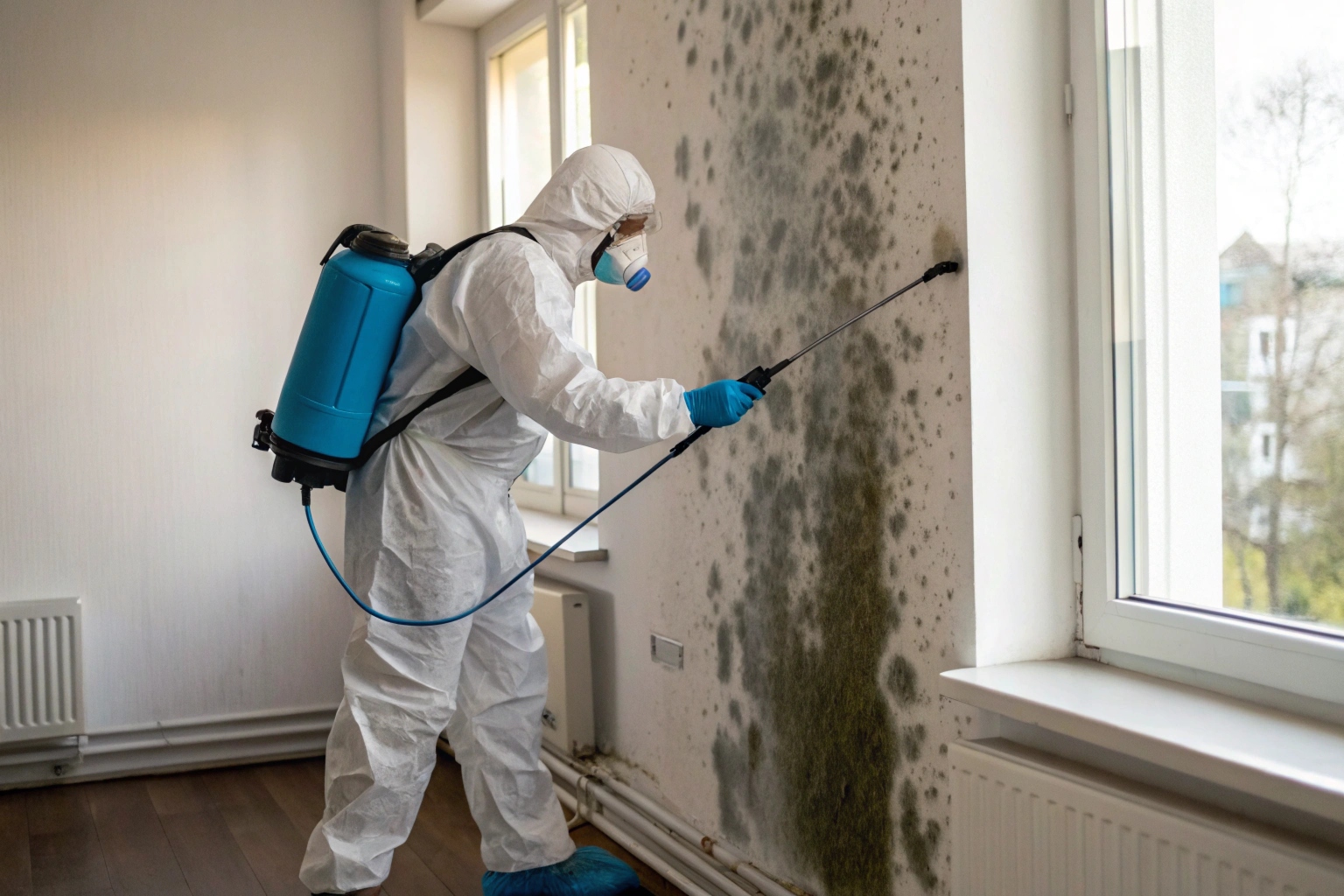
Rental property mould inspections on the Central Coast are one of those things nobody wants to need — but when a tenant complaint lands in your inbox, or a property manager flags mould during a routine check, you need answers fast. The Central Coast’s humid coastal climate means mould isn’t a rare problem. Suburbs like Gosford, Terrigal, Ettalong Beach, The Entrance, and Avoca Beach deal with it constantly — salt air, waterway proximity, and ageing rental stock create the perfect conditions for mould to take hold.
Whether you’re a landlord managing your legal obligations under NSW rental law, a property manager keeping tenants and owners protected, or a tenant seeking independent evidence, our rental property mould inspections give you a clear, documented picture of exactly what you’re dealing with — fast.

Who Needs a Rental Property Mould Inspection?
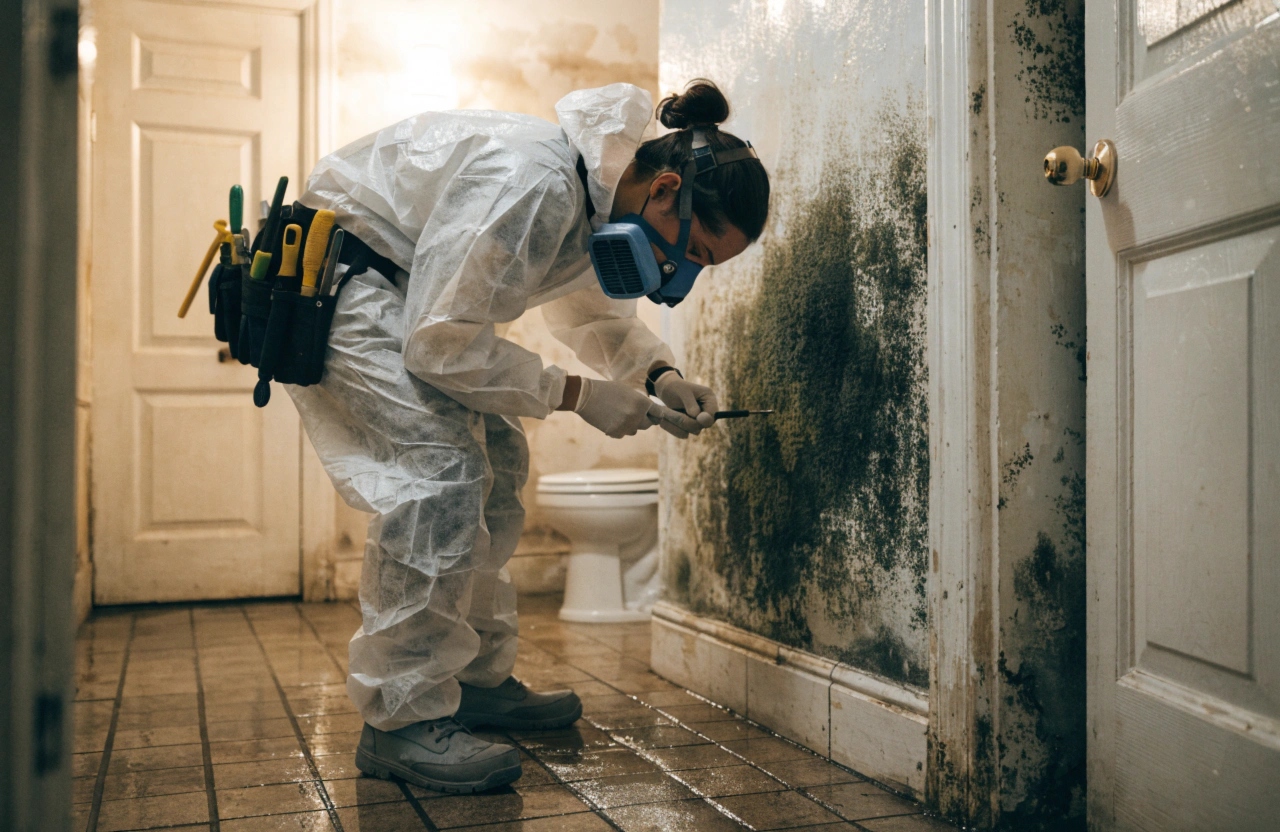
What Our Rental Property Mould Inspection Covers
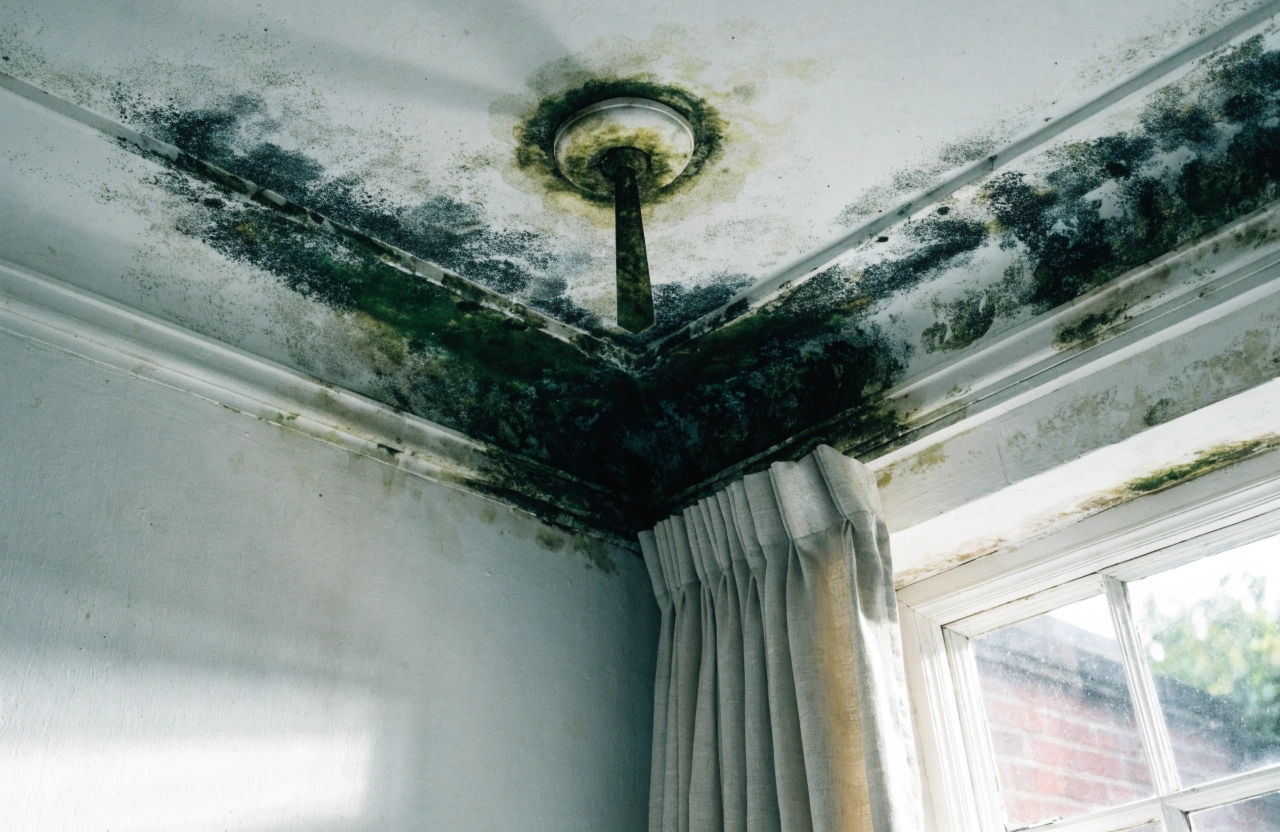
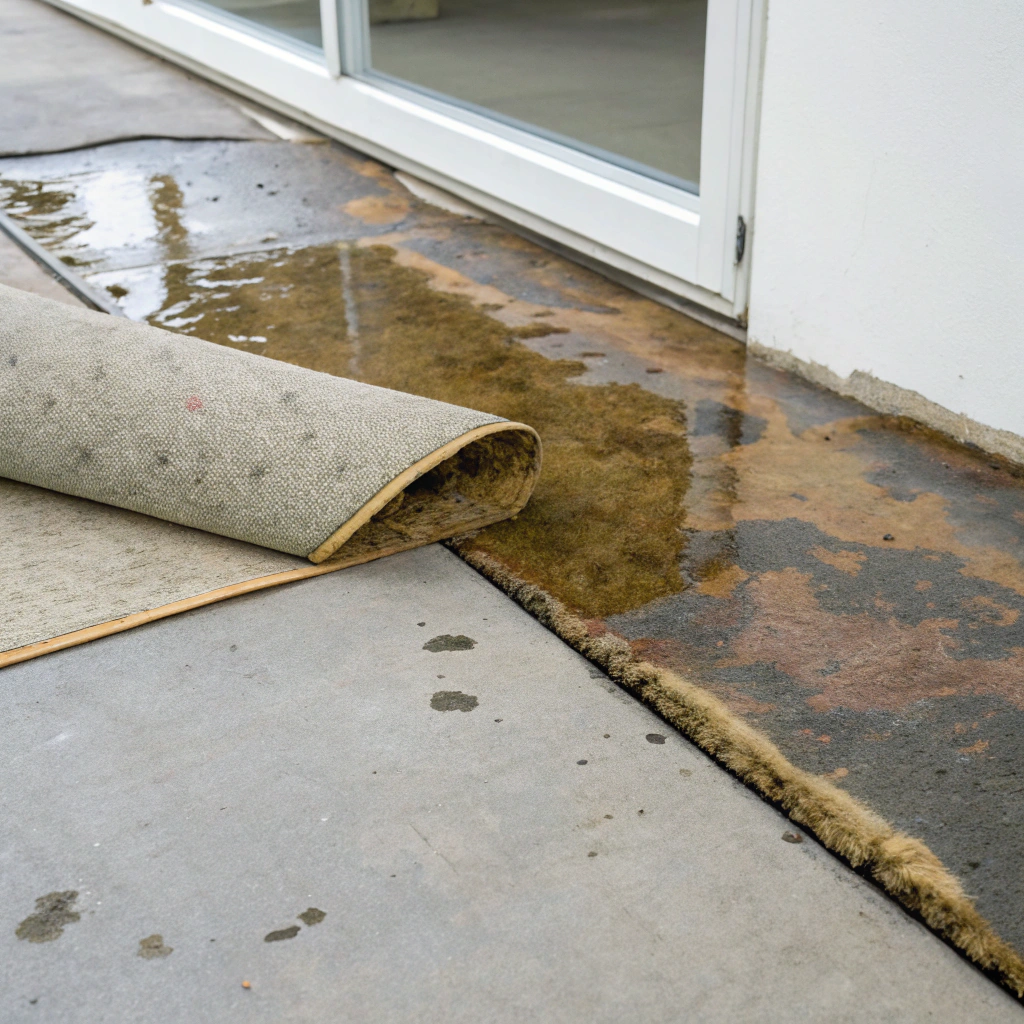
Why the Central Coast Has a Mould Problem in Rental Properties
The Central Coast isn’t just humid — it’s consistently humid. Relative humidity across the region sits between 70 and 85 percent for most of the year, and coastal suburbs cop it hardest. Salt air accelerates moisture ingress through building materials, and properties close to waterways like Brisbane Water, Tuggerah Lakes, and Lake Munmorah deal with additional ground moisture and flood risk on top of that.
A big chunk of the Central Coast’s rental stock was built between the 1960s and 1990s — single-glazed windows, limited subfloor ventilation, no wall insulation to speak of. These properties hold moisture and they hold it for a long time. Add a wet summer, a blocked downpipe, or a bathroom exhaust fan that hasn’t worked properly in five years, and you’ve got the conditions for a serious mould problem inside a rental that neither landlord nor tenant caused deliberately — but both are now responsible for resolving.
What Happens After the Inspection
Findings Are Documented and Delivered
Within a short turnaround after the inspection, you receive a written report covering every mould site identified, the moisture readings taken, the likely root cause of each growth area, and our recommended remediation approach. The report is clear, plain-English, and structured for use in formal proceedings if needed.
Remediation Is Recommended Based on Findings
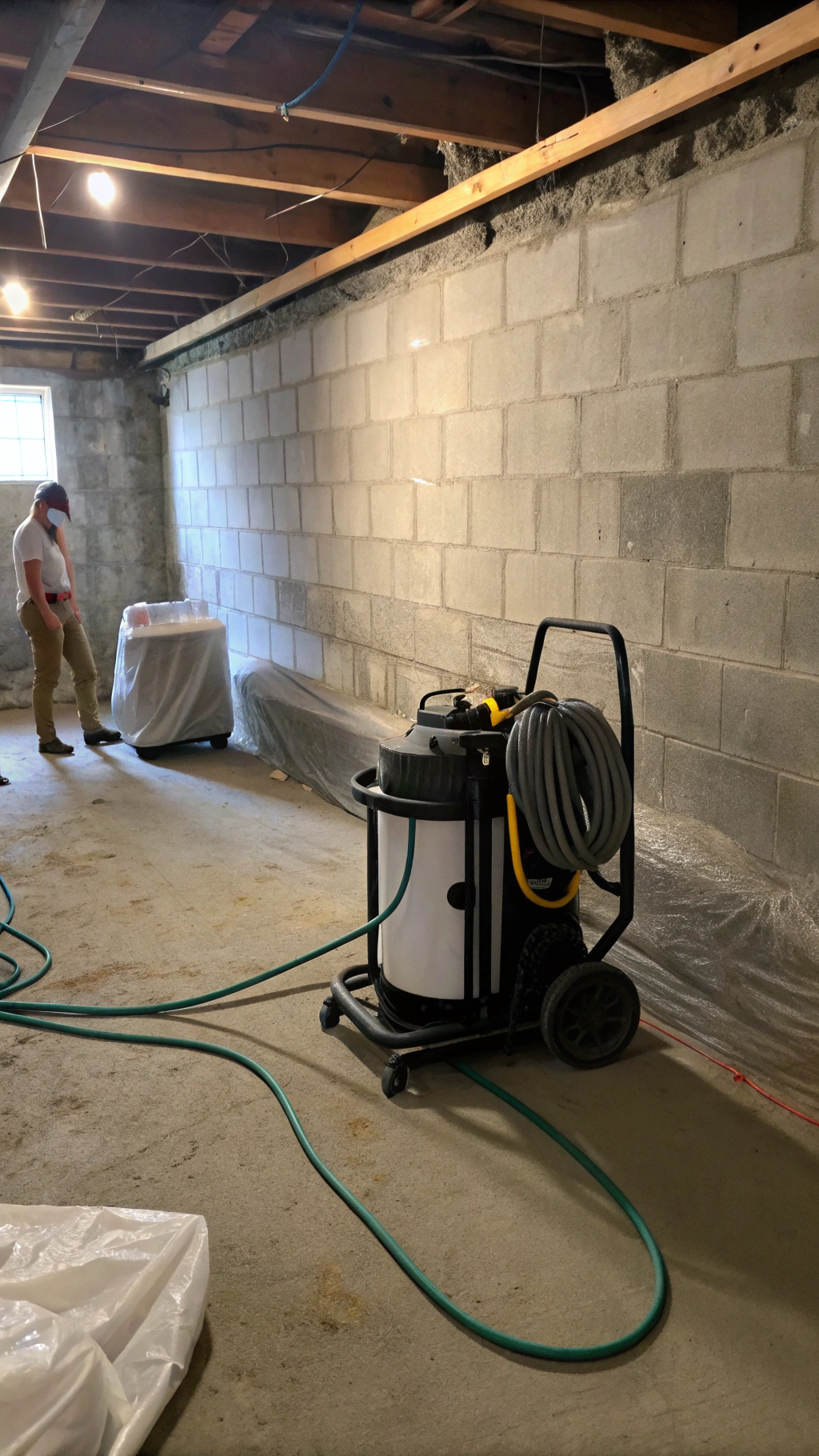
We don’t just tell you mould is there — we tell you what needs to happen next. Depending on what we find, remediation recommendations may include professional mould removal treatment, ventilation improvements, roof or plumbing repairs, subfloor drainage work, or waterproofing to address the moisture source.
Re-Inspection Available After Works Are Completed
Once remediation works are done, we offer a re-inspection to confirm the mould has been properly treated and the moisture source addressed. This gives landlords a clean clearance report and gives tenants confidence the property is genuinely safe to live in — not just visually cleaned.
FAQs About Rental Property Mould Inspections
Most inspections take between 60 and 90 minutes depending on the size of the property. Older homes in areas like Wyong, Umina Beach, and Gosford often take a little longer because the building materials in those properties tend to hold moisture in places that need careful checking. I’d rather spend the extra time and get it right than miss something behind a wall or under the floor.
You don’t have to be there, but it helps. If you’re a landlord or property manager, having someone on-site means I can walk you through findings in real time and answer questions as they come up. If you’re a tenant, being present gives you the opportunity to point out areas you’ve been concerned about — especially useful if the mould keeps appearing in the same spots after cleaning.
Yes — and this is one of the main reasons people on the Central Coast book an independent inspection rather than relying on the landlord’s assessment or a property manager’s condition report. My written report documents moisture readings, mould locations, and root causes in a format that NCAT and Fair Trading NSW recognise. It takes the ‘he said, she said’ out of the dispute.
As soon as possible. Low-lying areas around Tuggerah Lakes, South Gosford, and Wyong can see mould beginning to establish inside walls and under flooring within 48 to 72 hours of water ingress. The longer you wait, the deeper the mould gets into building materials — and the more expensive the remediation becomes. Don’t wait until you can see it or smell it clearly.
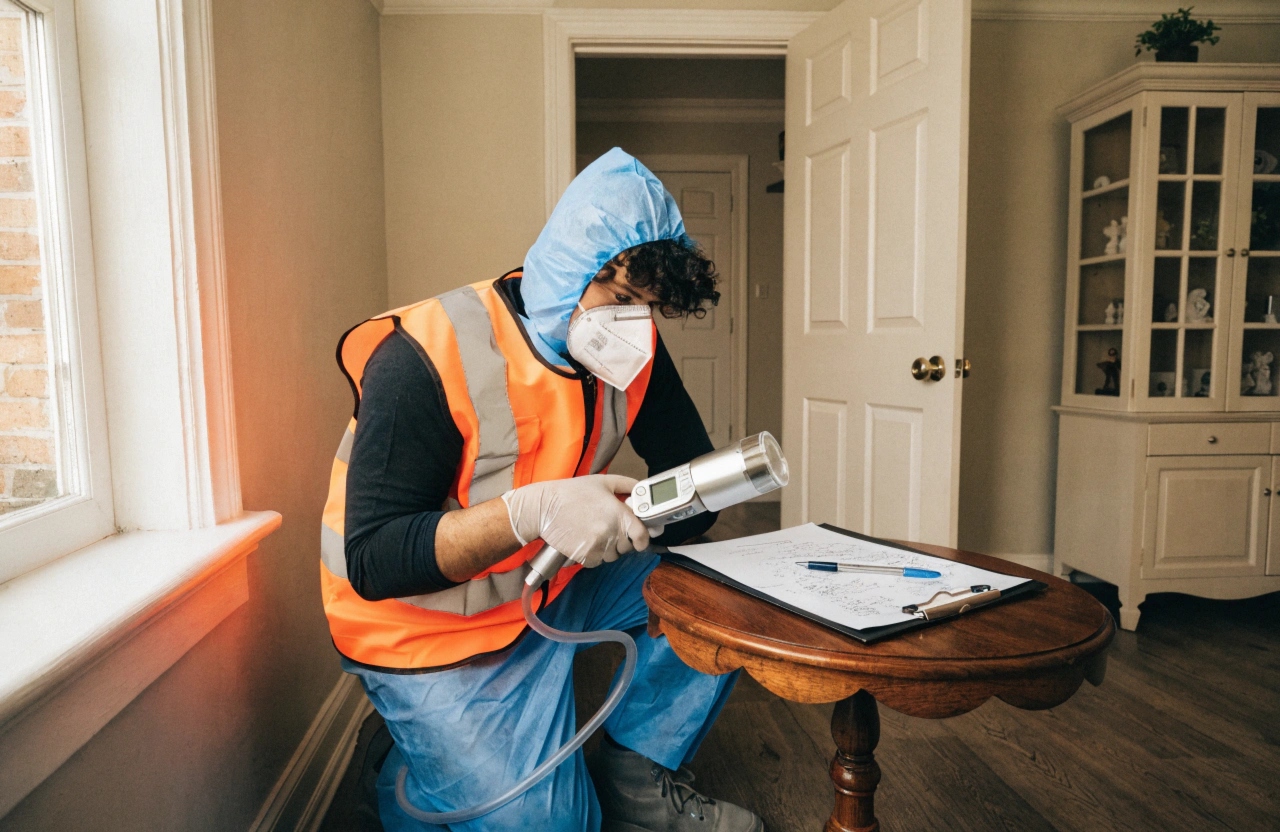
That’s exactly what the moisture readings are for. I use calibrated moisture metres to detect elevated moisture levels inside walls and flooring where mould is likely growing but hasn’t broken through the surface yet. This is particularly common in Central Coast properties with older plasterboard, timber framing, or fibro cladding — materials that absorb moisture quietly before the problem becomes obvious.
One inspection is enough to give you a full picture of the property’s condition at that point in time. If remediation works are carried out afterwards, I’d recommend a re-inspection to confirm the treatment was effective and the moisture source has actually been fixed — not just the surface mould cleaned off. On the Central Coast, where the underlying humidity doesn’t go away, skipping that re-inspection is a risk that often leads to the same problem returning within a season.
Book Your Rental Property Mould Inspection Today
Whether you’re a landlord trying to resolve a complaint, a property manager protecting your client’s asset, or a tenant who needs independent documentation — we’re ready to help.
Our rental property mould inspections on the Central Coast are thorough, fast, and backed by a written report you can actually use. Call us today or fill out the enquiry form and we’ll get you booked in without delay.
