
Protect Your Property with an Ongoing Mould Management Plan
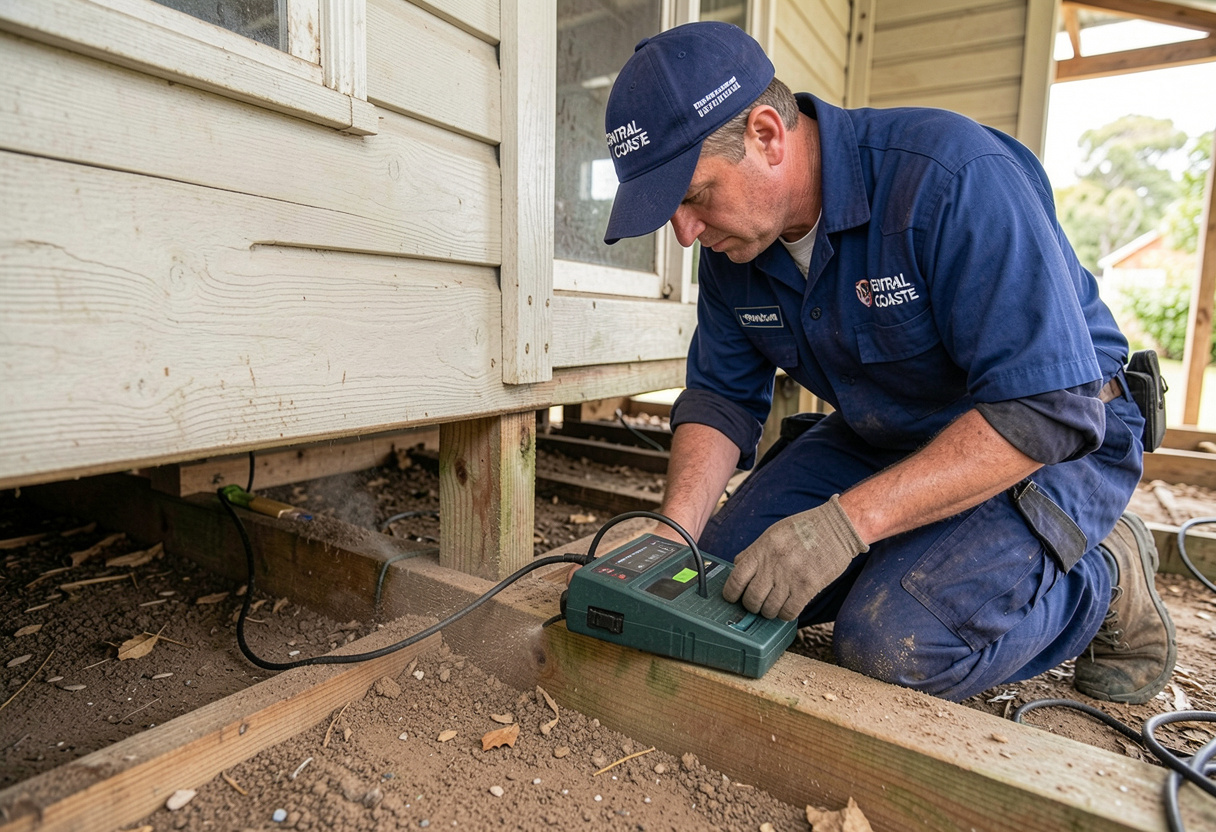
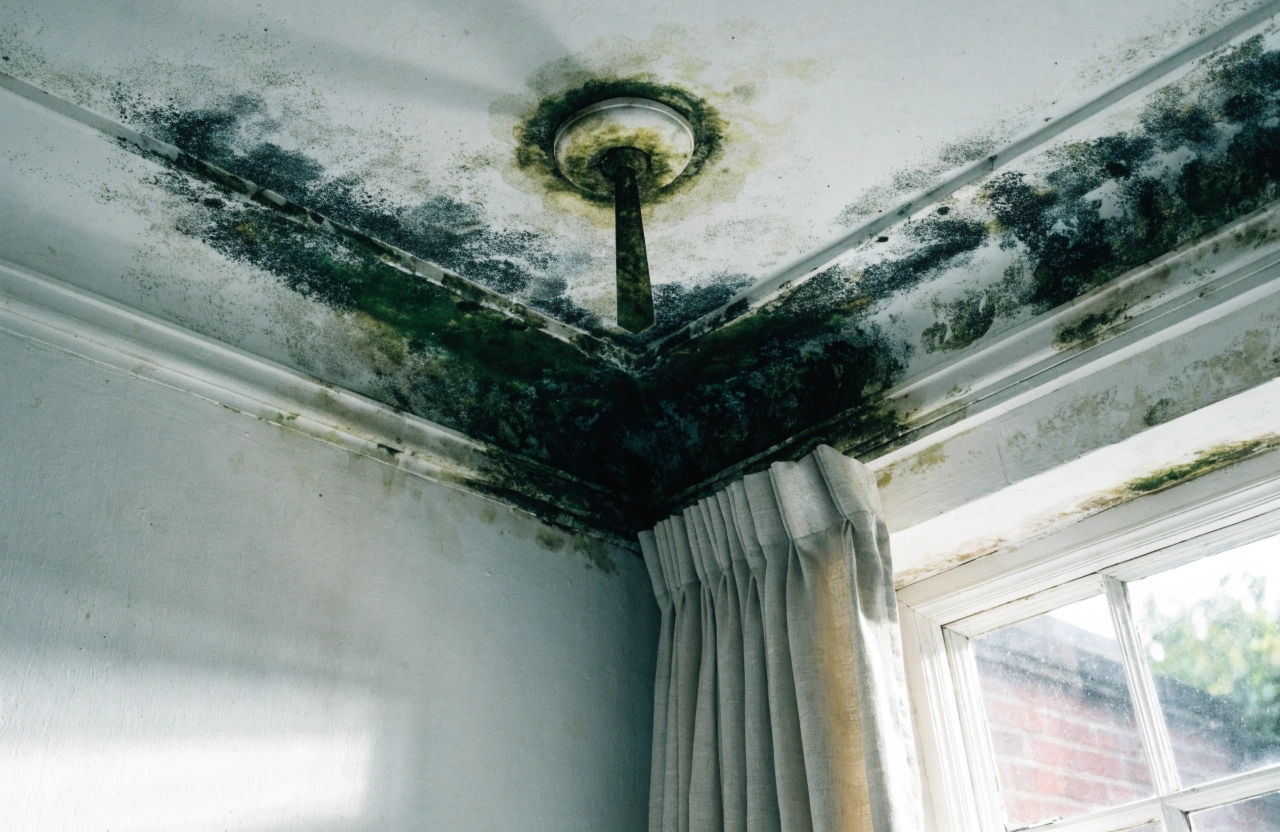
On the Central Coast, mould doesn’t take a season off. A landlord in Wyong once told us she’d had the same bathroom wall treated three times in two years — each time, a different company, a clean result, and then six months later, the same dark patches creeping back across the grout lines. Sound familiar? That’s not bad luck. That’s what happens when you treat the symptom and leave the conditions completely unchanged.
Ongoing mould prevention programs Central Coast properties need aren’t about cleaning up after a problem — they’re about managing the environment so the problem doesn’t get the foothold in the first place. The coastal humidity, the ageing housing stock across suburbs like Gosford, Woy Woy, and The Entrance, the annual rainfall that pushes moisture into walls and subfloors — none of that stops between jobs. A managed prevention program keeps mould risk consistently below the threshold where it becomes a real problem, month after month, all year round.

What's Actually Included in an Ongoing Mould Prevention Program
Program Structure Options — Finding the Right Fit for Your Property


The Reporting and Documentation Component — A Managed Asset, Not Just Paperwork
For landlords, strata managers, and commercial property managers, the documentation that comes out of an ongoing prevention program is genuinely one of its most valuable outputs — and it’s one that a lot of people underestimate until they actually need it.
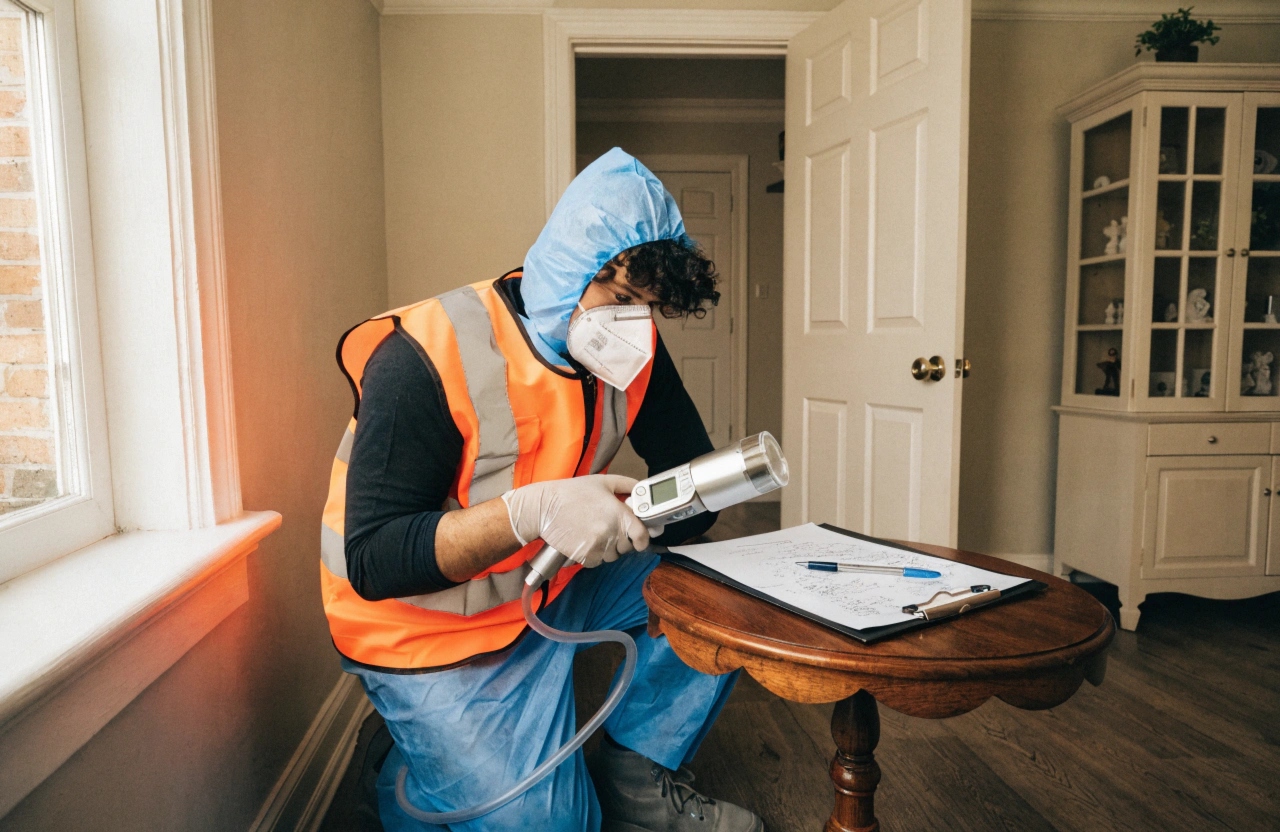
Every scheduled visit generates a written inspection report covering:
- Areas inspected and their mould risk status at the time of the visit
- Treatment applied — products used, surfaces treated, application method
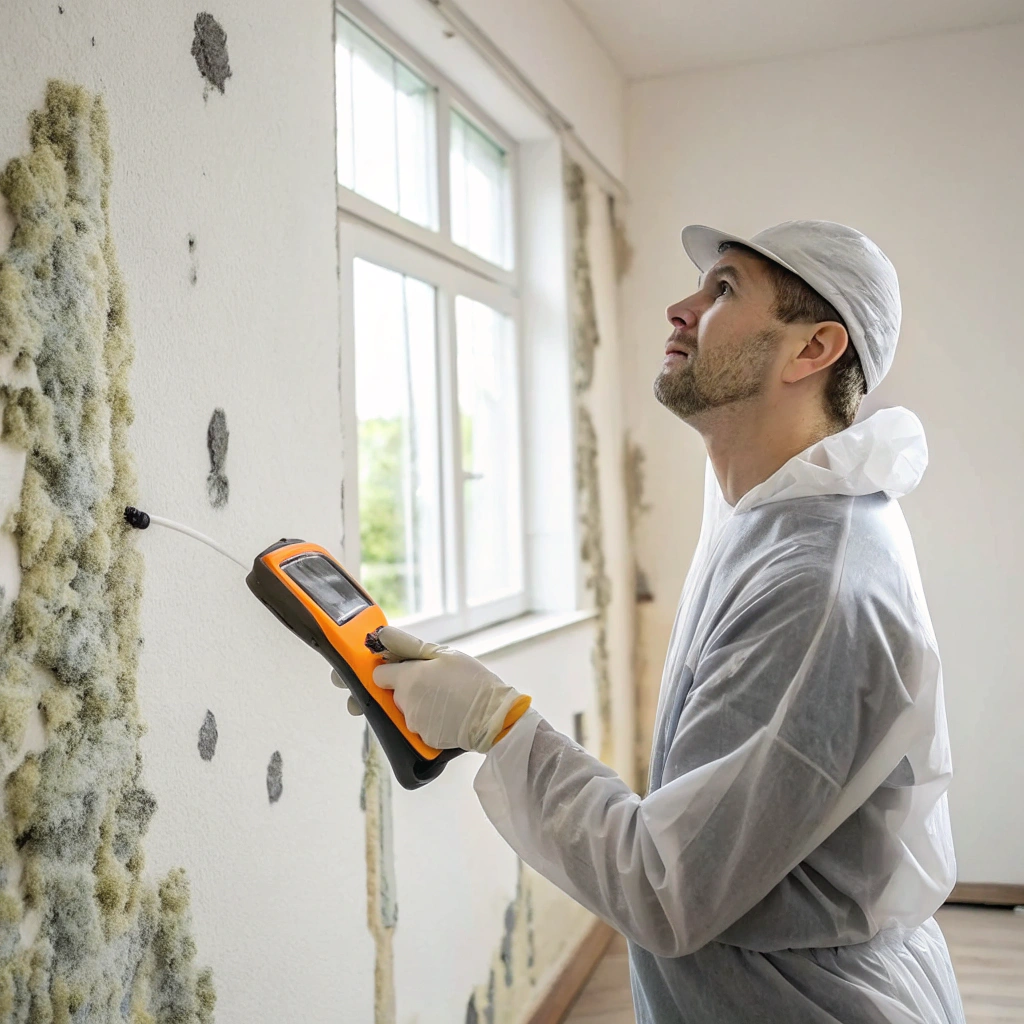
- Moisture readings for all monitored areas, with comparison to prior visit readings
- Recommendations for any maintenance actions required between visits
Over time, that reporting builds a longitudinal record of your property’s mould risk management history.
Prevention vs. Reactive Remediation — The Financial Case
A quarterly prevention program visit costs a fraction of a single professional mould remediation engagement. That’s before factoring in what reactive mould management actually costs across its full chain of consequences — remediation, building restoration, tenant relations damage, potential Fair Trading proceedings, insurance complications, and the compounding effect of mould that’s been allowed to progress into wall cavities, subfloor timbers, and plasterboard.
| Reactive Model | Prevention Program Model |
| Wait for visible mould to appear | Inspect and treat before mould reaches visible threshold |
| Separate assessment and quote each time | Scheduled visits on agreed program cost |
| Remediation cost once mould has progressed | Minimal treatment cost at early intervention stage |
| No documentation between events | Continuous written reporting record |
| Tenant complaints, potential disputes | Documented proactive compliance — fewer disputes |
| Repeat cycle every 6–18 months | Managed baseline — risk kept consistently below activation threshold |
Ongoing Prevention Programs for Rental Property Portfolios on the Central Coast
A property manager or landlord handling multiple rental properties across the Central Coast faces a mould problem that reactive responses handle badly. Every mould complaint means a separate assessment, a separate quote, an approval process, a separate treatment engagement — and all of that friction happening while a tenant is unhappy, potentially escalating through Fair Trading NSW, and documenting everything.
The whole portfolio gets managed systematically on a scheduled basis. The frequency and severity of mould complaints drops because conditions are being managed before they produce complaints. And the landlord ends up with a documented maintenance record across every property in the portfolio — a paper trail that demonstrates proactive compliance with NSW rental property habitability standards under the Residential Tenancies Act.
Ongoing Prevention Programs for Strata and Body Corporate Schemes on the Central Coast
Strata buildings with recurring mould problems in common areas have a structural challenge that individual lot owner complaints don’t solve efficiently. A complaint from one lot owner triggers a response to that area. Six months later, a different lot owner complains about a different area. The pattern repeats, the costs accumulate, and the owners corporation never actually gets ahead of the problem.
The common areas that carry the highest mould risk in Central Coast strata buildings are well-established — basement car parks, laundry facilities, roof spaces, stairwells, and building facades that cop the full force of coastal humidity and summer rainfall. A scheduled prevention program contracted through the strata manager addresses all of these areas systematically, on a known schedule, with a documented result at every visit.
Ready to Stop the Mould Cycle for Good?
If your Central Coast property has had mould before, it’ll have it again — unless the conditions that produced it are being actively managed. A scheduled prevention program is the only way to stay ahead of it rather than cleaning up after it, year after year.
Whether you’re a homeowner who’s done with the same bathroom ceiling turning black every winter, a landlord tired of reactive mould complaints eating into your returns, or a strata manager looking for a documented, budget-certain approach across your buildings — we service properties right across the Central Coast, from Gosford and Woy Woy through to Wyong, The Entrance, Tuggerah, and everywhere in between.
Get in touch today to find out which program tier suits your property and what a managed prevention approach looks like in practice.
Call us now or fill in the form below for a free consultation.
FAQs About Ongoing Mould Prevention Programs Central Coast
Every program includes scheduled professional inspection of identified high-risk areas, antimicrobial treatment applied proactively before mould reaches visible growth levels, moisture monitoring of known problem zones, and a written report after every visit. The visit frequency — quarterly, biannual, or annual — depends on the risk profile of your property. The core components are the same at every tier.
It depends on the property’s risk profile. High-risk properties — older housing stock, properties with a prior mould history, or those in low-lying areas around Tuggerah Lakes or Brisbane Water — typically need quarterly visits to keep mould conditions consistently managed. Medium-risk properties are generally well-served by a biannual schedule. Lower-risk properties can often work with an annual visit and responsive callout between scheduled inspections.
Yes — particularly on the Central Coast, where the climate creates genuine year-round mould risk. A single rental property in older housing stock in Gosford, Wyong, or Woy Woy that generates one mould remediation engagement per year is already spending more than a biannual prevention program would cost, without the documentation, without the proactive management, and without the reduced tenant friction that comes with a managed approach.
A one-off mould treatment addresses conditions at a single point in time and leaves the property without any ongoing management once the treatment residual diminishes. A prevention program replaces that single-point intervention with a continuously managed baseline — regular inspection, timely treatment before mould reaches visible threshold, moisture monitoring, and documented reporting. The property never gets reset to unmanaged starting conditions.
Yes. The written reports generated at every program visit document inspected areas, mould risk status, treatment applied, and moisture readings — creating a longitudinal maintenance record that is directly relevant for insurance claims involving mould-related damage, property transaction disclosure, tenancy tribunal proceedings under the NSW Residential Tenancies Act, and strata building management compliance records. The documentation is produced specifically to serve these purposes, not just as an internal record.
