
Long-Term Mould Management for Strata Schemes and Owners Corporations
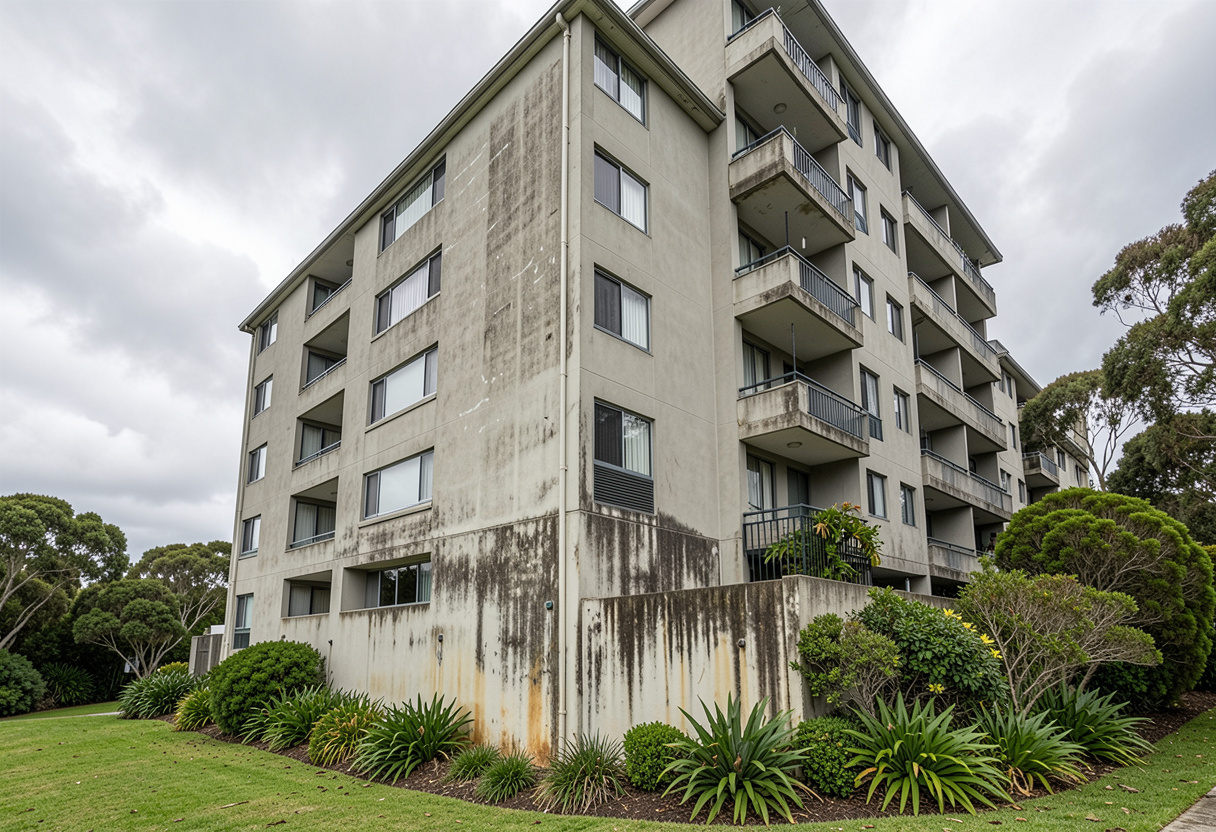
Strata mould maintenance on the Central Coast isn’t something you can manage the same way you’d handle a mould problem in a family home at Terrigal or a rental unit in Gosford. A strata scheme is a completely different beast. You’ve got individually owned lots sharing walls, ceilings, and common infrastructure. You’ve got an owners corporation with governance obligations under the Strata Schemes Management Act 2015. You’ve got strata managers, building managers, and lot owners who all have skin in the game — and different views on who’s responsible for what.
Mould doesn’t respect lot boundaries. It travels through wall cavities, spreads across common property, and shows up in places nobody checked until the damage was already done. On the Central Coast — where humidity sits between 70 and 85 percent for most of the year and buildings across Gosford, Wyong, and The Entrance are dealing with ageing waterproofing and coastal moisture — a generic mould treatment just won’t cut it in a strata building.

What a Dedicated Strata Mould Maintenance Program Actually Involves
High-Risk Common Property Areas in Central Coast Strata Buildings
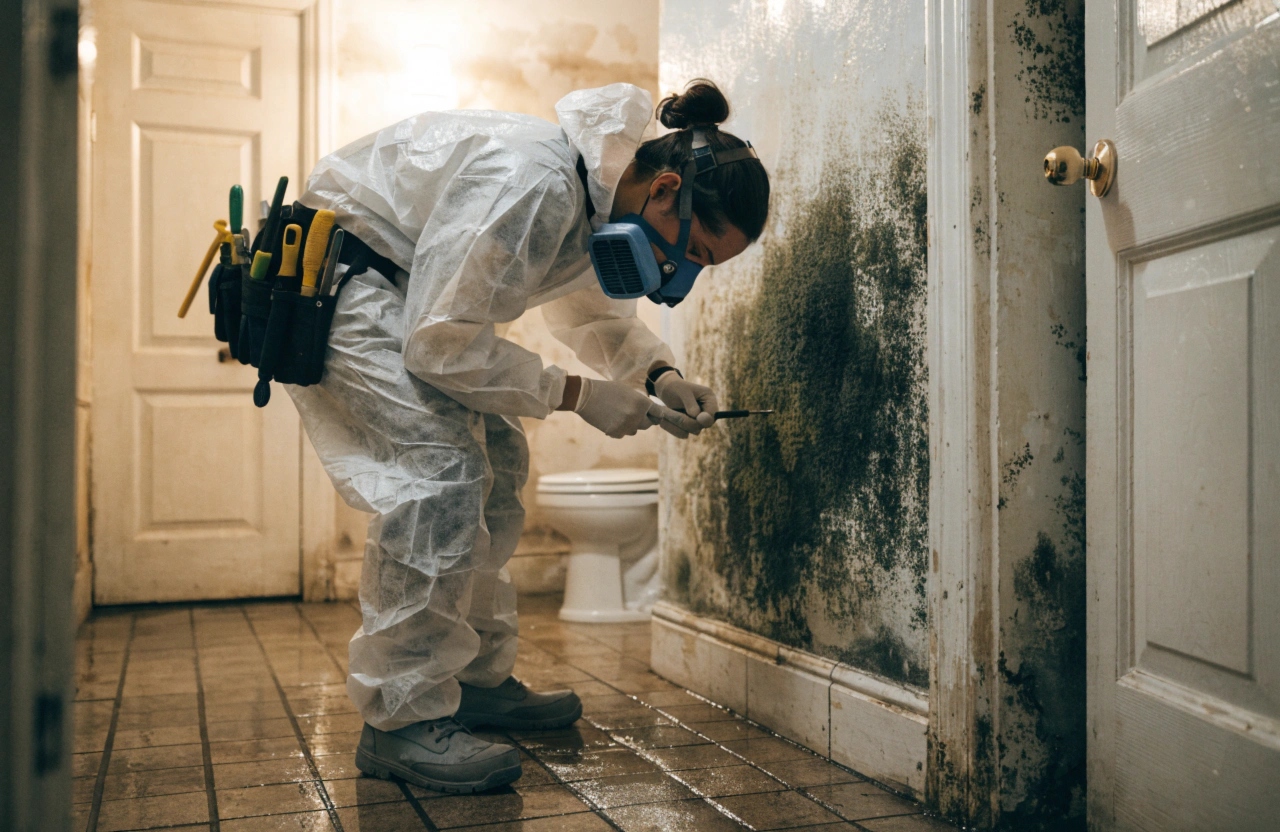

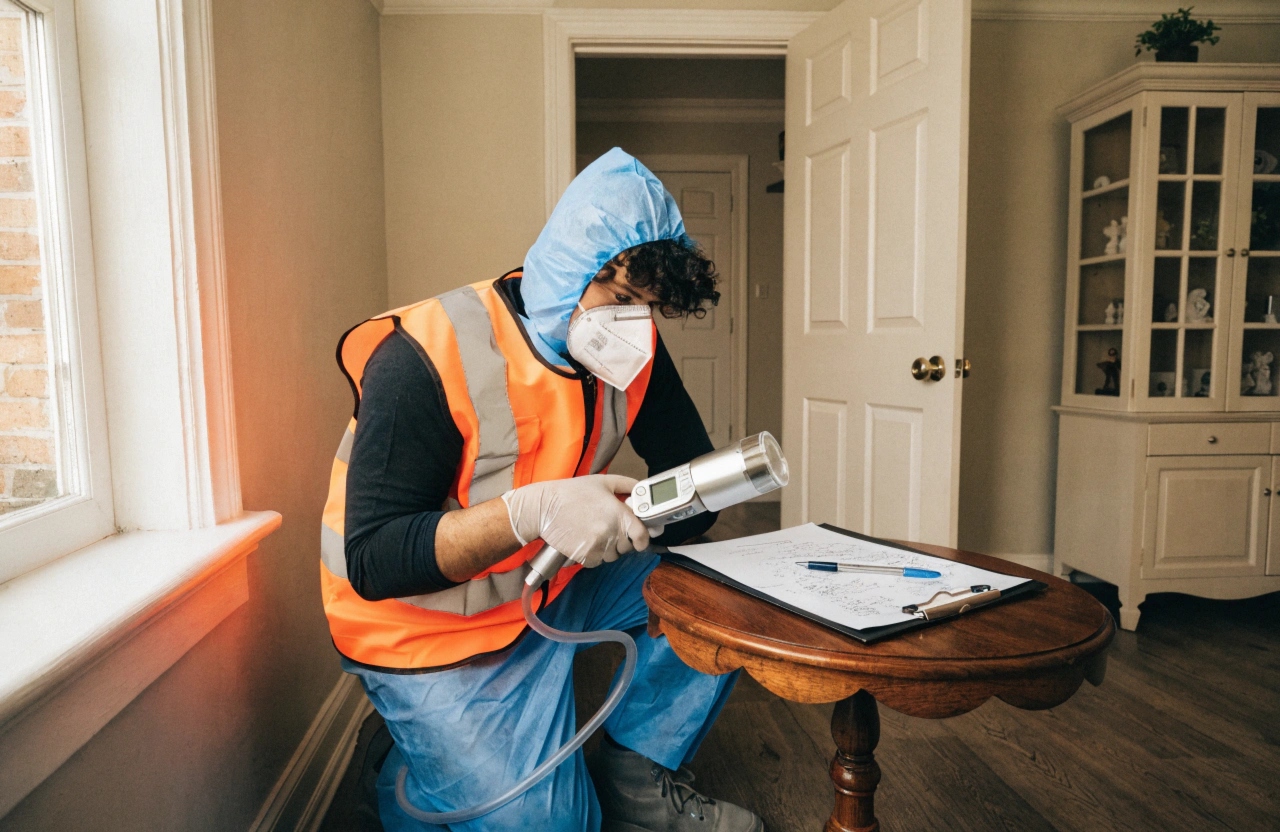
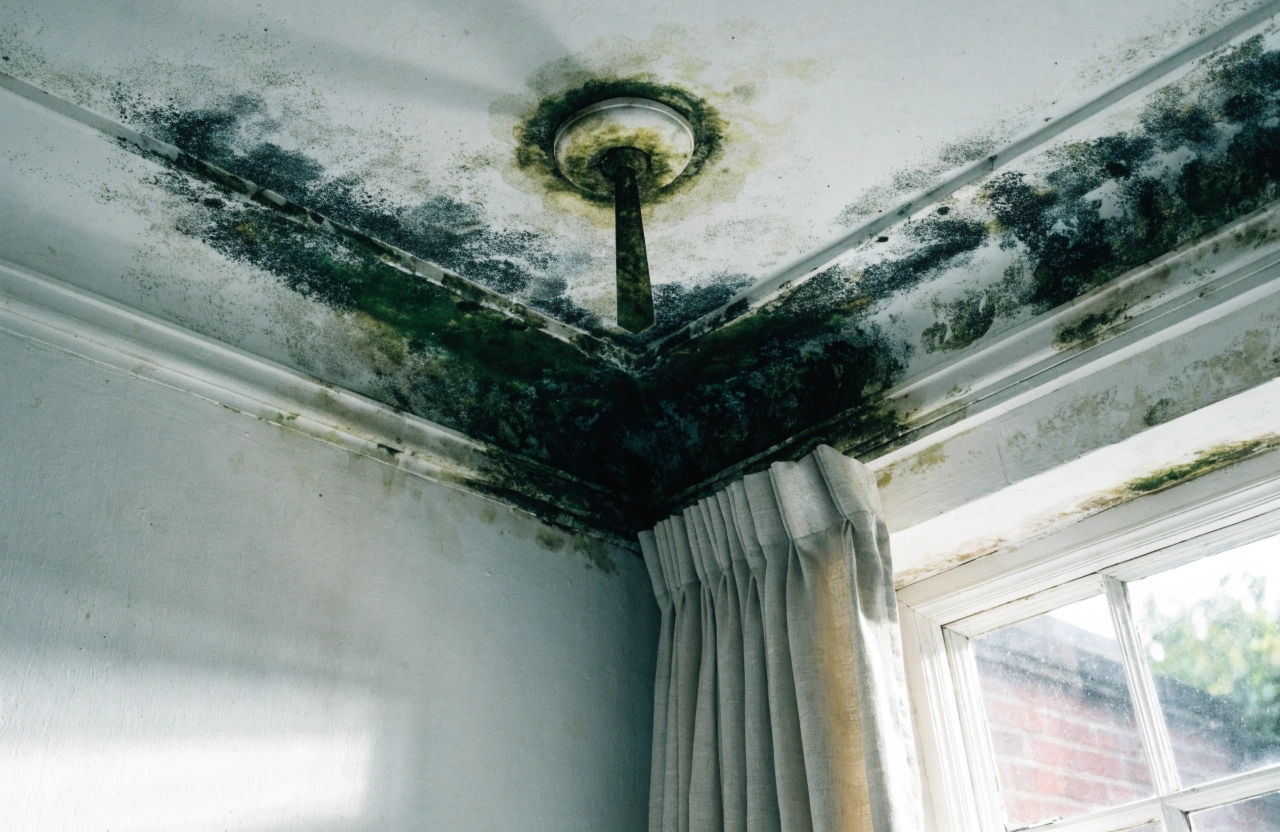
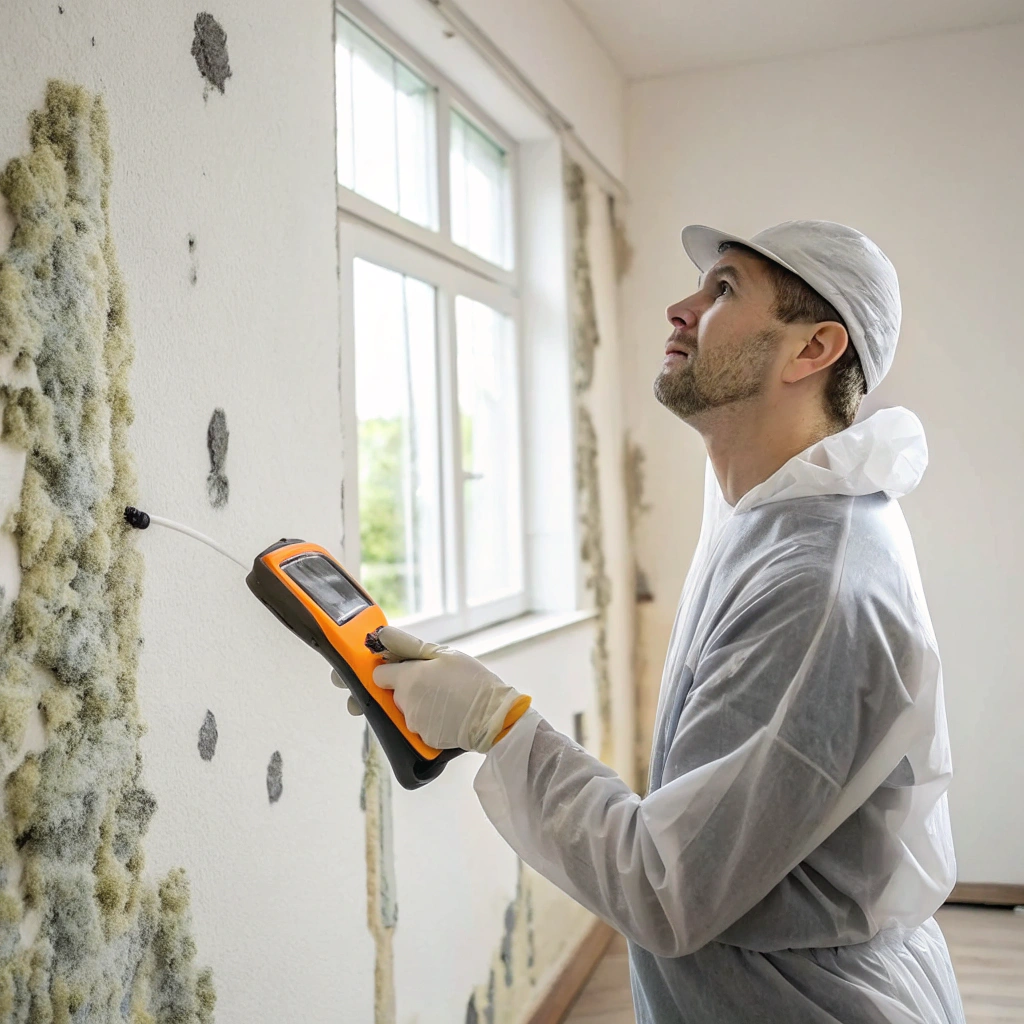
How Strata Governance Integration Works in Practice
One of the things that separates a purpose-built strata mould maintenance program from ad hoc treatment responses is how it sits within the strata governance framework — not alongside it.
A properly structured maintenance program operates within the strata manager’s delegated authority for routine maintenance expenditure. That means each scheduled visit is authorised under the contract. No individual committee approval needed between visits. No delays while mould conditions worsen waiting for the next committee meeting.
This matters more than most strata managers realise. The gap between identifying a mould risk and getting approval to treat it is often where the damage happens. A contracted maintenance program closes that gap entirely.
Annual reporting to the owners corporation committee gives committee members the accountability and transparency they need. It demonstrates the ongoing value of the maintenance investment. And it gives the AGM a documented basis for discussion around sinking fund and administrative fund adequacy for the year ahead.
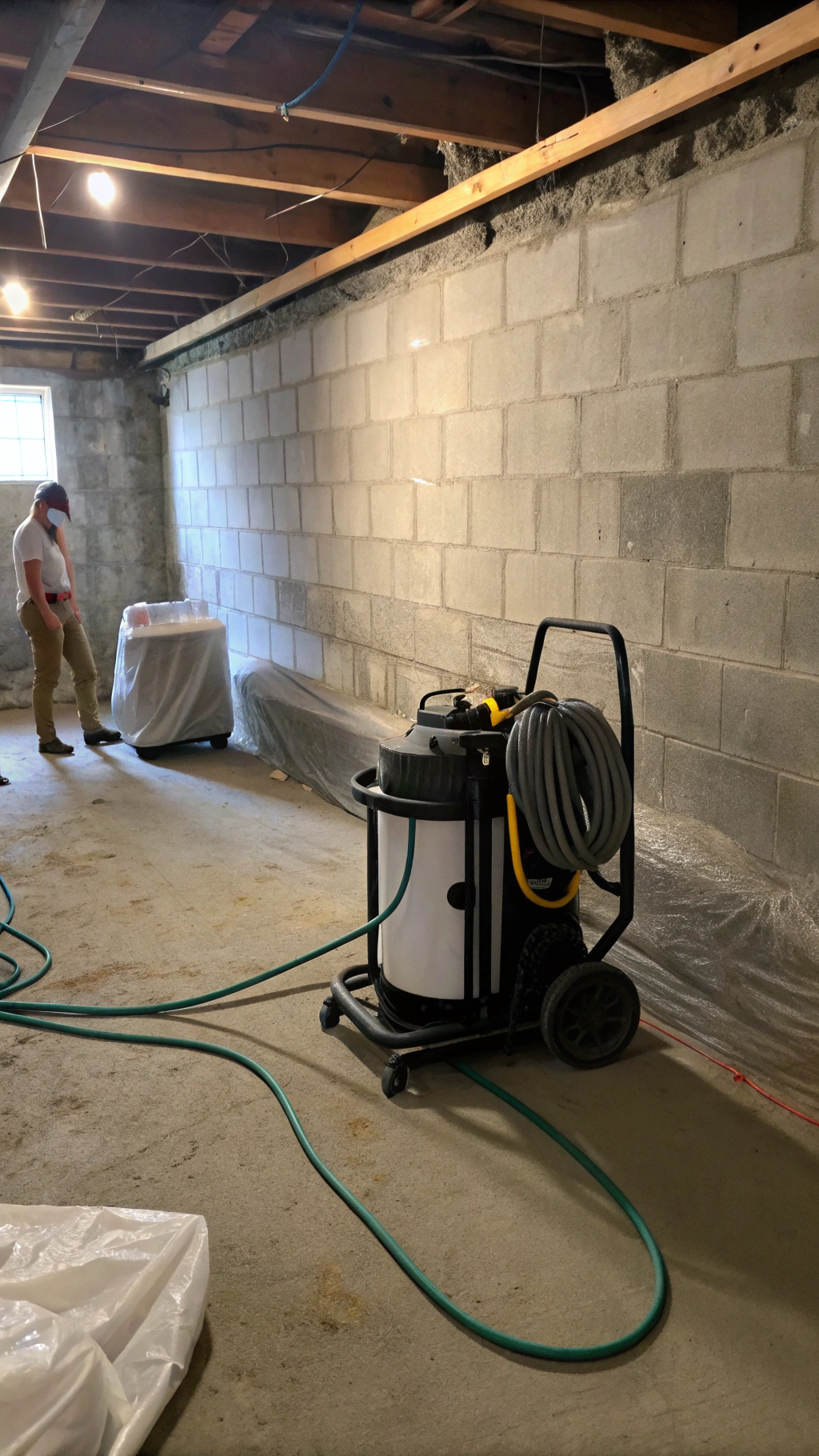
For Building Managers and Facilities Maintenance Contractors
If you’re a building manager or facilities maintenance contractor responsible for day-to-day operations in a Central Coast strata building, you already know that mould is one of those issues that keeps landing back on your desk — reported by residents, flagged in annual fire safety inspections, noticed by cleaners, escalating after every wet season.
A specialist mould maintenance partner handles the biological contamination component of your building maintenance scope without adding complexity to your workflow. Program documentation is provided in formats compatible with your building management system. Between-program mould reports are responded to within agreed service level timeframes. The scope is clear, the reporting is consistent, and the handoff between your facilities management framework and the specialist mould program is seamless.
Think of it as subcontracting the part of building maintenance that requires specialist expertise — keeping your broader facilities scope clean and your mould liability managed by someone who does this full time.
Insurance and Liability Protection for Owners Corporations
A documented mould maintenance program helps owners corporations meet their building maintenance obligations while reducing the risk of costly mould-related issues. Regular inspections, treatment records, and maintenance reports demonstrate that reasonable steps have been taken to manage mould risks throughout the property.
This documentation can also provide valuable protection if insurance claims or liability disputes arise. For strata properties across the Central Coast, where humidity, moisture, and flood risks are ongoing concerns, proactive mould management helps safeguard both the building and the owners corporation’s interests.
Lot Owner Communication — The Component Most Programs Miss
Effective strata mould maintenance relies on clear communication with both strata managers and residents. Keeping lot owners informed about upcoming inspections, treatments, and any required access helps ensure the program runs smoothly and encourages greater cooperation throughout the building.
Regular updates also build trust and demonstrate that the owners corporation is actively managing property health and maintenance. A transparent approach can reduce complaints, improve resident confidence, and create a more positive experience for everyone involved.
Ready to Put a Proper Mould Maintenance Program in Place for Your Strata Building?
Strata mould on the Central Coast doesn’t take breaks between committee meetings. It grows through winter condensation in Gosford apartments, spreads through basement car parks in Wyong complexes, and quietly works its way through rendered facades up and down the coast — whether the owners corporation is across it or not.
A dedicated strata mould maintenance program gives your building the structured, documented, governance-aligned protection that a one-off treatment never can. Your strata manager gets reporting that satisfies the scheme’s records obligations. Your committee gets annual documentation that supports AGM discussions. Your lot owners get the confidence that building health is being actively managed. And your owners corporation gets the insurance and liability protection that comes from demonstrable due diligence.
If you manage a strata scheme on the Central Coast and you’re ready to move from reactive mould responses to a properly structured maintenance program, get in touch today.
Call us for a no-obligation building assessment and program proposal.
FAQs About Strata Mould Maintenance
A standard mould treatment is a one-off response to a visible problem — identify it, treat it, done. Strata mould maintenance is an ongoing program built around the governance, compliance, and multi-stakeholder environment of a strata scheme. It involves scheduled inspections across all common property, documented reporting to the owners corporation, and a risk register that tracks mould risk across the entire building over time — not just the area that triggered the call.
It depends on the building’s age, construction type, and risk profile — but most Central Coast buildings warrant at least two to four scheduled program visits per year. Buildings with basement car parks, shared laundries, older waterproofing, or a history of water ingress typically need more frequent attention. The baseline risk assessment sets the recommended frequency for each specific building.
Routine mould maintenance is generally treated as a recurring maintenance expense and funded from the administrative fund. Where the maintenance program identifies a defect requiring rectification works — such as failed waterproofing or structural moisture ingress — that remediation component may fall within the capital works fund. Your strata manager can advise on the correct fund allocation for your scheme based on the program scope.
Program reports form part of the owners corporation’s maintenance records under the Strata Schemes Management Act 2015. They document that the owners corporation has discharged its maintenance obligations in relation to building health, support insurance claim documentation where required, and provide an evidence trail for any future tribunal proceedings involving mould-related lot owner claims. Reports should be filed with the scheme’s records and referenced in committee meeting minutes when tabled.
If a mould condition is identified within a lot during a common property inspection, the findings are reported to the strata manager rather than actioned directly. The strata manager then determines the appropriate pathway — which may involve notifying the lot owner, investigating whether a common property defect is contributing to the lot mould condition, or engaging a specialist assessment of the lot boundary to determine responsibility. The maintenance program doesn’t override strata governance — it operates within it.
