
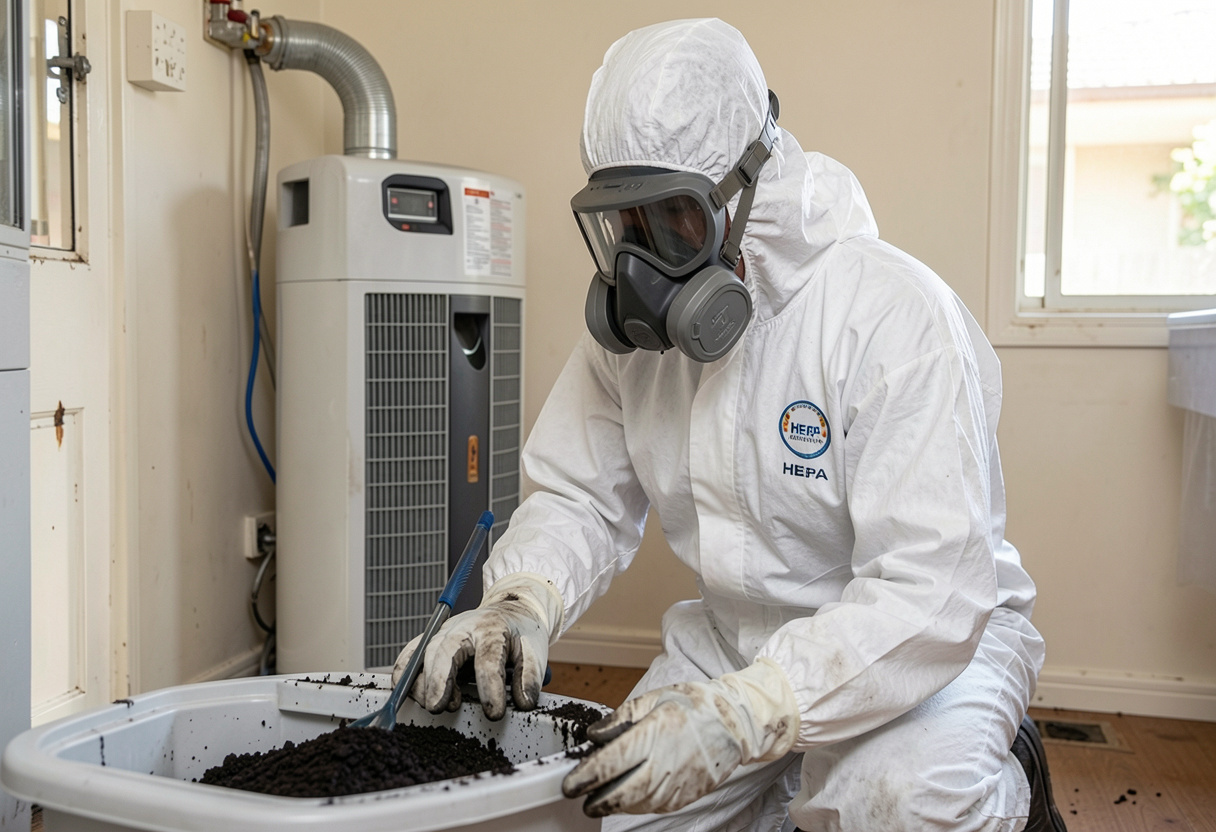
Why Professional Disinfection Goes Beyond a Standard Clean
Standard cleaning removes what you can see — surface dirt, grease, dust, and organic material that accumulates through everyday use. It makes a property look clean. What it does not do is eliminate the microbial organisms that remain active on surfaces after the visible contamination is gone.
Professional disinfection operates at an entirely different level. Using scientifically formulated biocidal agents applied at correct concentrations, with managed dwell times, and delivered by trained technicians using equipment designed for complete surface coverage, professional disinfection achieves a measurable and documentable reduction in pathogenic organisms — bacteria, viruses, fungi, and biological contaminants that no retail product or general cleaning contractor can reliably eliminate.
The distinction matters most when the stakes are highest. After a flood event, a sewage backup, a mould remediation, a problematic tenancy, or a contamination event in a regulated facility, a surface that looks clean is not the same as a surface that is biologically safe. On the Central Coast, where humidity, ageing housing stock, and frequent water ingress events create persistent biological risk, that difference is worth understanding before a problem escalates.

The Central Coast Conditions That Make Professional Disinfection Necessary
The Central Coast sits in one of Australia’s most biologically active coastal corridors. Annual humidity levels that regularly exceed 70–85% relative humidity, concentrated summer rainfall, a vast network of lakes and waterways, and a significant proportion of housing stock built between the 1960s and 1990s combine to create conditions where biological contamination is not an occasional event — it is a recurring feature of property ownership in this region.
Floodwater from Tuggerah Lakes, Brisbane Water, and Lake Munmorah regularly enters low-lying residential properties, carrying pathogenic bacteria, viruses, and biological contaminants into building materials and surfaces. Sewage overflows during storm events introduce an additional category of biological hazard that standard cleaning cannot address. High ambient humidity accelerates mould colonisation and bacterial growth on surfaces that have experienced any form of water ingress.
Add a large and active rental market, a growing strata sector, and regulated facilities including childcare centres and aged care providers across the region — and the demand for professional disinfection services on the Central Coast is both consistent and well-founded.
Electrostatic Spraying — How Charged Aerosol Technology Covers Every Surface
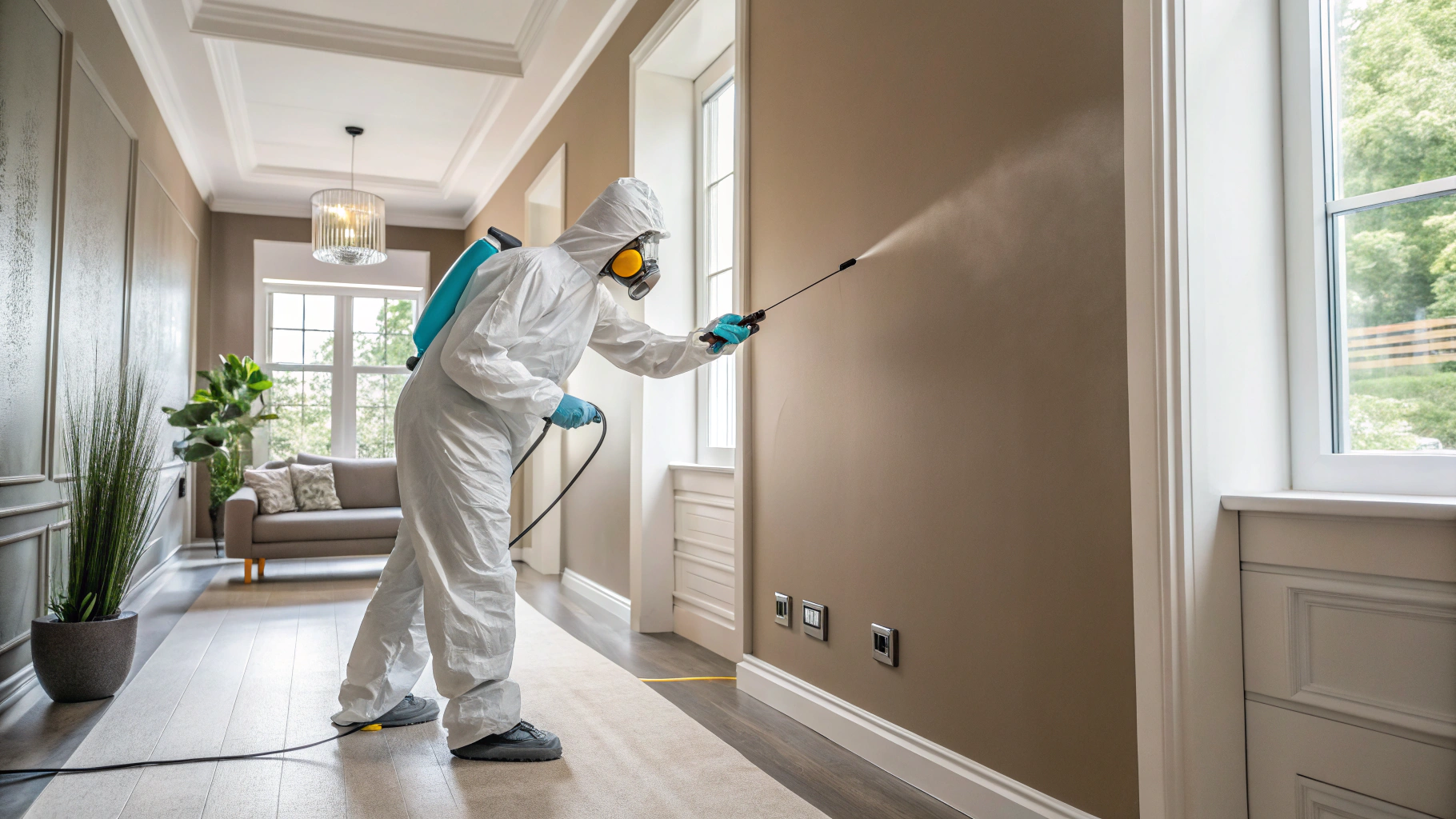
Electrostatic spraying is one of the most significant advances in professional disinfection application technology. Where conventional spray application deposits disinfectant product only on the surfaces directly in the path of the spray, electrostatic technology applies disinfectant as a charged aerosol — particles that carry an electrostatic charge and are actively attracted to surfaces, including the undersides, rear faces, and recessed areas of objects that manual application cannot physically reach.
The practical result is a level of surface coverage that no hand-sprayed or wiped application method can replicate. In environments where complete surface decontamination is required — commercial kitchens, childcare facilities, aged care rooms, post-flood spaces, and remediated mould-affected areas — electrostatic spraying delivers consistent product distribution across every exposed surface in the treatment zone, regardless of geometry or accessibility.
For the Central Coast property owner, landlord, or facility manager requiring documented disinfection to a verifiable standard, electrostatic application is a meaningful indicator that the service being delivered operates at a genuinely professional level — not a domestic-grade imitation of one.
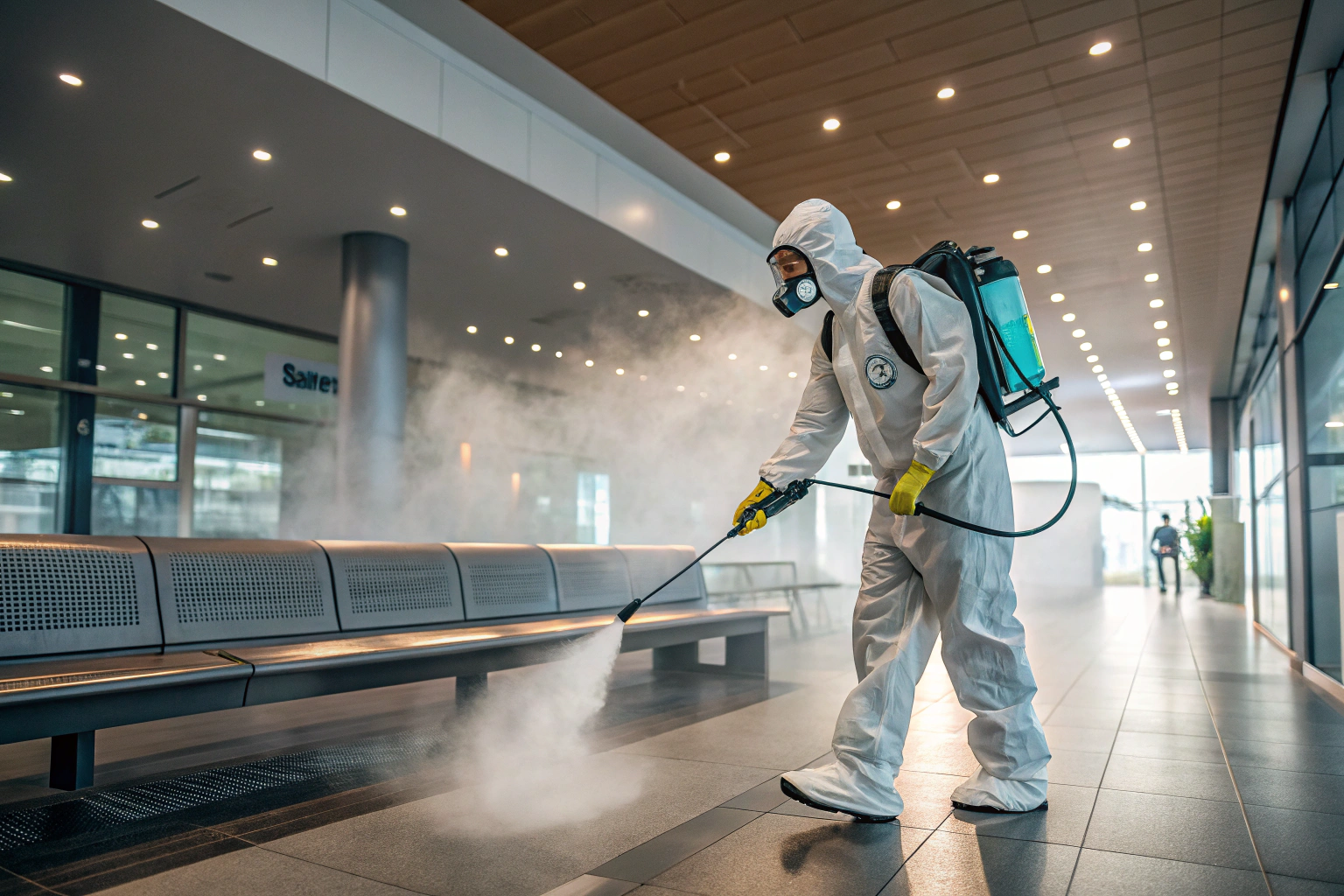
Thermal Fogging for Confined Spaces, HVAC Systems and Inaccessible Areas
Thermal fogging disperses disinfectant product as an ultra-fine mist that penetrates into spaces and surface textures that neither direct application nor electrostatic spraying can reliably reach. Where a property has confined cavities, subfloor spaces, roof voids, wall interiors, or HVAC ductwork that has been exposed to biological contamination, fogging delivers biocidal product into the full depth of the affected zone — not just the surfaces that are visible and accessible from the treatment area.
On the Central Coast, where post-flood contamination regularly affects subfloor spaces and wall cavities, and where HVAC systems in both residential and commercial properties can harbour and distribute biological contaminants throughout a building, thermal fogging is a critical component of any thorough decontamination program.
Fogging is most commonly deployed in combination with electrostatic spraying and direct surface application — each method addressing the specific surface profile and accessibility characteristics of different areas within the treatment zone. Together, they deliver a complete disinfection outcome across the full three-dimensional space of a contaminated property, documented to the standard required by insurers, compliance bodies, and incoming occupants.
Direct Surface Application and Dwell Time Management for High-Contact Areas
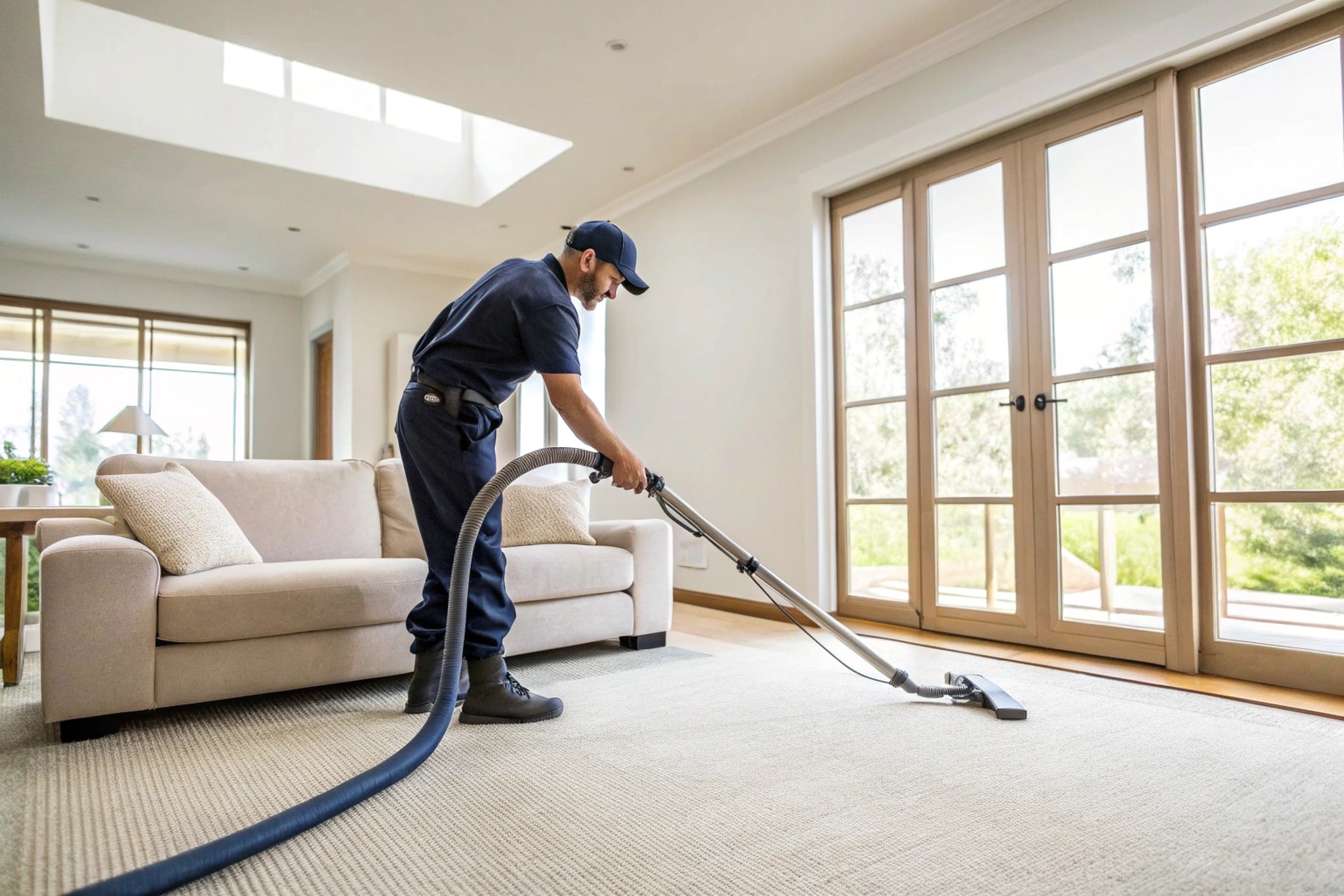
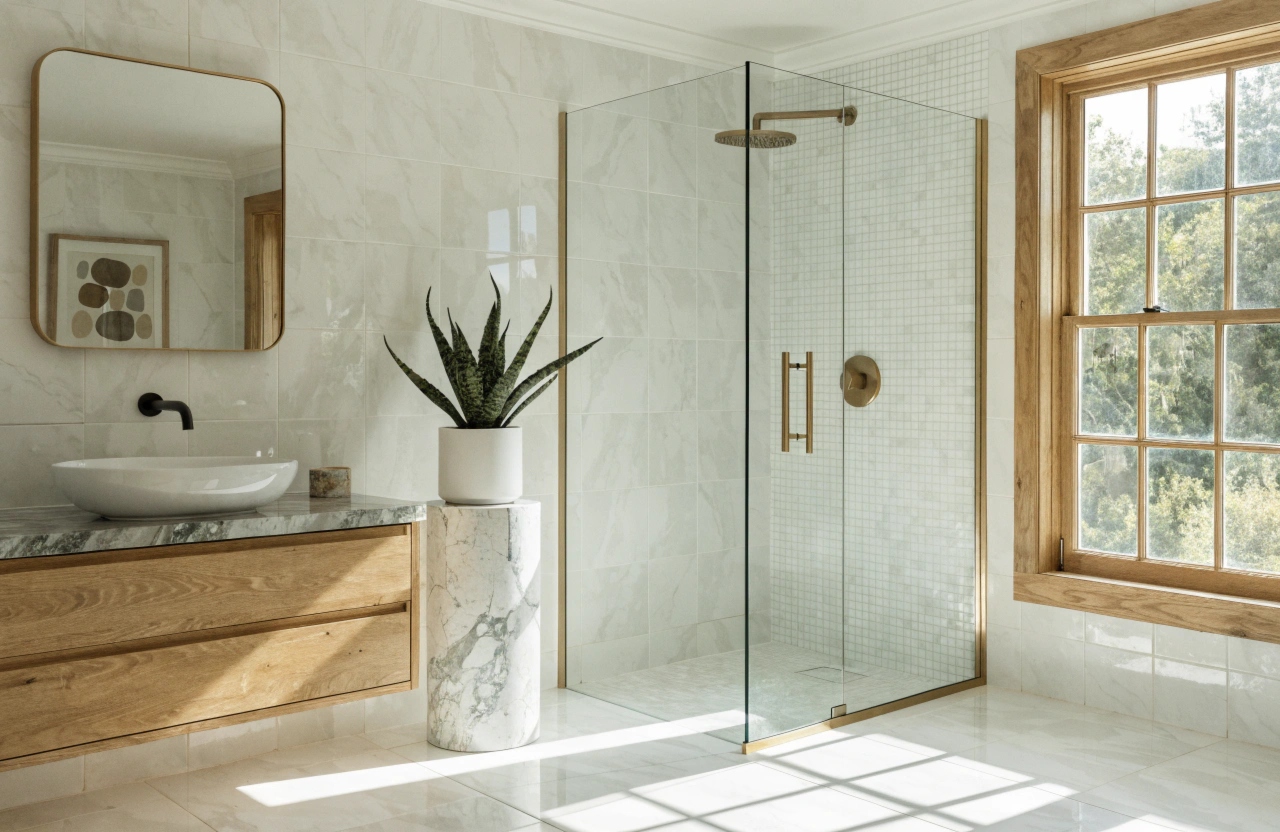
Direct surface application remains the most reliable disinfection method for high-contact surfaces and areas where documented decontamination to a specific standard is required. Where electrostatic spraying and thermal fogging deliver broad coverage across large and inaccessible areas, direct application places hospital-grade biocidal product in deliberate, controlled contact with the surfaces that carry the highest biological risk — door handles, bench surfaces, bathroom fixtures, light switches, lift buttons, and any surface that receives frequent hand contact in a shared or regulated environment.
The critical variable in direct surface application is not the product alone — it is dwell time. A disinfectant product applied to a surface and immediately wiped away has not disinfected that surface. The biocidal agent requires a specific period of uninterrupted surface contact to achieve the kill rate claimed by the manufacturer and required by the applicable compliance standard. Our technicians manage dwell times precisely, matching the contact period to the TGA-registered product in use and the biological threat being addressed.
For Central Coast commercial operators, strata managers, and regulated facility operators, this level of application discipline is what separates a documented professional disinfection service from a cleaning contractor with a spray bottle.
Protecting Your Bond Claim With a Professionally Documented Disinfection Report
For Central Coast property managers and landlords, the condition of a rental property at the end of a tenancy is one of the most commercially sensitive situations in property management. When a property has been left in a condition requiring biological decontamination — whether due to hoarding, pet contamination, illegal activity, or extended neglect — a standard cleaning invoice will not provide the evidence needed to support a bond claim through the NSW Civil and Administrative Tribunal.
A professionally documented disinfection report changes that position entirely. Our treatment certificates specify the products used and their TGA registration numbers, the areas and surfaces treated, the application methods and dwell times applied, and the technician credentials — creating a clear, dated, and verifiable record that the property was returned to a biologically safe standard appropriate for an incoming tenant.
That documentation is the difference between a bond claim that holds and one that doesn’t. For Central Coast property managers who regularly handle end-of-tenancy disinfection, a documented professional service is not an optional upgrade — it is the only version of this service worth commissioning.
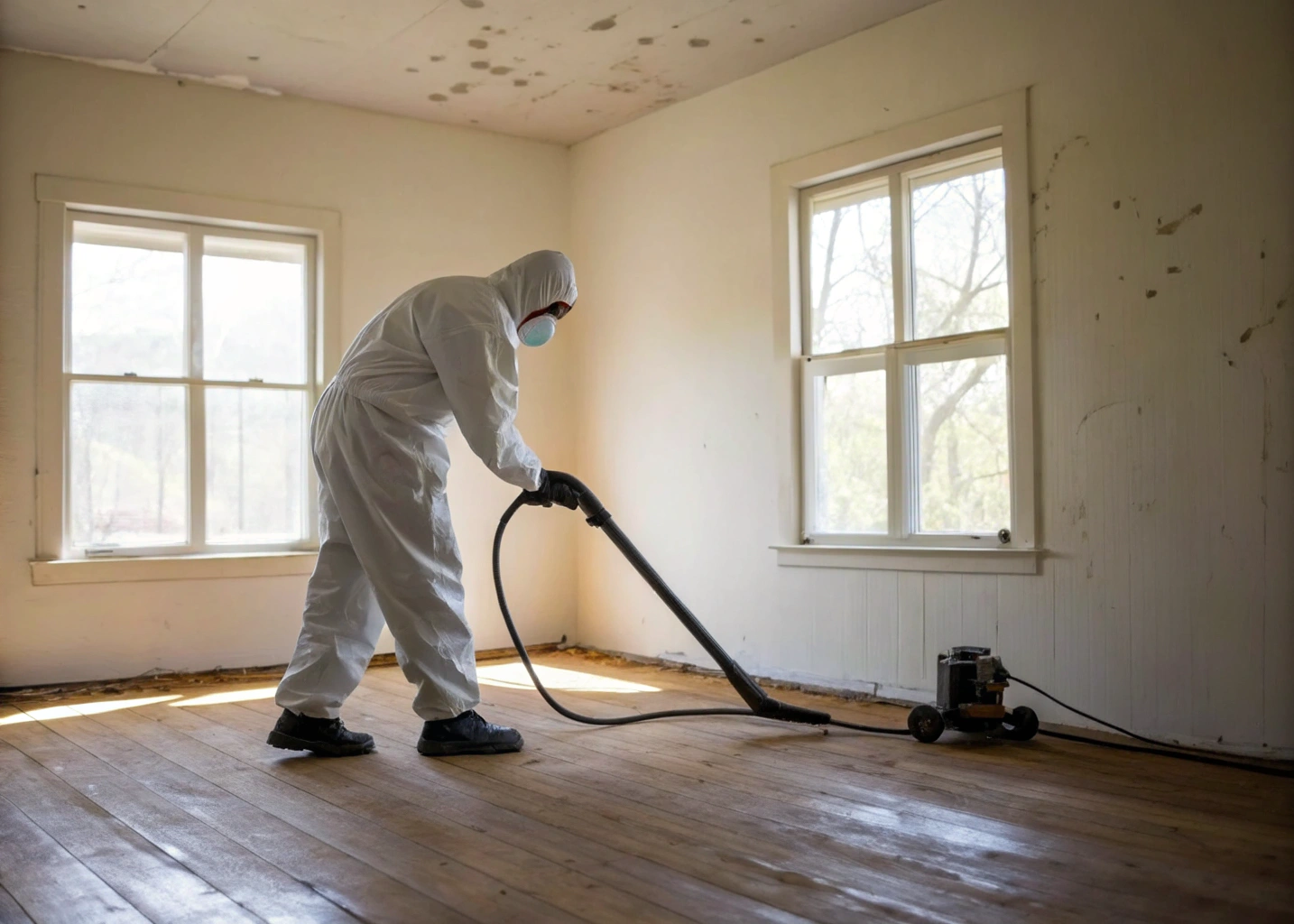
How Our Disinfection Process Works From Initial Assessment to Issued Certificate
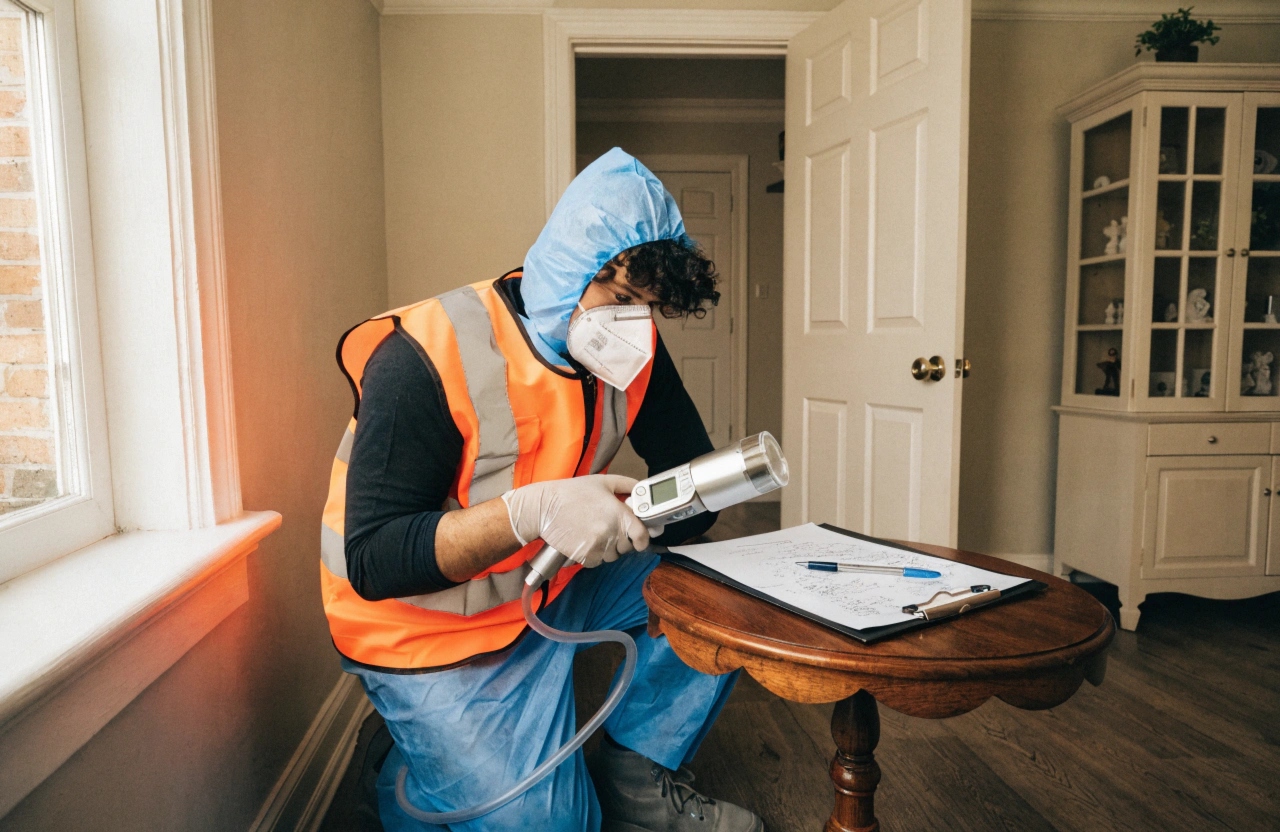
Every professional disinfection service we deliver on the Central Coast follows a structured process designed to match the treatment to the specific contamination type, surface profile, and compliance standard required — not a generic spray-and-go approach applied regardless of the scenario.
- Initial assessment — identification of contamination type, extent, and the applicable disinfection standard for the property and use case
- Product selection — biocidal agent matched to the specific biological threat, surface materials, and any regulatory requirements governing the treated space
- Area preparation — ventilation management, occupant exclusion, and protection of surfaces or items that require isolation prior to treatment
- Application — deployment of electrostatic spraying, thermal fogging, or direct surface application — or a combination of all three — matched to the treatment zone
- Dwell time management — product left in contact with treated surfaces for the full period required to achieve complete biocidal efficacy
- Post-treatment ventilation and clearance — treated areas ventilated and cleared to safe re-entry standard before occupants return
- Certificate issue — full treatment documentation issued covering products, TGA registration numbers, coverage areas, application methods, dwell times, date, and technician credentials
Central Coast Disinfection Services — Frequently Asked Questions
Standard cleaning removes visible dirt and organic material from surfaces. Professional disinfection eliminates the microbial organisms that cleaning leaves behind — bacteria, viruses, and other biological contaminants — using biocidal agents applied at the correct concentrations by trained technicians, with documented outcomes.
Professional disinfection eliminates the biological contamination associated with mould colonisation, including surface mycotoxin residues on treated areas. It is most effective when applied following professional mould remediation — treating the remediated space before occupants return to a certified biological standard.
Disinfection eliminates biological contamination present at the time of treatment. Recontamination can occur through subsequent occupant activity, water ingress, or environmental exposure. High-risk environments benefit from scheduled periodic disinfection programs rather than a single once-off treatment.
Yes. Our treatment certificates specify products used, TGA registration numbers, areas treated, application methods, dwell times, and technician credentials — documentation that satisfies insurance requirements, workplace health and safety obligations, food safety audits, and childcare and aged care licensing conditions.
We deliver professional disinfection services across residential properties, rental properties, strata buildings, commercial kitchens, childcare and aged care facilities, and workplaces — covering the full Central Coast corridor from Gosford and Woy Woy to Wyong and Lake Munmorah.
Book Your Central Coast Disinfection Service Today
Central Coast properties face biological contamination risks that standard cleaning was never designed to address. Whether you are dealing with the aftermath of a flood event, a sewage backup, a mould remediation, a problematic tenancy, or a compliance obligation in a regulated facility — our professional disinfection service delivers a documented, certified outcome that protects your property, your occupants, and your legal position.
We service residential properties, rental properties, strata buildings, commercial kitchens, childcare and aged care facilities, and workplaces across the full Central Coast corridor — from Gosford and Woy Woy in the south to Wyong, The Entrance, and Lake Munmorah in the north.
Every service is delivered by trained technicians using TGA-registered biocidal products, professional application equipment, and a structured process that ends with a fully documented treatment certificate — the evidence you need, issued the same day.
Call us today for a same-day assessment and obligation-free quote.
