
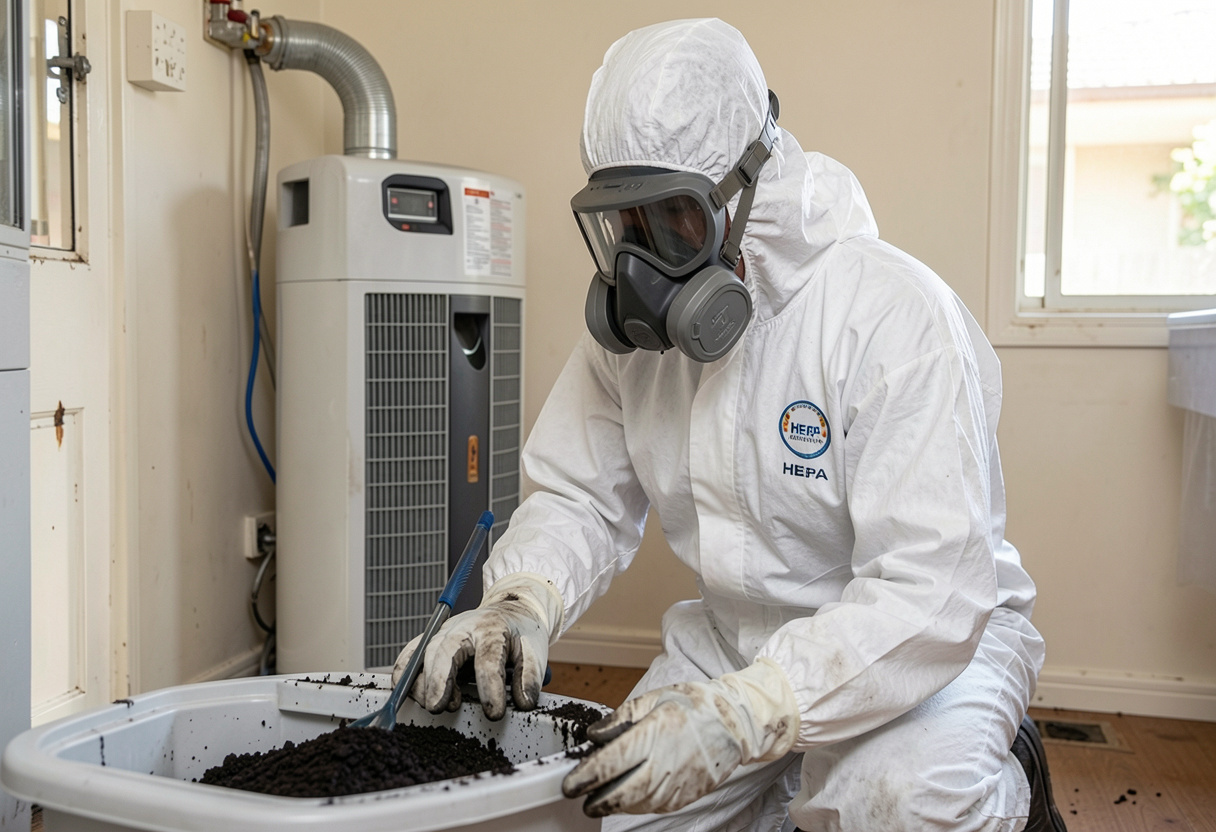
What Antimicrobial Treatment Actually Does to Microbial Contamination
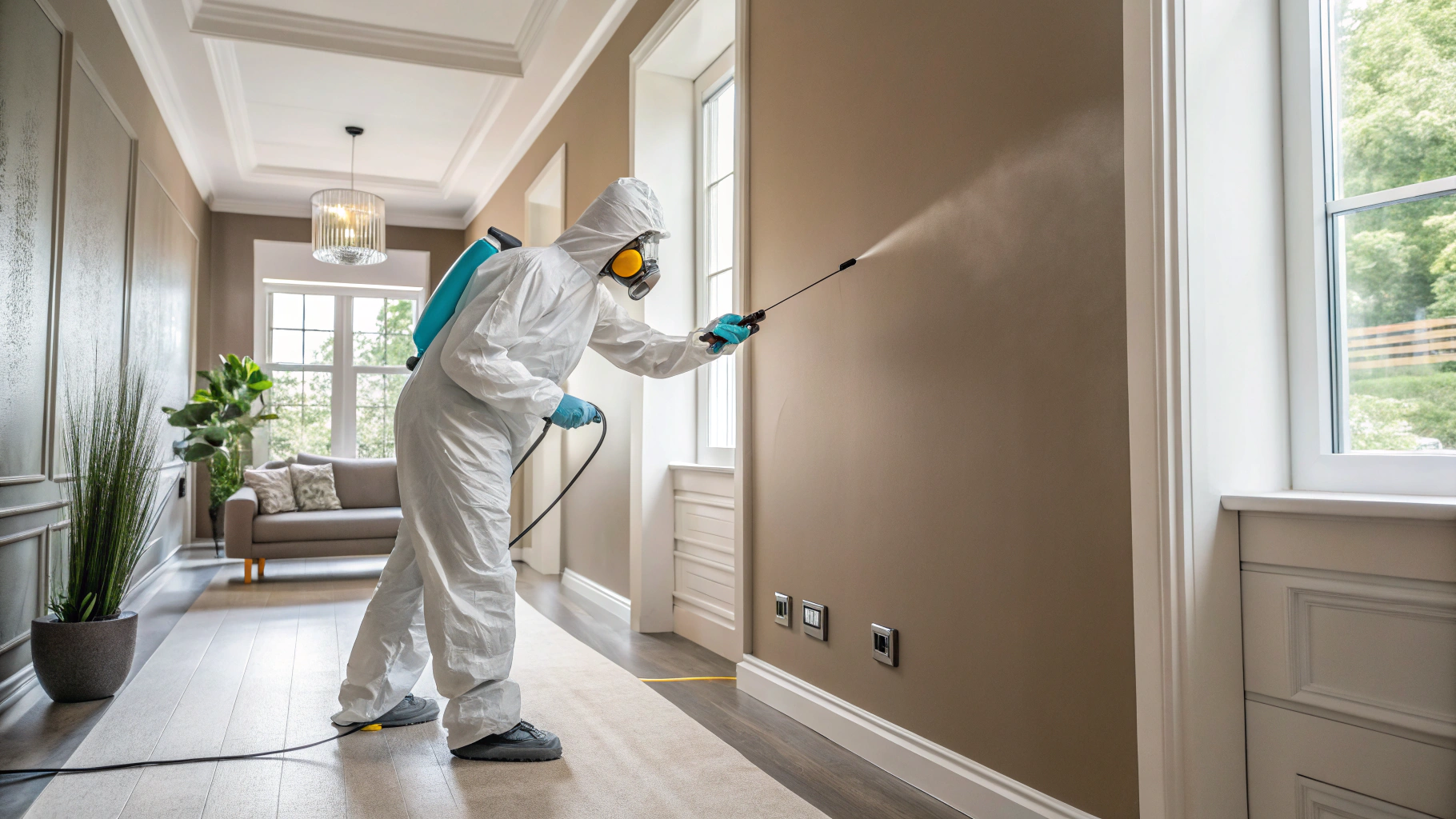
Professional antimicrobial treatment is not a cleaning service, and it is not a mould spray. It is the targeted application of biocidal agents — scientifically formulated products that destroy microbial organisms at a cellular level — across affected surfaces, materials, and air spaces. Where cleaning removes visible contamination from a surface, antimicrobial treatment penetrates the microbial cell structure itself, disrupting the biological processes that allow organisms to survive, reproduce, and recolonise treated areas.
The result is a measurable reduction in microbial load across treated surfaces, combined with a period of residual protection that continues working after the technician has left the property. This residual action is what separates professional antimicrobial treatment from any product available at a hardware store — consumer sprays deliver a one-time contact kill with no ongoing protection, while professional-grade biocidal formulations are engineered to maintain active antimicrobial performance on treated surfaces for weeks or months depending on the product system applied and the environmental conditions of the Central Coast property.

Property Managers and Landlords — Antimicrobial Treatment Between Tenancies
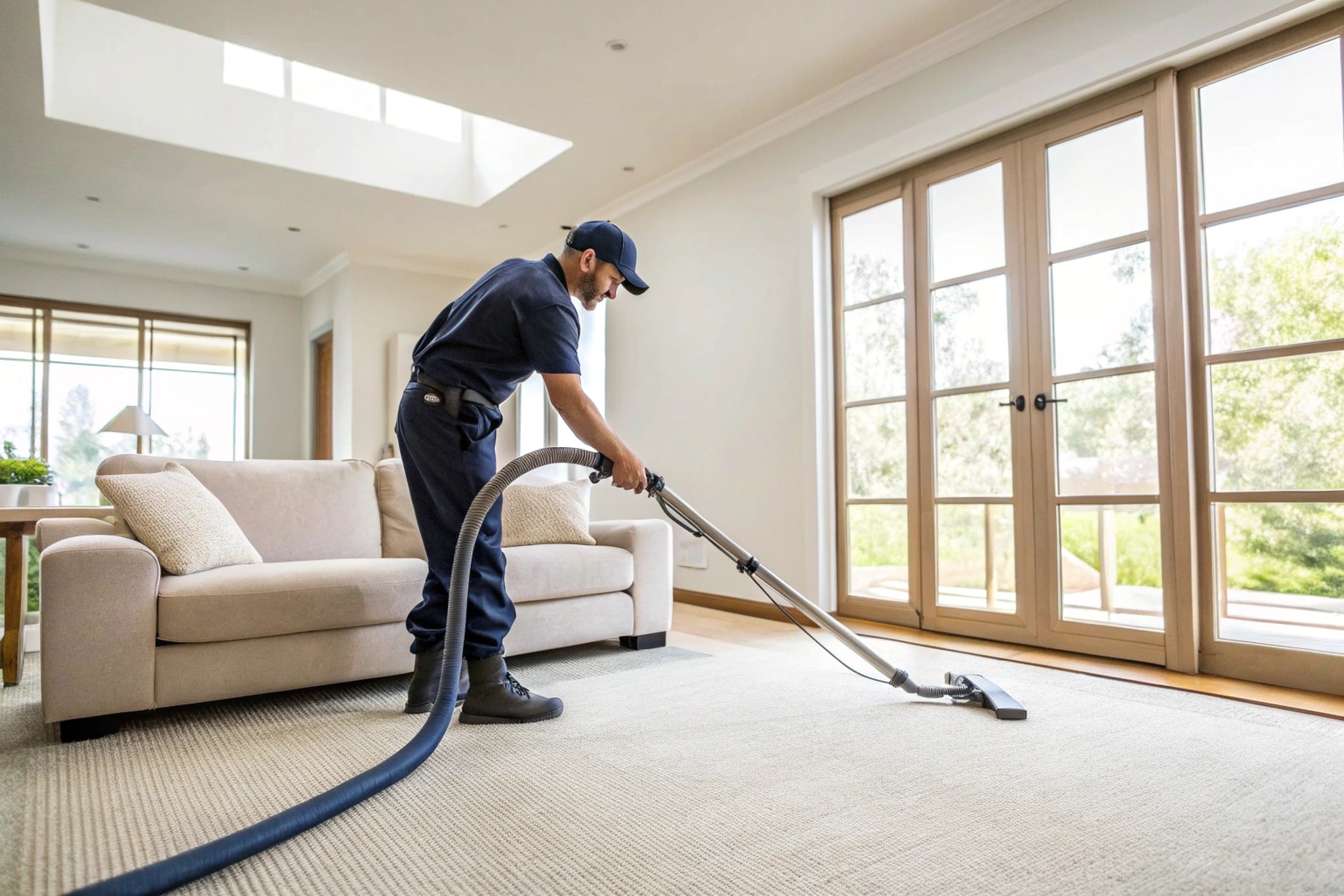
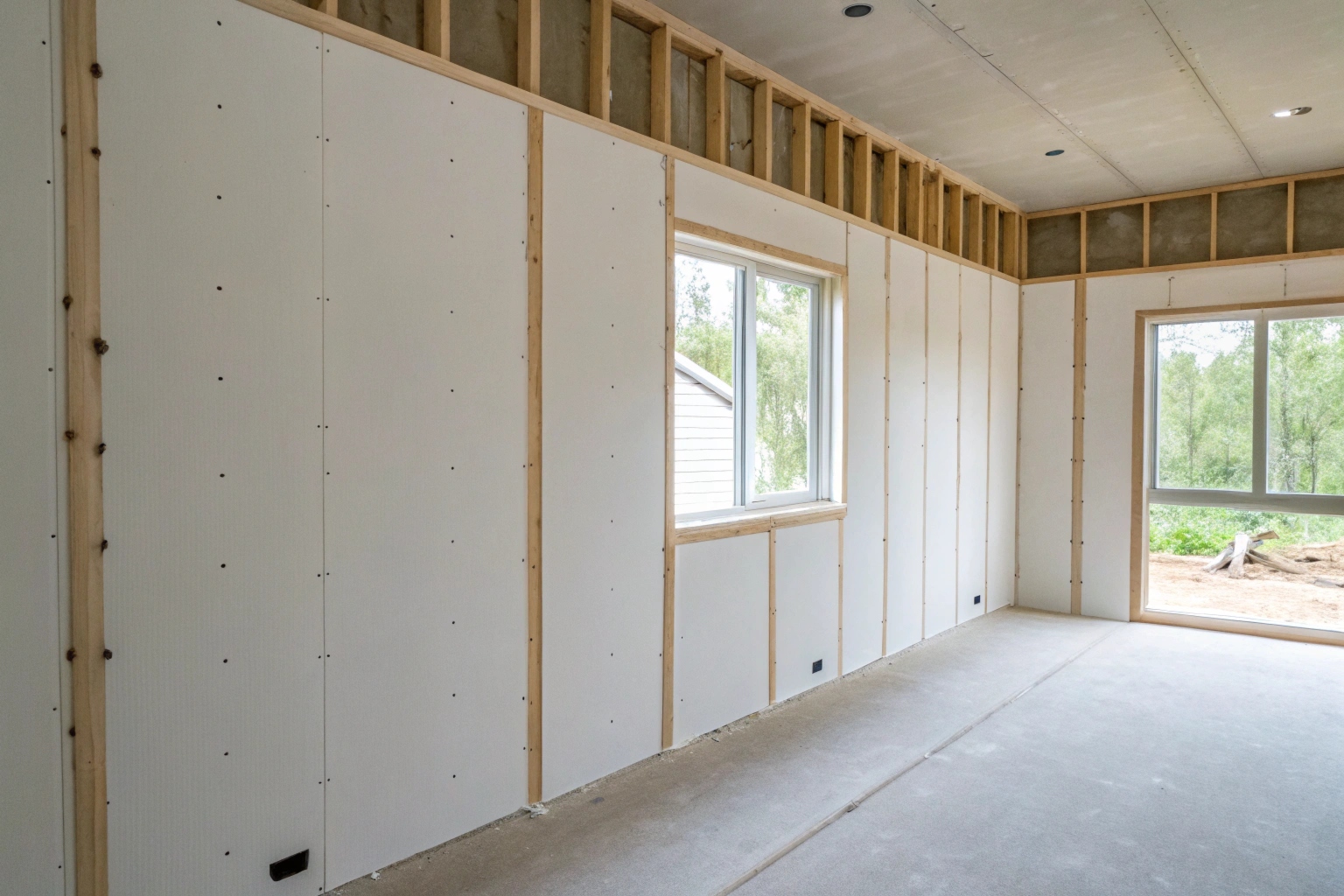
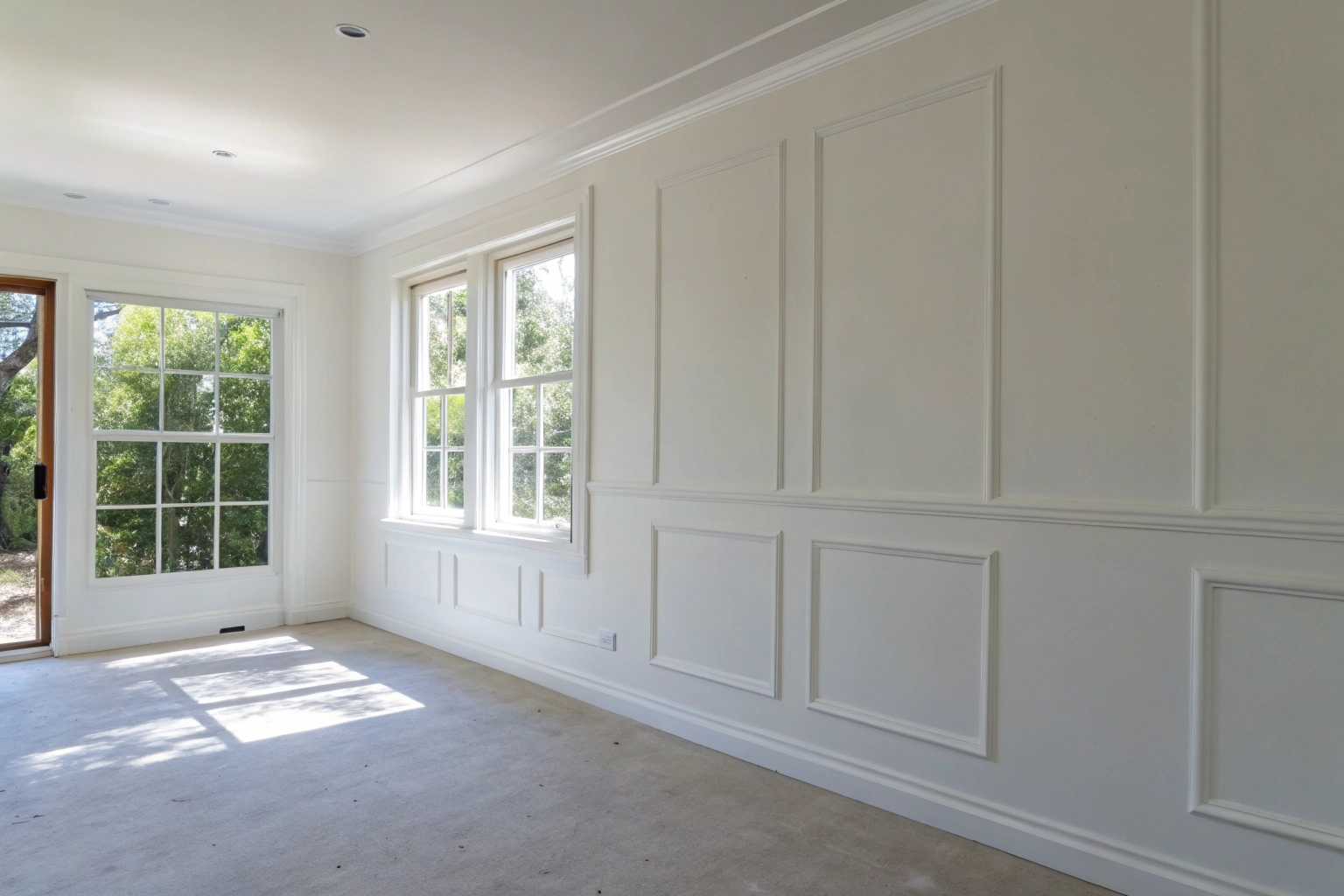
For property managers and landlords on the Central Coast, antimicrobial treatment between tenancies is one of the most practical and professionally defensible investments available in the property management cycle. Following tenancies where mould complaints were raised, water damage occurred, or the property was left in poor condition, a professional antimicrobial treatment delivers a documented, verifiable microbial baseline before the incoming tenant takes possession.
That documentation carries real weight. A formal treatment certificate specifying the products applied, surfaces treated, and residual protection period provides concrete evidence of professional property preparation — evidence that protects the landlord’s position in any future tenancy dispute and demonstrates a clear duty of care to the incoming tenant.
For property managers maintaining a portfolio across the Central Coast, building antimicrobial treatment into the routine changeover process — particularly for properties with a history of moisture issues or mould complaints — is a straightforward way to reduce liability exposure, strengthen relationships with incoming tenants, and maintain a documented maintenance standard across managed properties.
The Role of Residual Protection in Long-Term Microbial Control
Residual protection is the defining characteristic that separates professional antimicrobial treatment from any cleaning or disinfection service available through general contractors or retail products. Where a standard disinfectant delivers a contact kill at the moment of application and offers no ongoing protection once dry, a professionally applied biocidal formulation continues to suppress microbial activity on treated surfaces for weeks or months after the treatment is complete.
On the Central Coast, where ambient humidity, seasonal moisture events, and coastal air conditions create a persistent environment for microbial recolonisation, residual protection is not an optional feature — it is the mechanism that makes treatment outcomes durable. Without it, surfaces that have been decontaminated can return to problematic microbial load levels within weeks of treatment, particularly in poorly ventilated spaces, bathrooms, subfloor environments, and properties with unresolved moisture ingress.
Our antimicrobial treatments are selected and applied specifically to maximise residual performance in the Central Coast’s climatic conditions, delivering protection periods that are documented in the treatment certificate issued after every job.
Why Certified Technicians Matter in Professional Antimicrobial Treatment
The products used in professional antimicrobial treatment are not available to the general public — and for good reason. Biocidal agents at professional concentrations require trained handling, correct dilution protocols, appropriate personal protective equipment, and application methodology matched to the surface type, contamination category, and product chemistry involved. In untrained hands, the same products that deliver measurable microbial control can cause surface damage, chemical residue issues, or inadequate coverage that leaves contamination active beneath a treated surface.
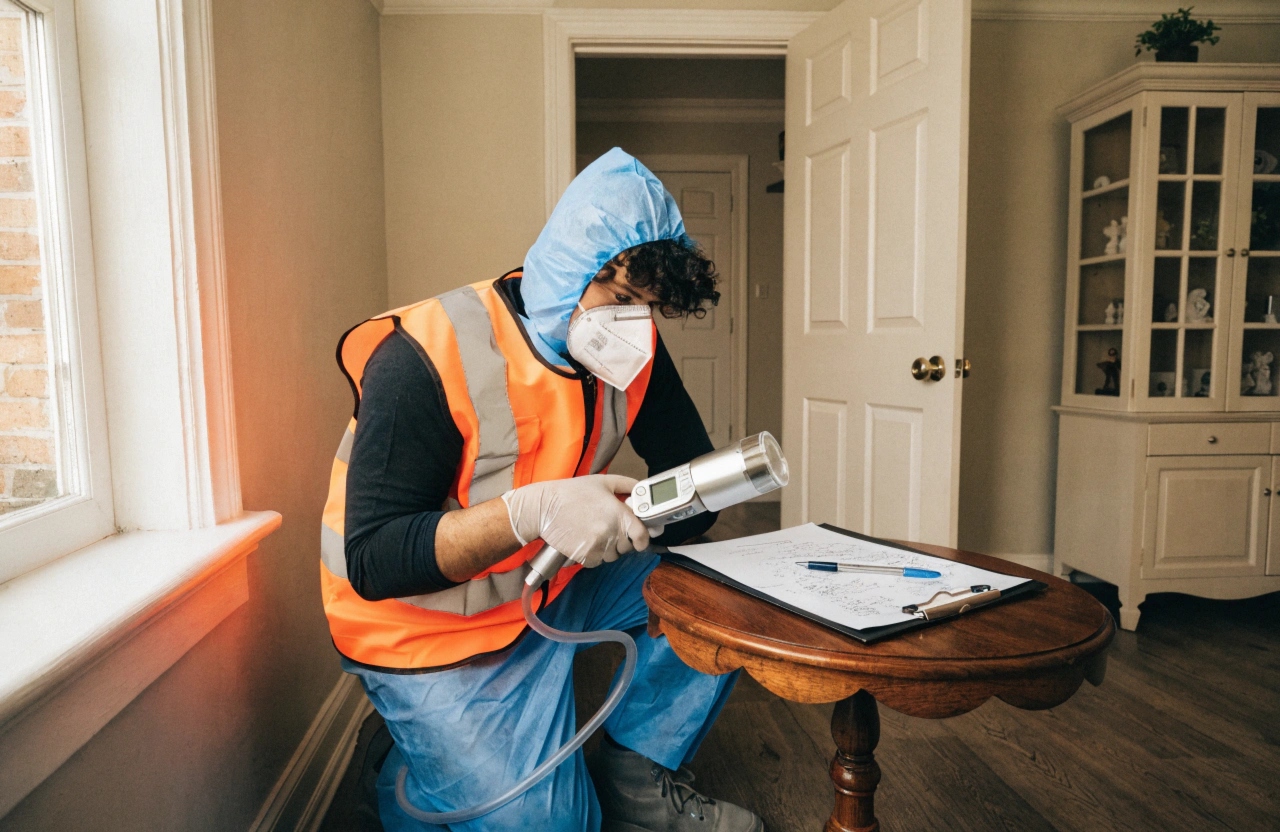
Our technicians are certified in biocidal product application, trained in contamination assessment, and equipped with professional-grade application equipment that delivers consistent product penetration and coverage across every surface type encountered in Central Coast residential and commercial properties. Every treatment is carried out to a documented standard — not a best-effort spray — with a formal treatment certificate confirming the products used, coverage achieved, and residual protection period on completion.
Combining Mould Remediation and Antimicrobial Treatment for Complete Protection
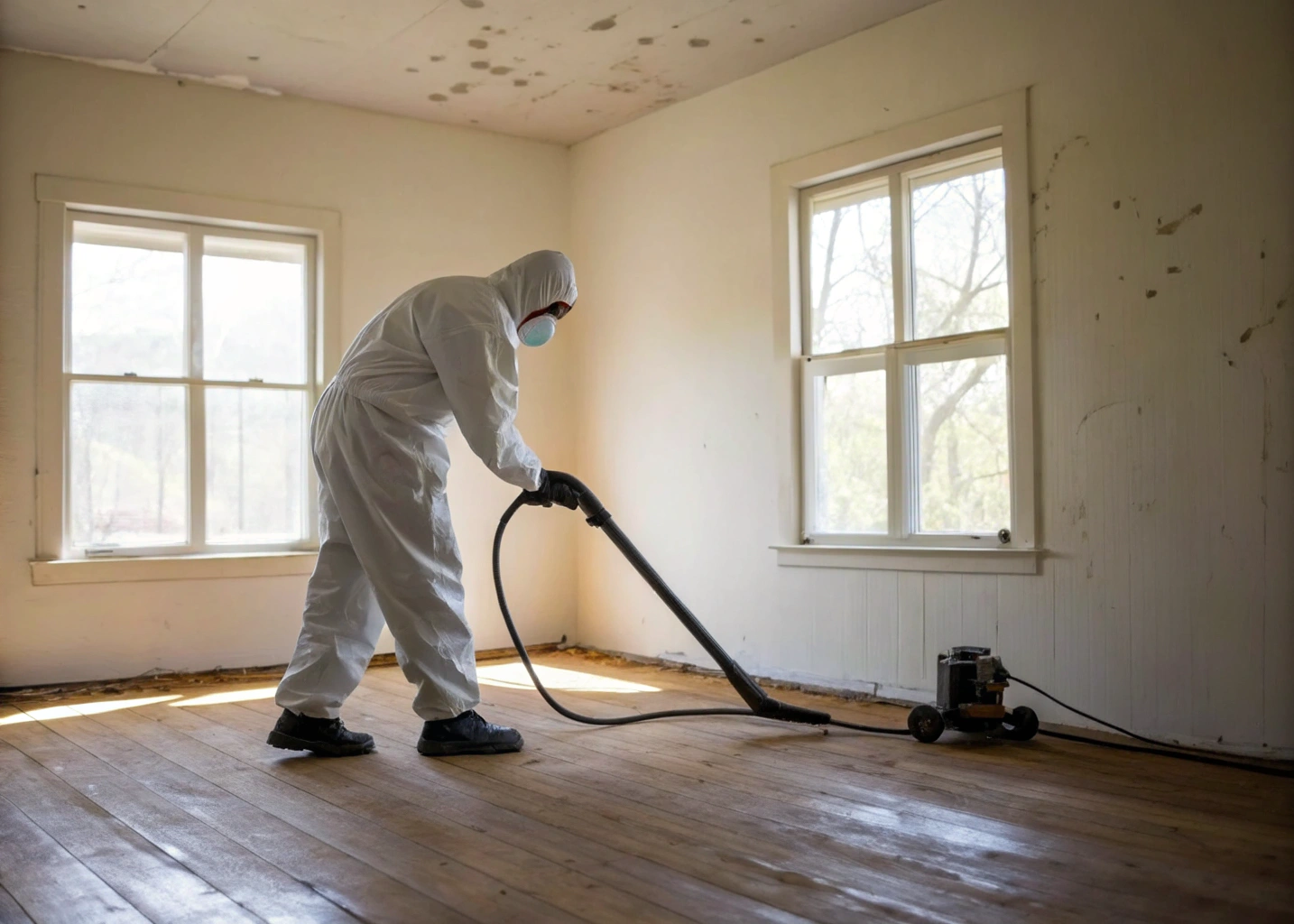
Mould remediation and antimicrobial treatment are complementary services that deliver significantly stronger outcomes when delivered as a combined protocol than either service can achieve independently. Remediation physically removes mould growth, contaminated materials, and visible biological matter from the property — but physical removal alone does not eliminate the residual spore load that remains on surrounding surfaces, in air spaces, and within building cavities after remediation work is complete.
Antimicrobial treatment applied immediately following remediation addresses exactly that residual risk. A professional post-remediation antimicrobial application treats the surfaces and air spaces of the remediated area with biocidal products that eliminate remaining spore contamination, provide a documented clean baseline, and deliver residual protection against recolonisation before reinstatement work begins. This sequencing is the recognised best-practice approach to mould remediation on the Central Coast and is the standard our technicians apply to every remediation project.
For property owners, the combination means the remediated space is not simply clean — it is biologically cleared, documented, and protected against the conditions that allowed mould to establish in the first place.
Frequently Asked Questions — Central Coast Antimicrobial Treatments
Standard cleaning removes visible surface contamination. Professional antimicrobial treatment applies biocidal agents that eliminate microbial organisms at a cellular level and deliver residual protection — something no retail cleaning or mould spray product is formulated to achieve.
Residual protection periods vary by product system and environmental conditions. Most professional biocidal formulations deliver between 30 days and 12 months of residual protection, with longer periods achievable in controlled environments and shorter periods expected in high-humidity Central Coast conditions.
Yes. Once the treatment has dried and the property has been ventilated according to the technician’s clearance instructions, professionally applied antimicrobial products are safe for children, pets, and normal occupant activity throughout the treated property.
Food-safe biocidal formulations are selected for any treatment involving kitchen or food preparation surfaces. Our technicians specify the product used and its food-contact safety profile in the treatment certificate issued at the completion of every job.
Yes. A professional treatment certificate documents the products applied, active ingredients, surfaces treated, application method, and residual protection period — satisfying insurance requirements, workplace health and safety obligations, and body corporate maintenance records.
Ready to Protect Your Central Coast Property With Professional Antimicrobial Treatment?
Microbial contamination doesn’t resolve itself — and on the Central Coast, where humidity and moisture create persistent biological risk year-round, the gap between a surface clean and a professionally treated, documented outcome is significant. Our certified technicians deliver hospital-grade antimicrobial treatments across residential, commercial, strata, and rental properties throughout the Central Coast, with a formal treatment certificate issued on completion of every job.
Whether you are a homeowner dealing with recurring mould, a property manager preparing a rental for incoming tenants, or a commercial operator with compliance and workplace health obligations, we are ready to assess your property and deliver a treatment outcome that is measurable, documented, and built to last.
Call us today to book your antimicrobial treatment assessment on the Central Coast.
