
What Water Damage Does to a Central Coast Property
Water doesn’t just wet surfaces — it works its way into timber framing, plasterboard, insulation batts, subfloor cavities, and flooring substrates long before the visible damage becomes obvious. On the Central Coast, where coastal humidity already keeps moisture levels elevated, that process accelerates faster than it would in drier inland climates.
A single leaking roof, burst pipe, or storm water ingress event can compromise the structural integrity of wall cavities and floor systems within hours. Mould spores — present in every home — activate the moment moisture and organic material meet. Within 24 to 48 hours, active mould colonies establish themselves inside walls, under flooring, and across ceiling cavities.
Left unaddressed, water damage leads to rotting timber, delaminating flooring, crumbling plasterboard, and declining indoor air quality — all of which affect the liveability, safety, and market value of your property. Fast, professional restoration is what stops a containable problem from becoming a structural one.

Mould Removal and Remediation Central Coast
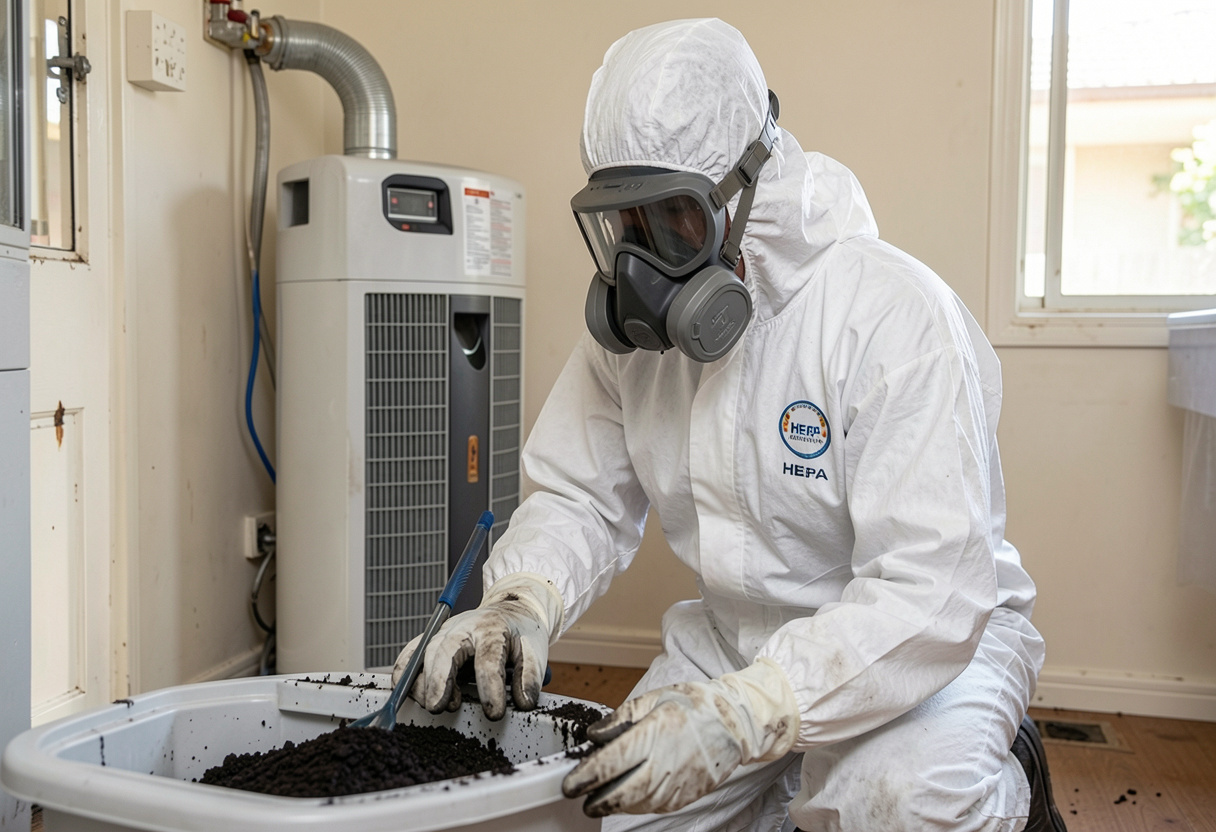
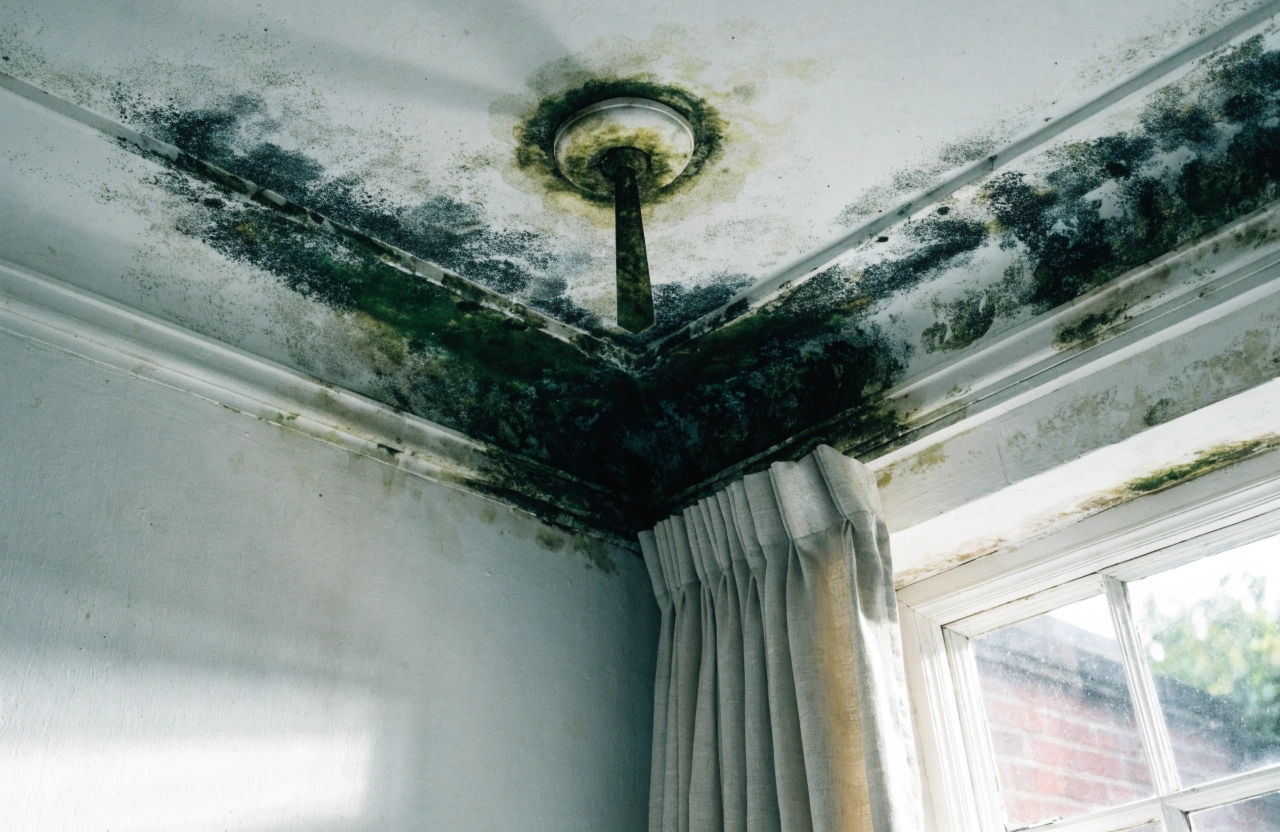
Mould removal and mould remediation are not the same process — and on the Central Coast, where humidity and moisture ingress create persistent regrowth conditions, the distinction matters. Removal addresses the visible surface growth. Remediation goes further — identifying the moisture source, treating affected materials at a structural level, and restoring indoor air quality to safe, measurable standards.
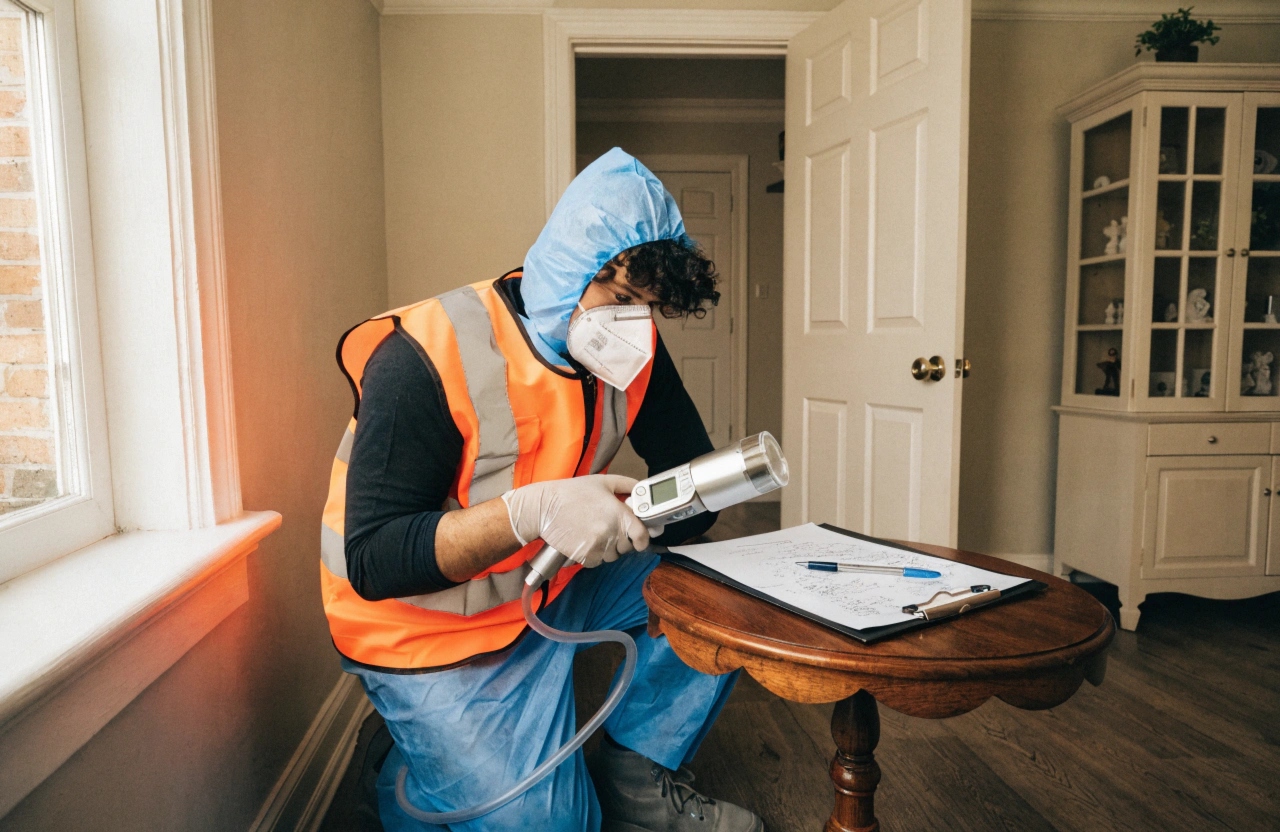
Our Central Coast mould remediation service follows IICRC-certified protocols across every job type — from a single bathroom mould outbreak in a Terrigal townhouse to a full multi-room remediation in a flood-affected Wyong property. Every job includes a pre-treatment assessment, containment procedures to prevent cross-contamination, HEPA filtration, and a post-remediation clearance report you can present to insurers, property managers, or prospective buyers.
For Central Coast homeowners who have already tried retail mould sprays and watched the problem return, professional remediation addresses the cause, not just the surface. That’s the difference between a temporary result and a permanent one.
Mould Prevention and Antimicrobial Treatment Services
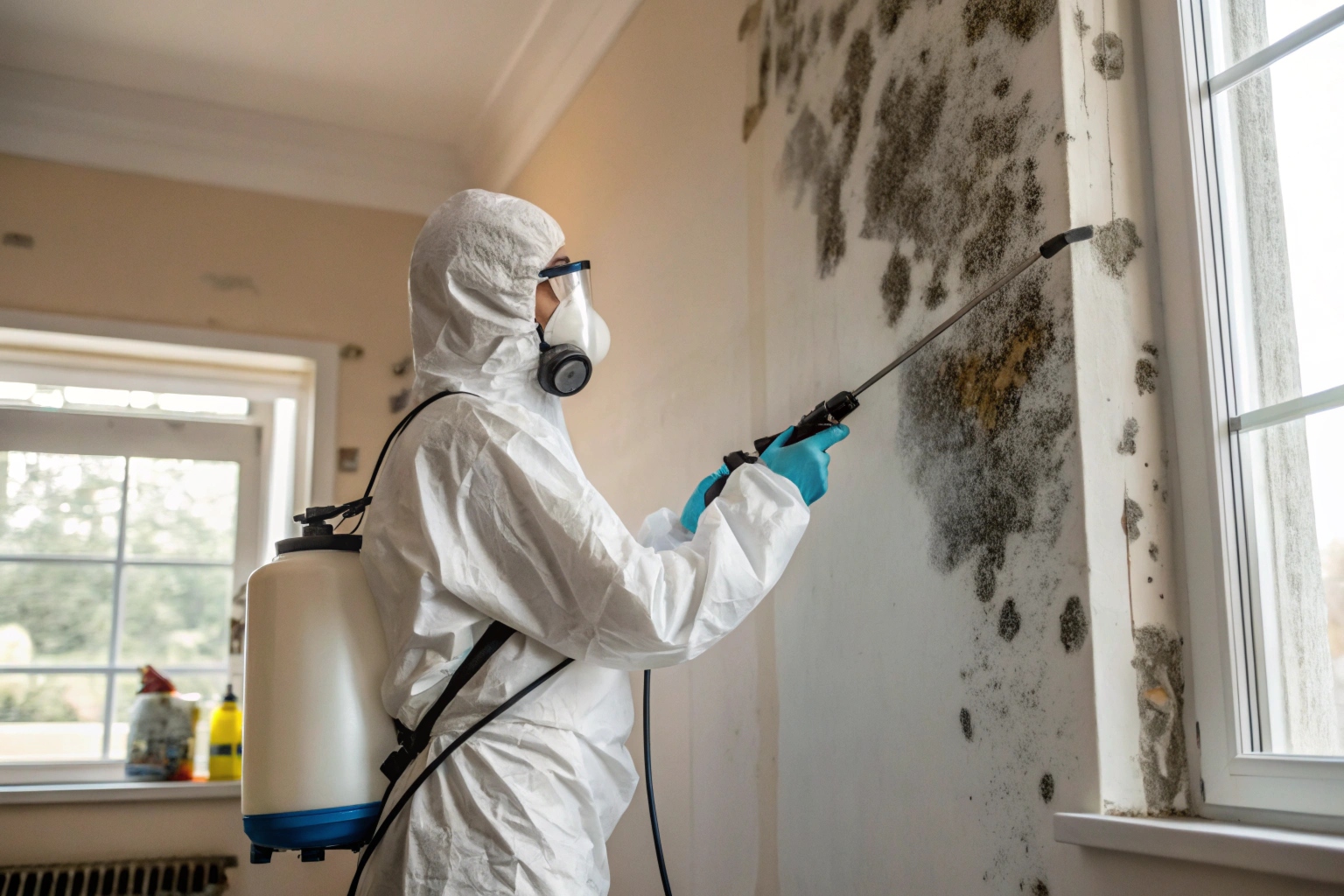
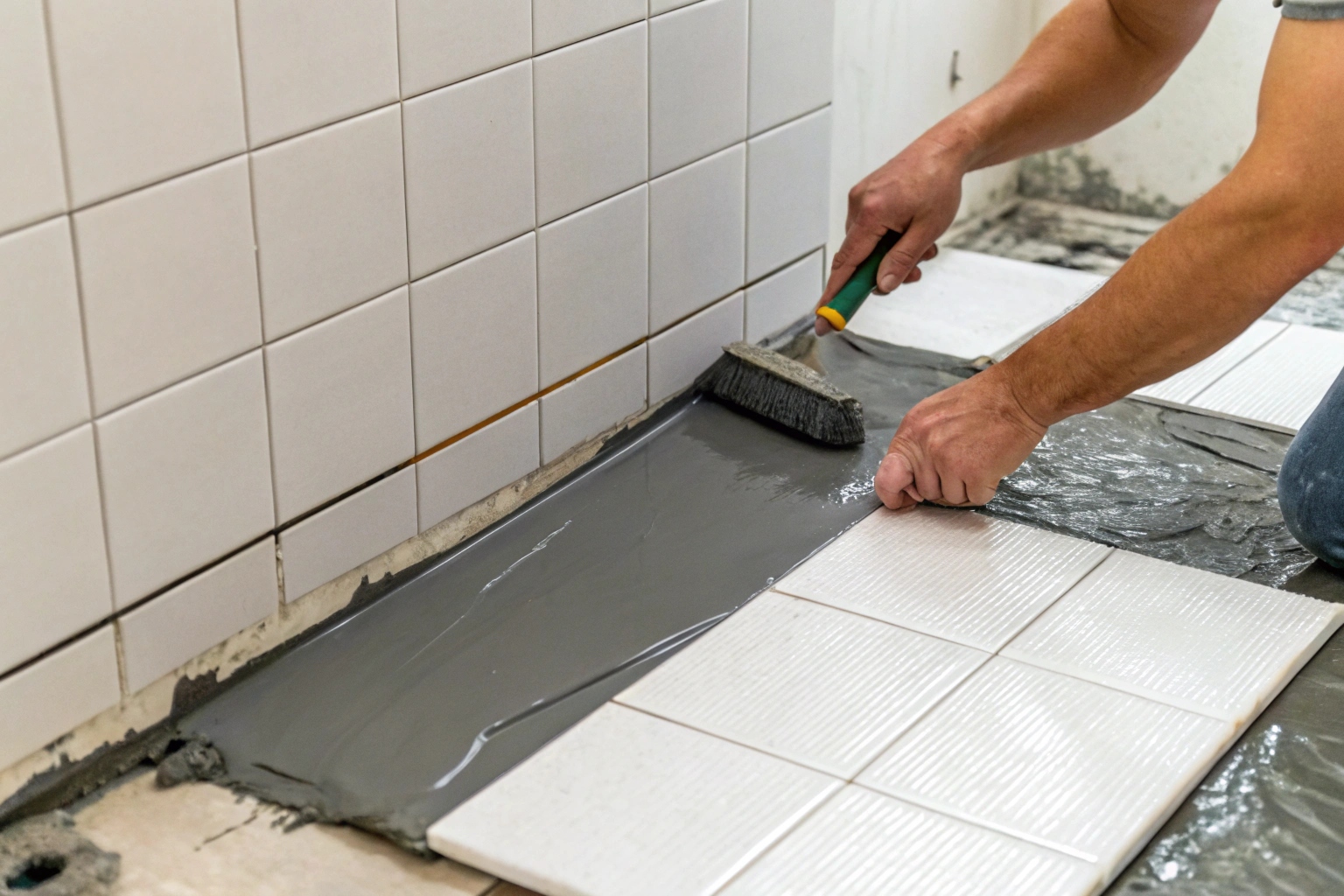
Mould prevention is the logical next step after professional remediation — and for Central Coast properties, where humidity and moisture risk are persistent environmental factors, it’s also a smart standalone investment. Our antimicrobial treatment service applies hospital-grade, TGA-listed antimicrobial solutions to treated surfaces, creating a protective barrier that inhibits future mould and bacterial growth without damaging timber, plasterboard, grout, or fabric surfaces.
Prevention treatments are particularly valuable for high-risk areas — bathrooms, subfloor cavities, roof spaces, laundries, and any room that has experienced a previous water ingress event. Properties in low-lying Central Coast suburbs around Tuggerah Lakes, Brisbane Water, and Lake Munmorah — where seasonal flooding and storm water ingress are recurring risks — benefit most from a scheduled annual prevention treatment as part of a broader property maintenance programme.
Every antimicrobial treatment is documented and reportable — giving landlords, strata managers, and homeowners preparing for property sales a verifiable record of proactive mould prevention. A treated property is a protected property.
Our Water Damage Restoration Process Step by Step
| Step 1 — Assessment & Moisture Mapping | Step 2 — Extraction, Drying & Remediation | Step 3 — Clearance Testing & Reporting |
|---|---|---|
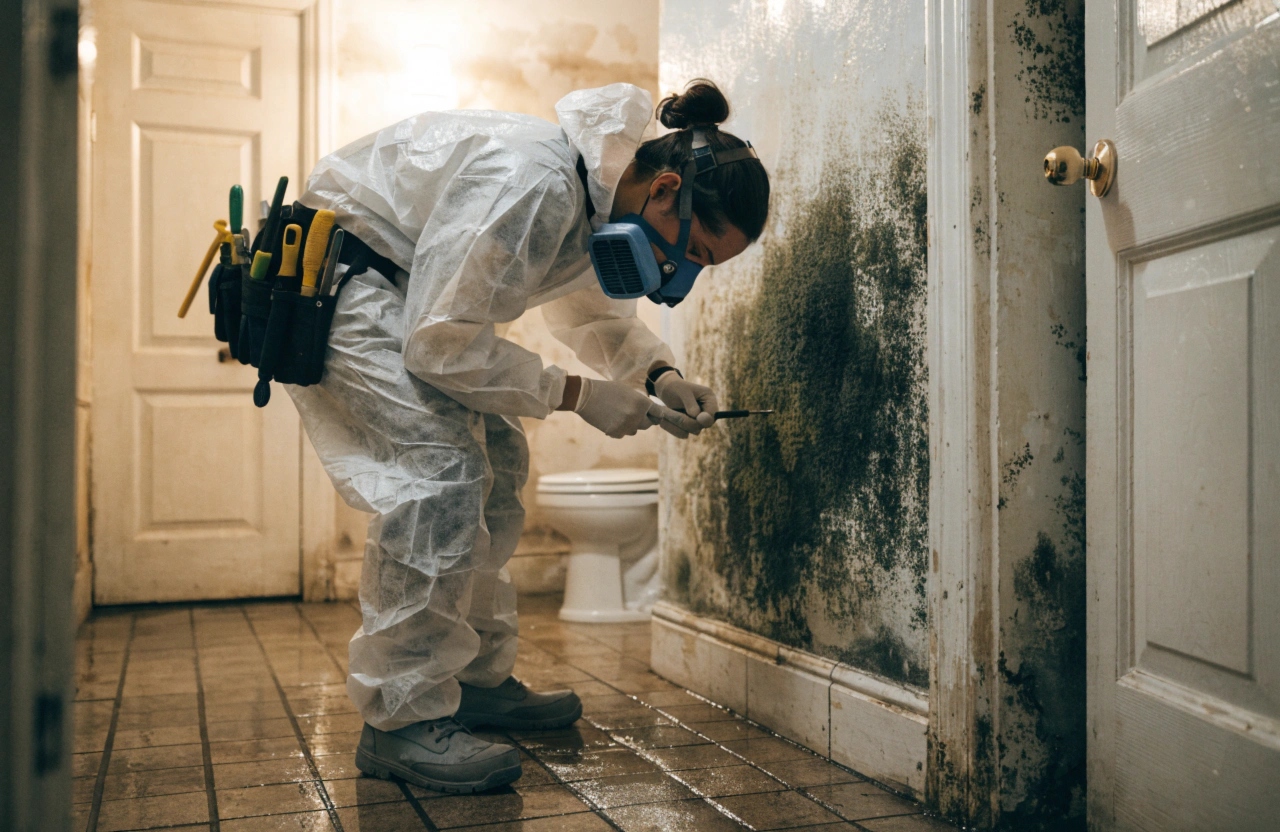
| Every job begins with a full property assessment using thermal imaging and moisture mapping technology. We identify all water migration pathways — including inside wall cavities, subfloors, and ceiling spaces — before any treatment begins. Nothing is estimated or assumed. The assessment drives every decision that follows and ensures no hidden moisture is left untreated inside your property’s structure. | With the assessment complete, we deploy industrial-grade water extraction equipment, structural drying technology, and dehumidification systems to remove all moisture from affected building materials. Any mould growth established during the water damage event is treated using IICRC-certified remediation protocols — HEPA vacuuming, antimicrobial treatment, and removal of unsalvageable materials where required. Containment barriers remain in place throughout to protect unaffected areas. | Every job closes with independent clearance testing — air quality sampling and surface testing confirming mould levels have returned to safe, measurable parameters. Results are compiled into a full written clearance report suitable for insurance submissions, property sales, tenancy disputes, and strata records. You receive documented proof that your property has been fully and professionally restored to pre-damage condition. |
Emergency Water Damage Response Across the Central Coast
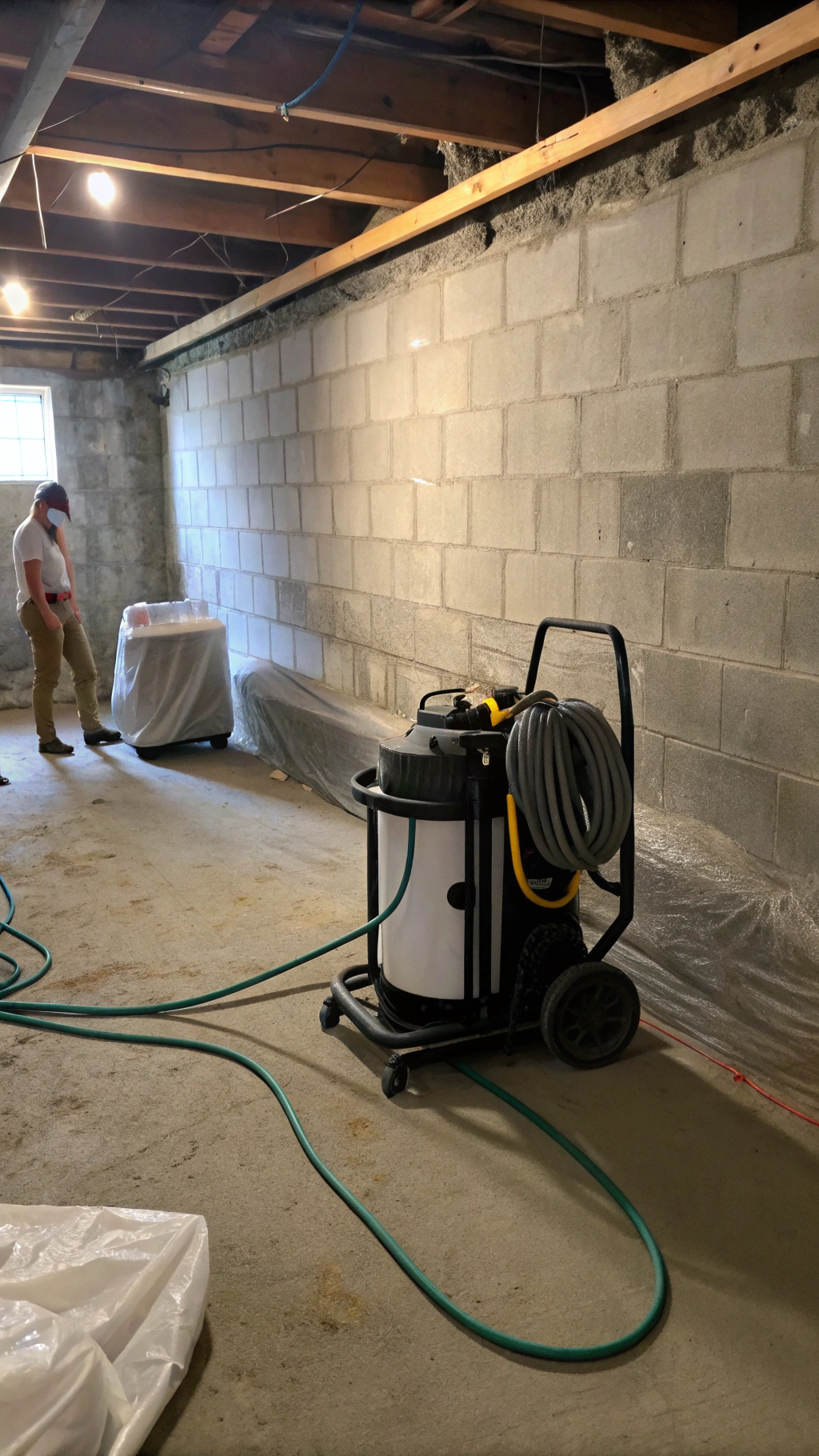
When water enters a property, every hour counts. Active water damage that isn’t extracted and dried within the first 24 hours causes exponentially more structural harm — and dramatically increases the likelihood of mould establishment inside wall cavities, subfloors, and ceiling spaces. Our Central Coast emergency water damage response team is available when you need us, moving fast to contain the damage and begin the restoration process before the problem compounds.
We arrive with industrial extraction equipment, structural drying technology, and moisture mapping tools that identify water migration beyond the visible damage zone. Every emergency callout begins with a full moisture assessment so nothing is missed and nothing is left wet inside your walls or flooring systems.
We service the full Central Coast region for emergency response — Gosford, Wyong, Terrigal, Tuggerah, The Entrance, Woy Woy, Umina Beach, Avoca Beach, and all surrounding suburbs. Fast response, licensed technicians, insurance-accepted work, and full documentation from the first callout through to post-restoration clearance.
Water Damage and Mould Restoration FAQs
Under NSW residential tenancy legislation, landlords are responsible for maintaining properties in a habitable condition. Where mould is caused by structural defects, water ingress, or inadequate ventilation — rather than tenant behaviour — remediation is a landlord obligation.
Stachybotrys chartarum is consistently classified as a toxigenic mould species — meaning it produces mycotoxins as a byproduct of its growth. Not every colony produces the same level of mycotoxin output at all times, and not every person exposed will experience the same effects. But the potential for serious health impact is real, and the species should always be treated as hazardous until professional assessment and removal has been completed.
Our process covers moisture assessment, water extraction, structural drying, mould remediation, repairs and reinstatement, and clearance testing. Every job is documented from first assessment through to a final post-remediation clearance report suitable for insurers and property managers.
Professional remediation addresses the moisture source and treats affected materials at a structural level. Combined with antimicrobial prevention treatments, regrowth risk is significantly reduced — unlike surface-only retail products that leave the underlying cause untreated.
Mould removal addresses visible surface growth. Mould remediation is a full structural process — identifying moisture sources, treating affected building materials, restoring air quality, and delivering a clearance report. Remediation produces permanent results; removal alone does not.
Ready to protect your Central Coast property?
Our licensed restoration technicians are available for emergency callouts and standard bookings across the full Central Coast region. We accept insurance claims, provide full documentation at every stage, and deliver a post-remediation clearance report on every job.
Whether you’re dealing with an active flood event, a slow mould outbreak, or a pre-sale inspection requirement, our team responds fast and works to a documented process from first assessment through to final clearance.
Call us now for emergency water damage response or to book your mould assessment today.
