
Why Flood Damage Restoration Is a Different Category of Work
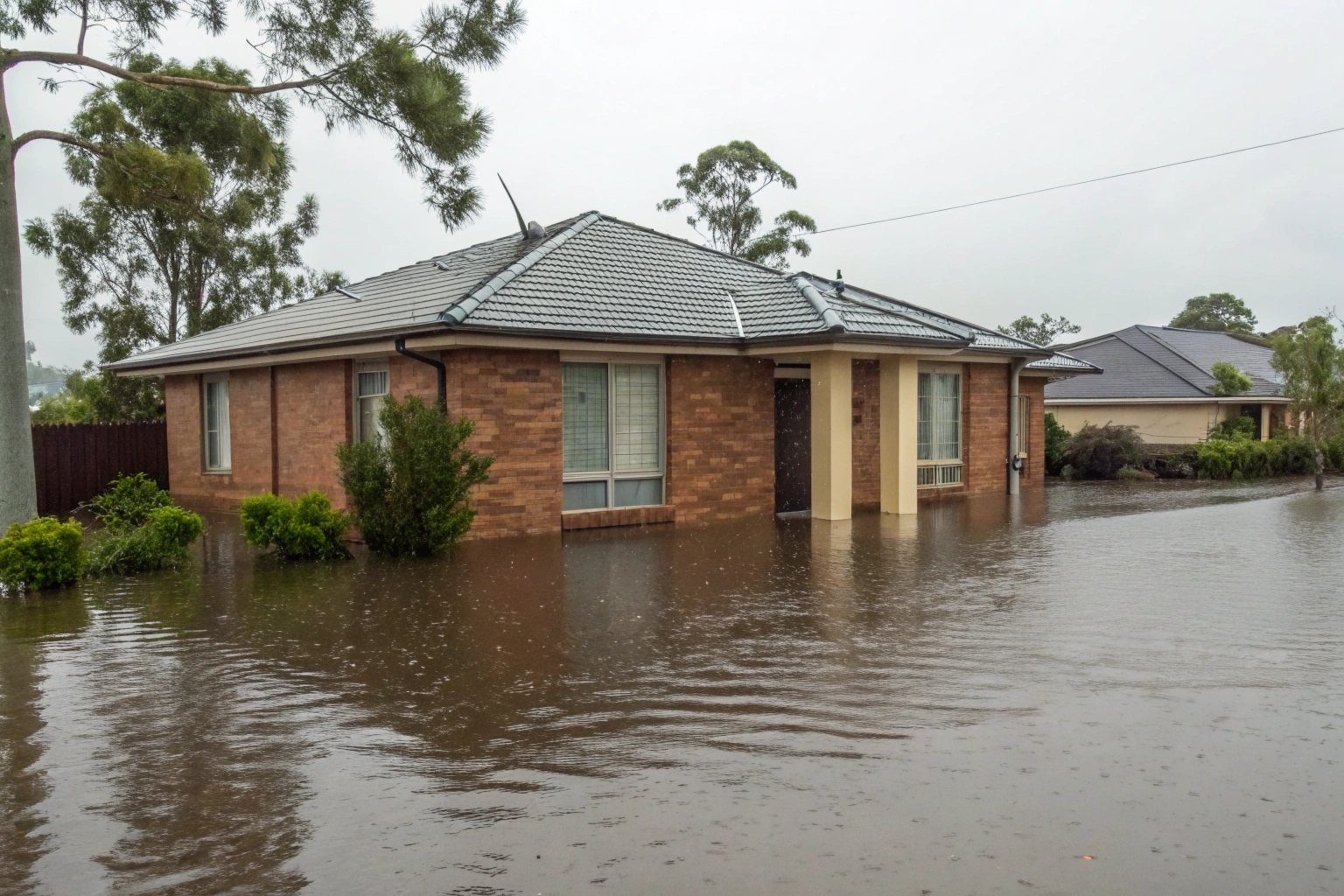
Flood damage restoration is categorically different from standard water damage restoration — and that distinction has direct consequences for how the work must be carried out.
A burst pipe or failed appliance produces clean or grey water — uncontaminated or lightly contaminated water from a known internal source. Flood water is classified as black water. It carries sewage contamination, agricultural and industrial runoff, biological material, heavy metals, and pathogenic organisms that create serious health risks for anyone exposed.
This contamination classification changes everything about the restoration process. Extraction and drying alone are not sufficient. Every surface that has been in contact with flood water must be treated with appropriate biocidal agents before any structural drying or reinstatement proceeds. Affected materials that cannot be fully decontaminated — saturated insulation, compromised plasterboard, contaminated timber substrate — must be removed and safely disposed of rather than dried in place.
This is why flood restoration requires a specialist response, not a generalised wet carpet crew. The scope of work, the safety protocols, the decontamination requirements, and the documentation standards that apply to black water events are substantially more demanding than those that apply to Category 1 or Category 2 water damage — and the consequences of cutting corners are serious for both property and occupant health.

Central Coast Flooding Scenarios and What They Mean for Your Property
The Central Coast presents several distinct flooding scenarios — and each one carries its own restoration characteristics that shape how the work is scoped and sequenced.
Each of these flood types demands a tailored restoration approach. Understanding which scenario your property has experienced is part of our initial assessment — and directly determines the scope, timeline, and methodology of the restoration program we develop for your property.
Structural and Material Impacts Beyond Moisture
Flood damage does not begin and end with wet surfaces. The structural and material consequences of inundation extend well beyond what’s visible — and understanding the full scope is what separates a properly managed restoration from one that creates ongoing problems months down the track.
Sediment deposition inside wall cavities and beneath flooring traps contamination long after surface water has receded. Debris impact during fast-moving flood events causes direct structural damage to framing, cladding, and load-bearing elements that requires assessment before any drying or reinstatement proceeds.
Saltwater inundation accelerates corrosion of steel reinforcement, structural fixings, and electrical systems at a rate that makes rapid intervention critical. Flood-affected insulation, plasterboard, and timber deteriorate quickly once saturated — and the longer these materials remain wet and contaminated, the smaller the proportion that can be restored rather than replaced.
This is a direct financial argument for immediate professional response. Every additional hour of delay narrows the window for material salvage and increases the volume of building materials that must be stripped, disposed of, and reinstated. For insurers and property owners alike, the cost difference between a rapid professional response and a delayed one can be substantial — often running to tens of thousands of dollars in additional reinstatement costs that could have been avoided with faster intervention.
Health and Safety Requirements Before Anyone Enters
Entering a flood-affected property without a proper safety assessment is one of the most common — and potentially serious — mistakes property owners make in the aftermath of a flood event.
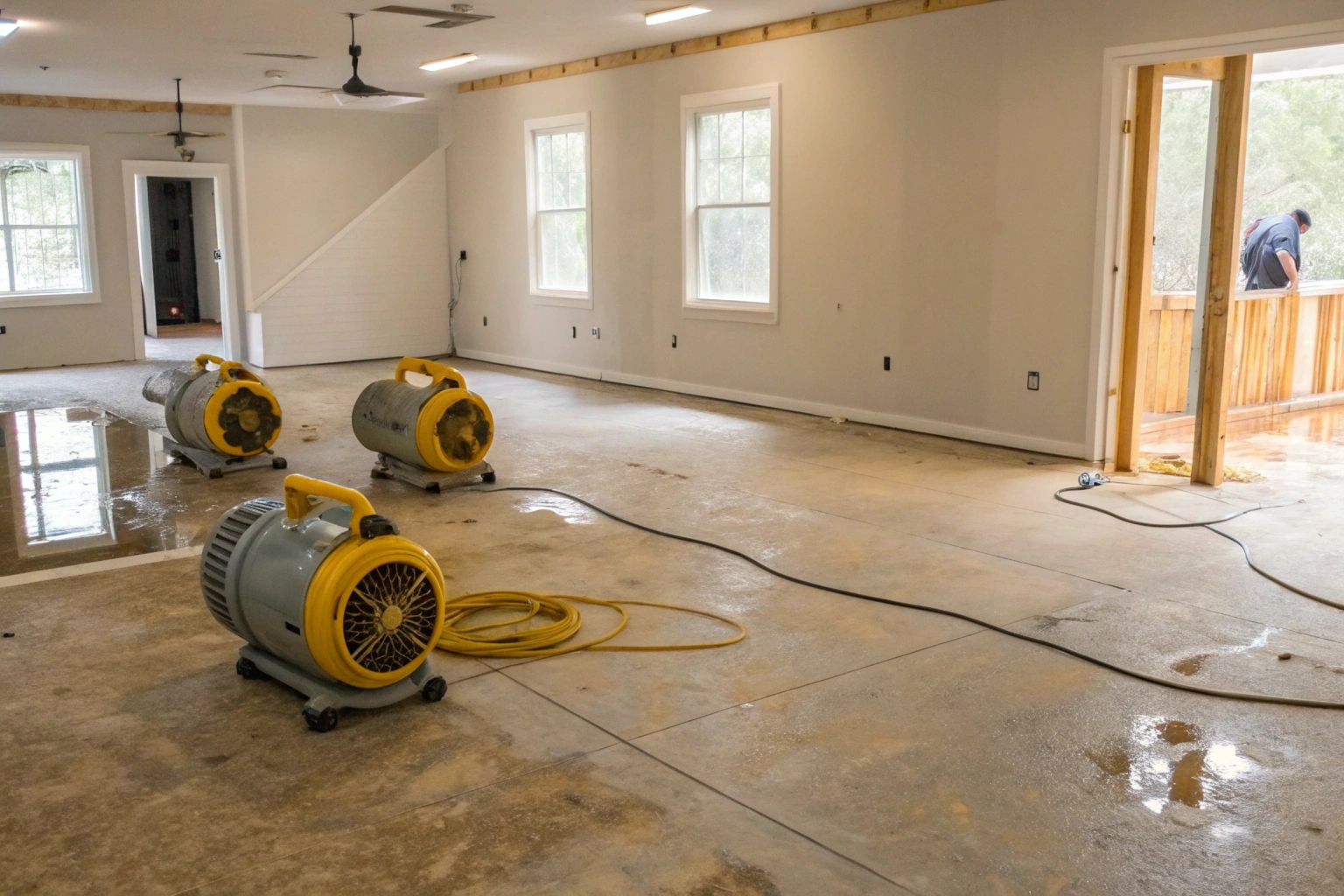
Flood-inundated properties carry multiple simultaneous hazards. Contaminated water contact exposes anyone entering the property to the pathogenic organisms and chemical contaminants present in black water. Compromised structural integrity from extended saturation or debris impact creates fall and collapse risks that are not always visible from the entry point. Submerged or water-affected electrical systems present electrocution risks that remain live until the supply is formally isolated. Flood-damaged appliances and service connections can produce gas leaks that are invisible and odourless in a property already carrying strong mould and contamination odours.
Our technicians carry out a structured safety assessment before any restoration work begins — checking structural stability, isolating electrical supply, testing for gas, and formally establishing the contamination category of the flood water present. This protocol is not procedural box-ticking. It is the essential first step that determines what protective equipment, decontamination procedures, and material handling requirements apply to every subsequent stage of the restoration.
Property owners should not re-enter a flood-affected property until it has been assessed and cleared as safe by a qualified professional.
The Mould Clock Starts the Moment Flooding Stops
Of all the compounding consequences of flood damage, mould growth is the one that most dramatically escalates the cost and complexity of restoration when professional intervention is delayed.
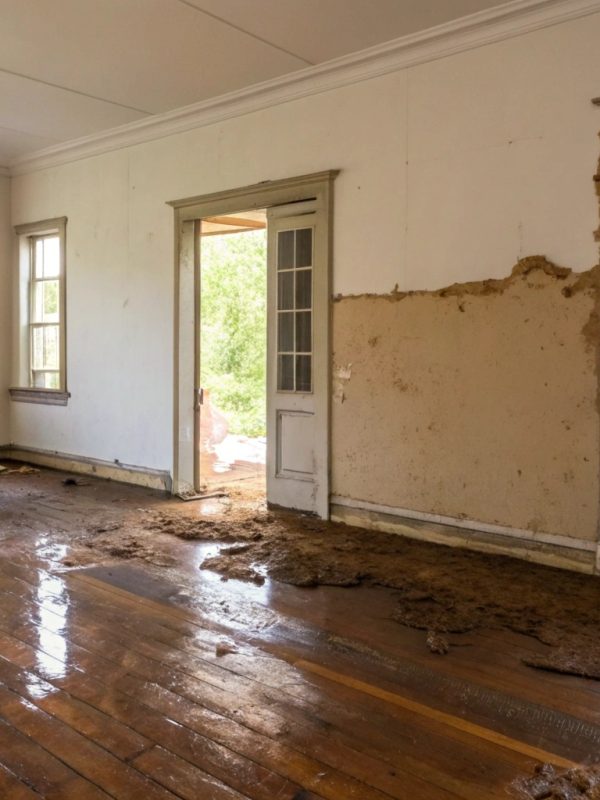
Flood-affected properties that are not professionally extracted and dried within the first 24 to 48 hours face near-certain mould contamination across every affected area. Given the scale of typical flood inundation, this contamination can reach a level that requires full toxic mould remediation of multiple rooms — or the entire property — before any reinstatement work can proceed.
The financial compounding effect of delayed response is significant. A property that receives immediate professional flood restoration carries one cost. That same property, left for several days before treatment begins, now requires flood restoration plus mould remediation. Left longer still, and the scope expands to flood restoration, mould remediation, plus full building restoration of materials that could have been salvaged with faster action.
This is not a scare tactic — it is the documented progression of untreated flood damage in the Central Coast’s humid coastal climate, where ambient moisture levels accelerate mould colonisation faster than in drier inland environments.
The single most effective financial decision a flood-affected property owner can make is immediate professional engagement — before the mould clock runs out.
Navigating Your Flood Damage Insurance Claim
Flood insurance is one of the most misunderstood components of home building insurance in Australia — and on the Central Coast, where flood risk ratings vary significantly between suburbs and even between neighbouring streets, understanding your policy position after a flood event is not always straightforward.
Standard building insurance policies typically cover storm damage and sudden water ingress but may exclude or limit cover for defined flood events depending on policy terms and your property’s flood risk rating. The distinction between storm damage and flood damage in policy language has significant implications for what your insurer will and won’t pay for — and how your claim is categorised from the outset can affect the entire settlement outcome.
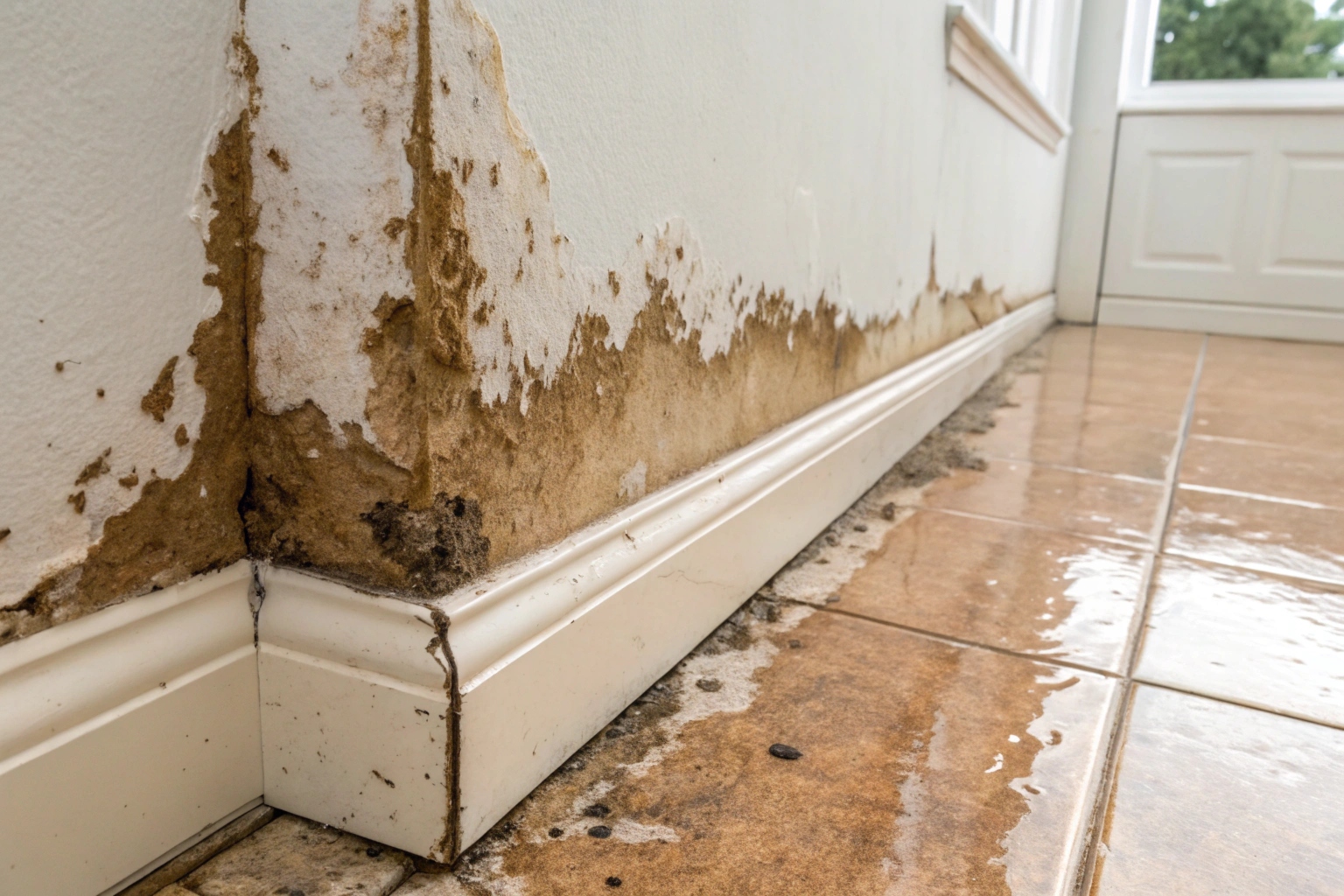
We work directly with insurers and loss adjusters on flood claims across the Central Coast, providing the complete documentation package that supports a fully valued claim — extraction logs, moisture mapping reports, contamination assessments, drying records, and detailed scope of works documentation. We can liaise with your insurer’s appointed assessor and provide ongoing progress reporting throughout the restoration process.
For commercial and strata properties, the complexity increases further. Multi-stakeholder ownership structures, business interruption implications, and regulatory documentation requirements demand a restoration partner with genuine project management capability — not just extraction equipment. We manage large-scale commercial flood restoration projects with full subcontractor coordination and insurer-facing documentation from day one.
Frequently Asked Questions
Standard water damage from internal sources — burst pipes, appliance failures — involves clean or grey water with limited contamination. Flood water is classified as black water, carrying sewage, chemical runoff, and pathogenic organisms. This requires full decontamination and sanitisation protocols in addition to extraction and drying, and affects which materials can be restored versus which must be removed and replaced.
Not always. Standard policies typically cover storm damage and sudden water ingress but may exclude defined flood events depending on your policy terms and your property’s flood risk rating. Policies written since 2012 are required to offer flood cover, but the terms and excesses vary significantly. Reviewing your policy schedule and product disclosure statement immediately after a flood event is essential — and we can assist with the documentation your insurer will require.
Structural drying of a flood-affected residential property typically takes between 5 and 14 days depending on the depth of inundation, the materials affected, and the ambient conditions during the drying program. This drying phase is separate from any reinstatement work — replacing plasterboard, flooring, insulation, and finishes — which follows once moisture readings confirm the structure has reached acceptable dryness levels.
In most flood scenarios, yes. Plasterboard that has been in contact with black water absorbs contamination throughout its core — not just on the surface — and cannot be fully decontaminated by drying or surface treatment alone. Cutting out and replacing flood-affected plasterboard is standard practice in certified flood restoration and is a requirement for properties where insurance reinstatement must meet industry standards.
Do not re-enter the property until it has been assessed as structurally safe and the electrical supply has been isolated. If safe entry has been confirmed, photograph and document all visible damage for your insurance claim. Do not attempt to use domestic fans or heaters to dry the property — this can spread contamination and accelerate mould growth in unaffected areas. Contact your insurer to lodge the claim and contact us immediately so we can mobilise and begin the safety assessment and extraction process as quickly as possible.
Get Your Central Coast Property Restored — Call Us Now
Flood damage does not wait, and neither should your response. Every hour between inundation and professional extraction increases the contamination spread, narrows the material salvage window, and moves your property closer to a mould remediation scenario that compounds the restoration cost significantly.
We respond to flood damage events across the entire Central Coast — from Gosford and Wyong to Terrigal, The Entrance, Tuggerah Lakes, Woy Woy, and every suburb in between. Our certified flood restoration technicians carry full extraction, drying, and decontamination equipment and can mobilise rapidly to your property for an immediate safety assessment and restoration scope.
We work directly with all major insurers, provide complete claim documentation from day one, and manage the entire restoration process — from initial safety assessment and black water extraction through to structural drying, decontamination, and final clearance testing — so you have one point of contact managing every stage of your recovery.
If your Central Coast property has been affected by flooding, call us now. We will assess the situation, give you a clear picture of the restoration scope, and get the drying and decontamination process started immediately.
