
What Post-Mould Building Restoration Actually Involves
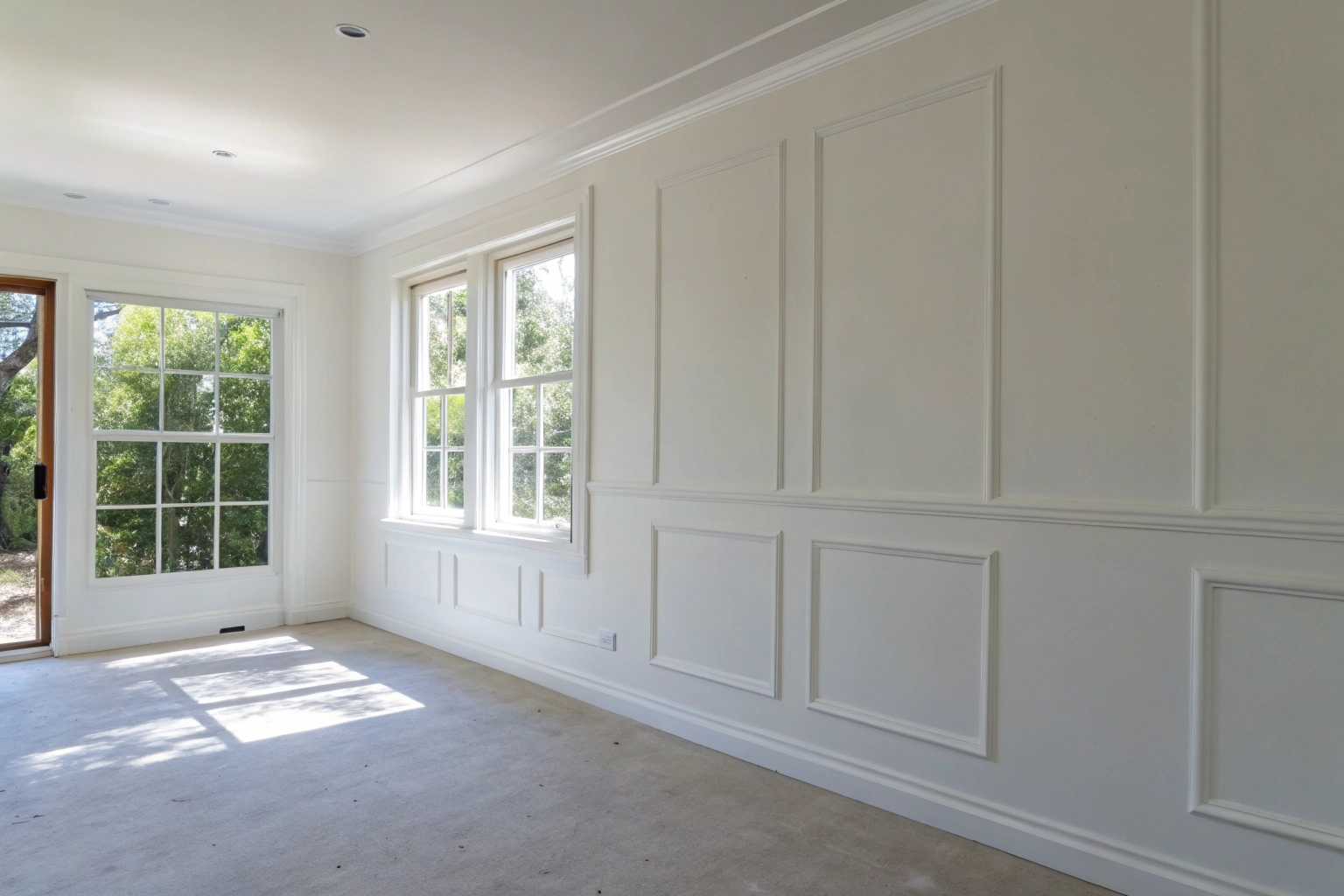
Post-mould building restoration is not standard renovation work — and the distinction matters. A general builder replacing damaged materials after a kitchen reno and a builder reinstating a property following mould remediation are carrying out superficially similar tasks with fundamentally different technical requirements.
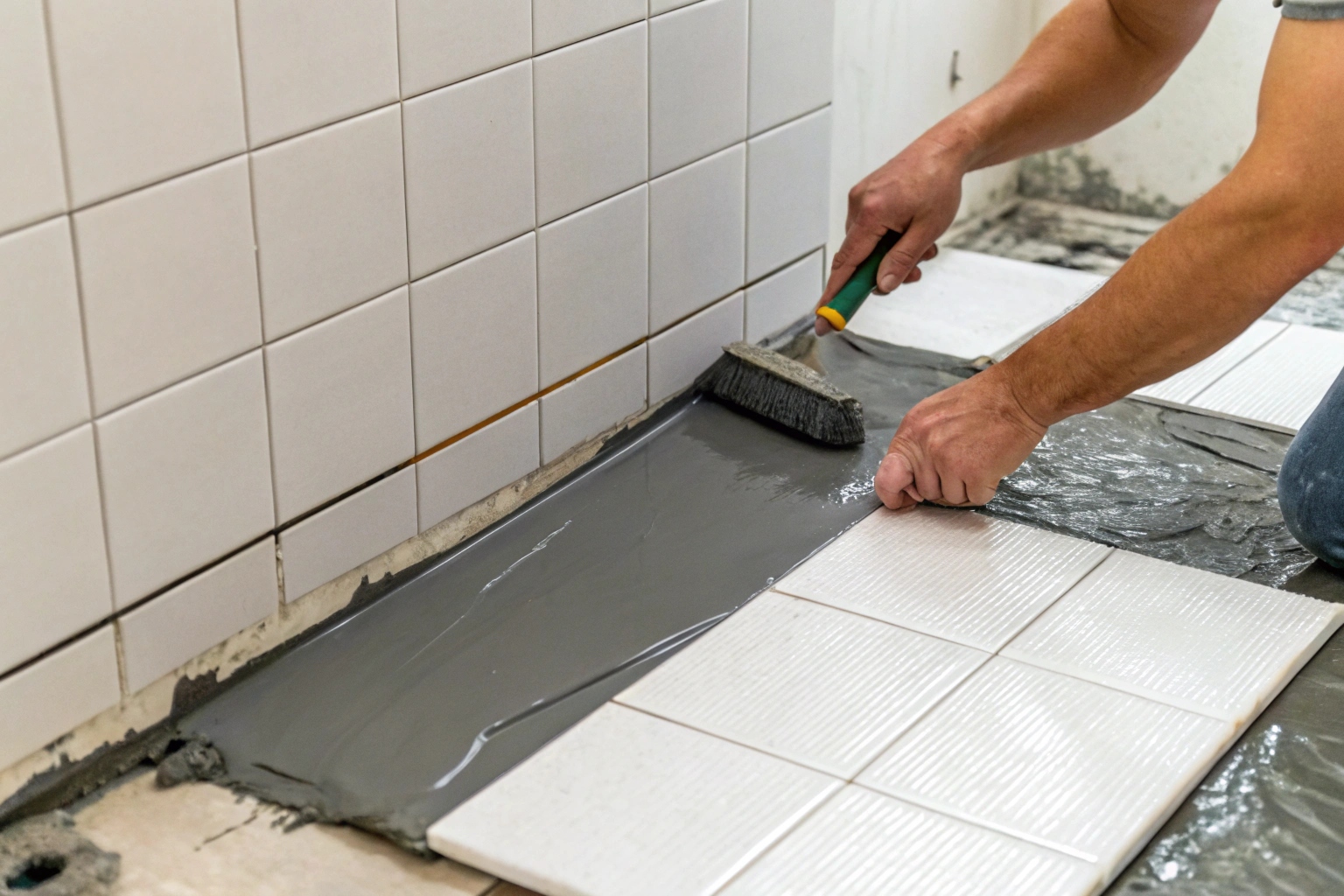
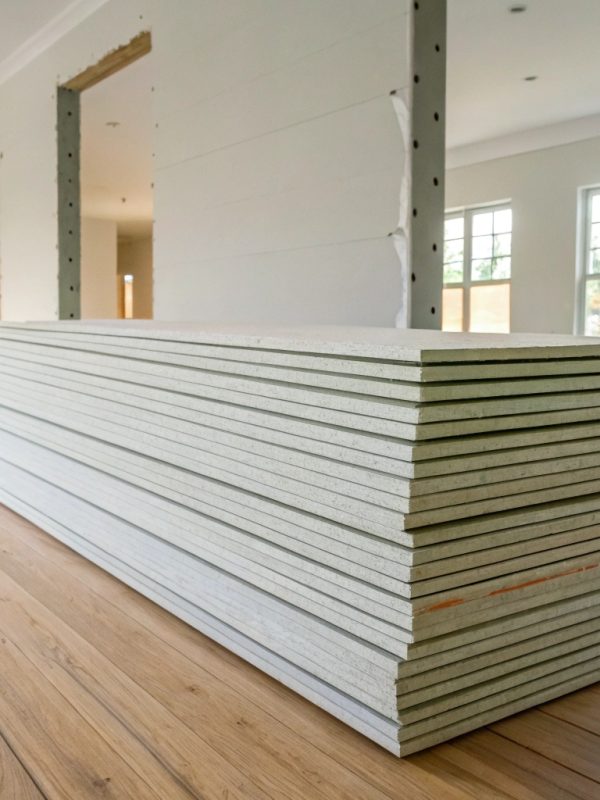
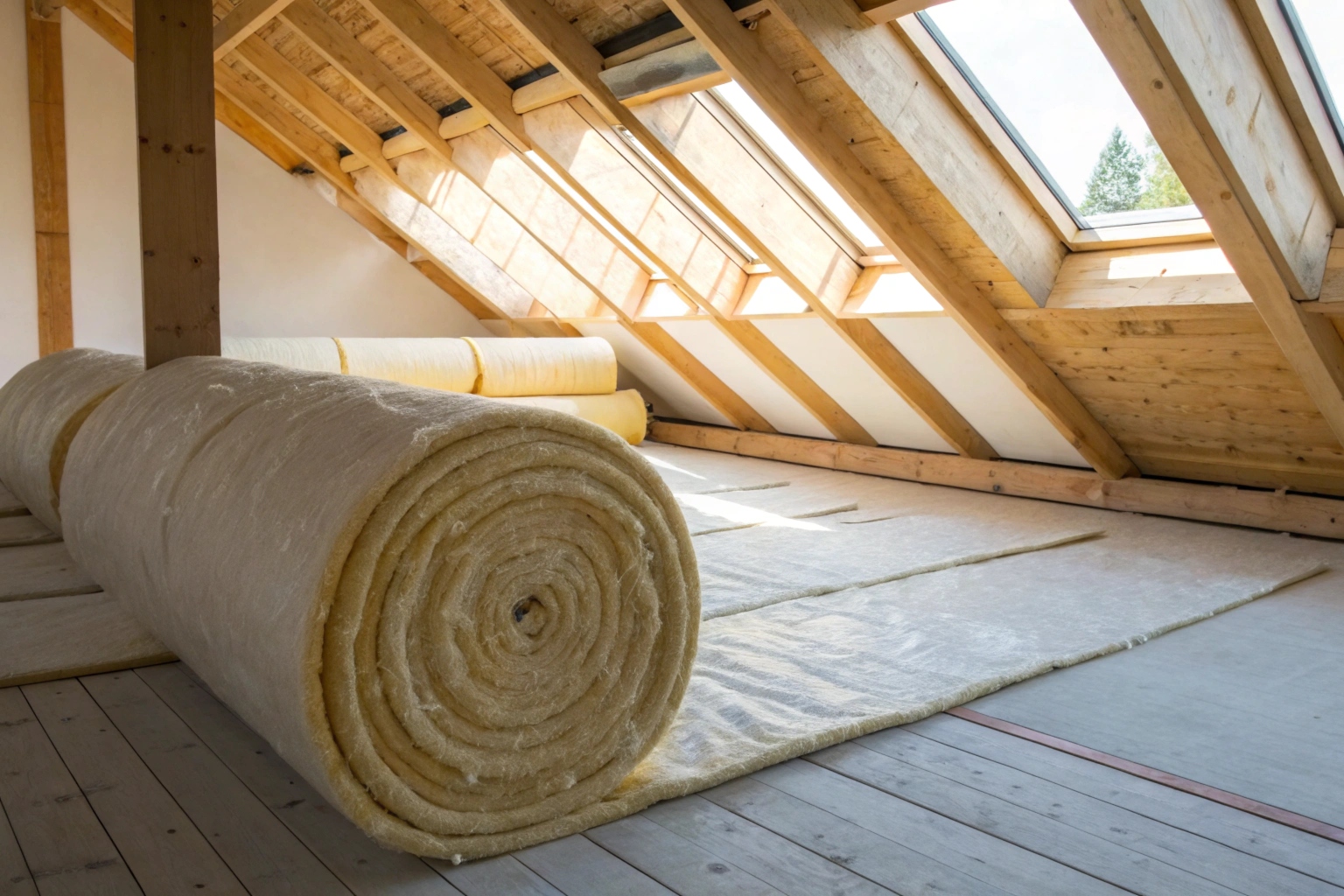
In a post-mould context, every material selection and installation decision carries a moisture performance consideration that standard building practice doesn’t account for. Standard plasterboard, for example, is not appropriate for reinstatement in bathrooms, laundries, or any wet area where moisture exposure is ongoing. Moisture-resistant plasterboard or fibre cement sheeting is required. Insulation replacement must use products suited to the specific cavity type and moisture exposure profile of that location — the wrong product installed correctly still creates future risk.
Priming and painting restored surfaces requires a mould-inhibiting primer as the base coat before any decorative finish is applied. Standard painting practice skips this step entirely. In a post-mould reinstatement, skipping it means the newly restored wall or ceiling is unprotected against surface mould reestablishment the moment humidity conditions rise again.
Timber framing that was treated rather than replaced during remediation must also be assessed for structural adequacy before new lining goes over it. Covering compromised framing is not reinstatement — it’s concealment. Post-mould restoration done properly works from the remediation report and makes informed decisions at every stage, not assumptions.

Central Coast Reinstatement Works We Carry Out
Following mould remediation on the Central Coast, the scope of physical reinstatement required varies by property — but the most common works fall into five core categories.
Each scope is scoped directly from the remediation completion report, so nothing is missed and nothing is duplicated.
Moisture-Aware Reinstatement — The Technical Difference
Every material selection and installation decision in a post-mould restoration carries a question that standard building work never asks: how will this perform if the moisture conditions that drove the original mould problem recur?
That question is the core of what separates specialist post-mould restoration from a general builder replacing what was removed. A general builder works from what was there. A post-mould restorer works from what should be there — accounting for the moisture exposure profile of the specific space, the ventilation characteristics of the cavity, and the thermal performance of the assembly being reinstated.
Practical examples of moisture-aware reinstatement practice include:
• Selecting vapour-permeable membranes in wall assemblies where moisture drive is outward, rather than vapour barriers that trap moisture inside the cavity
• Installing insulation without compression or bridging against external cladding, maintaining the air gap that prevents condensation accumulation
• Using fibre cement rather than standard plasterboard in any space with direct or indirect moisture exposure
• Applying mould-inhibiting primer to all reinstated surfaces regardless of whether they are in wet areas — on the Central Coast, ambient humidity alone is sufficient to support surface mould on unprotected plaster
• Confirming subfloor ventilation clearance is restored to AS 3660 requirements before closing floor assemblies
This moisture-conscious lens applied across every reinstatement decision is what prevents a successfully remediated property from returning to mould within a single winter season.
Insurance Claims and Post-Mould Restoration on the Central Coast
Where mould damage resulted from a claimable event — a burst pipe, storm damage, roof leak, or other sudden and accidental water ingress — the reinstatement works following remediation are typically covered under the same insurance claim as the remediation itself. For Central Coast property owners navigating that process, understanding how restoration works sit within an approved claim is important.
Insurers and loss adjusters require specific documentation before approving reinstatement works and releasing payment. This includes a scope of works tied directly to the remediation completion report, progress reporting against that scope, and a completion document confirming all reinstatement works have been carried out to standard. Without that documentation trail, claims stall — and properties sit unrestored while correspondence goes back and forth.
We work within insurance claim frameworks as a standard part of how we deliver post-mould restoration on the Central Coast. That means:
• Preparing a scope of works document aligned to the insurer’s requirements
• Coordinating restoration within the timeline and budget parameters of the approved claim
• Providing progress reporting and photographic documentation at each stage
• Delivering a completion report suitable for final claim settlement
For property owners already managing the stress of a mould event and an insurance process simultaneously, having a single contractor who handles both the remediation and the restoration — and speaks the insurer’s documentation language — removes a significant layer of complexity from an already difficult situation.
For Landlords and Property Managers — Reinstating Rental Properties Efficiently
Post-mould building restoration in a rental property context carries a financial pressure that owner-occupied reinstatement does not — every day the property sits unrestored is a day of lost rental income. For Central Coast landlords and property managers, the reinstatement timeline is not just a construction consideration, it is a direct financial variable.
The challenge most landlords face after remediation is coordination. Remediation is complete, the clearance certificate is issued, and the property is biologically clean — but reinstating it requires a plasterer, an insulation installer, a waterproofer, a tiler, a painter, and potentially a flooring contractor. Sourcing, scheduling, and sequencing those trades independently takes time. Each gap between trades extends the vacant period and the rental loss.
We consolidate the full post-mould restoration scope for Central Coast rental properties under a single point of contact. That means:
• One scope of works covering all reinstatement trades
• Coordinated scheduling that sequences trades without gaps
• A single timeline commitment rather than multiple contractor dependencies
• Progress updates direct to the property manager throughout
• Completion documentation suitable for the tenancy file and any insurance claim
For landlords managing multiple Central Coast properties, or property managers with several remediated properties requiring simultaneous reinstatement, this integrated delivery model removes the administrative burden of trade coordination entirely and returns properties to a lettable standard in the shortest achievable timeframe.
For Strata and Body Corporate Managers — Common Property Restoration
Post-mould restoration within a strata scheme on the Central Coast introduces a layer of complexity that standard residential reinstatement does not carry. Works approval, insurance coordination, lot owner communication, and documentation for owners corporation records all sit alongside the physical restoration scope — and all require management.
Whether the affected area is common property — shared corridors, stairwells, basement car parks, or building facades — or a lot owner’s internal space where the mould source originated in common property infrastructure, the strata manager sits at the centre of a process involving multiple stakeholders with different interests and different documentation requirements.
We support strata and body corporate managers on the Central Coast through that process as part of an integrated remediation and restoration service:
Scope of works documentation prepared to the standard required for works approval submissions to the owners corporation
• Insurance claim coordination including scope alignment with the loss adjuster and progress reporting against the approved claim
• Reinstatement carried out with minimal disruption to lot owners and building occupants
• Completion documentation formatted for owners corporation records, including photographic evidence of pre- and post-restoration condition
• Clear communication with the strata manager as the single point of contact throughout — not separate remediation and restoration contractors providing conflicting updates
For body corporate managers handling mould events in multi-storey or high-density buildings on the Central Coast, this integrated approach simplifies what is otherwise one of the more administratively demanding insurance and restoration scenarios a strata scheme will face.
Frequently Asked Questions — Post-Mould Building Restoration Central Coast
Post-mould building restoration is the reinstatement of building fabric — plasterboard, insulation, flooring, waterproofing, and paint finishes — following completed mould remediation. It differs from standard renovation in that every material selection and installation decision is evaluated for moisture performance, mould-inhibiting properties, and compatibility with the post-remediation condition of the space. Standard renovation replaces like for like. Post-mould restoration replaces with what the space now requires.
Where mould damage resulted from a sudden and accidental claimable event such as a burst pipe or storm damage, reinstatement works are typically covered under the same claim as the remediation. Coverage for mould resulting from gradual moisture ingress or maintenance issues varies by policy — reviewing your Product Disclosure Statement or engaging your insurer directly is the appropriate first step.
A standard residential reinstatement covering plasterboard replacement, insulation, and painting across one to three affected rooms typically takes five to ten working days depending on scope, drying times between coats, and trade sequencing.
Not in wet areas or spaces with ongoing moisture exposure. Moisture-resistant plasterboard or fibre cement sheeting is required in bathrooms, laundries, and similar spaces.
Yes. Residential building work in NSW valued above $5,000 requires a licensed builder under the Home Building Act 1989. All reinstatement works we carry out are performed under a current NSW builder’s licence.
Restore Your Central Coast Property to Full Condition — Get a Scope and Quote
Mould remediation resolves the biological problem. Post-mould building restoration resolves everything that comes after it — the open wall cavities, the missing insulation, the stripped ceilings, the lifted flooring, and the unfinished spaces that make a property unliveable despite being biologically clean.
On the Central Coast, where humidity pressure, coastal conditions, and older housing stock create some of NSW’s most demanding moisture environments, reinstatement carried out without moisture-aware material selection and installation practice is reinstatement that won’t hold. We carry out post-mould restoration with the same technical rigour applied to the remediation itself — because a property restored incorrectly after mould is a property at risk of returning to the same condition within months.
We work with owner-occupiers, landlords, property managers, and strata managers across the Central Coast — from single-room reinstatements through to full multi-room restoration scopes under active insurance claims. Whether remediation was carried out by us or by another provider, we can work from the completion report and deliver a full reinstatement scope from plasterboard to paint finish.
Contact us to discuss your reinstatement requirements and receive a detailed scope of works and quote. We provide documentation suitable for insurance claims, tenancy files, and owners corporation records as standard — no additional administration required on your end.
