
Full-Service Mould Remediation for Coastal Homes & Properties
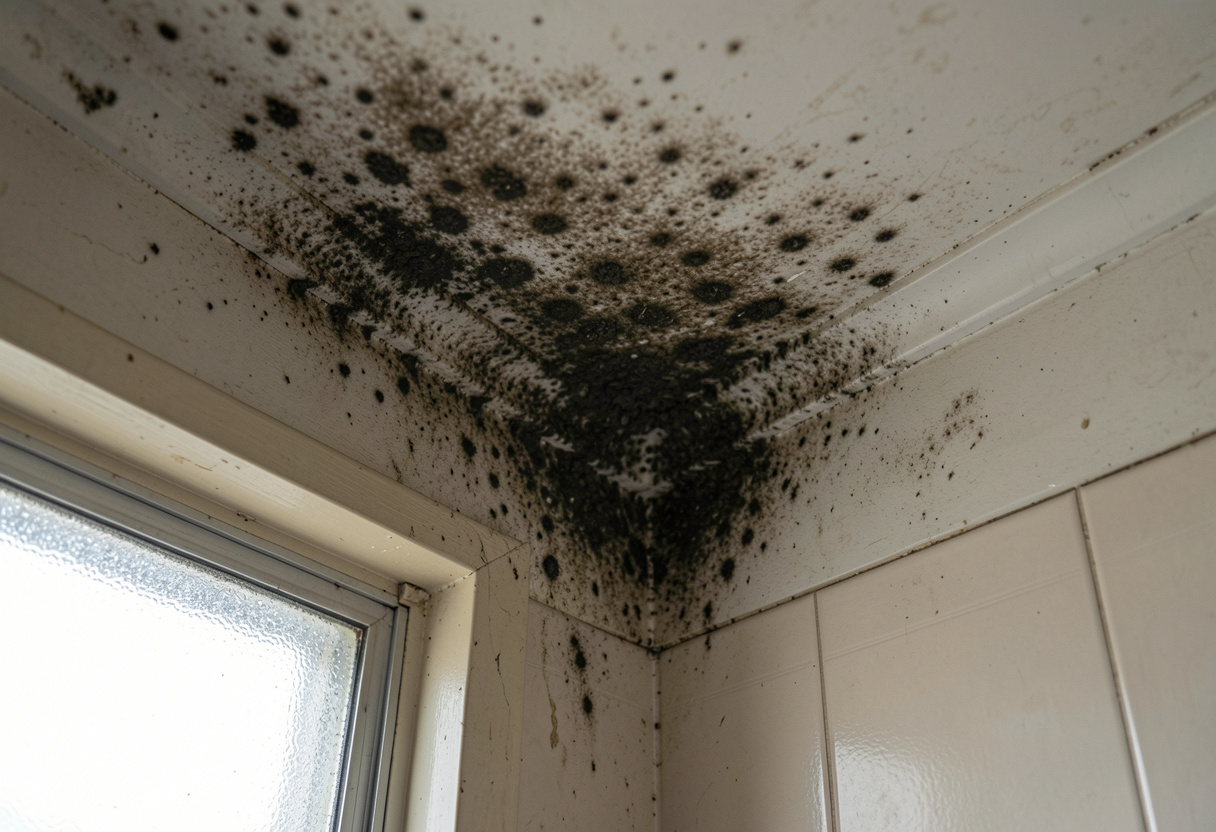
Mould remediation is the full-scope process that takes over when a mould problem has grown past the point of a quick wipe-down. It’s not surface cleaning. It’s the complete job — containing the affected area, filtering the air, stripping out materials that can’t be saved, treating what’s left, and bringing the indoor environment back to a safe, healthy standard. If you’re a homeowner, landlord, or property manager on the Central Coast and the mould has spread into walls, ceilings, air cavities, or right across multiple rooms, this is the service you’re after.
Central Coast properties cop it worse than most. The coastal humidity, a lot of older building stock, and how often homes here deal with water ingress all stack up to create the perfect conditions for mould to take hold and keep coming back. We work right across the region — Gosford, Wyong, Terrigal, Woy Woy, The Entrance and everywhere between — sorting mould problems properly, at the source.

Mould Removal vs Mould Remediation: What's the Difference?
When You Need Remediation, Not Just Removal

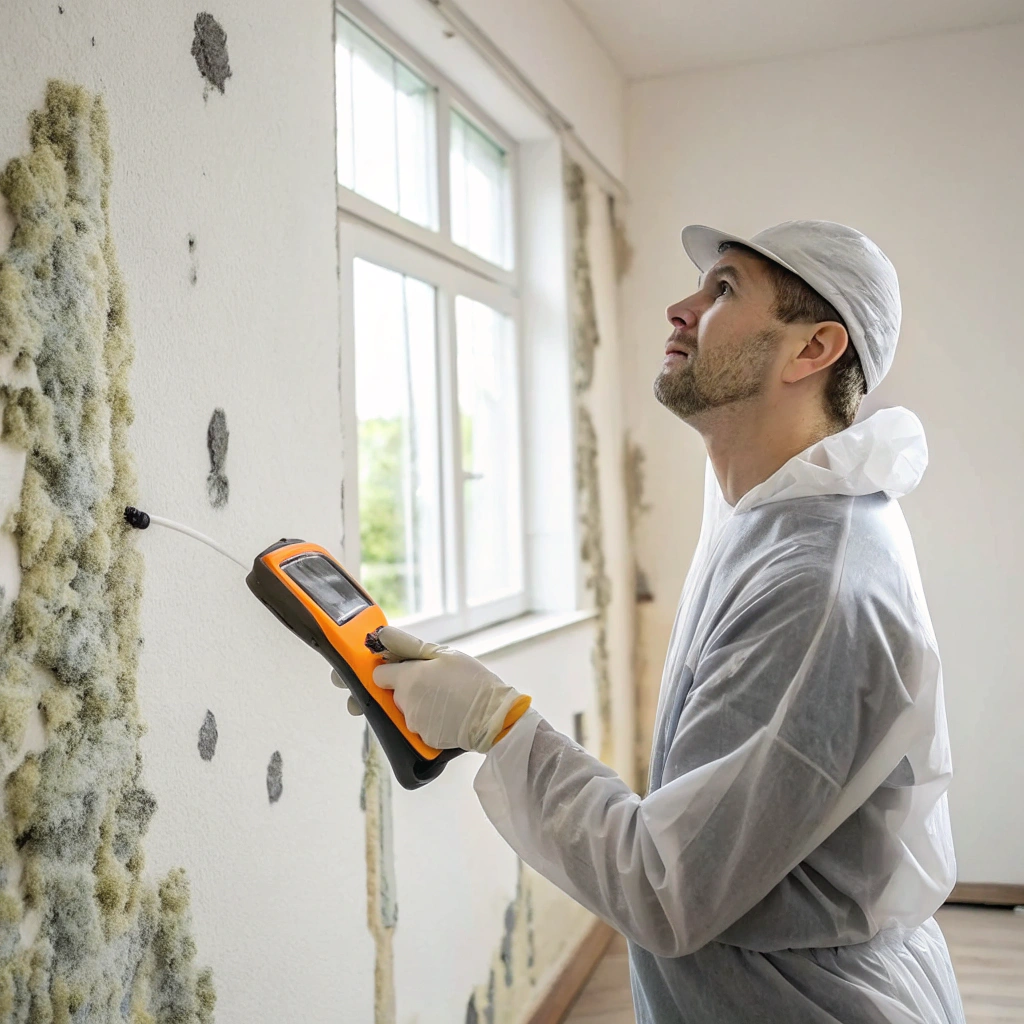
Our Mould Remediation Process
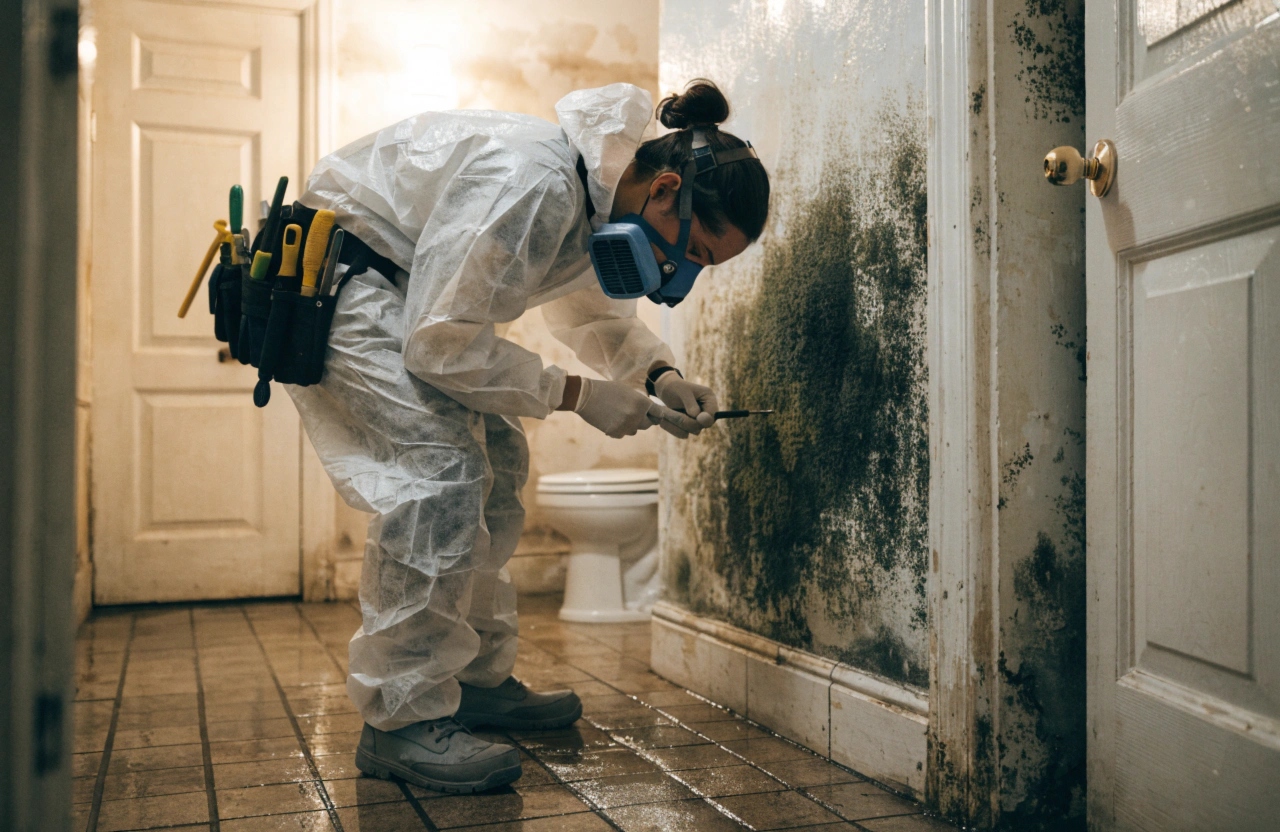
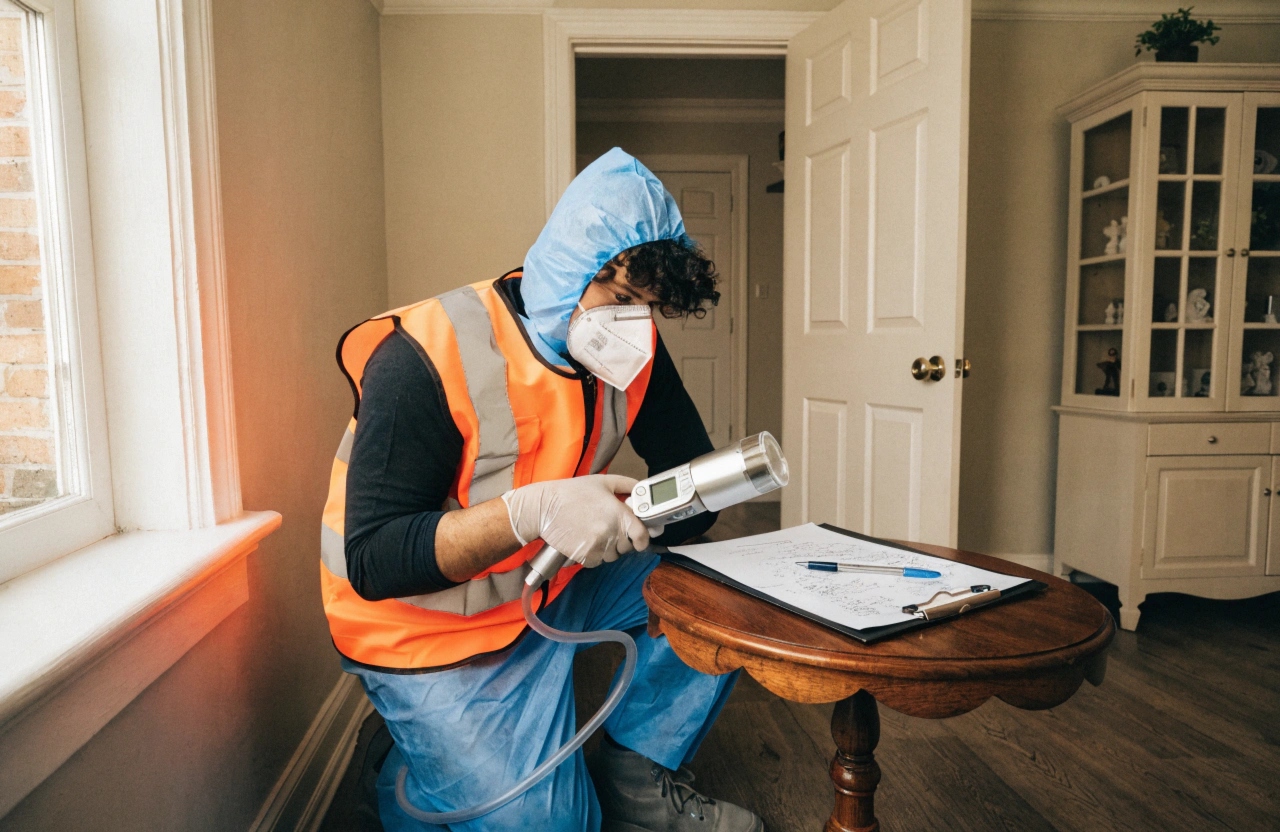
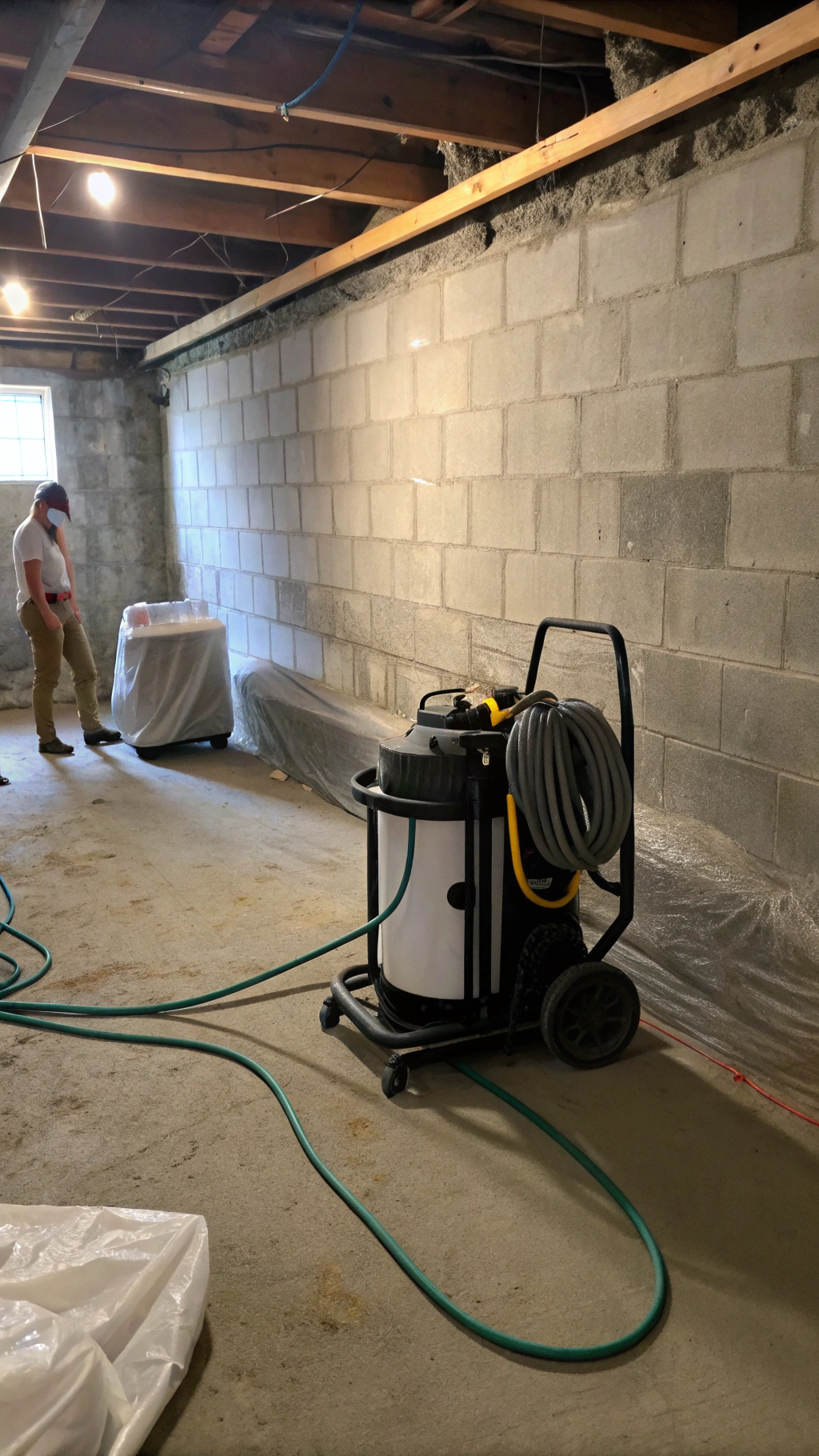
Our mould remediation process starts with a full site assessment and moisture mapping to identify the source and extent of the problem, including hidden mould growth. We then establish containment zones and run HEPA air filtration systems to stop spores spreading through the property during removal works.
Damaged materials that can’t be salvaged are safely removed and disposed of, while remaining structural surfaces are treated with antimicrobial solutions to eliminate lingering mould. Once remediation is complete, we carry out air clearance testing to confirm spore levels are back to a safe range, followed by a final inspection report documenting the entire process and results.
Cleaner, Healthier Indoor Air
How Mould Affects Your Air: When mould gets disturbed, spores go airborne and end up in the air your family breathes. That’s why a careless clean can actually make things worse — it kicks spores up and spreads them around the home instead of removing them.
Why Containment & Negative Air Pressure Matter: Containment paired with negative air pressure keeps those spores trapped in the work zone and pulls them out through filtration. It means the disturbed mould has nowhere to drift, so the rest of your home stays clean while we work through the affected area.
Measurably Cleaner Air for Your Family: The end result is air that’s measurably cleaner for the people living there — backed by clearance testing, not just a promise. For health-conscious families worried about what they’re breathing, that’s the real difference between a basic clean and proper remediation.
Mould Removal vs Mould Remediation: What's the Difference?
Mould Removal
Mould removal deals with what you can see. It targets visible growth and surface contamination — the patch on the bathroom ceiling, the spots creeping up a wall. It’s the right call when the mould is contained, hasn’t gone deep, and the surface underneath is still sound.
Mould Remediation
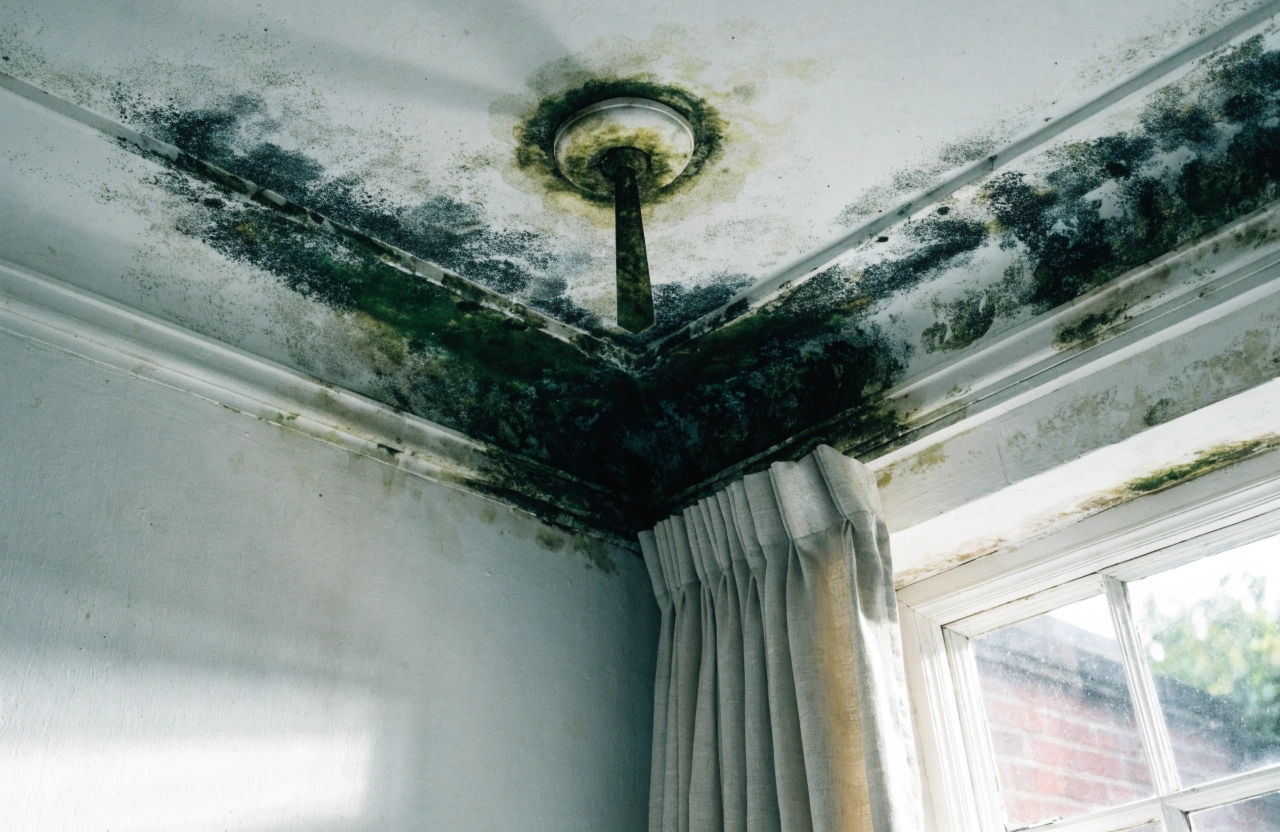
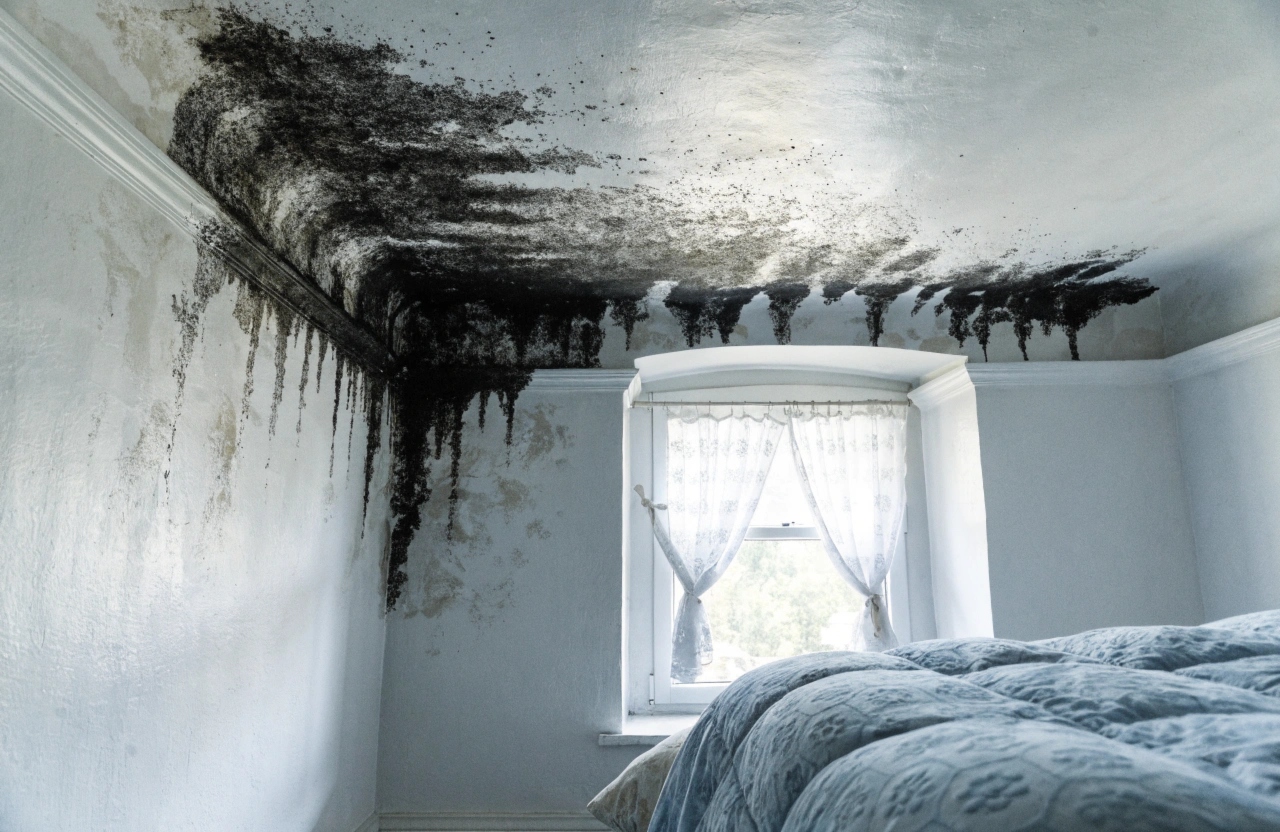
Remediation is the bigger job. It covers containment, air filtration, removal of affected materials, treatment of structural surfaces, and getting the indoor environment back to an acceptable spore level. When mould’s gone past the surface and into the building itself, this is what’s needed.
Why the Distinction Matters
Knowing which one your property actually needs saves you money and heartache. Pay for removal when you’ve got a remediation problem and the mould’ll be back by next winter. We tell you straight which service fits your situation, so you’re not throwing good money after bad.
Commercial, Strata & Body Corporate Remediation
Meeting Compliance Obligations: Commercial property owners, strata managers, and body corporates often need remediation done to meet workplace health and safety obligations or insurance requirements. We handle these jobs to the standard those obligations demand, so you’re covered on the compliance side as well as the mould itself.
Full Documentation & Reporting: We provide full documentation, clearance reports, and photographic evidence with every commercial job. This paperwork is suitable for insurance claims and compliance purposes — exactly what you need when there’s more than one stakeholder asking for proof the work was done properly.
Built for Multi-Stakeholder Properties: Strata and body corporate situations get complicated fast, with multiple owners and managers involved. Our reporting clearly sets out what was found and what was done, giving everyone the same clear picture and taking the guesswork out of who’s responsible for what.
Don't Let the Mould Win Another Winter
If the mould keeps coming back, has spread further than you’d like, or turned up after a flood or storm, it’s time to deal with it properly. We’ll assess your property, tell you straight whether you need removal or full remediation, and sort it at the source — so you’re not back here next winter doing it all again.
Call now for your free assessment and get your home back to a safe, healthy standard.
Frequently Asked Questions About Mould Remediation
In most cases on the Central Coast, yes — because we seal off the work zone with containment, the rest of your home stays clean and liveable while we get on with it. For bigger jobs or where the affected area’s right in the middle of the house, I’ll let you know upfront if you’ll need to be out for a bit. Either way, you’ll know well before we start, not halfway through.
Nine times out of ten it’s because the moisture source was never fixed — you can scrub the surface all you like, but if water’s still getting in, the mould comes straight back. Around here it’s usually the combination of coastal humidity, poor subfloor ventilation in older homes, and condensation through our cool, damp winters. Proper remediation tracks down where the moisture’s coming from and deals with that, not just the spots on the wall.
That musty smell is the mould itself, and it lingers because spores have settled into materials you can’t see — behind walls, under flooring, in the subfloor. Once we remove the affected materials and treat the surfaces, the smell goes with them rather than just being masked. If you’re in a low-lying suburb near Tuggerah Lakes or Brisbane Water where damp hangs around, sorting it at the source is the only thing that keeps the smell from creeping back.
As soon as you can — mould can take hold within a day or two once moisture’s been sitting, and the Central Coast gets enough heavy rain that this is a real risk. The longer wet materials stay put, the further it spreads into plasterboard, insulation, and framing, which makes the job bigger and dearer. If your place has copped water ingress after a storm, get it looked at quickly rather than waiting to see what dries out.
I get asked this a lot, and the honest answer is you can’t tell what type it is just by looking — but any mould spreading in a bathroom is worth taking seriously, especially with kids or older folks in the house. Central Coast bathrooms are prime territory for it thanks to our humidity and a lot of homes having ordinary extraction. Rather than worrying about the exact strain, the smarter move is getting it properly assessed and removed so it’s simply not there anymore.
Absolutely — we do a fair bit of work for landlords and property managers across Gosford, Wyong, and The Entrance, where there’s a big rental market. Mould in a rental can get tricky with tenant health, Fair Trading obligations, and insurance all in the mix, so we provide proper documentation and clearance reports that protect everyone involved. Whether you’re a landlord wanting it sorted before it becomes a dispute or a manager fielding a tenant complaint, we’ll handle it cleanly and give you the paperwork to back it up.
