

What Causes Mould in Basement Spaces?
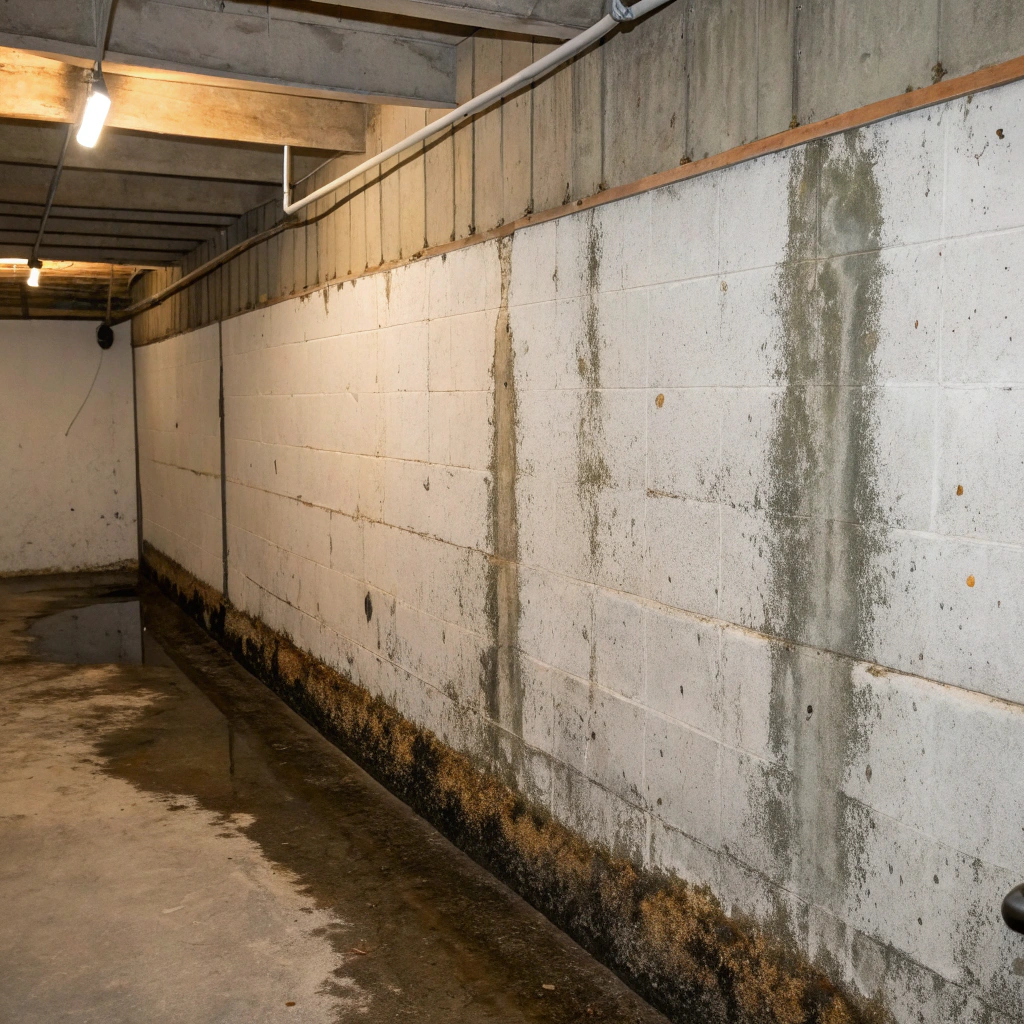
Basement mould on the Central Coast comes down to one thing: persistent moisture with nowhere to go. Below-grade spaces sit in direct contact with soil and groundwater — and unlike the rest of your home, they get no sun, no natural airflow, and no seasonal drying. The result is conditions that sustain mould growth all year round.
The main causes include:
- Hydrostatic pressure — groundwater pushing through foundation walls, floor slabs, and construction joints
- Capillary action — moisture slowly wicking through porous concrete and masonry from the surrounding soil
- Condensation — warm humid air hitting cool below-grade surfaces, especially during Central Coast summers
- Surface water intrusion — poor drainage or blocked stormwater letting rainwater in through walls and joints
- Poor ventilation — still air keeping humidity at levels that sustain mould growth indefinitely

Why Basement Spaces on the Central Coast Are a High-Risk Mould Environment
Concrete and masonry absorb moisture. That’s just how they work. They draw it in from surrounding soil, let groundwater push through under pressure, and produce condensation when warm air hits their cooler surfaces.
In an above-ground room, sun and airflow dry things out. In a below-grade space, nothing does.
On the Central Coast, that problem runs deeper than most places. Suburbs around Brisbane Water, Tuggerah Lake, and the Wyong river system sit on naturally high water tables — moisture is pushing against below-grade walls and floors constantly, not just after rain.
The region’s clay soils hold water long after it falls, keeping that pressure going for weeks. And with coastal humidity sitting between 70–85% for much of the year, the air itself is working against you.
It’s an environment that gives mould everything it needs, all year round.
How Moisture Gets Into Central Coast Basement Spaces

The Types of Basement Spaces We Treat on the Central Coast
Semi-Basement Garages and Utility Rooms: The most common below-grade space we treat on the Central Coast. These garages and utility rooms sit beneath split-level homes with no waterproofing, concrete floors wicking moisture from below, and walls in direct contact with surrounding soil. Stored cardboard, timber, and fabric give mould exactly what it needs to establish quickly.
Below-Grade Storage Rooms and Wine Cellars: Found in older homes across suburbs like Terrigal and Avoca Beach. Same moisture conditions, but with high-value contents — wine collections, furniture, archived documents — at direct risk. Limited access and infrequent inspection means contamination is often well advanced before it’s discovered.
Commercial Basement Car Parks and Plant Rooms: Vehicle moisture, drainage limitations, and large uninsulated concrete surfaces make commercial basements particularly prone to widespread contamination. Scale means mould can cover significant wall and ceiling areas before anyone notices.
What Basement Mould Does to Your Property and Your Health
Left untreated, basement mould creates problems that go well beyond a musty smell.
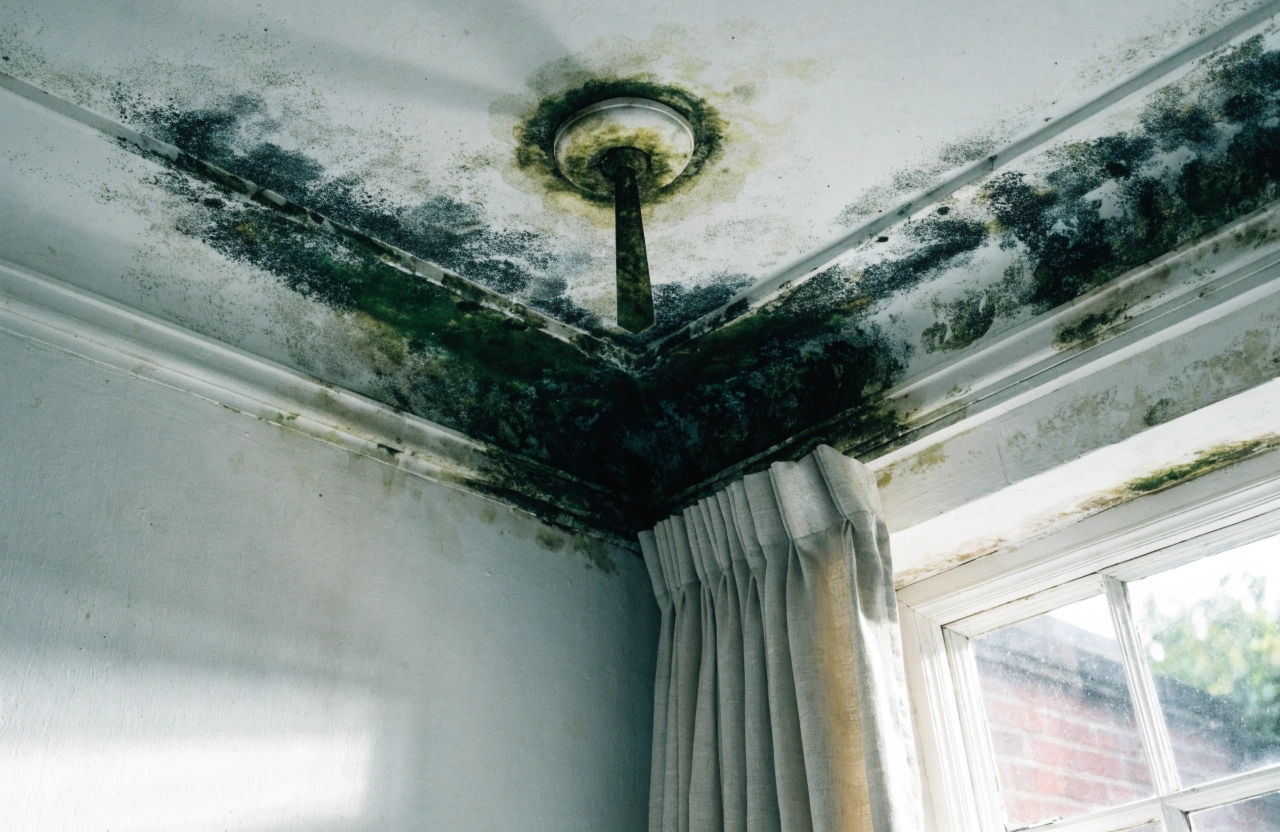
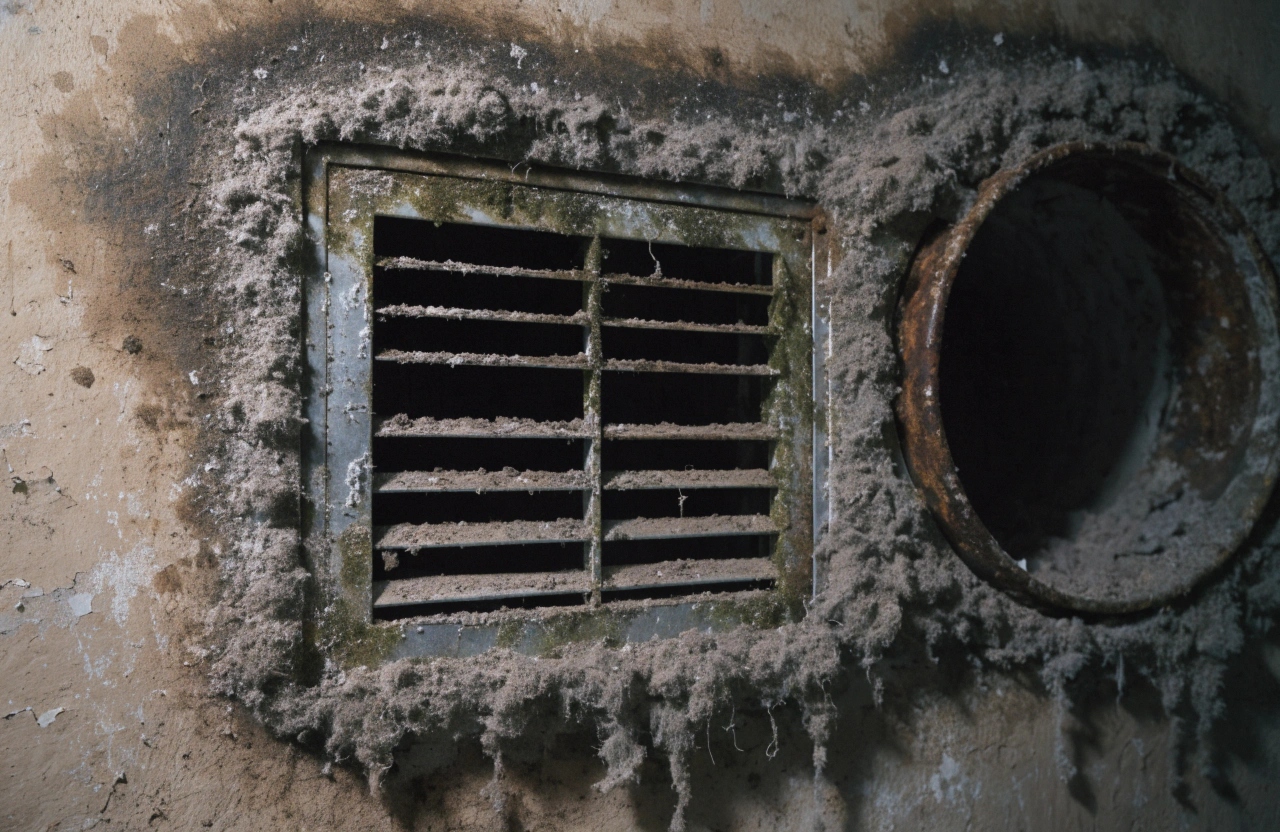
For anyone using the space regularly, the health risk is real. Mould spores and the airborne particles they release affect air quality — not just in the basement, but in the floors above. Respiratory irritation, persistent coughs, and allergy-like symptoms are common in homes where below-grade mould has been left to develop unchecked.
The structural risk compounds over time. Where timber elements are present — framing, shelving, floor joists above the basement — fungal decay progresses quietly and can cause serious damage before it becomes visible.
Then there’s the property value angle. Basement mould is a material defect. It shows up in building inspection reports, it raises questions for buyers, and it can complicate mortgage approvals and insurance coverage. Dealing with it early is the financially sensible move — not just a health one.
How We Remove Basement Mould — The ClearAir Treatment Process
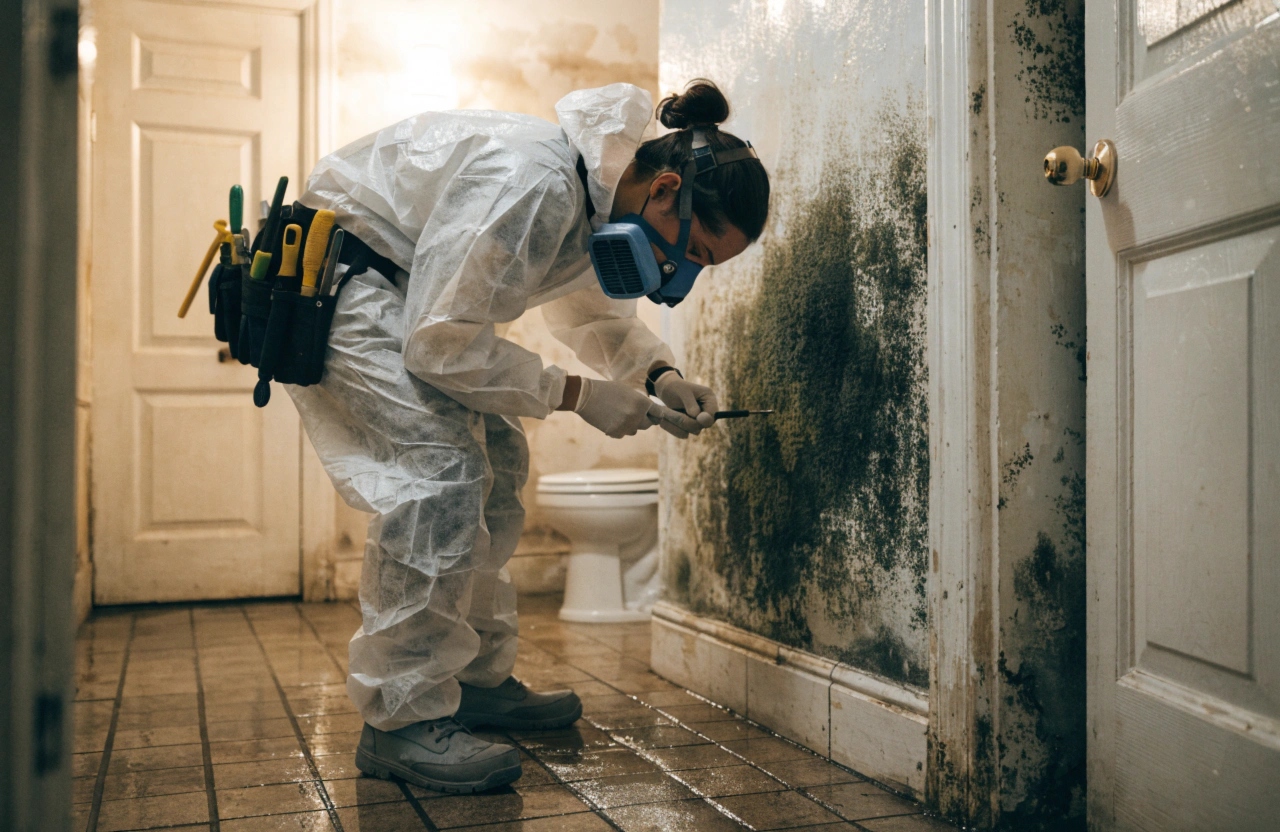
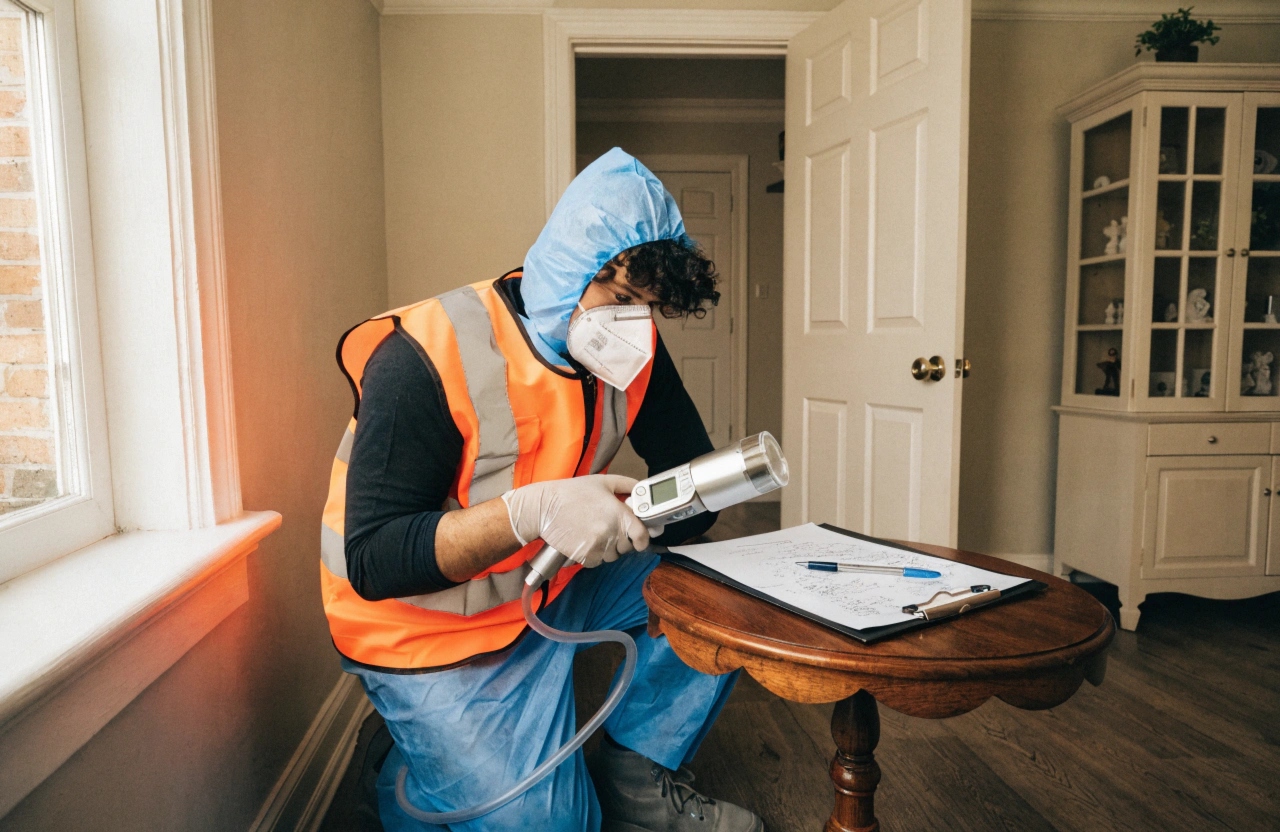
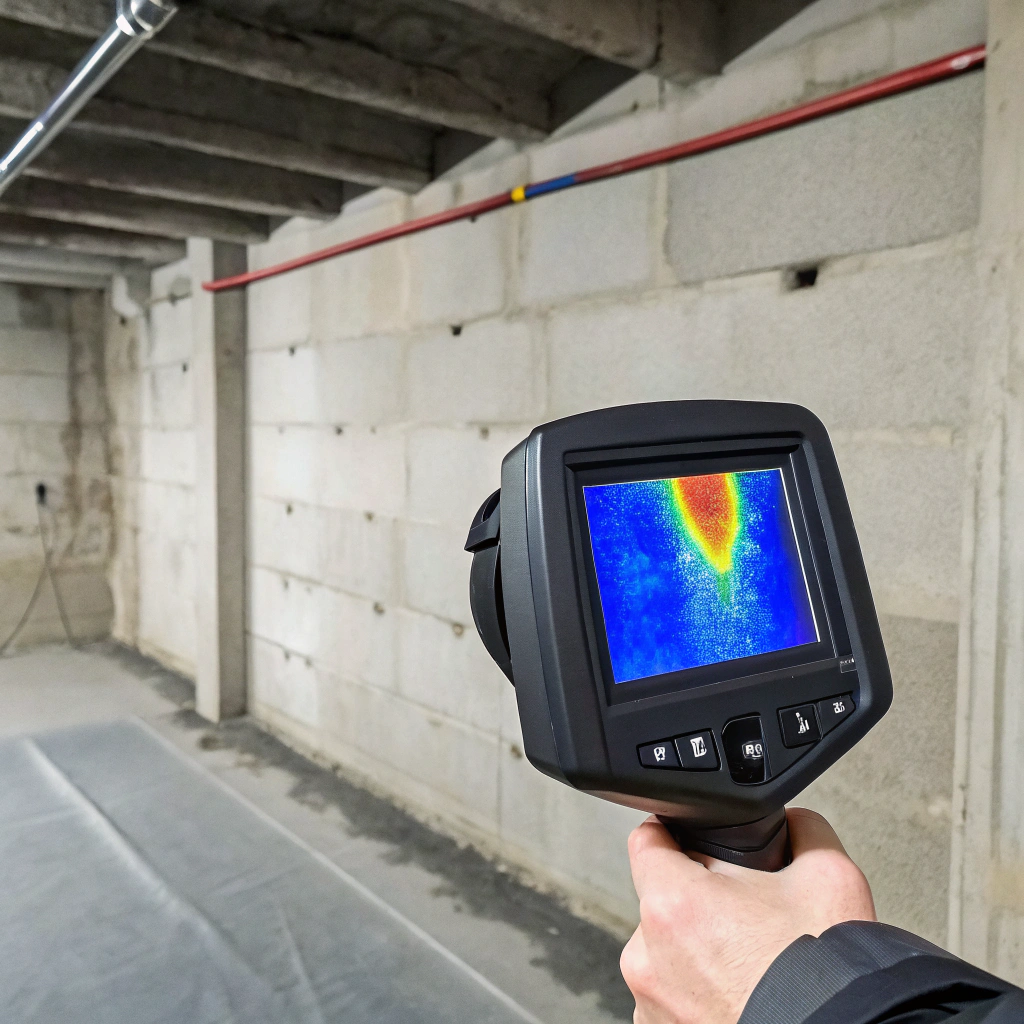
We start by mapping moisture across all wall and floor surfaces using contact moisture meters and thermal imaging. This tells us exactly where moisture is entering the space and how far it’s travelled — not just where the visible mould is. Where the extent of contamination isn’t clear from visual inspection alone, we take samples for testing.
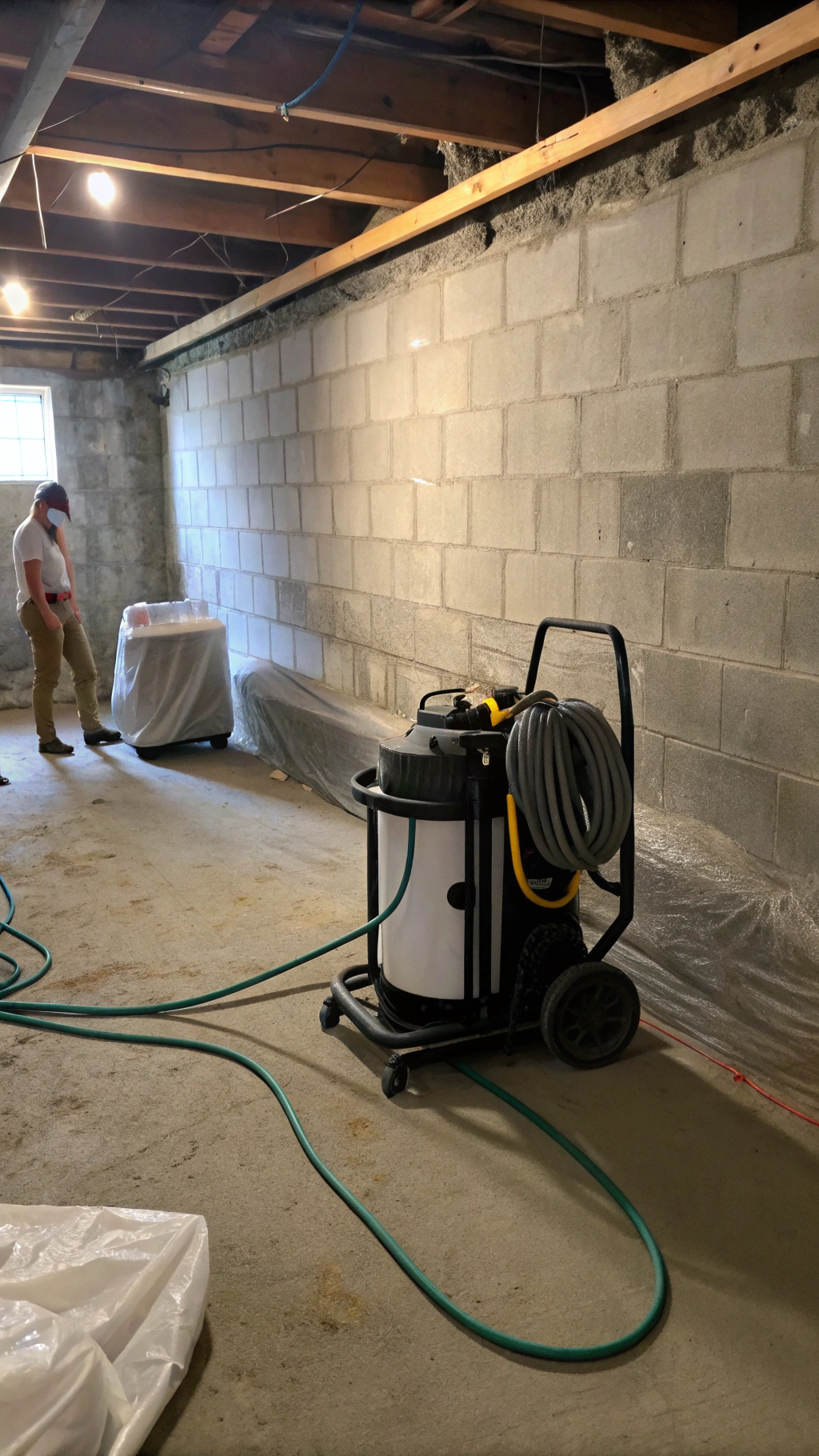
We set up containment to prevent mould spores from moving into above-ground spaces during the works. From there, we HEPA vacuum and apply antimicrobial treatment across all affected surfaces. Any mould-affected materials — insulation, timber shelving, stored organics — are removed. The products we use are selected specifically for porous concrete and masonry, penetrating the surface rather than just treating what’s visible.
Once contamination is cleared, we provide waterproofing recommendations for any active ingress points identified during assessment. Where ongoing humidity management is needed, we advise on dehumidification system installation. Vapour barrier installation on floor and lower wall surfaces is recommended where appropriate. A written clearance report is provided on completion.
Basement Mould in Strata and Body Corporate Buildings
Basement car parks, plant rooms, and storage areas in strata buildings are common property under NSW strata legislation — which means remediation is the owners corporation’s responsibility, not individual lot owners.
ClearAir Mould Removal Central Coast works regularly within strata management frameworks. We know the documentation these jobs require: a clear scope of works before anything starts, a completion report on finish, and supporting paperwork for insurance claims or levy-funded remediation projects.
If you’re a strata manager or owners corporation dealing with basement mould in a Central Coast building, we can provide everything needed to move the job through the approval and funding process cleanly.
Basement car parks and plant rooms are common property under NSW strata legislation. Remediation is the owners corporation’s responsibility — not individual lot owners.
Commercial Basement Mould and Workplace Health Obligations
If a basement space is accessed by employees, residents, or the public, mould contamination creates a documented workplace health and safety risk. That’s not a grey area — it’s a WHS obligation.
Painting over affected surfaces or running a dehumidifier does not constitute a compliant response. It doesn’t eliminate the contamination, it doesn’t address the moisture source, and it doesn’t produce the documentation needed to demonstrate that a proper response was carried out.
Certified remediation does. The ClearAir treatment process produces a written clearance report on completion — documenting what was found, what was done, and the post-treatment condition of the space. For commercial operators on the Central Coast, that report is the standard of response your obligations require.
Surface treatment and dehumidifier management do not meet WHS obligations. Certified remediation with a written clearance report is the required standard.
Frequently Asked Questions
Yes. Basement and below-grade mould is driven by structural moisture conditions — soil contact, groundwater pressure, and condensation — rather than surface dampness or humidity alone. That makes it more persistent and harder to resolve without addressing the underlying moisture source.
Surface cleaning removes what you can see, but it doesn’t dry out the substrate or stop moisture from continuing to enter the space. In our experience, DIY treatment in below-grade spaces almost always results in the mould returning within a few months.
We use contact moisture meters and thermal imaging to map moisture levels across wall and floor surfaces. This lets us identify active ingress points and track how far moisture has travelled through the material — not just where mould is visible on the surface.
It can. Mould spores move through gaps in flooring, around pipes, and through any connected airspace. Homes with below-grade mould contamination frequently show elevated spore counts on the floors directly above.
For most residential basement jobs, occupants don’t need to vacate. We set up containment to isolate the below-grade space and prevent cross-contamination of above-ground areas during the works.
Most residential basement jobs are completed in one day. Larger or more severely contaminated spaces may require a second visit. We’ll give you a clear timeline as part of the written scope before works begin.
Not if the moisture source is properly addressed. Our process includes identifying and recommending rectification of active ingress points. Where ongoing humidity management is needed, we advise on appropriate solutions. Treatment alone without moisture control will always carry a risk of recurrence.
Yes. Every job receives a written clearance report documenting what was found, what was treated, and the post-treatment condition of the space. That report is useful for insurance purposes, property sales, strata records, and WHS compliance.
It depends on the policy and the cause. Mould resulting from a sudden water event — a burst pipe or storm flooding — is more commonly covered than mould from long-term moisture ingress. We can provide the documentation insurers typically require to support a claim.
Speak to a Central Coast Basement Mould Specialist
If you’ve found mould in a below-grade space — or you’re dealing with persistent damp that keeps coming back — we can help.
Call ClearAir Mould Removal Central Coast on 02 4307 5006 to book an assessment. We’ll map the moisture, identify the source, and provide a written scope before any works begin.
We service: Gosford, Wyong, Terrigal, Woy Woy, The Entrance, Umina Beach, Tuggerah, Ettalong Beach, Avoca Beach, and Budgewoi.
