
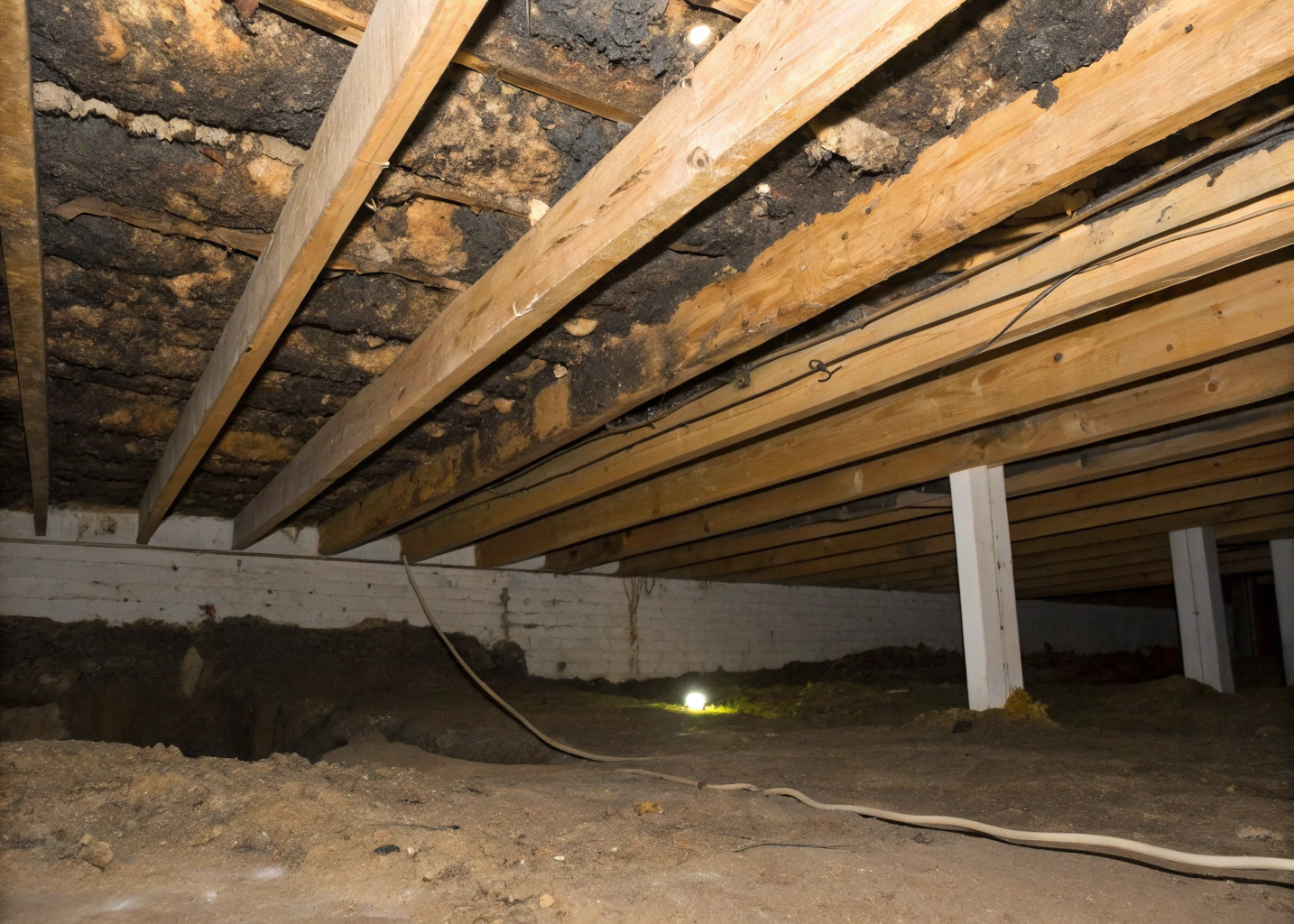
How do I know if I have subfloor mould?
The most reliable way to know is a professional subfloor inspection — but there are several warning signs you can look for first.
- A persistent musty or earthy smell at floor level with no visible mould source anywhere in the living areas.
- Unexplained sneezing, respiratory irritation, or worsening allergies that seem to ease when you leave the home.
- Soft, spongy, or springy floorboards that weren’t like that before — a sign of moisture damage to the flooring sheets or joists beneath.
- Warping, cupping, or lifting of timber or laminate floor surfaces.
- Moisture staining or peeling paint around skirting boards at floor level.
- A building inspection report that flags subfloor moisture, mould, or timber decay.
Central Coast homes — particularly older timber-framed properties in low-lying suburbs — are among the highest-risk in NSW for subfloor mould, due to the region’s humidity, rainfall, and soil conditions.

Why Subfloor Mould Is So Common on the Central Coast
The Central Coast has a specific combination of conditions that makes subfloor mould a regional problem, not just a general one.
Ambient humidity across most of the region sits between 70 and 85 percent for much of the year — higher in waterfront suburbs like Woy Woy, Ettalong, and The Entrance. The soils across a large part of the region are heavy clay, which drains poorly and holds ground moisture close to the surface for extended periods after rain. Annual rainfall sits between 1,100 and 1,400 millimetres, with concentrated summer events that push significant water into the ground around and beneath homes.
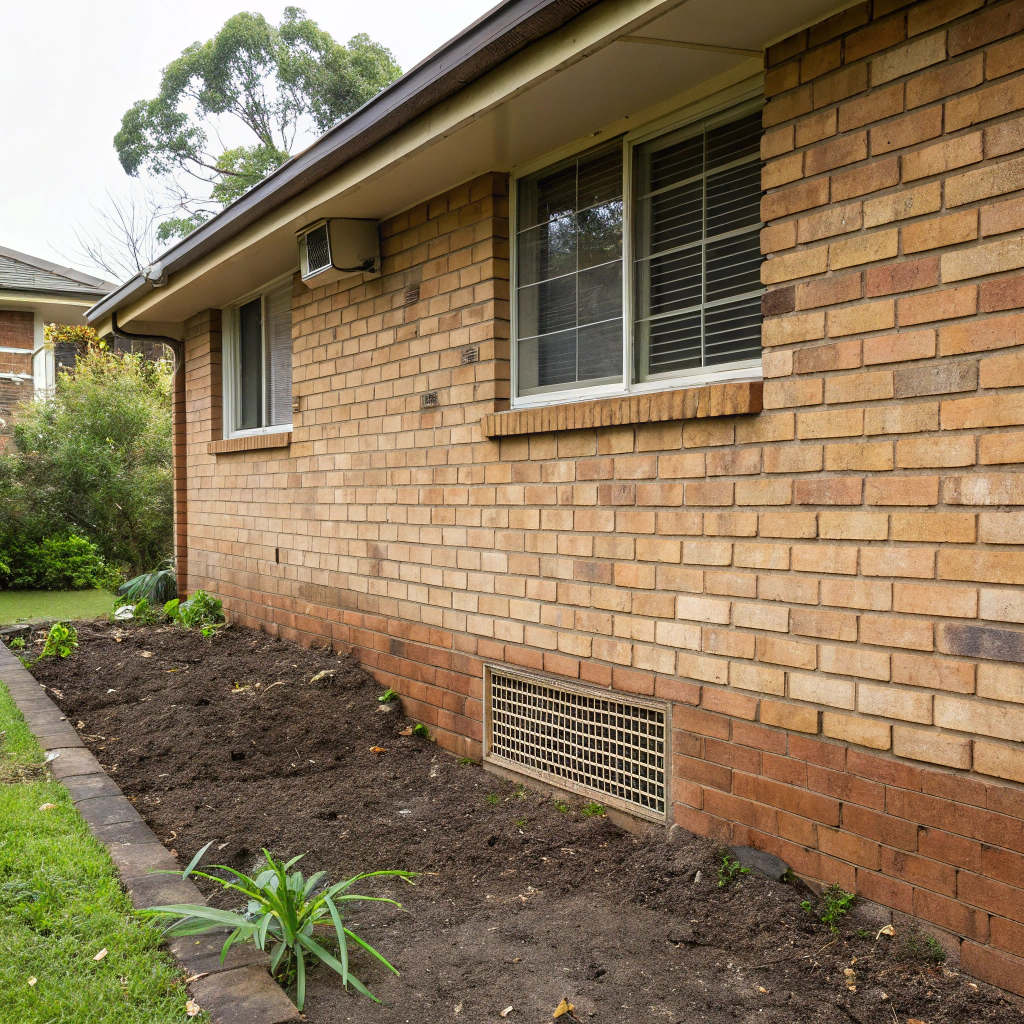
A large proportion of Central Coast housing stock was built between the 1960s and 1990s. Many of those homes are timber-framed and sit on raised stumps — a construction style that leaves an open subfloor space directly exposed to ground moisture. Most of those subfloor spaces were built with little or no vapour barrier, and the ventilation provisions that were standard at the time are simply not adequate for the moisture load the Central Coast climate generates.
The result is a subfloor environment that stays damp. And a damp, dark, poorly ventilated space is exactly where mould thrives.

What Subfloor Mould Does to Your Home
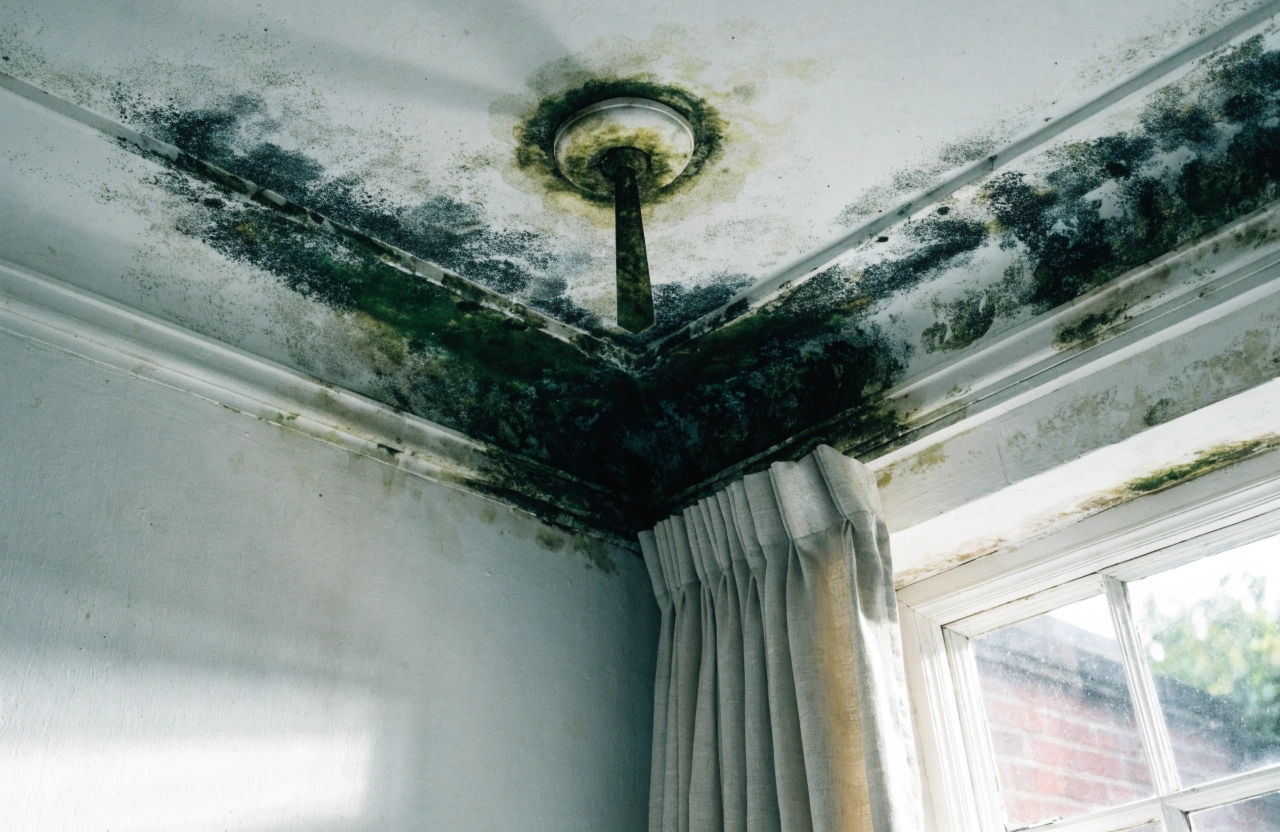
Subfloor mould isn’t just a smell problem. Left untreated, it works into the timber that holds your home together — and that’s where things get more serious.
Timber Decay vs Surface Mould — Why the Distinction Matters
These are two separate problems that often occur together.
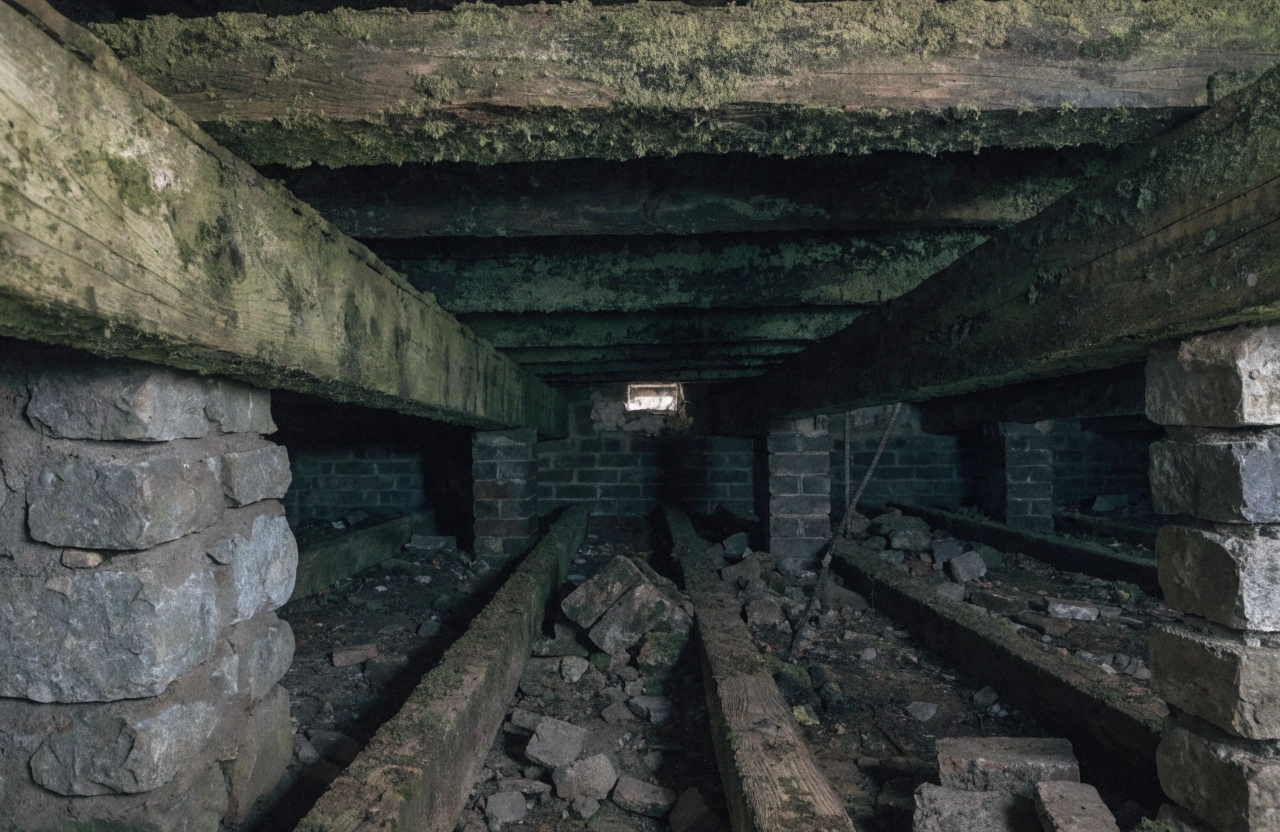
Surface mould is a contamination issue. It grows on bearers, joists, and flooring sheets and can be treated with antimicrobial treatment applied directly to affected timber. Caught early, it’s a remediation job.
Timber decay is different. This is where fungal activity has broken down the actual structure of the timber — reducing its strength and integrity. That goes beyond treatment into replacement.
We assess every affected surface and tell you clearly what you’re dealing with before any work begins. Acting early keeps most subfloor mould problems in the remediation category. Leaving it tends to push them into the structural one.
Warning Signs Your Central Coast Home Has Subfloor Mould
These are the most common signs we see in Central Coast homes before a subfloor inspection confirms the problem:
- Persistent musty or earthy smell at floor level with no visible mould source anywhere in the living areas.
- Unexplained respiratory symptoms — sneezing, irritation, or worsening allergies that ease when you leave the home.
- Soft, spongy, or springy floorboards that weren’t like that before, indicating moisture damage to flooring sheets or joists beneath.
- Warping, cupping, or lifting of timber or laminate floor surfaces.
- Moisture staining or peeling paint around skirting boards at floor level.
- A building inspection report flagging subfloor moisture, mould, or timber decay.
How Subfloor Mould Affects the Health of Everyone in the Home
A subfloor space isn’t sealed off from the rest of your home. Air moves continuously upward through gaps in flooring and penetrations — what’s happening beneath your floors doesn’t stay there.
When mould colonises a subfloor space, it produces spores that travel up into the living areas above. For the people living there, that can show up as persistent sneezing, respiratory irritation, worsening asthma, or allergies with no obvious cause. No visible mould anywhere. Just symptoms that ease whenever the family spends time away from home.
If that sounds familiar, the subfloor is worth investigating.
Identifying and treating the source resolves the risk. Once the mould is gone and moisture levels are under control, the air quality in the home above improves with it.
Our Subfloor Mould Treatment Process
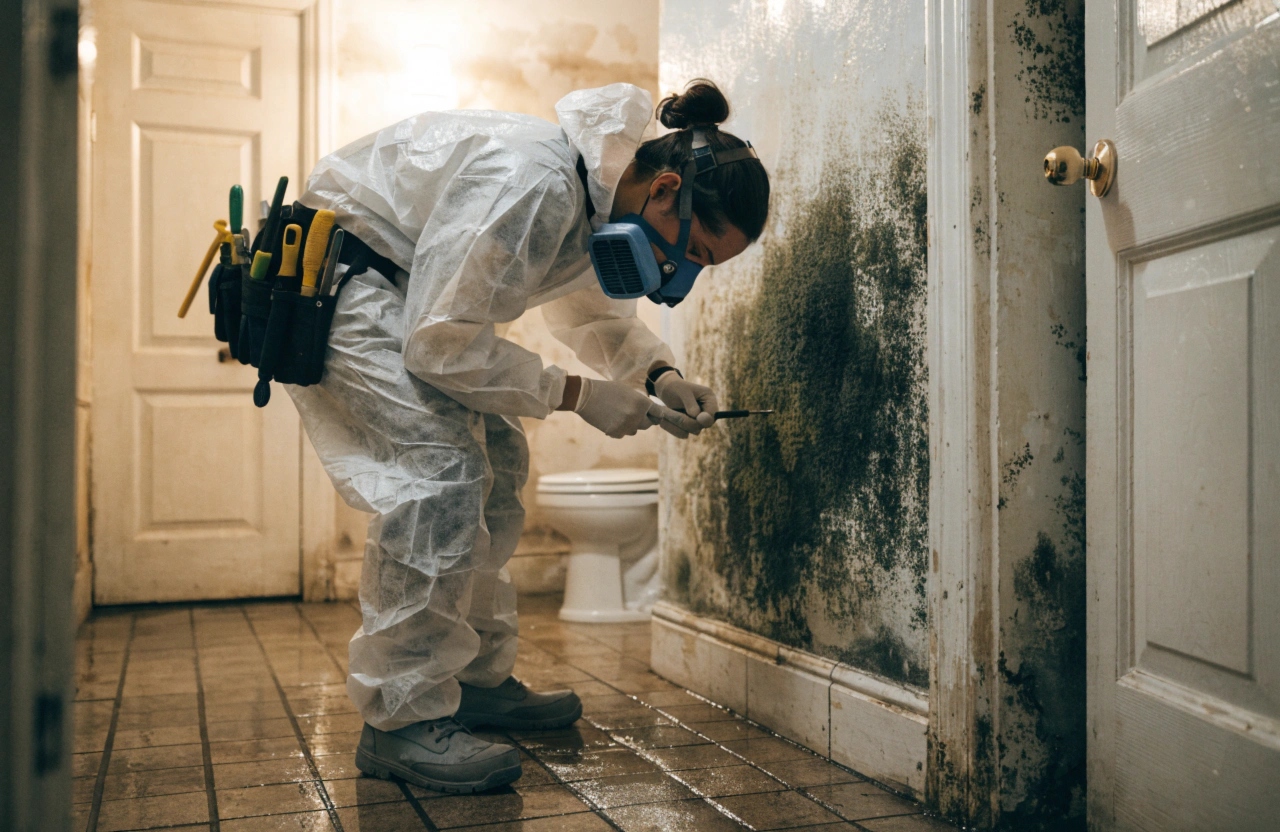
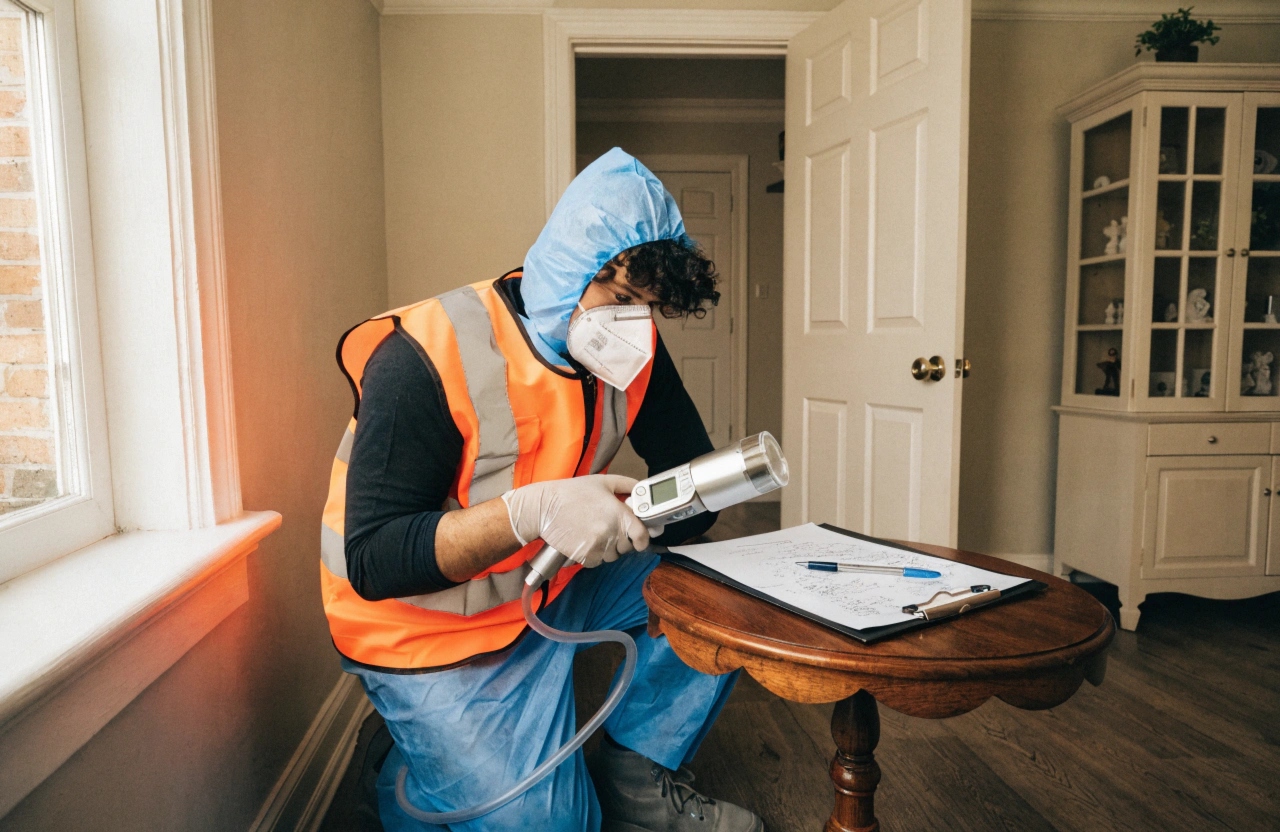
We start with a physical inspection of the full subfloor space. We take moisture readings on all timber surfaces, map air humidity throughout the subfloor environment, and assess the condition of any existing vapour barrier and ventilation provisions. Every affected area across bearers, joists, flooring sheets, and insulation is documented before any treatment begins.
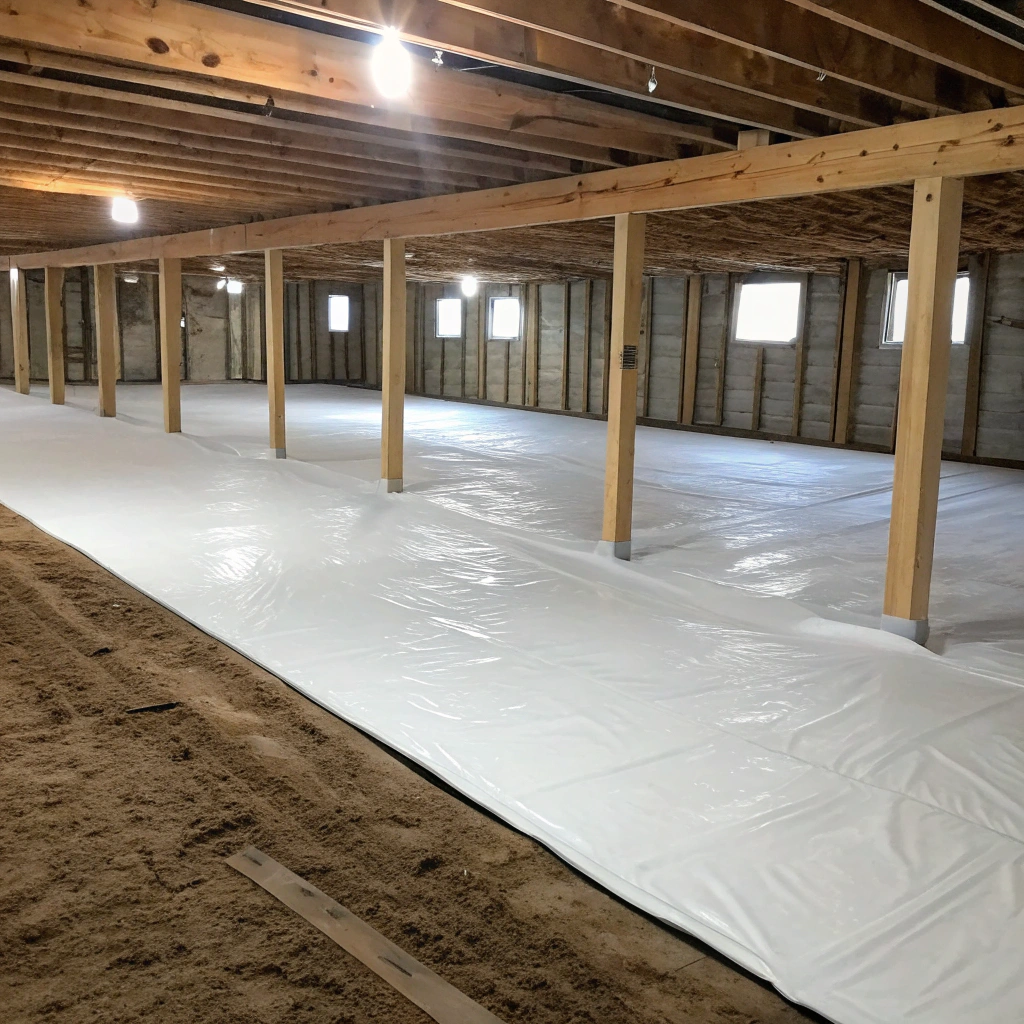
We HEPA vacuum all affected surfaces to remove loose mould material before applying antimicrobial treatment directly to affected timber and structural elements. Any insulation batts that are compromised are removed and replaced. Where no vapour barrier exists — or where the existing one has degraded — we install or repair it across the ground surface.
We address the underlying moisture conditions driving the problem. That includes additional passive subfloor ventilation where airflow is deficient, mechanical ventilation installation where passive venting isn’t sufficient, and drainage improvement recommendations where ground water pooling is a contributing factor. A written completion report is provided at the end of every job.
Subfloor Mould and Your Property — Buyers, Landlords & Managers
Pre-Purchase Inspections: Building inspectors identify problems — we assess, scope, and treat them. If your building inspection report has flagged subfloor mould, moisture, or timber decay, we’re the next call to make. We’ll inspect the full subfloor space, give you a clear picture of what you’re dealing with, and provide a written treatment plan and cost estimate before settlement. That way you go into the purchase with your eyes open — and a documented remediation path ready to go.
Landlords & Property Managers: Subfloor mould is a habitability issue and a structural maintenance obligation. If a tenant has raised a mould complaint, documented professional treatment is the most important thing a landlord can have on file. Our written completion report records exactly what was found, what was treated, and what the outcome was — giving landlords and property managers a clear protection document if a Fair Trading complaint or tenancy tribunal claim ever follows.
What to Expect After Treatment
When we finish a subfloor mould treatment on a Central Coast property, you receive a written completion report that documents everything — what was found, what was treated, moisture readings before and after, and the condition of the subfloor space at the end of the job. That report is yours to keep.
In the home above, the most immediate change most people notice is the smell. It goes. Moisture levels in the subfloor normalise, the timber is protected, and the source of the spore load moving up into your living areas has been removed.
Going forward, we recommend an annual subfloor inspection to catch any moisture changes early — particularly on older Central Coast properties where ground conditions and ventilation can shift over time. It’s a small investment that keeps a remediation job from becoming a structural one.
You’ll know exactly what was done, exactly what the outcome was, and exactly what to do to keep it that way.
Frequently Asked Questions
The main cause is persistent moisture. On the Central Coast, that typically comes from ground moisture rising in poorly drained clay soils, inadequate subfloor ventilation, a missing or degraded vapour barrier, or water ingress after heavy rainfall. Older timber-framed homes on raised stumps are particularly susceptible because many were built before modern moisture control standards.
Yes, it can. Subfloor spaces aren’t sealed from the living areas above. Spores travel upward through floor gaps and penetrations and contribute to the indoor air quality of the whole home. Unexplained respiratory symptoms, persistent sneezing, or worsening asthma with no visible mould source in the home are worth taking seriously.
The most common signs are a persistent musty smell at floor level, soft or springy floorboards, warping or lifting floor surfaces, and moisture staining around skirting boards. If a building inspection report has flagged subfloor moisture or timber decay, that’s a strong indicator too. A professional inspection is the only way to know the full extent of the problem.
It depends on the condition of the timber. Surface mould on structurally sound timber can be treated with antimicrobial treatment. Where timber has decayed to the point that its structural integrity is compromised, replacement is the right call. We assess every affected surface during the inspection and give you a clear recommendation before any work begins.
Most residential subfloor mould treatments on the Central Coast are completed in a single day. Larger properties or jobs that include vapour barrier installation and ventilation rectification may take longer. We give you a clear timeframe before we start so you know exactly what to expect.
In most cases, no. The treatment is carried out in the subfloor space beneath the home. We’ll let you know during the assessment if the specific conditions of your job require any different arrangements.
If the underlying moisture conditions are addressed as part of the treatment — ventilation, vapour barrier, drainage — the risk of recurrence is significantly reduced. Mould comes back when moisture comes back. That’s why we don’t just treat the surface. We address what’s causing the moisture in the first place.
Book a Subfloor Mould Inspection on the Central Coast
Get a professional subfloor assessment and written report from the Central Coast specialists. Know exactly what you’re dealing with before you decide on anything.
ClearAir Mould Removal Central Coast 📞 02 4307 5006
We service the Central Coast including Gosford, Wyong, The Entrance, Woy Woy, Terrigal, Tuggerah, and Umina Beach.
