
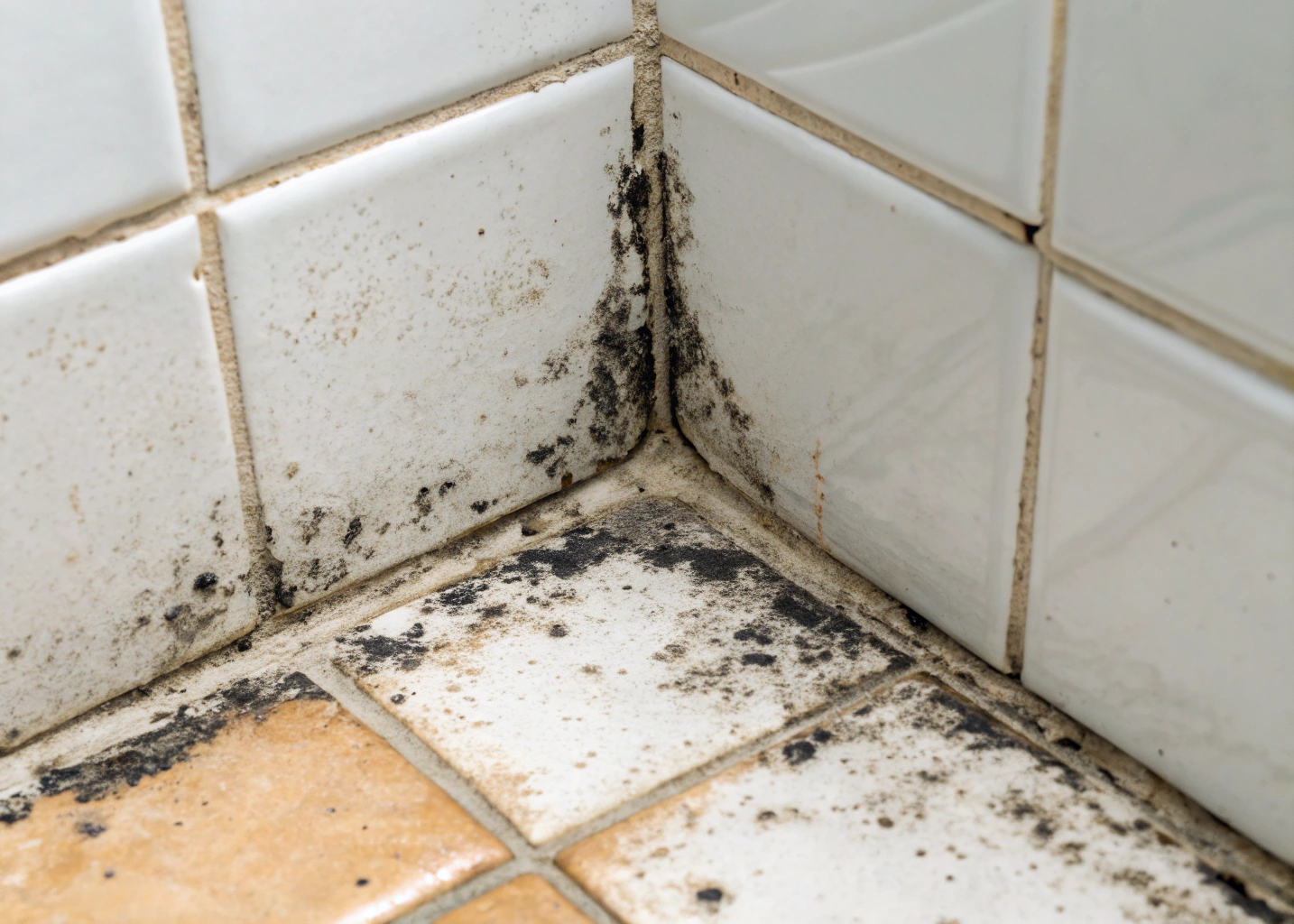
What causes mould on walls inside a house?
Mould on interior walls is caused by a persistent moisture source combined with inadequate ventilation — and on the Central Coast, the region’s coastal humidity and ageing housing stock make walls one of the most vulnerable surfaces in the home. Common causes include:
- Rising damp — groundwater wicks upward through brick, concrete, or sandstone footings into wall materials, creating a continuous moisture supply no surface treatment can overcome
- External water ingress — cracked render, failed flashings, or damaged cavity barriers allow rain-driven moisture to penetrate wall systems from outside
- Condensation — warm indoor air meets cold external wall surfaces in poorly insulated homes, depositing moisture directly onto the wall face
- Concealed plumbing leaks — slow leaks inside wall cavities produce localised mould that appears as staining or bubbling paint before the leak is detected
- Poor ventilation — trapped indoor humidity in bedrooms, living areas, and behind furniture accelerates mould growth on wall surfaces

Why Wall Mould on the Central Coast Is Different From a Simple Surface Problem
Wall mould isn’t the same as the mould you find on a bathroom ceiling. Ceiling mould is mostly a ventilation problem. Wall mould is structural — it’s driven by moisture active inside the wall system itself, and cleaning the surface does nothing to stop it.
The Central Coast makes this harder. Homes built between the 1960s and 1990s dominate the region, most with limited insulation and poor subfloor ventilation. Low-lying suburbs around Tuggerah Lake and Brisbane Water experience regular water ingress after heavy rain. Coastal humidity and wet winters keep wall systems damp for months.
Repainting or applying mould-resistant primer won’t fix any of that. The moisture stays active. The mould comes back.
At ClearAir Mould Removal Central Coast, diagnosis comes first — finding the moisture source is where treatment actually starts.
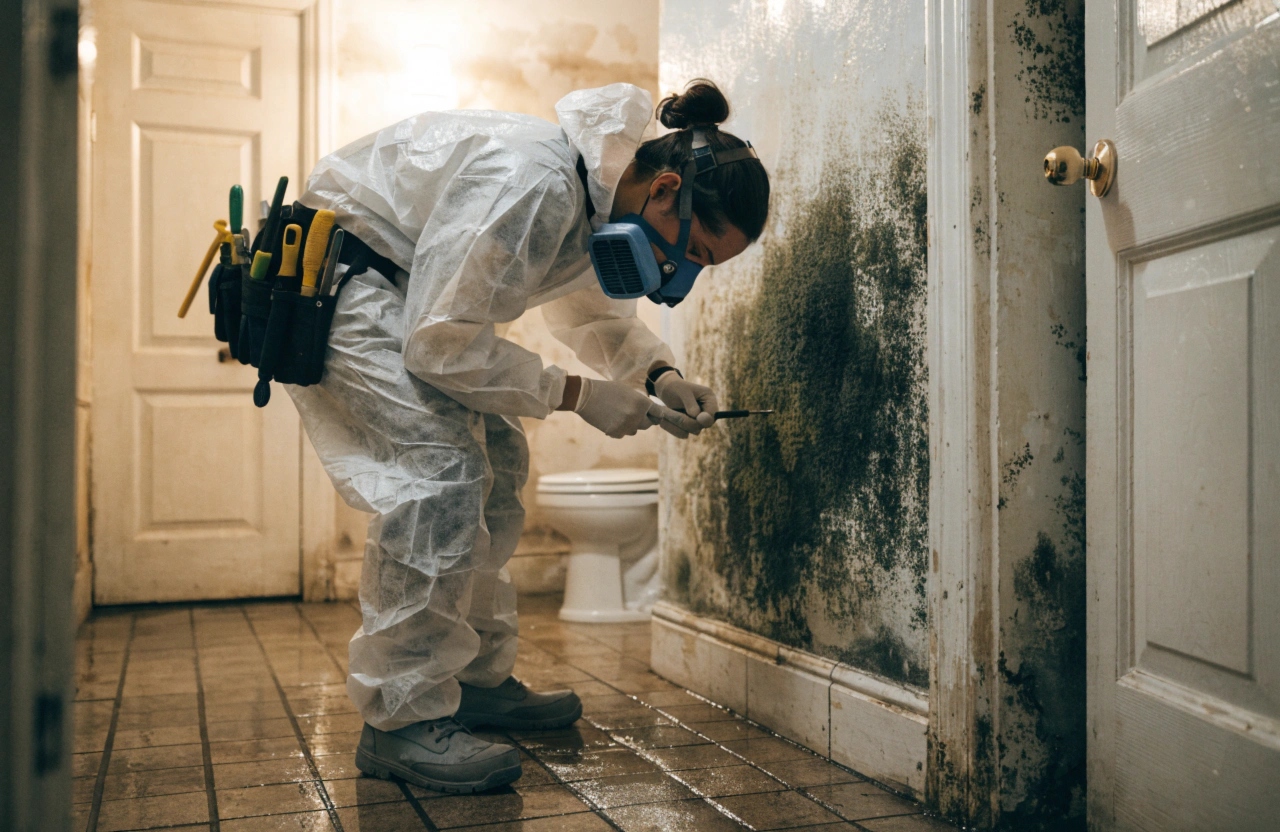
What's Happening Inside Your Wall When Mould Takes Hold
What you can see on the wall surface is rarely the full story.
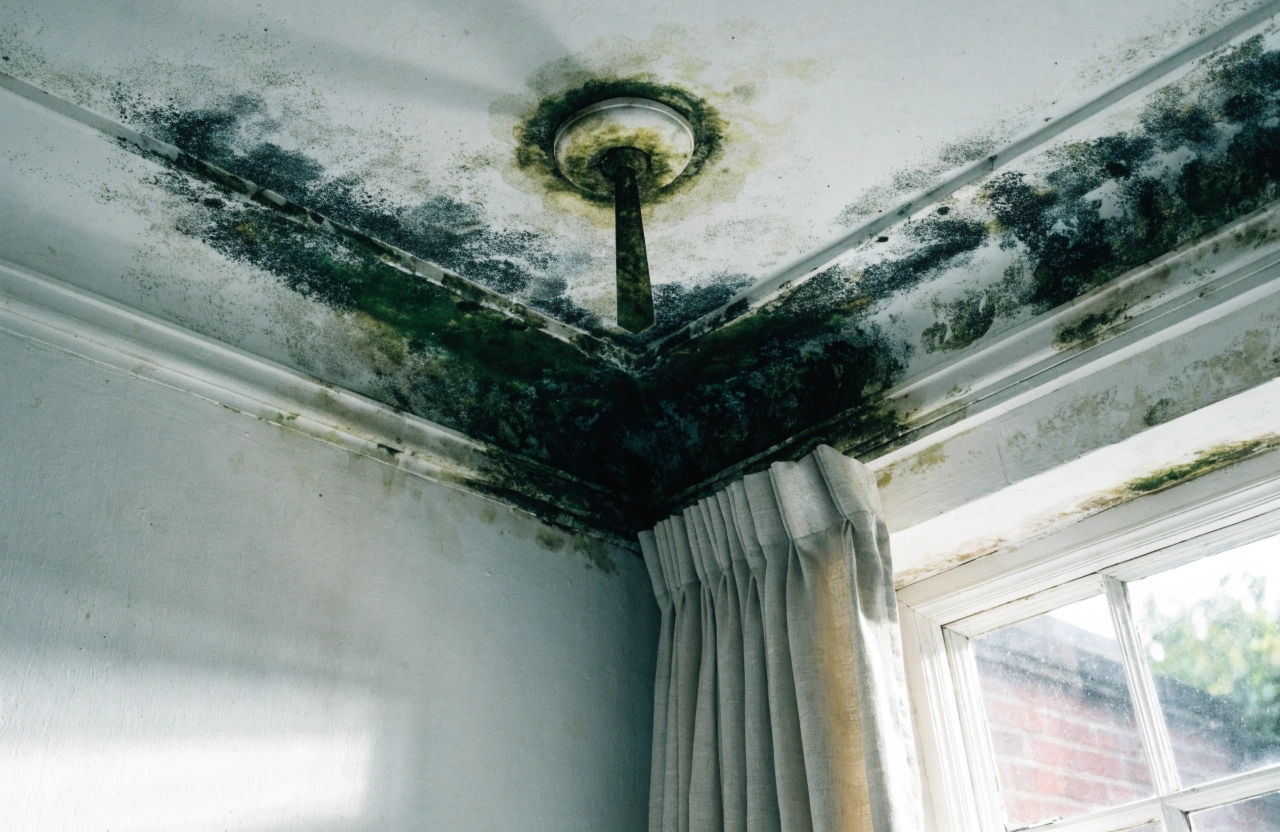
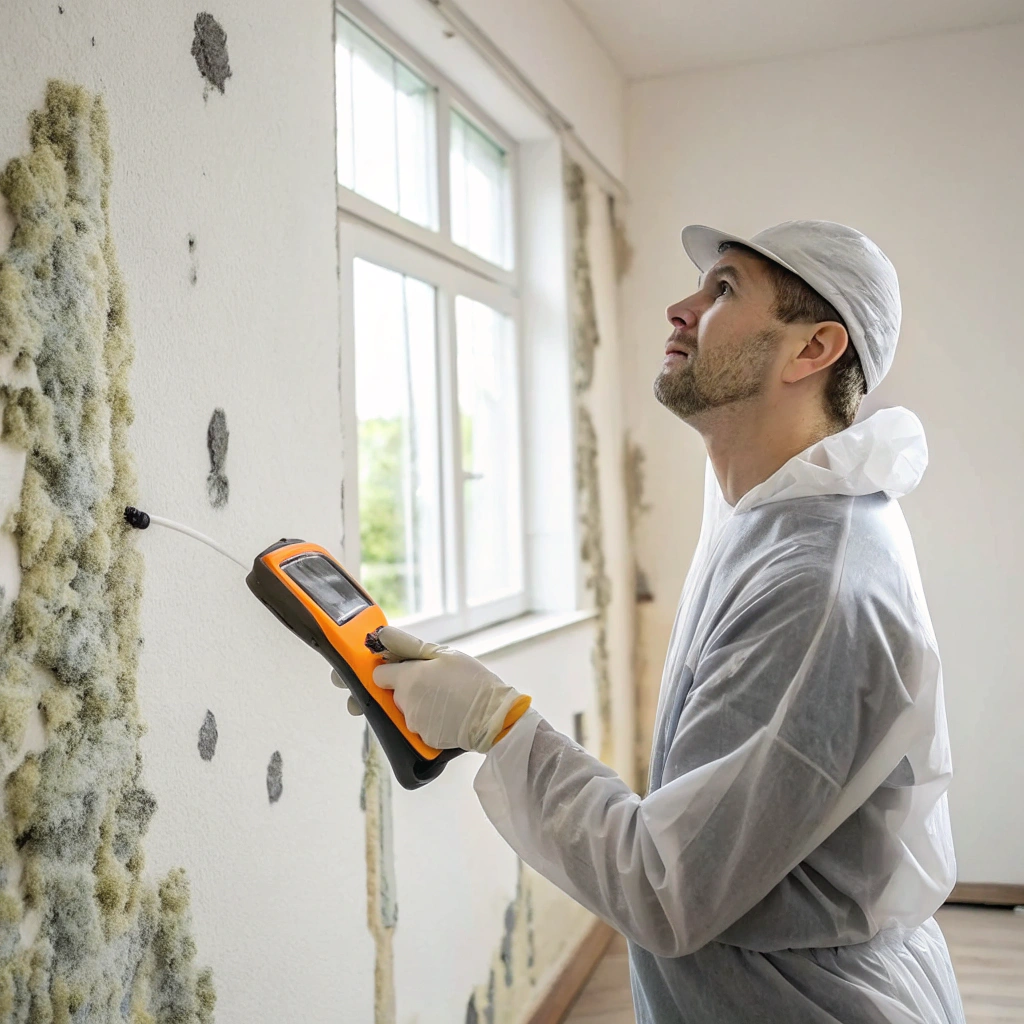
Mould starts on the paint layer, then works its way through into the paper face of the plasterboard. From there it moves into the gypsum core, and if moisture levels stay high, it reaches the timber framing and insulation behind the wall. By the time you’re seeing staining or bubbling paint on the surface, the contamination behind it is almost always more advanced than it looks.
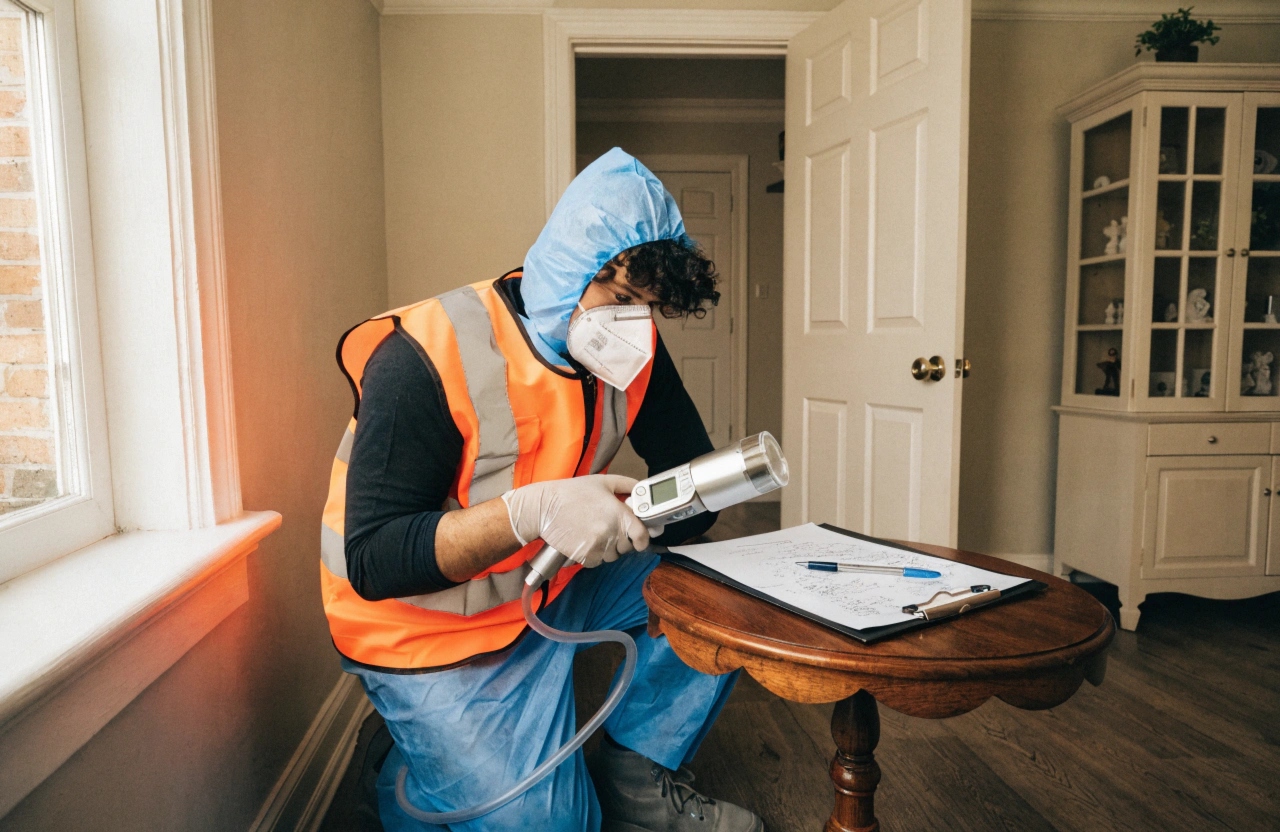
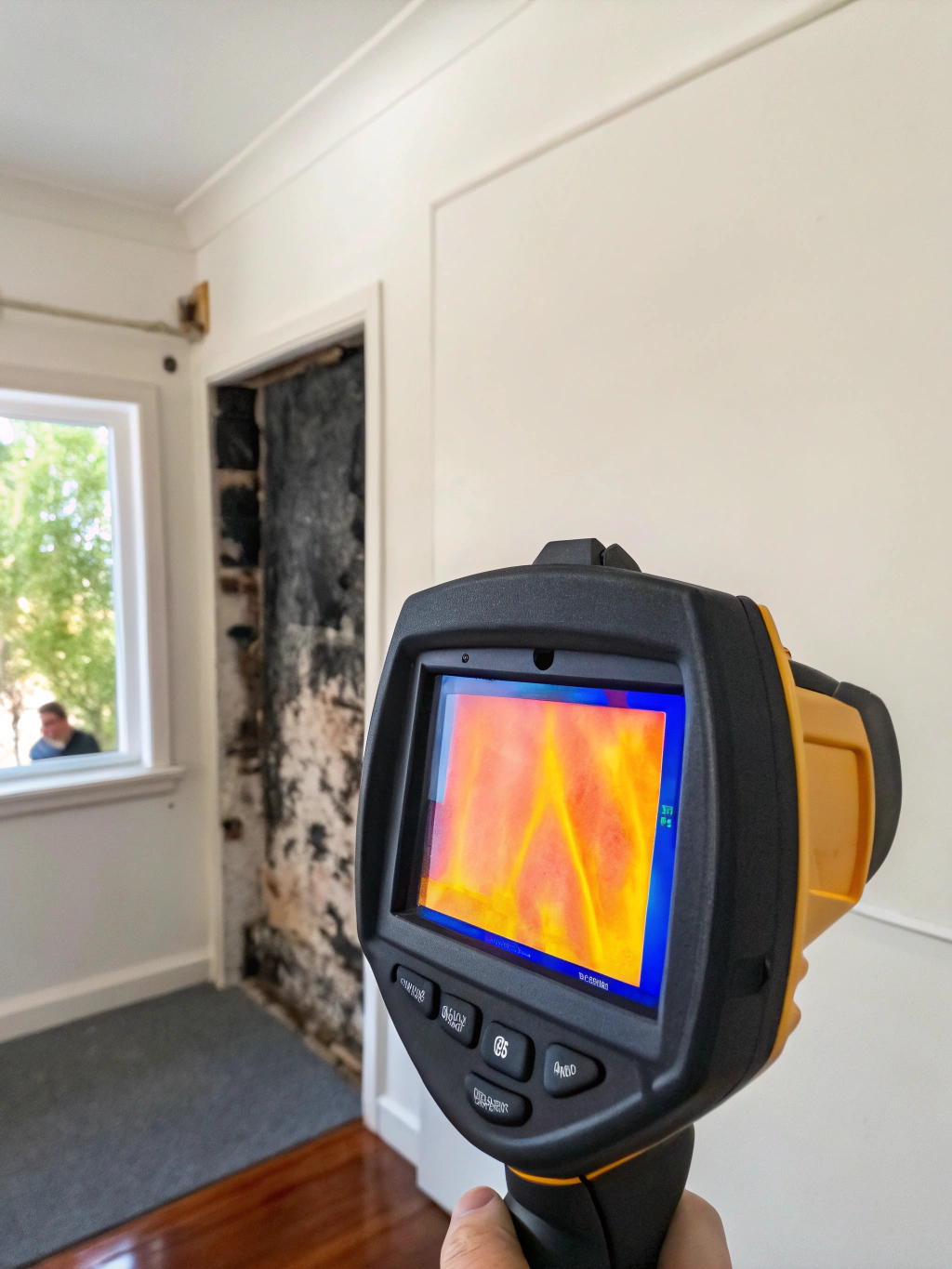
This is something we see consistently at ClearAir Mould Removal Central Coast. Moisture meter and thermal imaging readings regularly show active moisture in wall cavities where there’s little to no visible mould on the surface yet.
The longer treatment is delayed, the deeper the contamination goes — and the greater the scope of work required to fix it properly.
Material Matters — How Wall Type Determines the Right Treatment
Not every wall responds to the same treatment. The material determines what’s possible — and what needs to be replaced rather than treated.
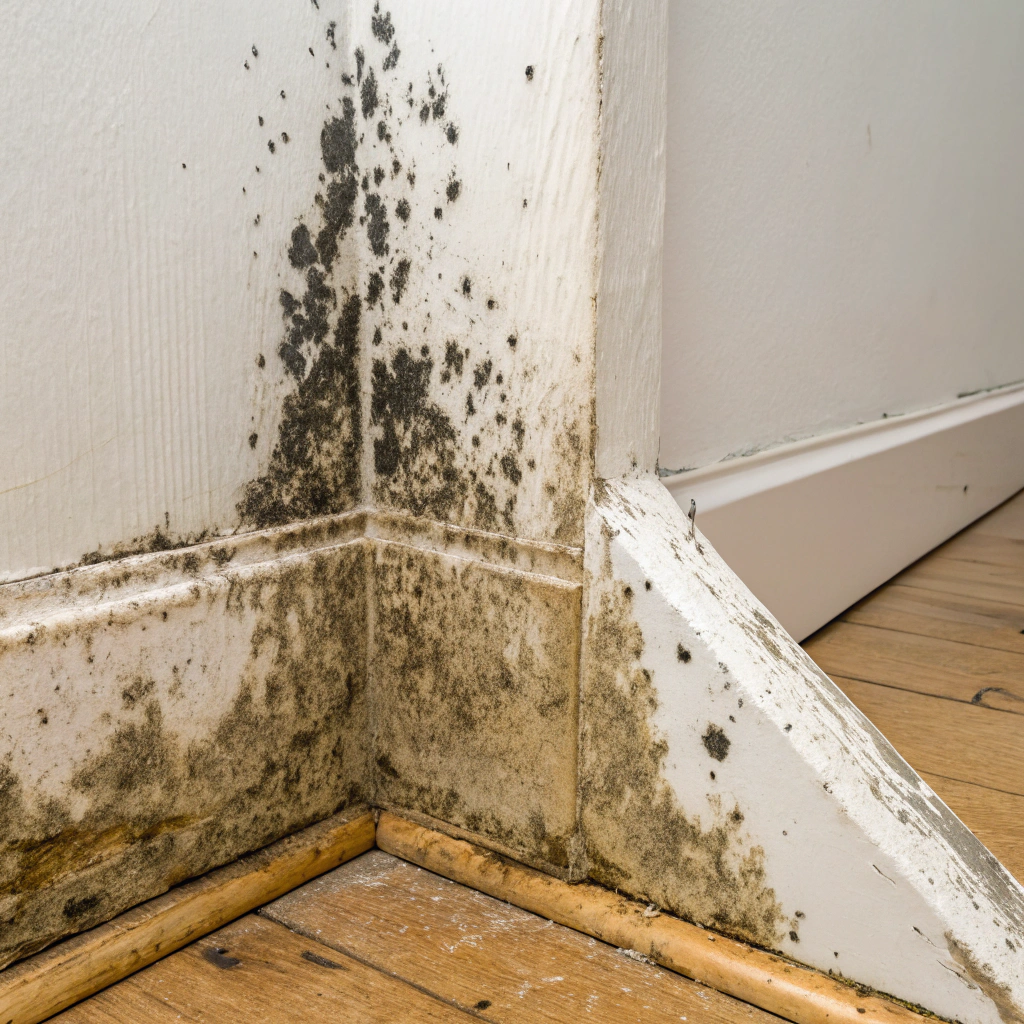
Mould that has penetrated through the paper face and into the gypsum core can’t be reversed with surface treatment. Once the core is compromised, that section of plasterboard needs to come out and be replaced. Tell-tale signs include soft spots when you press the wall, bubbling paint, and staining that keeps returning after cleaning.
Brick and masonry walls are more resistant to structural penetration but highly porous — they absorb and hold moisture for long periods. Rising damp most commonly presents in brick and masonry walls. Standard retail products won’t cut it here. We use specialist masonry antimicrobial treatment suited to the material.
Common in Central Coast homes built before 1990, timber-framed walls require assessment of the framing’s structural integrity before treatment begins. Mould-affected insulation batts can’t be treated in place — they need to be removed and replaced alongside treatment of the frame itself.
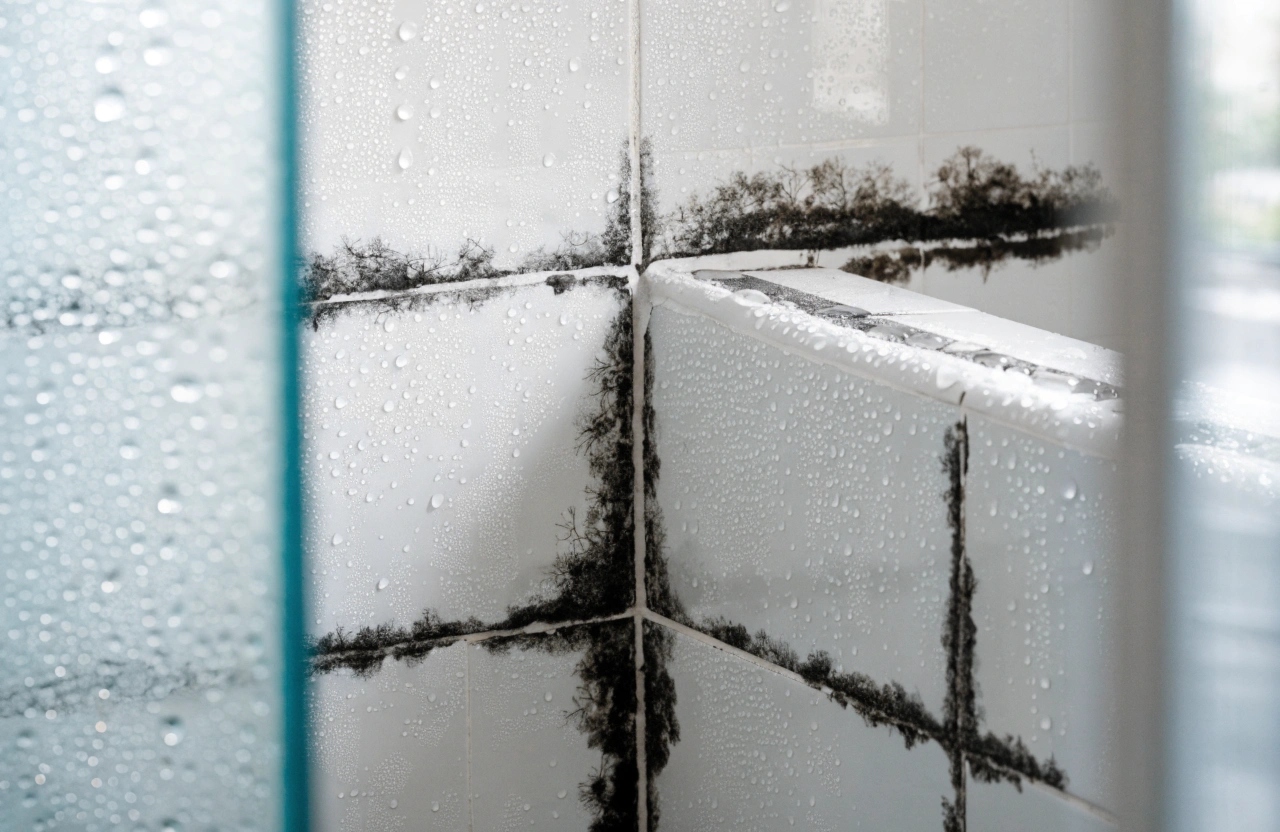
Failed waterproofing membrane behind tiles allows moisture to accumulate on the substrate beneath. Treating the grout surface won’t reach it. Proper access requires tile removal — relevant to bathrooms, laundries, and outdoor entertaining areas across Central Coast homes.
Wall Mould and Indoor Air Quality — Why Surface Area Matters
Walls are the largest continuous surface area in any home. When mould takes hold across wall surfaces, airborne spore concentrations rise throughout the entire property — not just in the room where the mould is visible.
This is particularly relevant in open-plan Central Coast homes where living, dining, and kitchen areas share wall surfaces and air circulation. Mould on one wall doesn’t stay contained to that space.
For families with children, bedroom walls are the most concerning surface. Kids spend more time in their bedrooms than any other room in the house — and mould-affected walls mean prolonged daily exposure to elevated spore levels during sleep.
At ClearAir Mould Removal Central Coast, we use air quality testing to measure what’s actually in the air — not just what’s visible on the surface. It gives a clear picture of contamination levels across the property and confirms whether treatment has been effective once the work is done.
Rental Properties and Wall Mould — Landlord and Tenant Obligations on the Central Coast
Wall mould in a rental property creates obligations on both sides — and on the Central Coast, where roughly a third of all dwellings are rentals, it’s one of the most common sources of dispute between landlords and tenants.
For Landlords
Under the NSW Residential Tenancies Act 2010, rental properties must be maintained in a reasonably habitable condition. Wall mould that affects habitability triggers a landlord obligation to remediate — not just clean. Repeated surface treatments without moisture diagnosis won’t satisfy a formal complaint lodged with NSW Fair Trading or NCAT. A professional treatment report and post-remediation documentation is the clearest protection against tribunal proceedings.
For Tenants
Tenants have the right to request professional remediation in writing. Keeping records of all communication with your landlord or property manager is important. If the landlord fails to act, an independent professional assessment from ClearAir Mould Removal Central Coast gives you the documentation needed to support a Fair Trading NSW complaint. A post-treatment air quality certificate also provides evidence of resolution for any health-related claims.
Wall Mould Treatment Costs on the Central Coast
Mould removal pricing varies — and we know that uncertainty is frustrating when you’re trying to work out what you’re dealing with before you call anyone.
Wall mould treatment costs depend on a few key factors: how much surface area is affected, what material the wall is made of, whether plasterboard or insulation needs replacing, and whether the moisture source itself requires rectification work.
What we can tell you is that early treatment consistently costs less than delayed treatment. The further mould gets into wall materials and framing, the more work it takes to fix properly.
A site assessment is the only way to give you an accurate quote. You’ll know exactly what you’re dealing with and what it will cost before anything starts.
Our Wall Mould Treatment Process — From Moisture Mapping to Final Protection
Frequently Asked Questions
If mould has come back after cleaning, covers an area larger than a dinner plate, or is accompanied by soft spots, bubbling paint, or a persistent musty smell, it needs professional assessment. Surface cleaning won’t fix an active moisture problem.
Bathroom ceiling mould is usually a ventilation issue and is often manageable with the right products and airflow improvements. Wall mould is typically driven by moisture inside the wall system itself — rising damp, water ingress, or a concealed leak — which requires diagnosis before treatment.
Sometimes, yes. If moisture meter and thermal imaging readings show active contamination inside the cavity, we need to remove the affected material to treat the framing and substrate properly. We won’t open walls unnecessarily — but we won’t leave concealed contamination untreated either.
If mould has only reached the paint layer, treatment without replacement is possible. Once it has penetrated through the paper face and into the gypsum core, that section needs to come out. We assess each wall individually and only replace what can’t be properly treated in place.
Most residential wall mould jobs are completed in one to two days. Larger jobs involving plasterboard replacement, insulation removal, or extensive cavity treatment may take longer. We give you a clear timeline as part of the written assessment before work begins.
Not if the moisture source has been properly identified and addressed. That’s the reason most DIY treatments fail — the surface gets cleaned but the moisture driving the growth stays active. Our process finds and addresses the source first, which is what stops recurrence.
Yes. Every job closes with a written completion report detailing what was found, what was treated, what materials were replaced, and the condition of the wall on completion. We also provide post-remediation air quality testing where required.
Yes. We work with tenants, landlords, and property managers regularly across the Central Coast. We can provide assessment reports and completion documentation formatted for Fair Trading NSW or NCAT proceedings if needed.
Cost depends on the surface area affected, wall material, whether plasterboard or insulation needs replacing, and whether moisture source rectification is required. We provide a detailed written quote after the site assessment — no surprises on invoice day.
Ready to Sort Your Wall Mould for Good?
If mould keeps coming back on your walls, the moisture source hasn’t been found yet. That’s where we start.
At ClearAir Mould Removal Central Coast, we diagnose the cause, treat the wall properly, and give you written documentation of everything we find and fix.
Call us today to book a wall mould assessment.
Or submit an enquiry below and we’ll get back to you promptly.
Serving homeowners, landlords, and tenants across the Central Coast — Gosford, Wyong, Terrigal, Woy Woy, The Entrance, Umina Beach, Tuggerah, Ettalong Beach, Avoca Beach, Budgewoi, and surrounding suburbs.
