
Why Does Bathroom Mould Keep Coming Back After Cleaning?
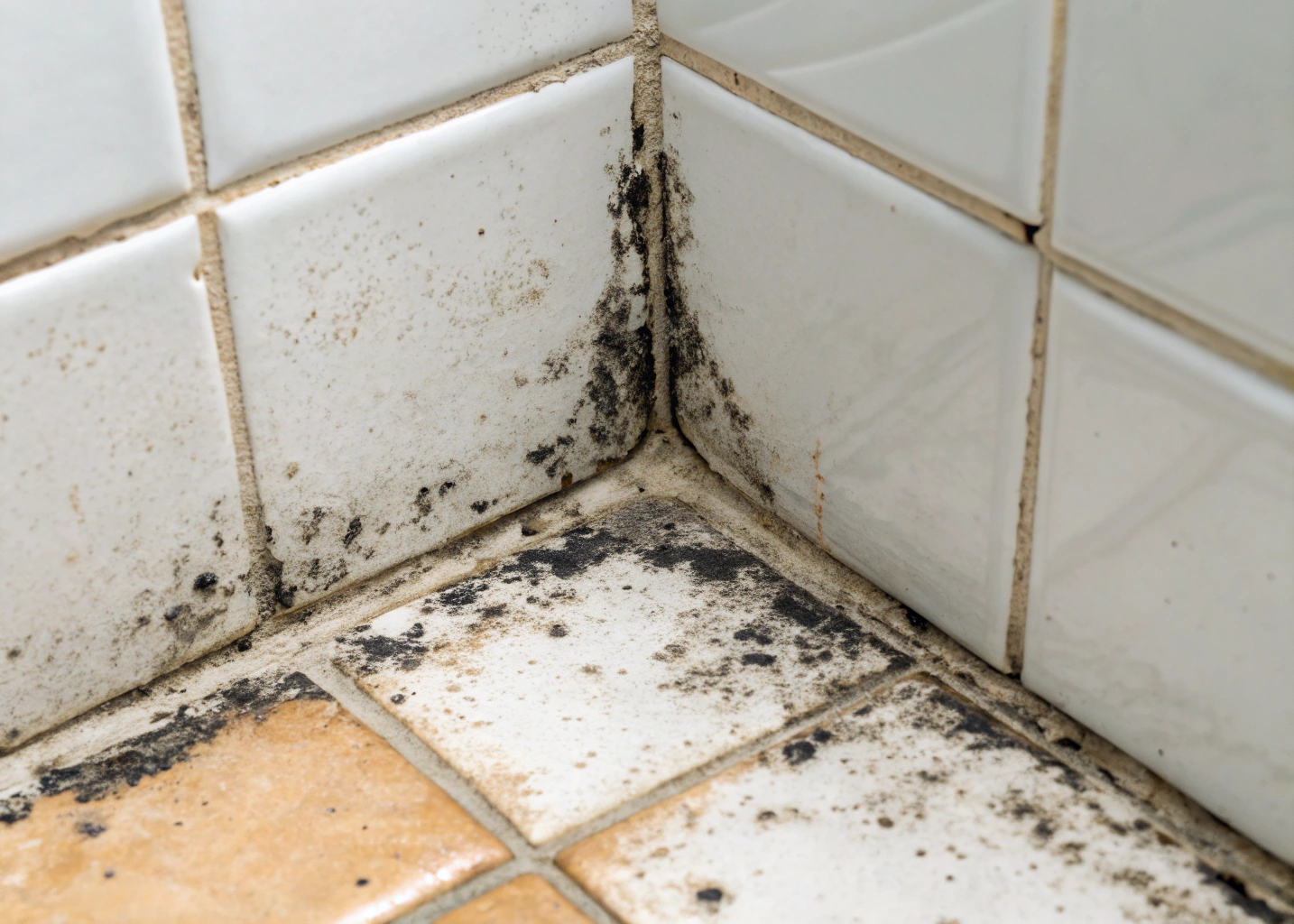
Surface cleaning removes visible mould but leaves spores embedded in porous materials — and does nothing about the moisture conditions that keep feeding regrowth.
Here is why it keeps returning:
- Grout and silicone absorb mould below the surface — scrubbing removes the colour, not the colony
- Cleaning disturbs spores — without proper containment, those spores resettle on nearby surfaces within hours
- Central Coast humidity regularly exceeds 60% — the threshold at which mould spores germinate, meaning bathroom surfaces rarely get the chance to fully dry
- Colonised silicone cannot be cleaned — once mould is inside the silicone, it must be physically removed and replaced
- Ageing exhaust fans — many Central Coast homes have original ventilation that no longer clears steam effectively
- Hidden moisture — slow leaks behind tiles or inside wall cavities feed regrowth from the inside out
Permanent results come from treating both the affected surfaces and the moisture source — which is why professional remediation delivers what retail products cannot.

Why Bathroom Mould Is Different From Mould Anywhere Else in Your Home
No other room in your home generates sustained moisture the way a bathroom does. Every shower fills the space with steam, every surface collects condensation, and in an enclosed room with limited airflow, that humidity lingers long after the water stops running.
Most rooms dry out. Bathrooms don’t — at least not completely.
Add the materials that make up a typical Central Coast bathroom — porous grout, silicone sealant, plaster ceilings, gyprock walls — and you have a room that holds moisture in the very surfaces mould needs to grow. Combine that with the warmth that comes with our coastal climate, and the conditions for mould are present almost every day of the year.
That’s what makes the bathroom the highest-risk room in any Central Coast home. It’s not just that mould grows there — it’s that the room actively sustains the conditions that keep it growing.

The Surfaces Bathroom Mould Targets (And Why Each One Is a Different Problem)
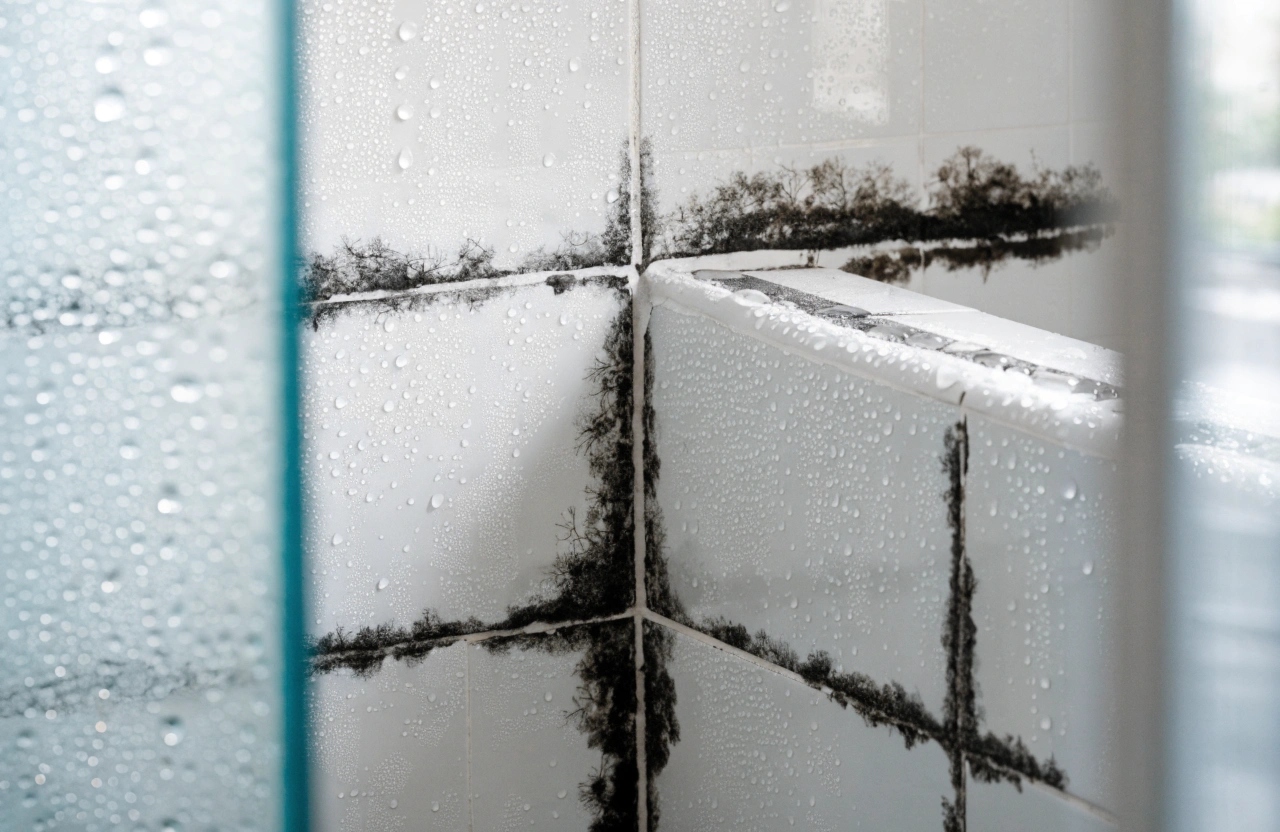
Grout is porous, which means mould doesn’t just sit on top of it — it grows into it. What looks like a surface stain is often a colony that has worked its way below the surface layer. Sprays and scrubbing remove the discolouration but leave the mould intact underneath. Professional treatment reaches below the surface, and in advanced cases, regrouting is the only way to get a permanent result.
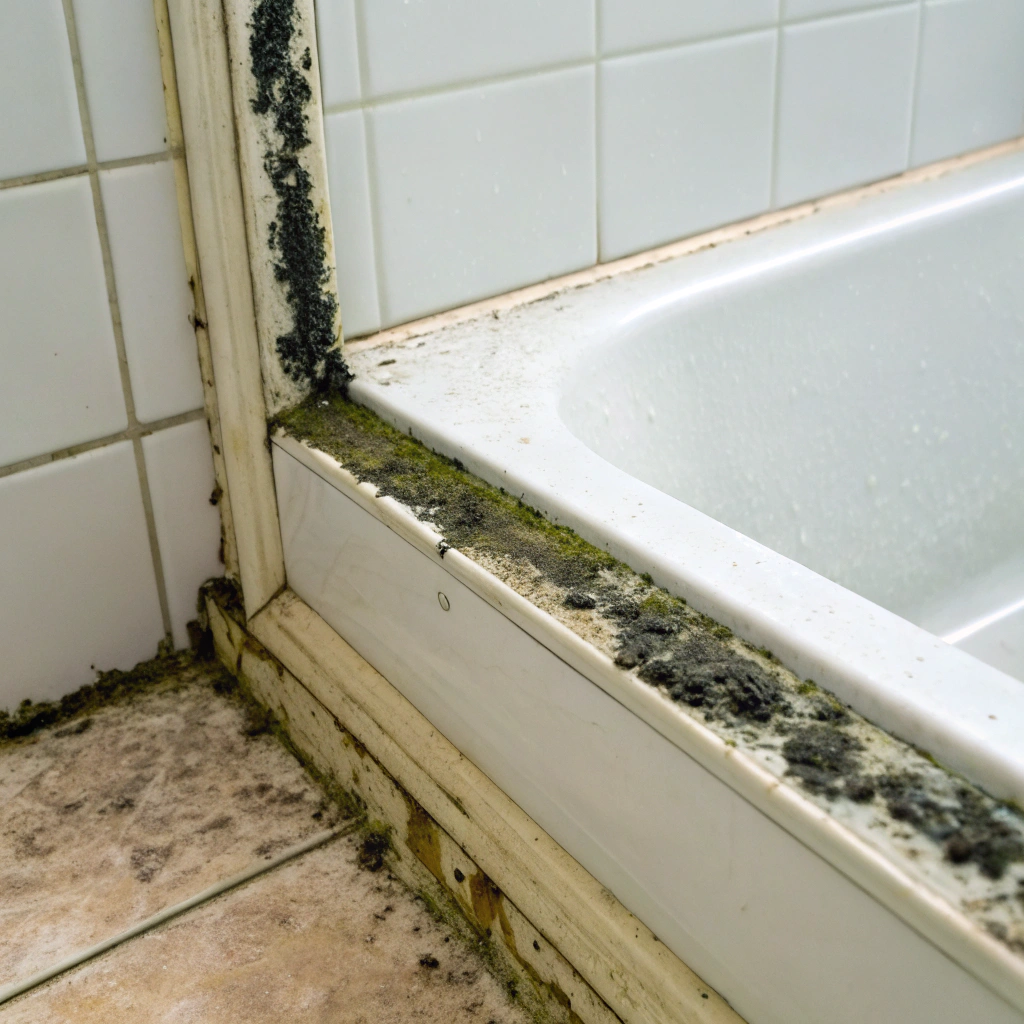
Once mould gets inside silicone, cleaning it is not an option. The mould is living inside the material itself. The only fix is to cut it out and replace it — and the most common failure points are bath edges, shower screen frames, and vanity silicone. No spray product changes that.
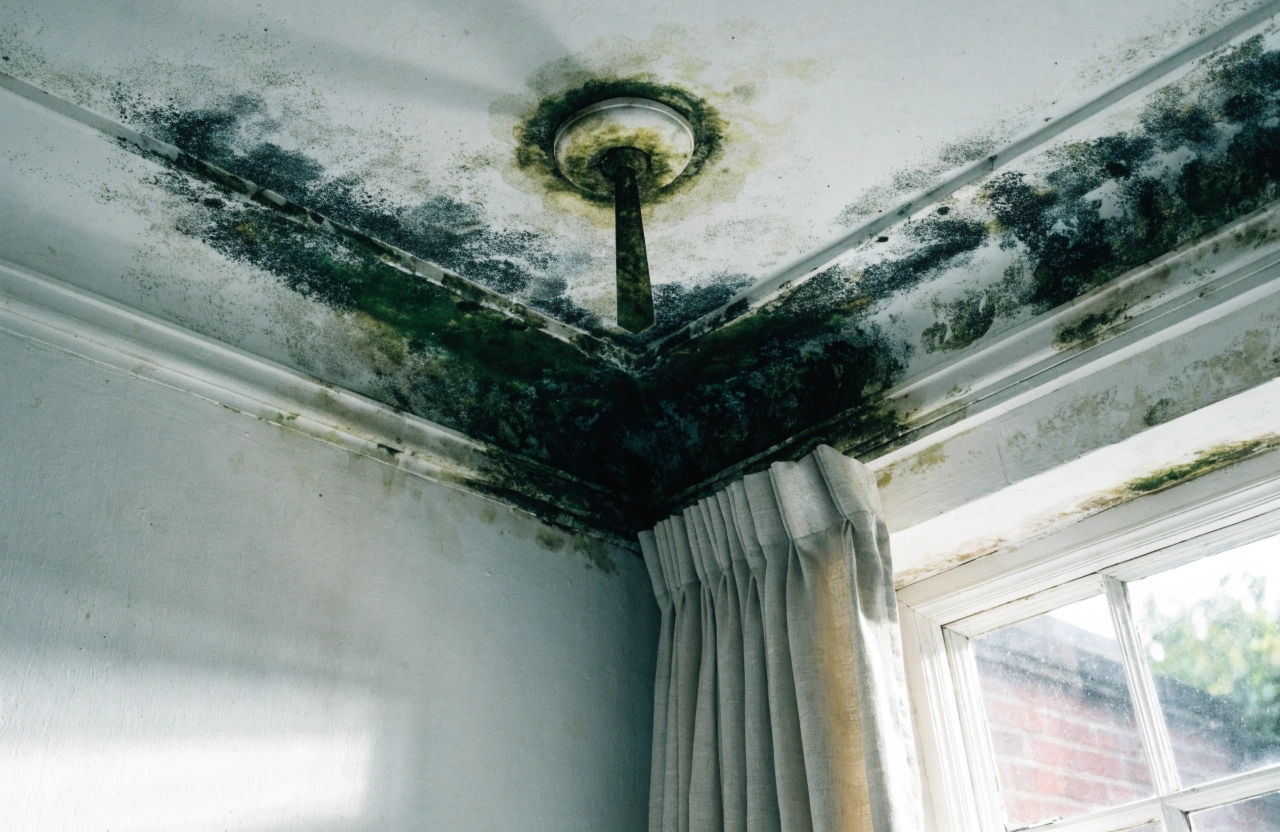
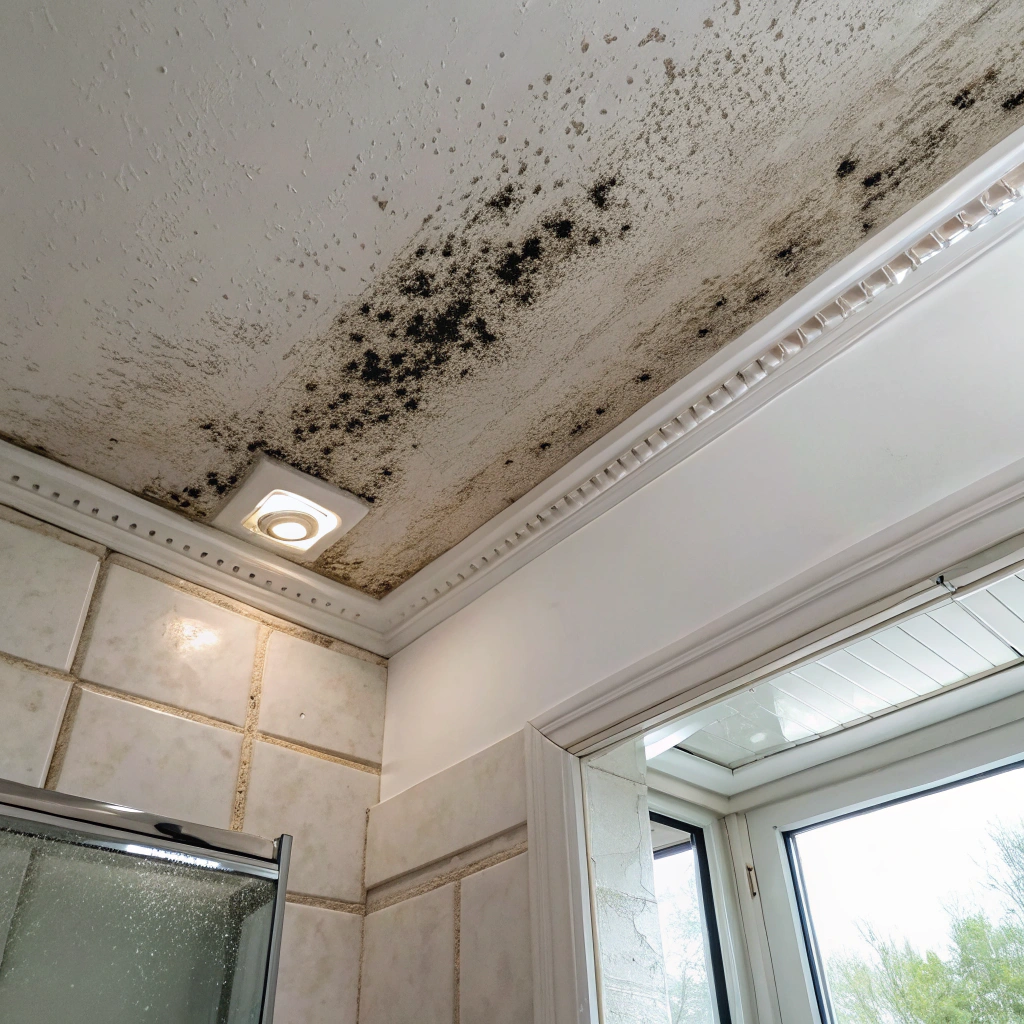
Steam rises, so the ceiling and upper walls are the first surfaces to collect condensation after every shower. Plaster and gyprock absorb moisture quickly and mould spreads fast across these surfaces — often penetrating the substrate before it’s visible. It’s also worth noting that ceiling mould sits directly above you during every shower, which makes it a more direct exposure risk than mould at floor level.
Discolouration around tile edges or tiles that are starting to lift are often signs that moisture and mould have moved behind the tile face. This is the most serious bathroom mould scenario we deal with — it goes beyond surface treatment and often points to a leak or a failed waterproofing membrane that needs proper investigation.
Why Bathroom Mould Keeps Coming Back After Cleaning
Most people have already tried the obvious things before they call us — Exit Mould, repainting the ceiling, improving the ventilation. And most have watched it come back anyway, often within weeks.
Retail products fail in bathrooms for two reasons.
First, grout and silicone that have been mould-colonised over time are compromised materials. No cleaning product restores them — the material needs to be removed and replaced. Spraying a degraded grout line is like painting over rust. It looks better briefly, then the problem shows through again.
Second, Central Coast ambient humidity sits between 70 and 85 percent for much of the year. A bathroom with average ventilation can stay above the mould germination threshold for hours after a shower. That means even a thoroughly cleaned bathroom can begin supporting new growth the same day.
Until compromised materials are replaced and moisture is properly managed, regrowth is inevitable.
Ventilation, Condensation, and the Moisture Cycle Driving Regrowth
Exhaust Fan Performance: Most Central Coast homes were built with exhaust fans sized to older standards — and many no longer cut it. An undersized or poorly positioned fan can’t clear the steam load a modern shower generates. It needs to match the room volume and run during and for at least 15 minutes after every shower.
Shower Steam Management: Small habits make a real difference. Shower screens contain steam better than curtains. Leaving the bathroom door open after showering helps humidity escape. Towel drying inside a closed bathroom adds moisture load the ventilation has to work harder to clear.
Seasonal Humidity on the Central Coast: Central Coast humidity sits at 70–85% for much of the year, climbing higher after summer rain. In a poorly ventilated bathroom, indoor humidity can stay above the mould germination threshold around the clock — not just after showering. That’s why Central Coast bathrooms see higher recurrence rates than homes in drier inland climates.
Health Risks From Bathroom Mould Exposure
The bathroom is one of the most enclosed spaces in your home, and most people use it every single day. When mould is present on the ceiling directly above you, every shower means breathing in an elevated concentration of spores in a small, steam-filled room.
Early effects are easy to dismiss — a persistent runny nose, irritated eyes, a cough that doesn’t go away. These symptoms build gradually over months of repeated exposure, and by the time the connection to bathroom mould is made, the household has often been living with it for a long time.
Children, elderly occupants, and anyone with asthma or existing respiratory sensitivities face higher risk — and a bathroom is exactly the kind of enclosed, high-spore environment that compounds that risk with daily use.
Getting the mould out is about what your family is breathing every morning.
Rental Properties and Bathroom Mould on the Central Coast
Tenant Rights and Documentation: If you’re a tenant dealing with bathroom mould your landlord hasn’t acted on, a phone photo won’t get you far at Fair Trading NSW or NCAT. A professional mould report gives you moisture readings, surface assessments, and written findings that carry real weight in a formal complaint or tribunal proceeding. Documented evidence of a landlord’s failure to act significantly strengthens your legal position.
Landlord Obligations and Protective Reporting: Under the Residential Tenancies Act, landlords are required to maintain habitable premises. Bathroom mould that affects health triggers that obligation. A professional remediation report protects you by documenting that the problem was identified and properly resolved — which is critical protection against repeat complaints, tribunal proceedings, and insurance complications. Getting it done professionally and documented properly is the lowest-risk path forward for any Central Coast landlord.
What Professional Bathroom Mould Removal Involves
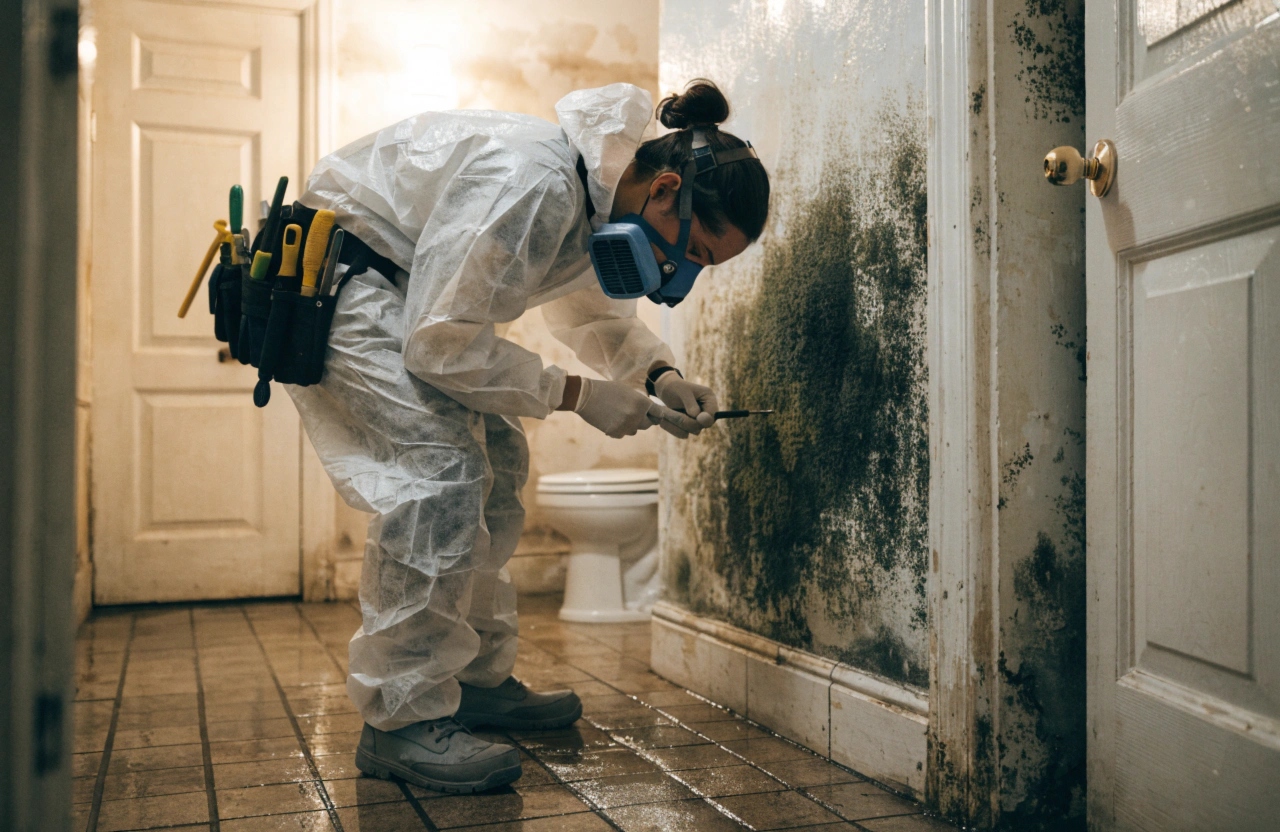
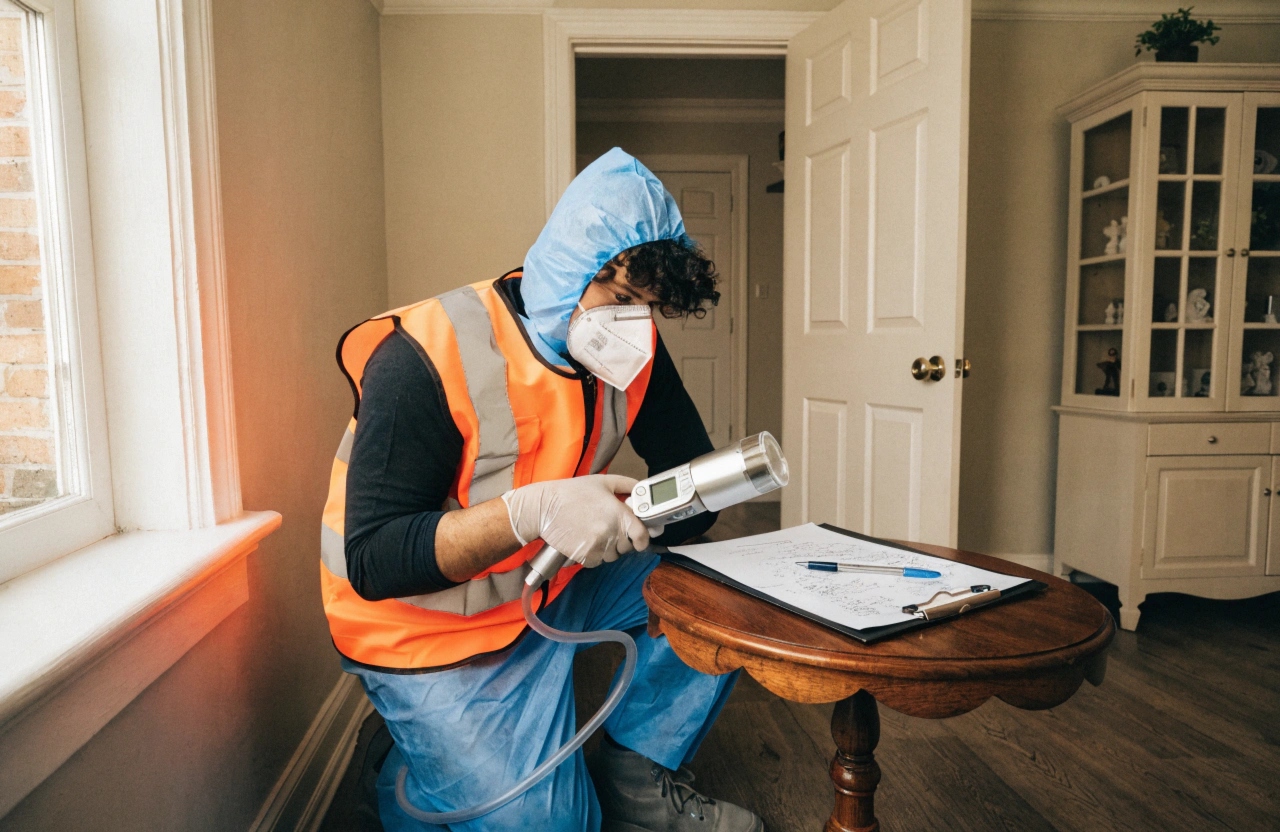
Assessment and Moisture Testing: Every job starts with a full assessment — not just the visible mould, but all bathroom surfaces, moisture readings behind tiles where accessible, and exhaust fan performance. We establish the full scope before any treatment begins.
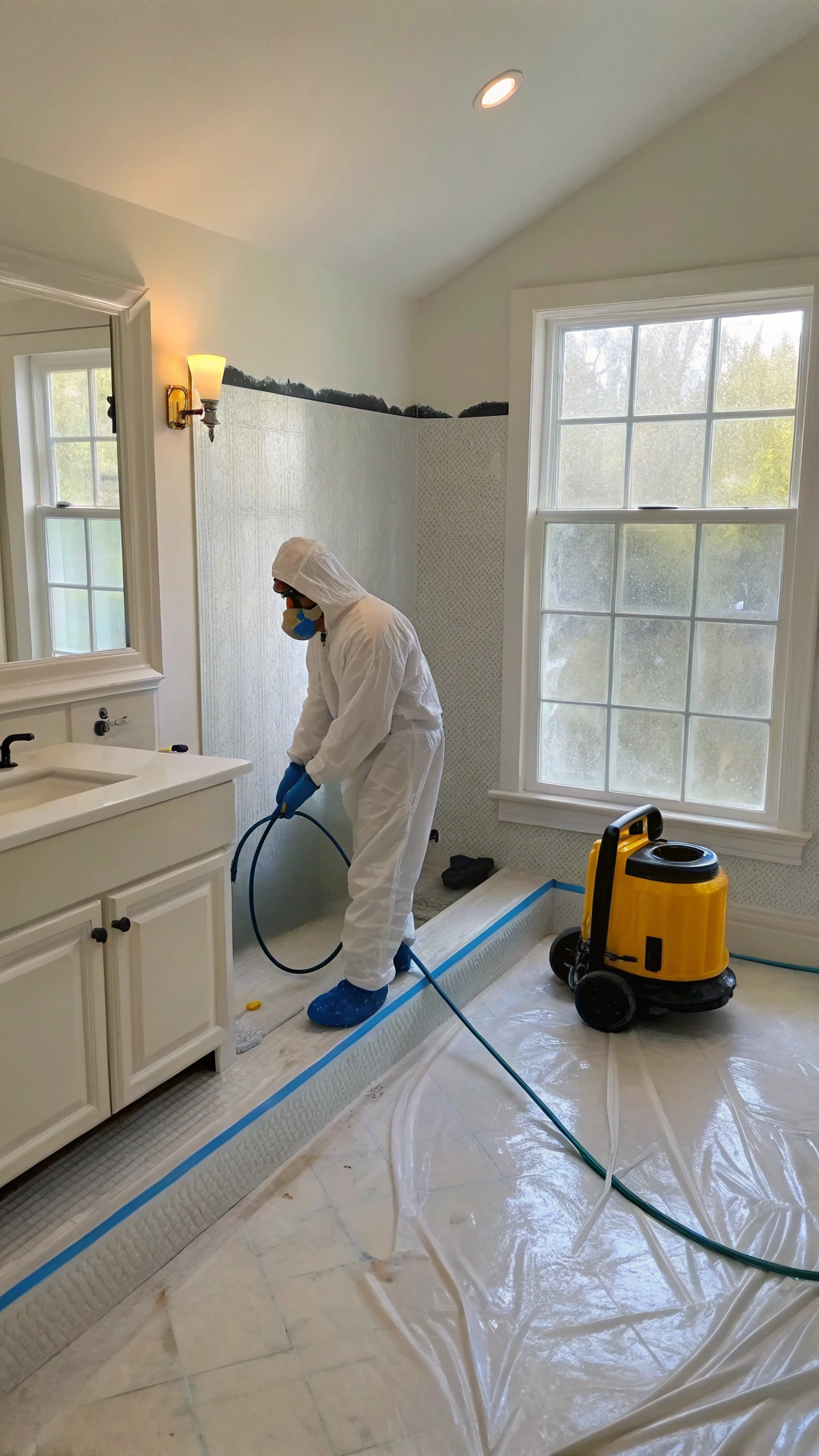
Containment: For significant contamination — particularly ceiling mould or suspected behind-wall growth — we contain the area before starting work. This stops spores dispersing into adjoining rooms during the removal process.
Silicone and Grout Removal: Compromised silicone is cut out and replaced. Affected grout is removed and reapplied where surface treatment alone won’t deliver a lasting result. This is the step DIY cleaning never reaches.
Antimicrobial Surface Treatment: We HEPA vacuum loose spore material first, then apply professional-grade antimicrobial treatment across all affected surfaces. The products and methods we use penetrate porous materials at a depth retail sprays can’t achieve.
Post-Treatment Recommendations: Every job closes with written guidance on ventilation habits, exhaust fan maintenance, and moisture management specific to your bathroom. We want the result to last — and giving you the tools to maintain it is part of how we make sure it does.
Frequently Asked Questions
It can be, particularly with ongoing daily exposure in an enclosed space. Bathroom mould releases spores into the air every time the room is used. For children, elderly family members, and anyone with asthma or respiratory sensitivities, that repeated exposure can cause real symptoms over time — irritated eyes, persistent coughing, and worsening respiratory conditions.
Because surface cleaning doesn’t reach the mould colony living inside porous grout and silicone. Sprays remove the colour but leave the growth intact below the surface. Add the Central Coast’s high ambient humidity to that equation and regrowth is almost inevitable without professional treatment.
For very minor surface mould on non-porous tiles, a retail product can manage it temporarily. But once mould is inside grout, silicone, or ceiling plaster — which is most bathroom mould situations we see on the Central Coast — DIY cleaning won’t deliver a lasting result. You’ll be cleaning the same spot again in a few weeks.
In most cases, yes. Once mould has colonised silicone sealant, it’s living inside the material itself. No cleaning product removes it. We cut out the affected silicone and replace it — that’s the only permanent fix for bath edges, shower screen frames, and vanity sealant.
Most bathroom jobs are completed in a single visit. The timeframe depends on the size of the bathroom and the extent of the contamination — particularly whether ceiling treatment or silicone replacement is involved. We’ll give you a clear timeframe after our initial assessment.
For standard bathroom mould removal, it’s generally not necessary for the whole household to vacate. We do recommend keeping the bathroom unoccupied during treatment and for a short period after. If we identify significant contamination that requires full containment, we’ll let you know in advance.
We can provide a professional mould assessment report that documents the extent of the problem, moisture readings, and written findings. That report carries significantly more weight than photographs when making a formal complaint to Fair Trading NSW or taking the matter to NCAT. We work with Central Coast tenants regularly in exactly this situation.
Under the Residential Tenancies Act, you’re required to maintain habitable premises — and bathroom mould that affects health falls under that obligation. Getting it professionally remediated and documented protects you against repeat complaints and tribunal proceedings. A professional remediation report is your evidence that the issue was properly resolved.
The signs we look for are tiles that are lifting at the edges, discolouration around grout lines that doesn’t respond to cleaning, and persistent damp smells that don’t clear after ventilation. These often point to moisture and mould behind the tile face. Our assessment includes moisture readings behind tiles where accessible — so we can tell you what you’re actually dealing with before any work begins.
Ready to Get Rid of Your Bathroom Mould for Good?
If the mould in your bathroom keeps coming back no matter what you try, it’s time to treat the cause rather than the surface.
At ClearAir Mould Removal Central Coast, we assess every surface, identify where the moisture is coming from, and remove the mould properly — grout, silicone, ceiling, and walls. We service homeowners, tenants, and landlords across the Central Coast.
Call us today for a no-obligation assessment. We’ll tell you exactly what you’re dealing with and what it takes to fix it permanently.
Call ClearAir Mould Removal Central Coast: 0243 075 006
Or fill in the form below with your name, phone number, suburb, and a brief description of the problem and we’ll get back to you promptly.
