
Central Coast Burst Pipe Restoration to Prevent Mould and Property Damage
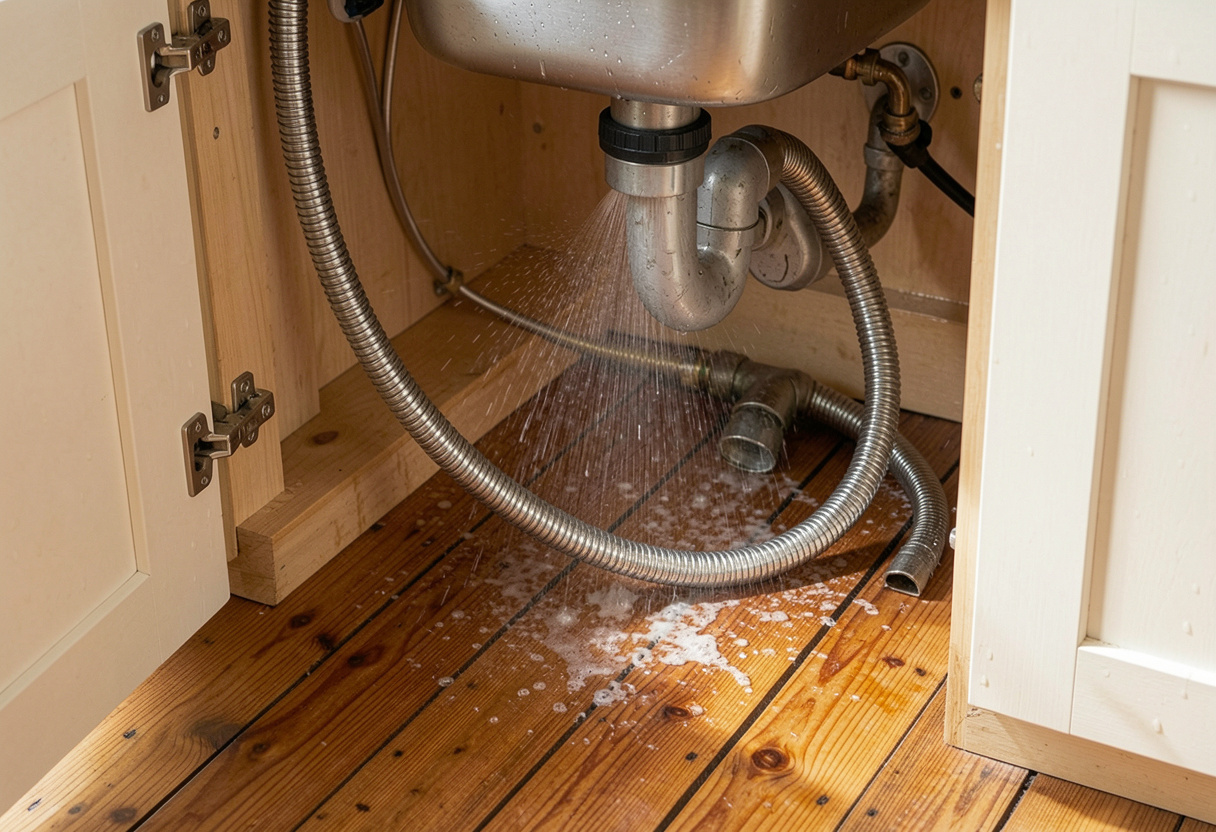
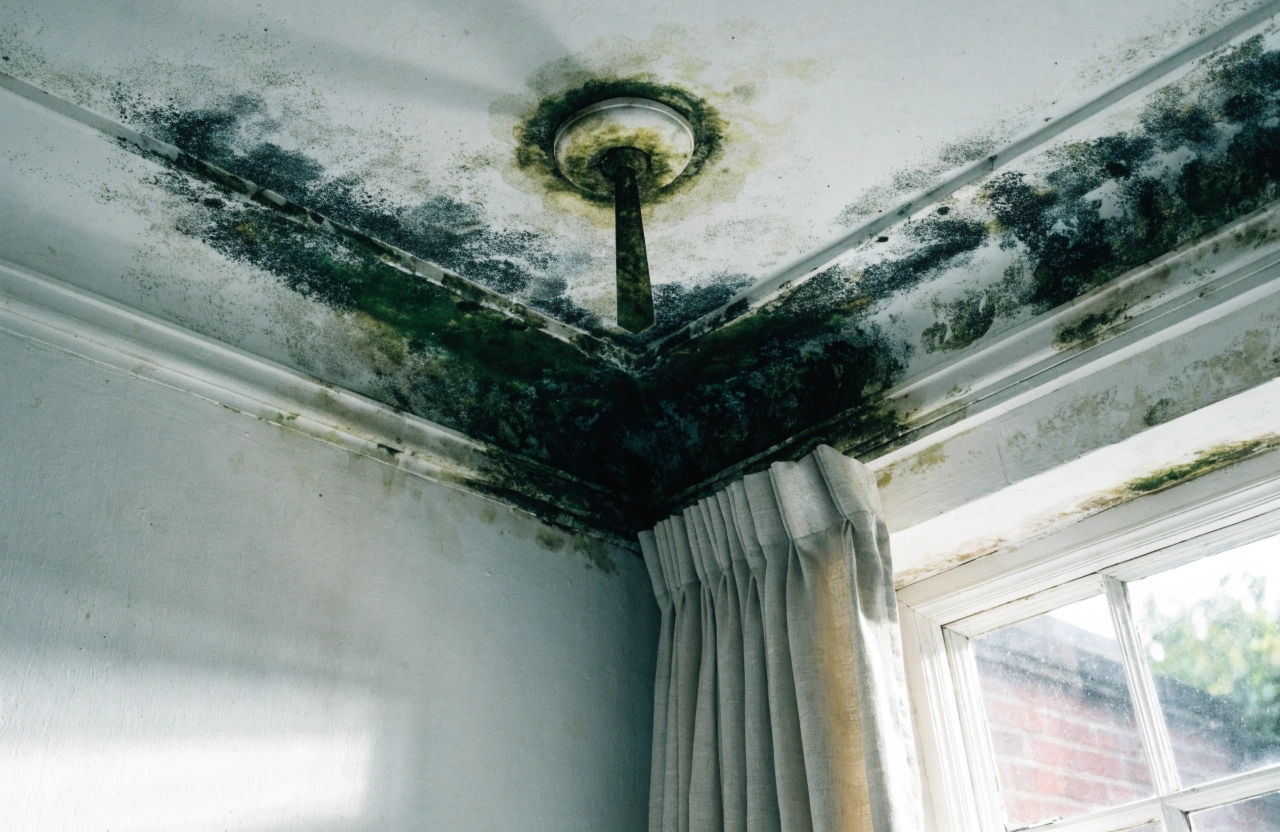
A burst pipe doesn’t give you warning. One minute everything’s fine — the next, water’s pushing through wall cavities, soaking into your floorboards, and climbing up cabinetry faster than you can grab towels. On the Central Coast, where summer humidity already sits at 70–85% and older housing stock is everywhere from Gosford to Wyong, that water has everything it needs to turn into a full mould problem within 24 to 48 hours.
That window is everything. Professional extraction and structural drying started in the first day or two is the difference between a contained restoration job and ripping out walls six weeks later. If you’ve just shut off the water and you’re standing in a wet room wondering what to do next — this page is for you. We respond fast across the Central Coast, and we bring the equipment to deal with what you can’t see as much as what you can.

Common Burst Pipe Scenarios on the Central Coast
The Central Coast’s housing stock tells the story in the types of failures we see most. Older homes from Woy Woy to Budgewoi are still running aged copper or polybutylene plumbing that was never designed to last this long — pressure spikes, corrosion, and ground movement eventually win. Here’s what we deal with most often.
What Professional Burst Pipe Water Damage Restoration Involves
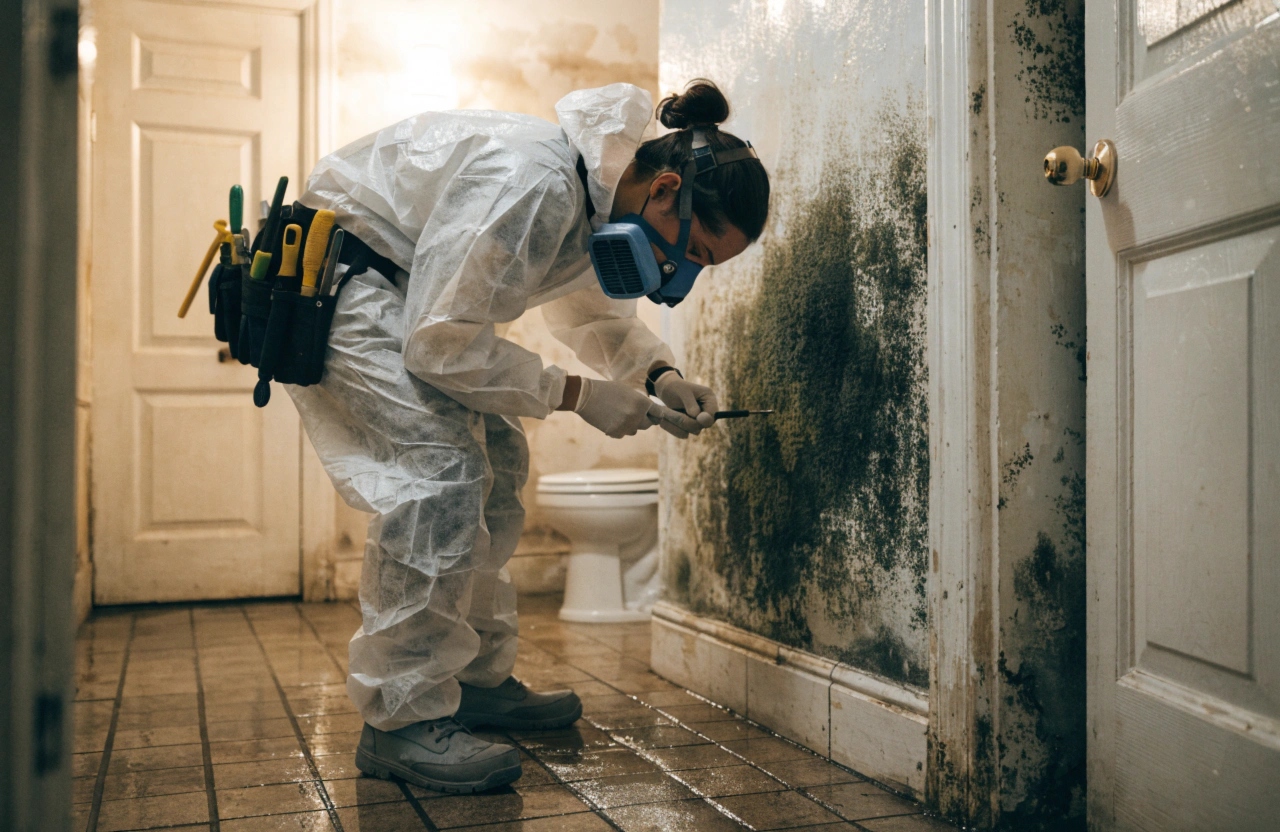
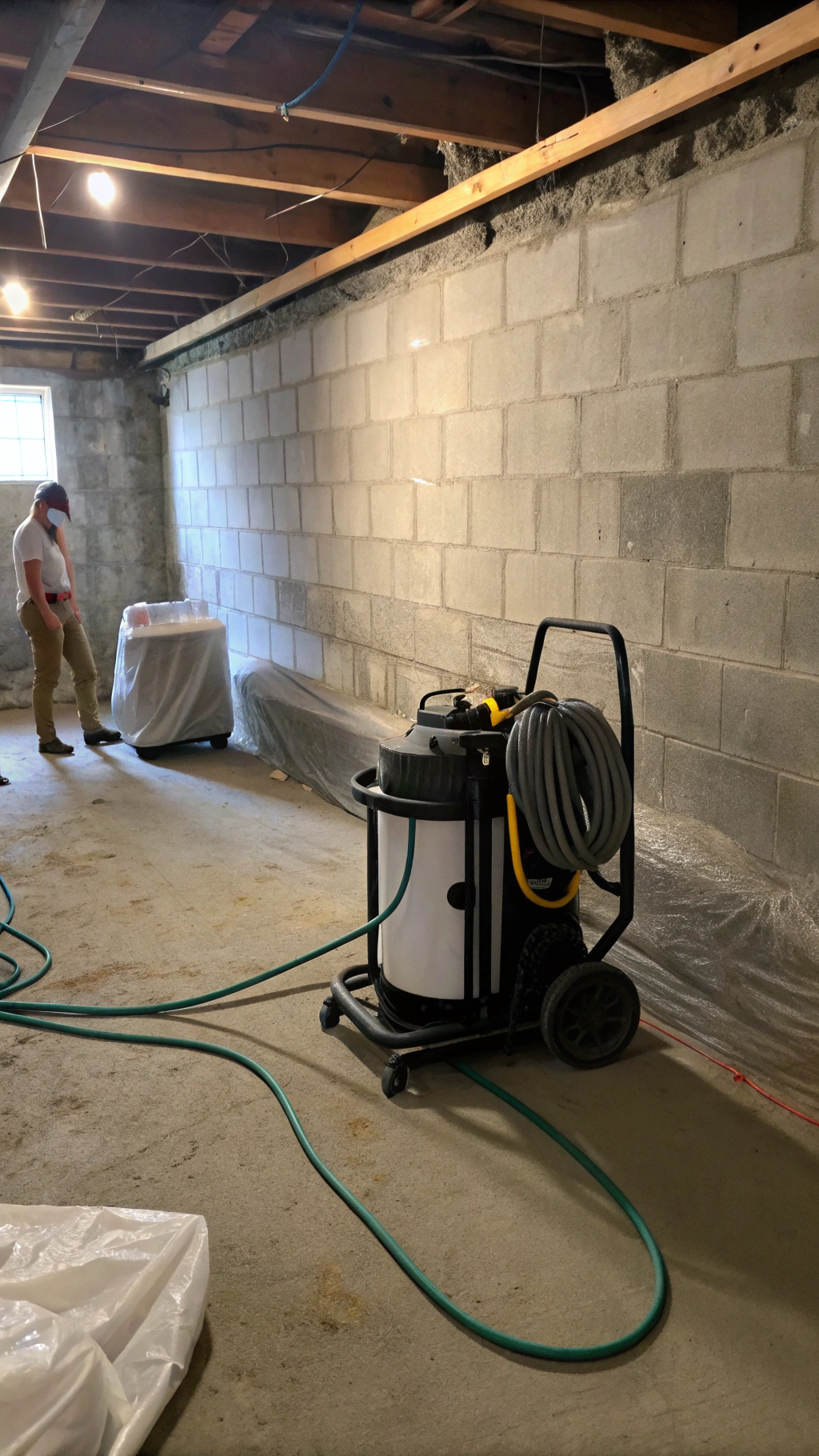
Getting the water out is only the start. What’s still sitting inside your walls, under your floors, and behind your skirting boards after the visible water is gone is what causes the real damage. Here’s what a professional restoration process looks like from arrival to clearance.
Burst Pipe Damage & Your Home Insurance
Burst pipe water damage is one of the most clearly covered perils under standard Australian home building insurance policies. Sudden and accidental water damage from a burst or broken pipe is included in the vast majority of policies — but the documentation your insurer requires to process the claim is specific.
We provide complete extraction logs, moisture mapping reports, equipment placement records, and daily drying documentation in a format insurers accept. If you’re lodging a claim, having a professional restoration company on site from day one — generating that documentation as the job progresses — makes the difference between a smooth claim and a drawn-out dispute over the scope of damage.
Call us before you call your insurer if you can. Getting extraction started fast protects both your property and your claim.
Why Central Coast Homeowners Call Us First for Burst Pipe Water Damage
We Respond Fast — Because the Clock Is Already Running: Every hour after a burst pipe matters. We operate across the Central Coast with rapid response availability because water damage doesn’t wait for business hours, and neither do we.
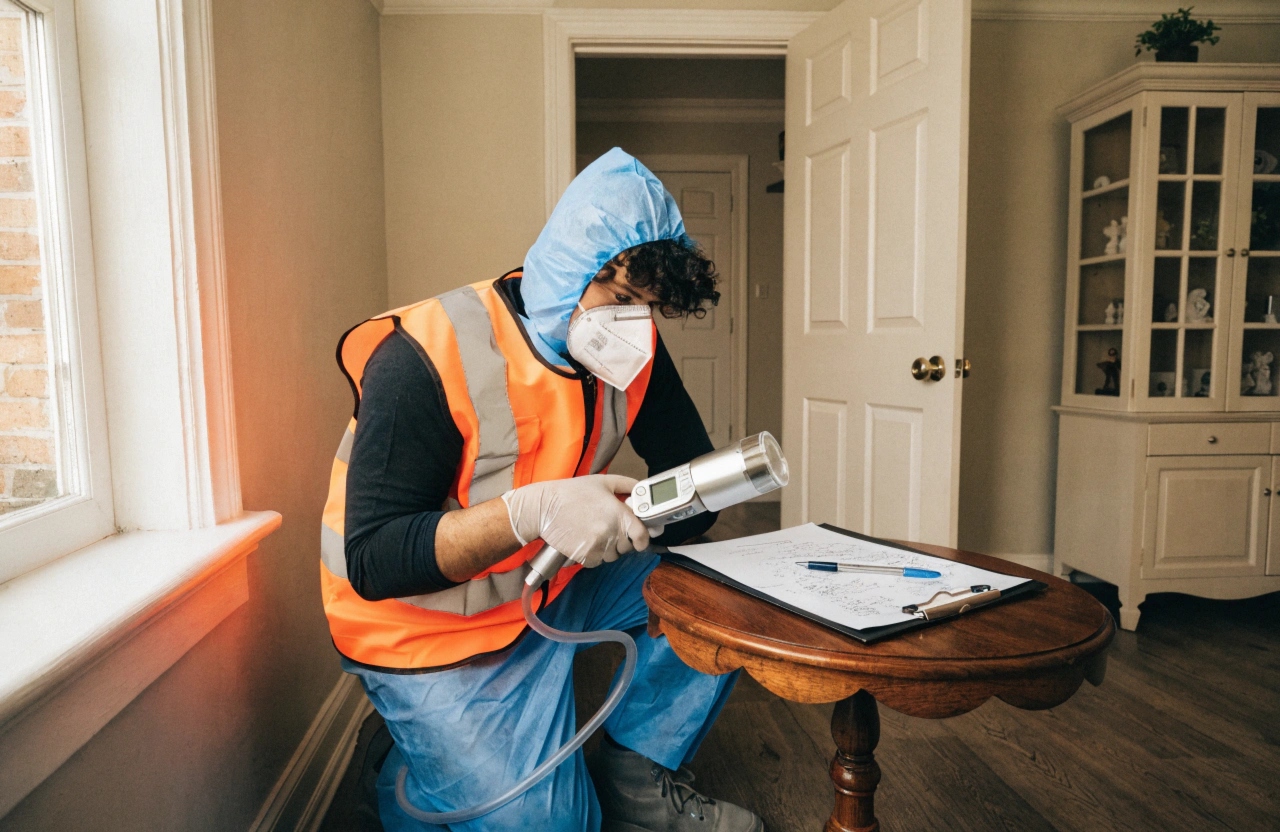
We Find What You Can’t See: Thermal imaging and moisture mapping means we’re not guessing. We locate saturation inside walls, under floors, and in ceiling cavities before it becomes a mould problem — and we document everything we find.
We Handle the Insurance Side: We produce the extraction logs, moisture reports, and drying documentation your insurer needs. No chasing paperwork, no gaps in the record — just a clean, complete claim file from day one.
We’re Local and We Know This Market: Central Coast homes have specific characteristics — the age of the plumbing, the humidity, the building materials used across different eras of construction. We’re not a national call centre dispatching a contractor who’s never worked here before. We know this region, and it shows in how we work.
You Get a Written Clearance Report: The job isn’t finished when the equipment comes out. You get a written clearance report confirming moisture levels across every affected area — something you can hold onto, show your insurer, and refer back to if questions arise later.
Frequently Asked Questions About Burst Pipe Water Damage
More than most people expect. A standard household water supply running unrestricted can discharge anywhere from 300 to over 1,000 litres per hour depending on pipe diameter and pressure. Left for several hours — as often happens overnight or while a family is out — that volume saturates wall framing, insulation batts, floor joists, and subfloor materials well beyond what’s visible at surface level. The longer it runs, the deeper and wider the saturation, and the longer the drying process required.
In most cases, yes. Sudden and accidental water damage caused by a burst, broken, or fractured pipe is a standard inclusion in Australian home building insurance policies. What’s typically not covered is gradual leakage that the homeowner was aware of and didn’t act on. If you’ve had a sudden failure, document everything from the moment you discover it — photos, timestamps, and professional restoration records all support your claim.
Most residential burst pipe water damage jobs dry to acceptable moisture levels within three to seven days with professional equipment in place. The variables are saturation depth, material types — concrete slabs hold moisture longer than timber substrates — ambient temperature and humidity, and how quickly extraction began after the failure. Central Coast conditions, particularly in winter when indoor humidity stays high, can extend drying times compared to drier climates.
Not always — but on the Central Coast, the conditions make it likely. Mould needs moisture, warmth, and an organic material to grow on. A burst pipe provides the moisture. The Central Coast’s ambient humidity slows natural evaporation. Timber framing, plasterboard, and insulation provide the organic substrate. Without professional drying and antimicrobial treatment, visible mould growth in affected areas typically appears within 24 to 72 hours in warmer months and within three to five days in cooler conditions. The question isn’t really whether mould will grow — it’s whether you’ve removed the conditions it needs before it gets a chance to.
